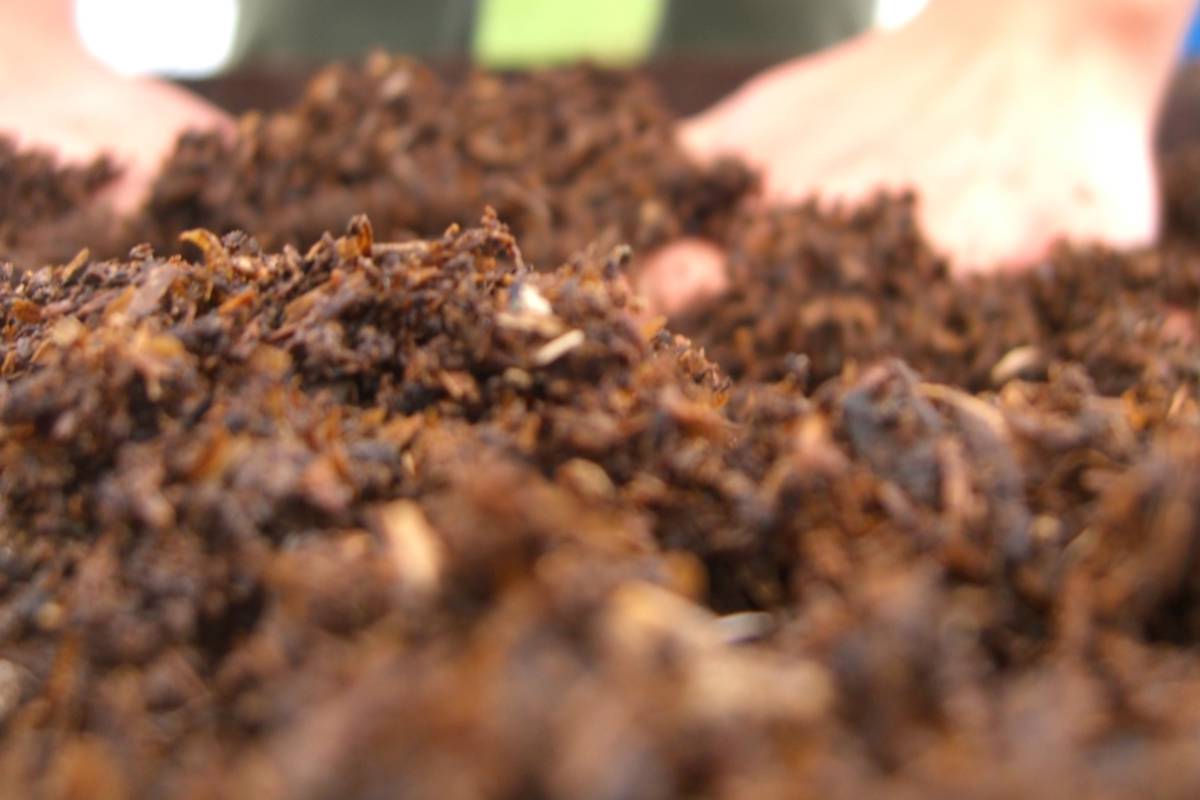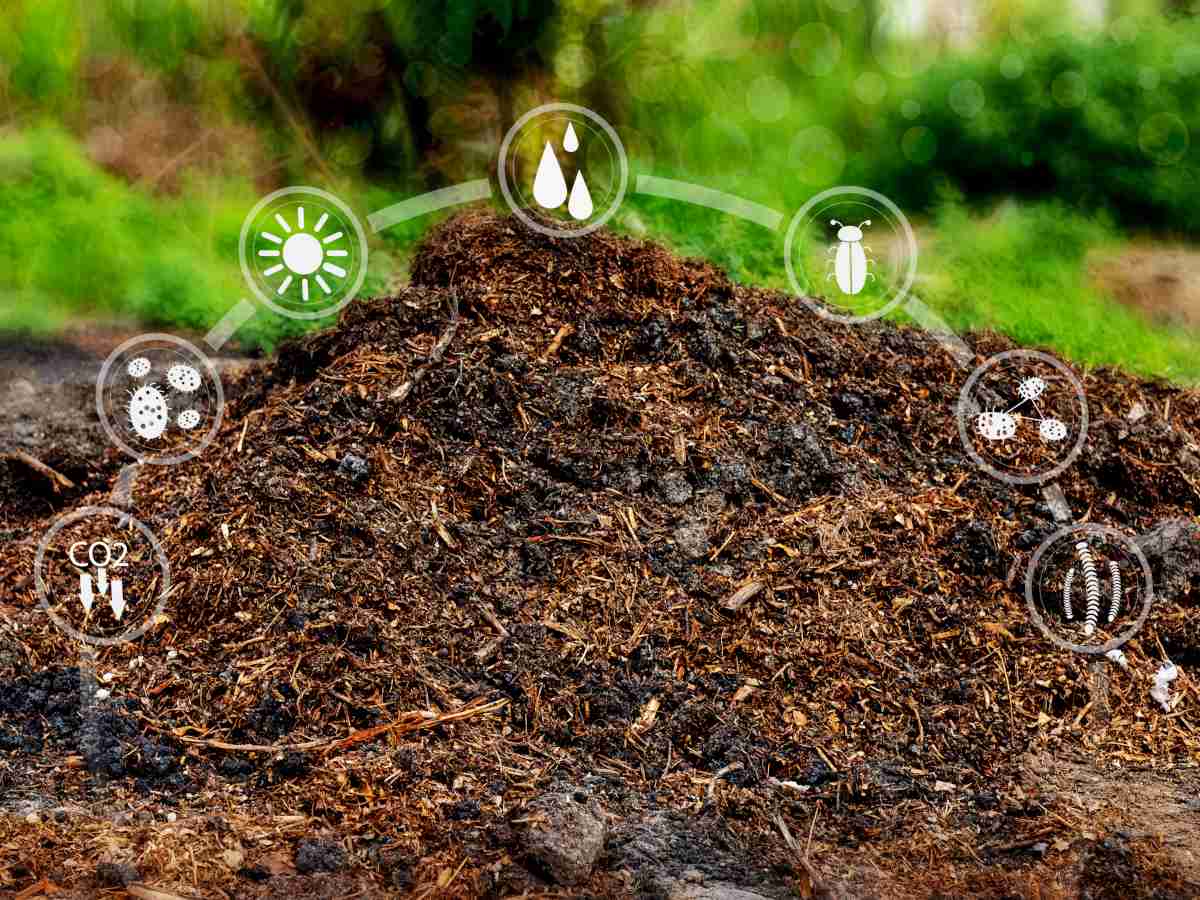
Many plants appreciate limestone soils, so you’ll find a good number of chalk-loving plants. Furthermore, since they retain water less well than other types of soil, limestone soils have the advantage of warming up quickly in spring. So, if your soil is alkaline, many gardening options are available to you! To help you in your planting choices, here is a list (partial, of course) of plants for limestone soil.
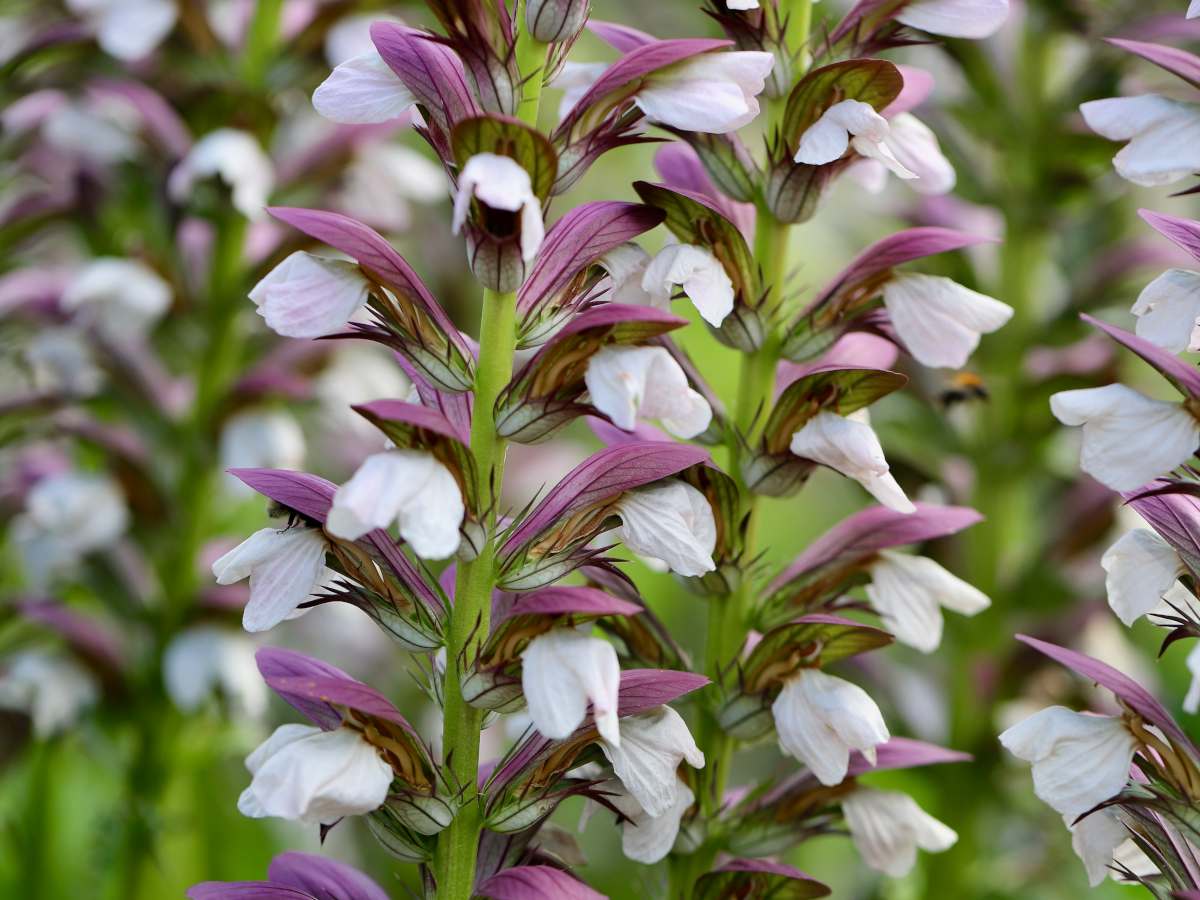
Acanthus mollis is a perennial plant with superb, broad, very cut, spiky foliage. It’s also appreciated for its tall erect floral spikes made of white and purple flowers.
Vigorous and easy, this plant likes fertile, well-drained, permeable, dry, and slightly limestone soils.
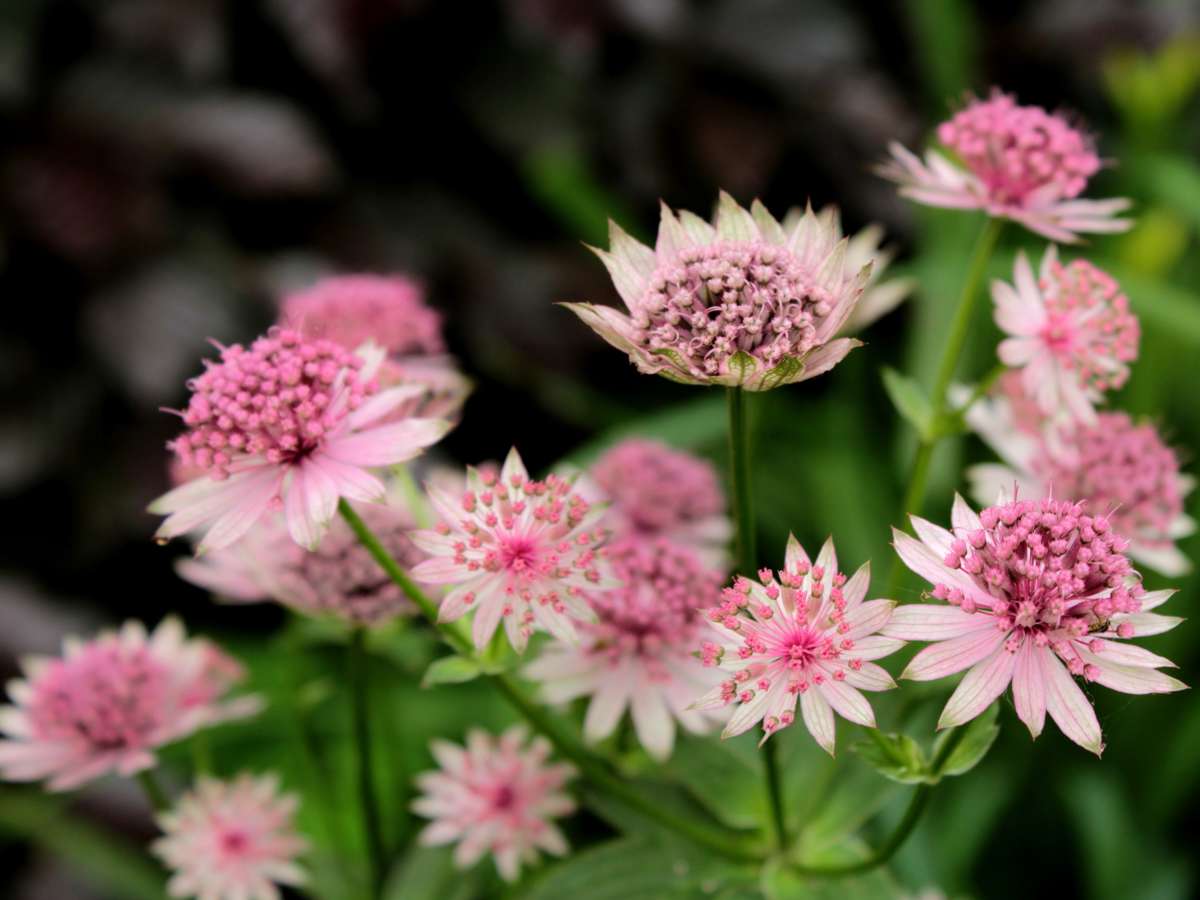
Masterwort is a mountain perennial from Europe. It offers a very delicate and decorative summer bloom, from beautiful silvery white to pink.
This plant adapts to all soils, and appreciates clayey-limestone soils that are relatively fresh and fertile.
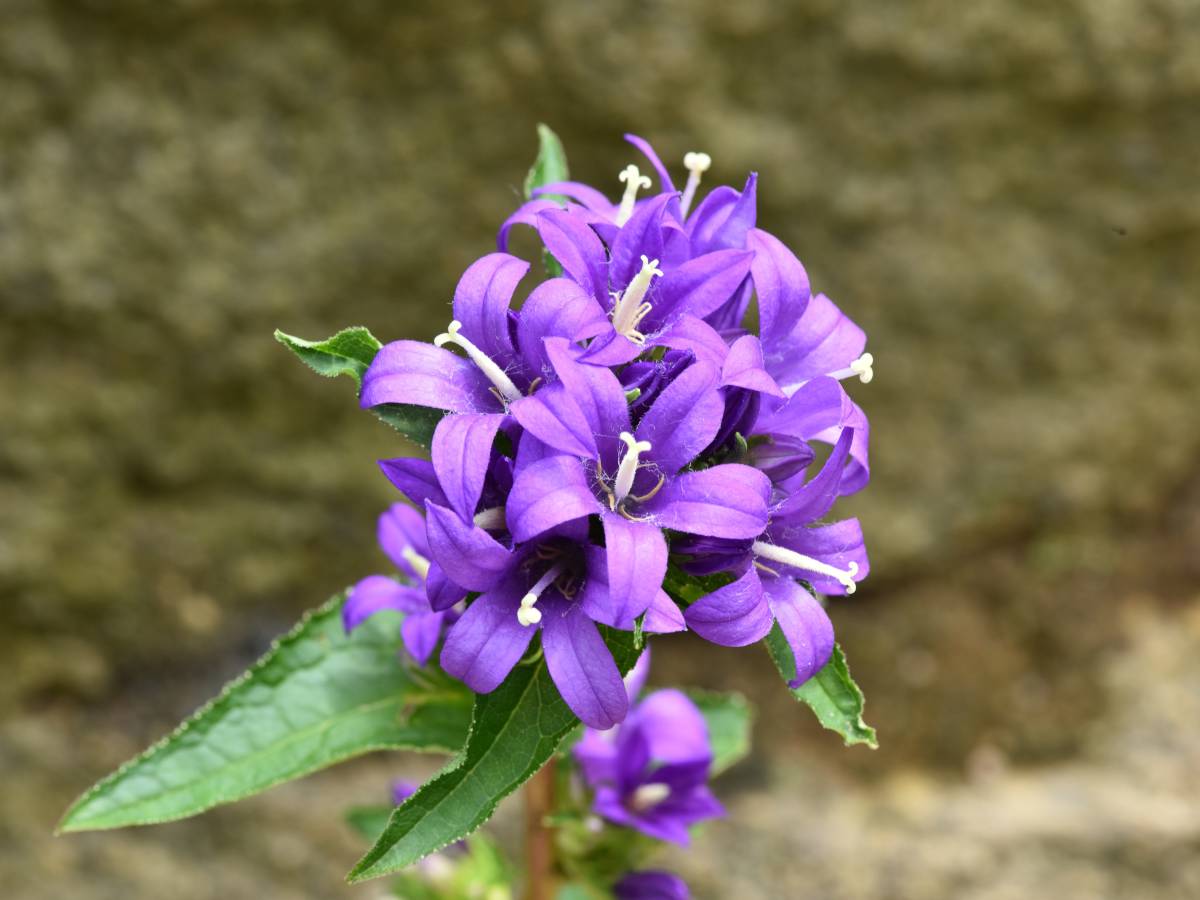
All bellflowers are perennials that display a delicate bloom of blue, mauve, or white bells.
Campanula glomerata (clustered bellflower) is the best choice for growing in limestone soil.
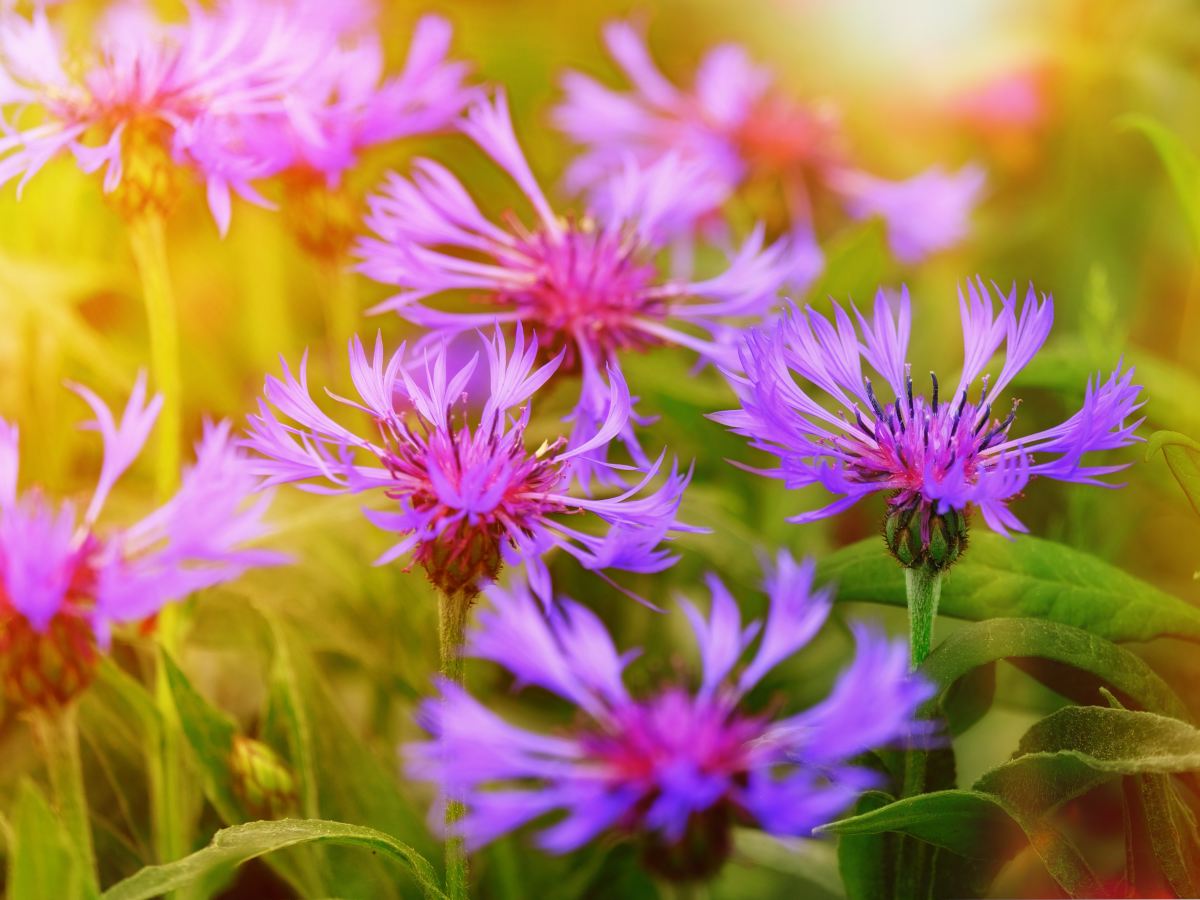
Centaury is family of perennials with beautiful blue, violet, or purple blooms.
All centauries like limestone soils, but Centaurea montana (mountain centaury) is the best choice for poor, dry soil.
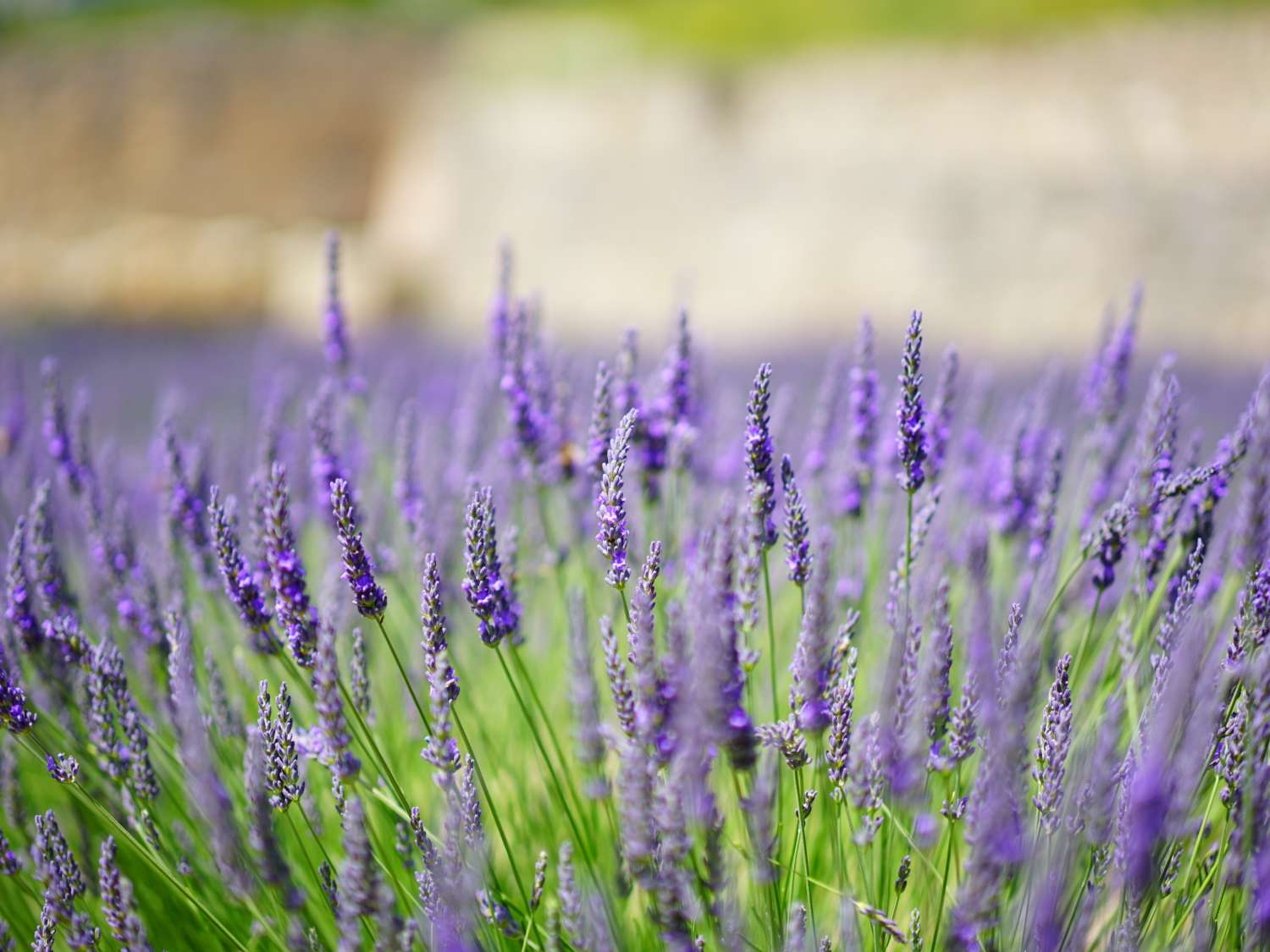
True lavender, Lavandula angustifolia, is known and appreciated worldwide for its blue-mauve floral spikes and its iconic scent of Provence.
This perennial bushy shrub particularly appreciates poor, draining, and slightly limestone soils.
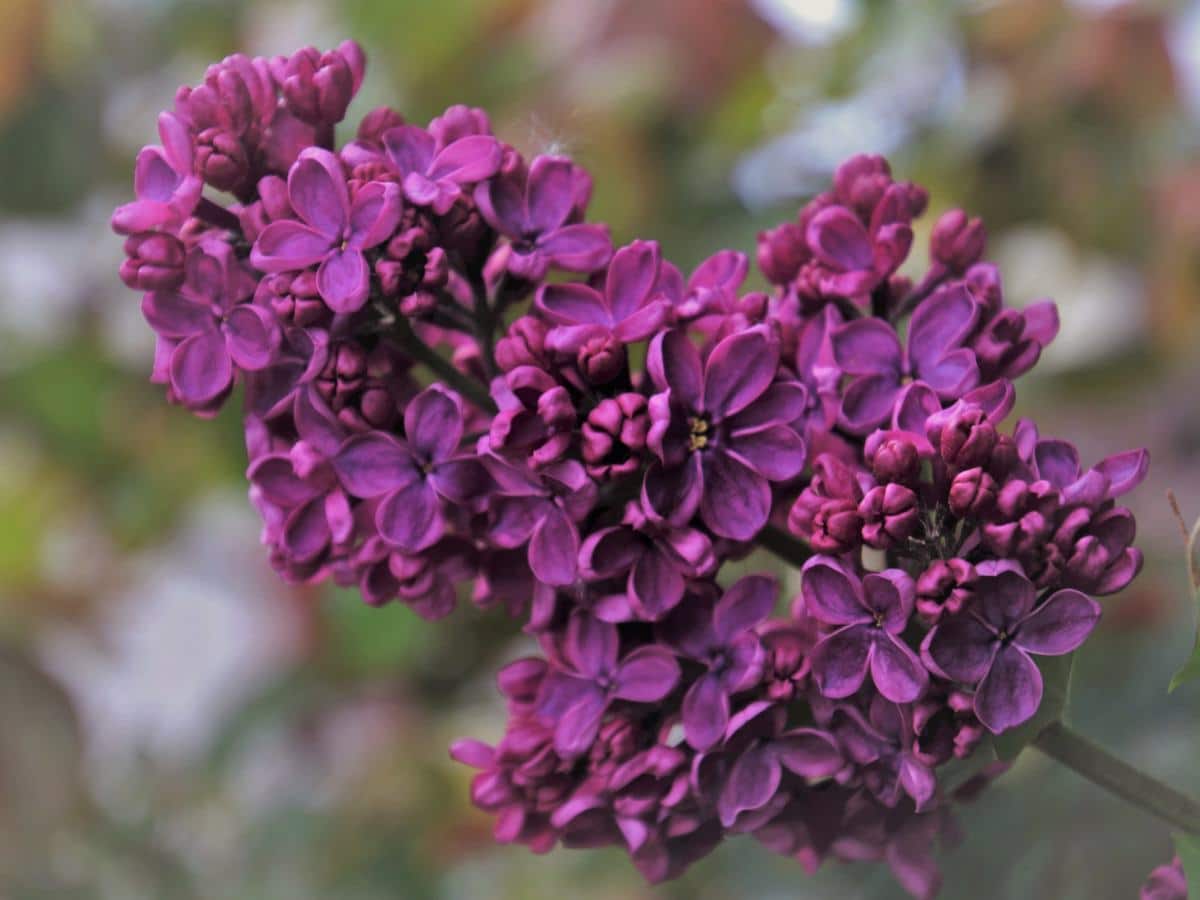
Lilac is an ornamental flowering shrub, appreciated for its fragrant, double or single flowers, in white, violet, blue, or magenta colors.
Not a picky plant, lilacs thrive in all soils, including limestone, as long as they are well-drained, deep, and rich.
Carnations are highly appreciated for their fragrant and colorful flowers, which can be single or double.
The many species and varieties of carnations generally like ordinary, well-drained (even dry), and slightly limestone soils.
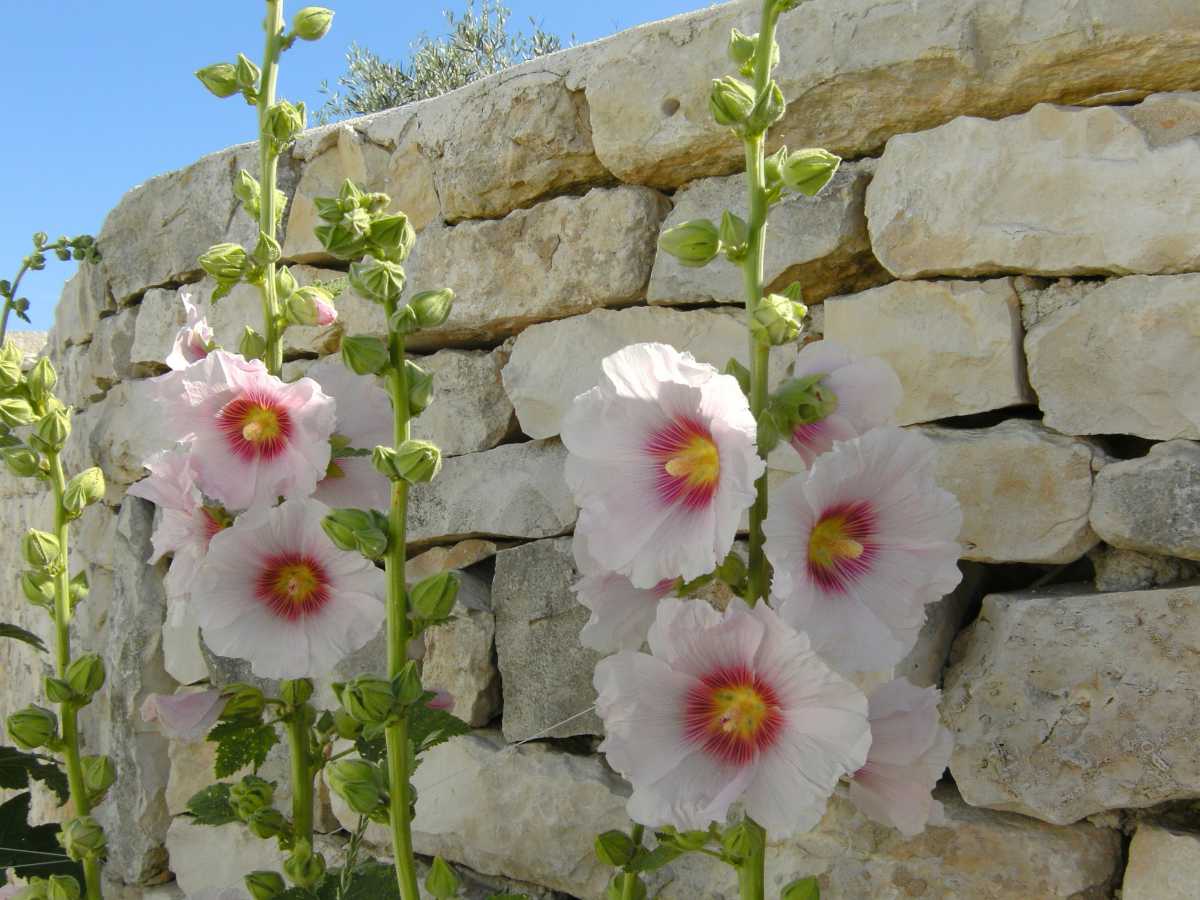
Perennial or annual, hollyhock produces tall stems bearing a profusion of beautiful colorful flowers with country charm.
This plant, common in the countryside and seaside, tolerates many types of soils, but prefers rich, well-drained, and limestone soils.
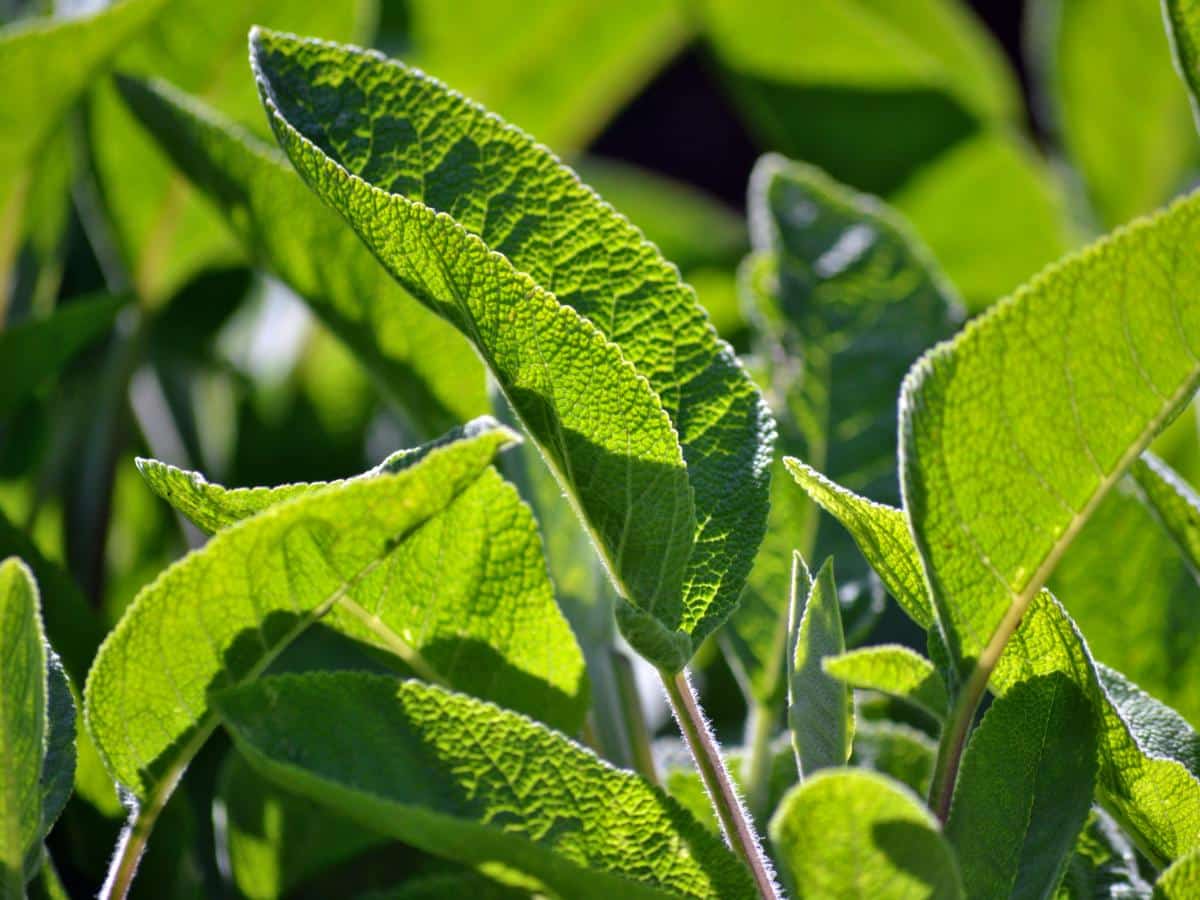
Salvia officinalis, or sage, is a sub-shrub with aromatic, grayish-green, fuzzy foliage that has numerous medicinal properties.
Robust and easy to cultivate, sage thrives in well-draining, slightly limestone soils.
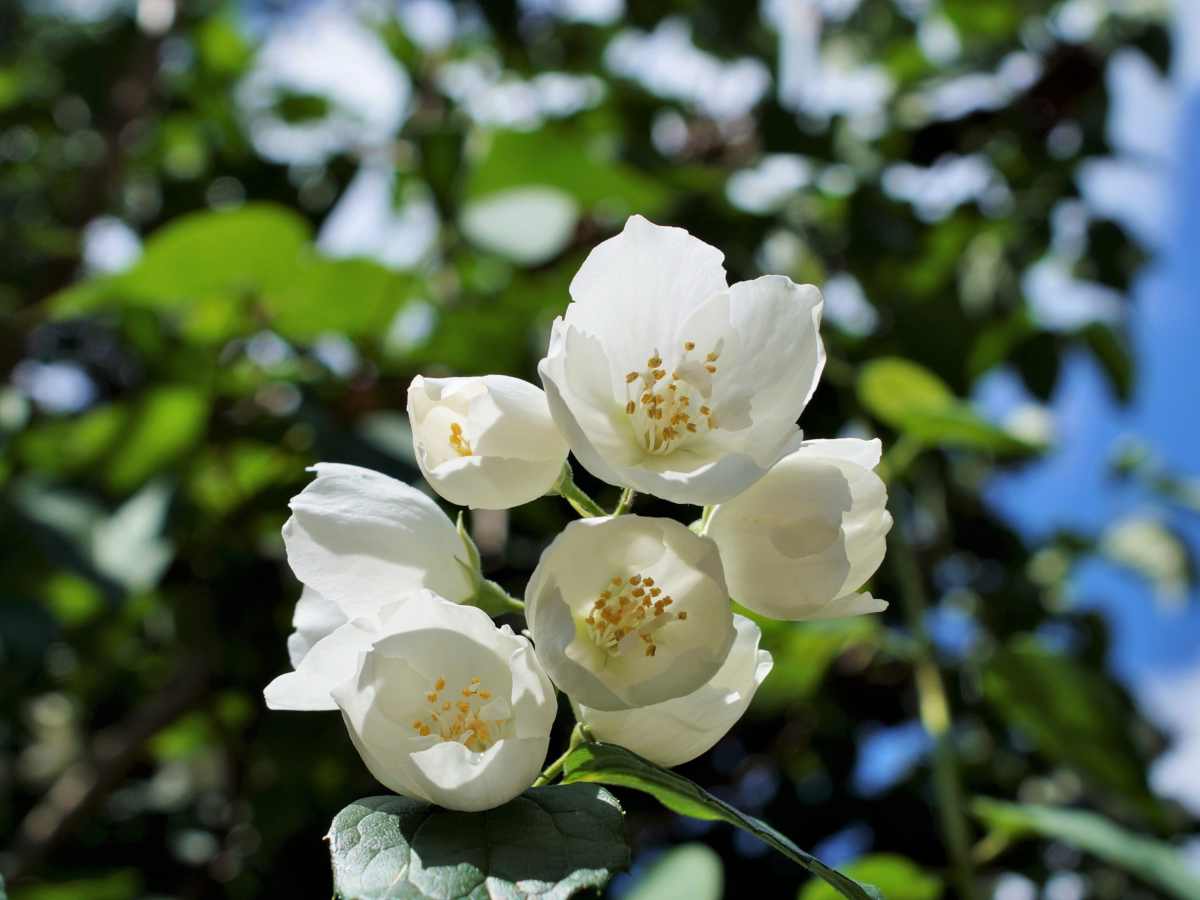
The mock orange shrub is a flowering shrub that produces an abundance of white flowers with golden stamens, releasing a delicious fragrance.
This poet’s jasmine isn’t fussy about soil type. Although it prefers fertile, humus-rich, well-drained soil, it also tolerates limestone, rocky, and dry soils.
The ten plants described above cover everything from low perennials to flowering shrubs. Use the table to match each one to the kind of limestone soil you actually have — poor and dry, or deep, rich and well-drained.
| Plant | Type | Soil it prefers | Ornamental feature |
|---|---|---|---|
| Acanthus (Acanthus mollis) | Perennial | Fertile, well-drained, permeable, dry, slightly limestone | Tall erect spikes of white and purple flowers over broad spiky foliage |
| Astrantia, masterwort | Mountain perennial | All soils; likes clayey-limestone, relatively fresh and fertile | Delicate summer bloom, silvery white to pink |
| Clustered bellflower (Campanula glomerata) | Perennial | The best bellflower for limestone soil | Delicate bells of blue, mauve or white |
| Mountain centaury (Centaurea montana) | Perennial | Limestone; best choice for poor, dry soil | Blue, violet or purple blooms |
| True lavender (Lavandula angustifolia) | Perennial bushy shrub | Poor, draining, slightly limestone | Blue-mauve floral spikes and the iconic scent of Provence |
| Lilac | Ornamental flowering shrub | All soils including limestone, if well-drained, deep and rich | Fragrant single or double flowers in white, violet, blue or magenta |
| Carnations | Perennials (many species and varieties) | Ordinary, well-drained (even dry), slightly limestone | Fragrant, colourful single or double flowers |
| Hollyhock | Perennial or annual | Many soils, but prefers rich, well-drained, limestone | Tall stems of colourful flowers with country charm |
| Sage (Salvia officinalis) | Sub-shrub | Well-draining, slightly limestone | Aromatic, greyish-green fuzzy foliage with medicinal properties |
| Mock orange | Flowering shrub | Prefers fertile, humus-rich, well-drained; tolerates limestone, rocky and dry | Abundant white flowers with golden stamens and a delicious fragrance |
Whichever you choose, good drainage is the one condition nearly all of these limestone lovers share.
Note: Most vegetables are limestone lovers.
→ Also explore: