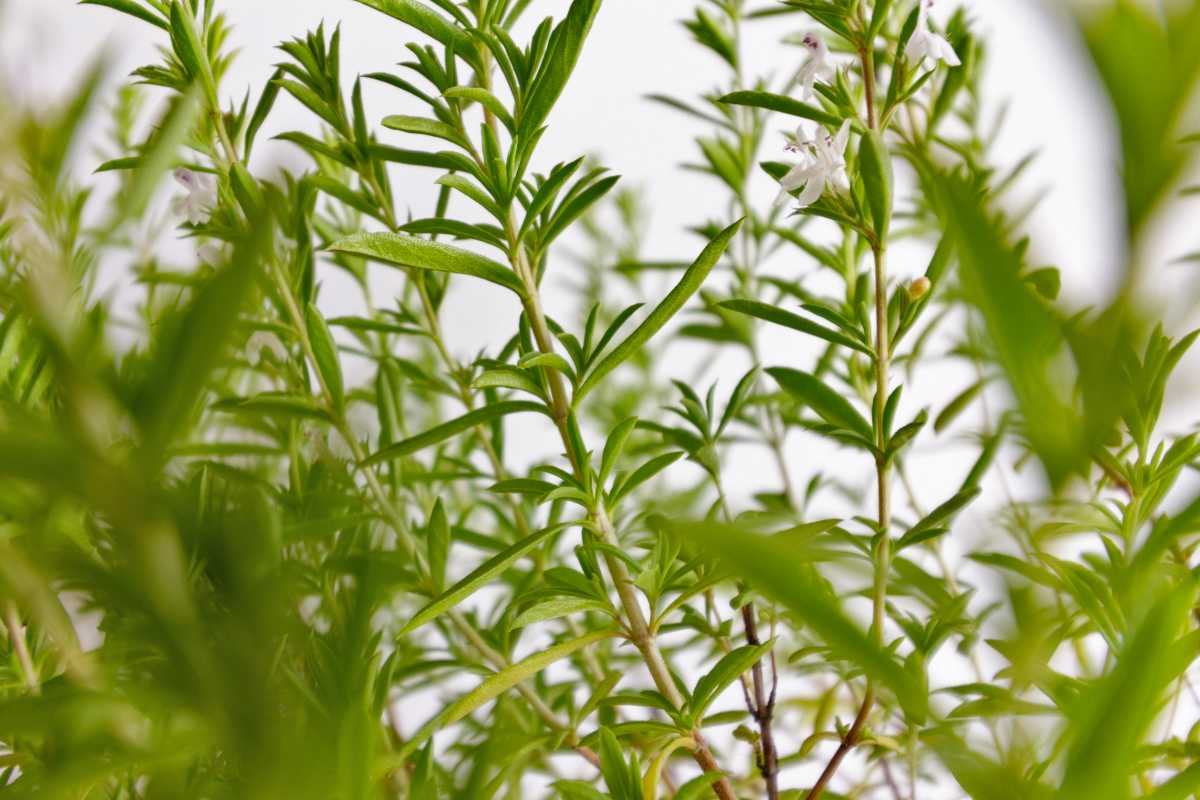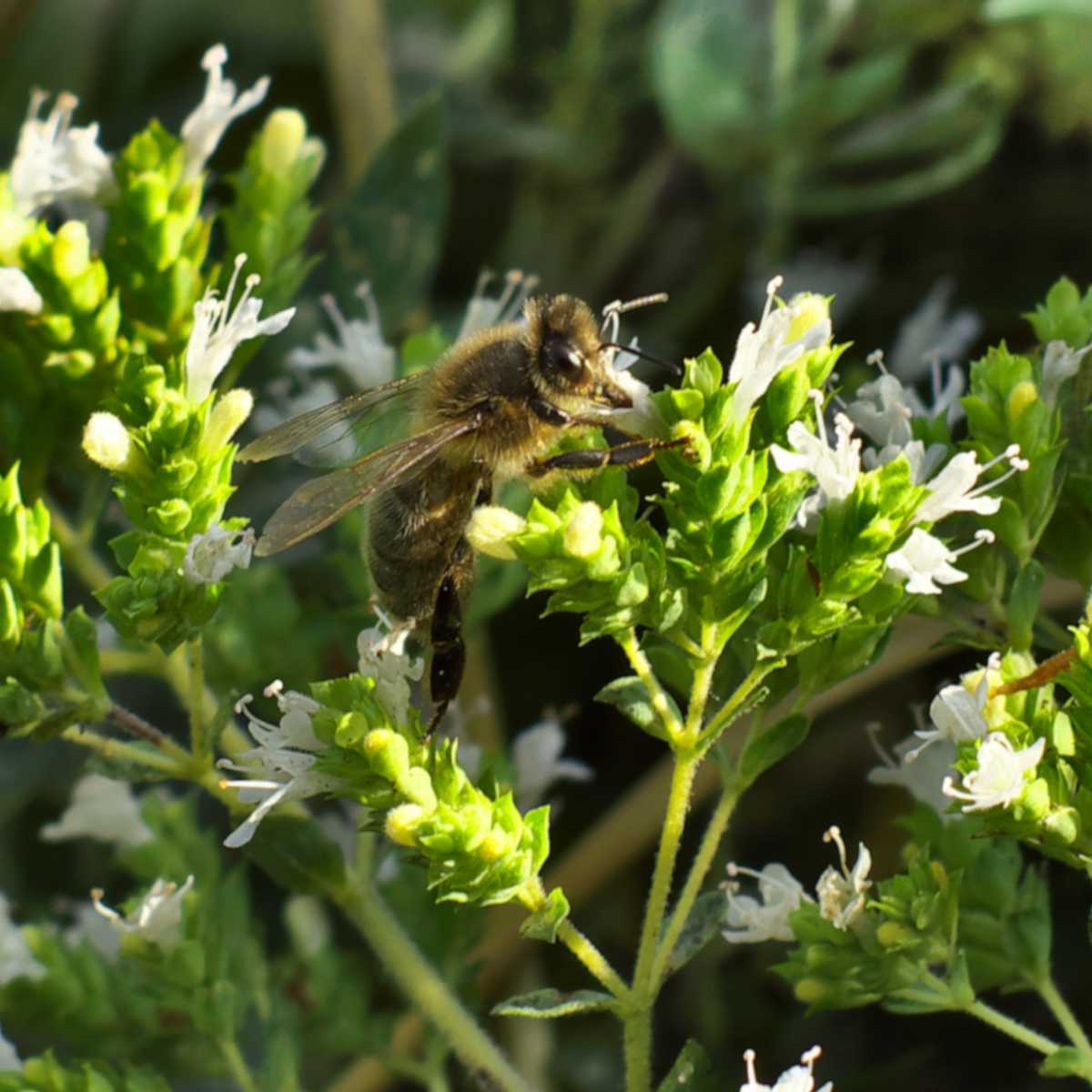
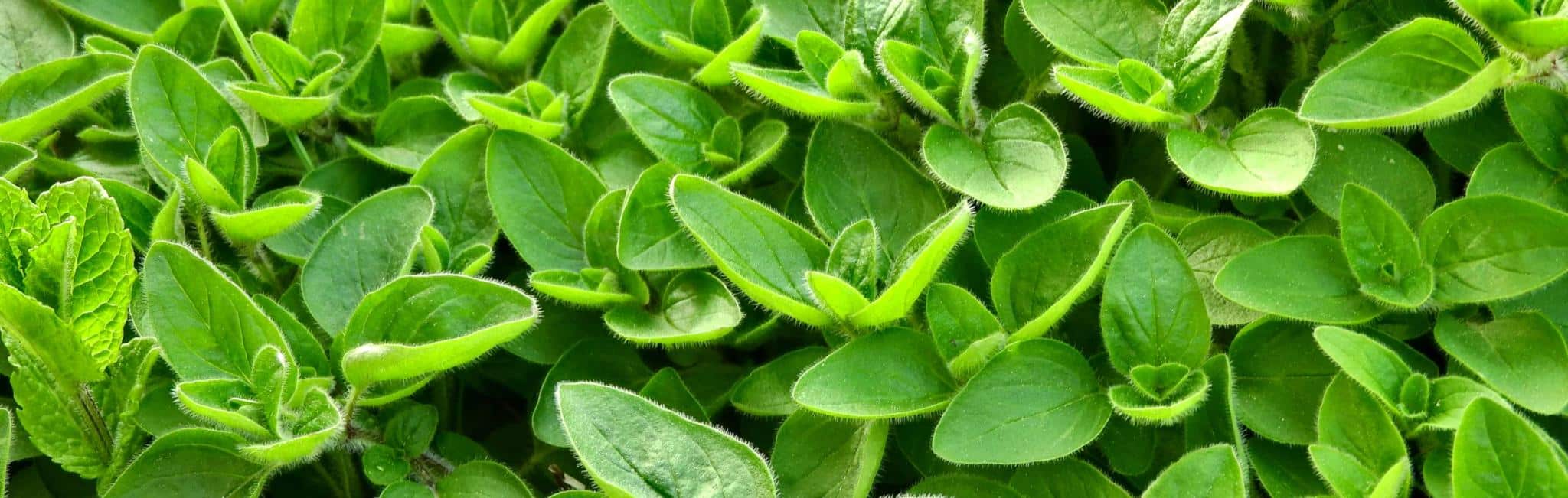
Small evergreen leaves on a clump 16 to 24 inches (40 to 60 cm) tall, flowering in summer: marjoram (Origanum majorana) is grown for its tasty leaves, used fresh or dried in gravies, marinades and on pizzas. Give it full sun and light, dry soil — it cannot cope with being cold and wet — and you can pick from May to November.
| Name | Origanum majorana and vulgare |
|---|---|
| Family | Lamiaceae |
| Type | herbs and spices, perennial |
| Height | 16 to 24 inches (40 to 60 cm) |
| Exposure | full sun |
| Soil | ordinary and light |
| Foliage | evergreen |
| Flowering | summer |
| Harvest | May to November |
Sowing marjoram normally takes place at the very beginning of spring, towards March, in a sheltered place. You can transplant them in the ground at the end of the feasts of the Ice Saints, in the middle of May.
It is also possible to sow directly in the plot, either in the ground or in a garden box for herbs and spices, but wait for the middle of May to avoid late frosts.
Whichever is practiced, thin to 4 inches (10 cm) to let the most vigorous young plants develop well.
Grown as a spice, marjoram is appreciated for its very tasty leaves.
They are used both fresh and dried. They are often mixed with other herbs to multiply flavors and pleasures.
Pick your marjoram leaves when you need them.
If possible, pick them in the morning: that is when they are most savory and your harvest will retain more of the aromas.
The two Origanum species used in the kitchen do not taste the same, and one relative is grown purely for show. Here is what each one is worth on the plate or in the border.
| Plant | Flavour or interest | Best used for |
|---|---|---|
| Marjoram (Origanum majorana) | Delicate but strong-tasting, very fragrant leaves | Dishes with gravy, marinades and pizzas once dried |
| Oregano (Origanum vulgare) | Less tasty than marjoram, coarser flavour | General seasoning, mixed with other herbs |
| Thyme | Comparable to marjoram’s delicate taste | Blending with marjoram to multiply flavours |
| Kent Beauty oregano (Origanum rotundifolium) | Hop-like bracts, ornamental rather than culinary | Edges, pots and garden boxes for display |
Marjoram earns its place in the vegetable patch, while Kent Beauty belongs with the ornamentals.
Marjoram doesn’t like it when winter cold and moisture meet, so it is best to plant it on a small mound.
It isn’t all that hardy, and that is why even though it is a perennial, marjoram is grown as an annual.
Very tasty, marjoram is particularly well suited to dishes with gravy, and also marinades and pizzas when it is dried.
Oregano, from which the second name of marjoram derives, is less tasty than marjoram.
From a health point of view, marjoram seems to have antiseptic properties, can treat anxiety disorders, as well as sleeping or respiratory disorders.
Its evergreen leaves make marjoram a perfect vegetable patch herb. You can also use marjoram along edges and in pots and garden boxes.
One ornamental relative deserves a place of its own: Origanum rotundifolium, the Kent Beauty oregano, grown for its hop-like bracts rather than for the kitchen.
Credits for images shared to Nature & Garden (all edits by Gaspard Lorthiois):
Marjoram with bee by Fablegros under Pixabay license
Marjoram leaves by Markéta Machová under Pixabay license