Herbs and spices, everything there is to know about them
·
0
A leaf of chives snipped over a lettuce salad, mint beside strawberries, basil chopped onto a freshly picked tomato: herbs and spices take up very little space and repay you daily. Give them at least some light and sun, with part shade through the hottest hours, and they grow quickly.
It is truly enjoyable to snip a leaf of your very own chives to flavor a lettuce salad, your own mint to pair with strawberries and your own basil to chop onto freshly-picked tomato… isn’t it?
Growing herbs and spices is actually very easy.
This requires only very little space, and the daily joy you get out of it is guaranteed!
Where to grow herbs and spices
More or less anywhere, as long as there is a at least some light and sun during the day.
Be careful, don’t put all the plants under full sun exposure, it could damage the plant.
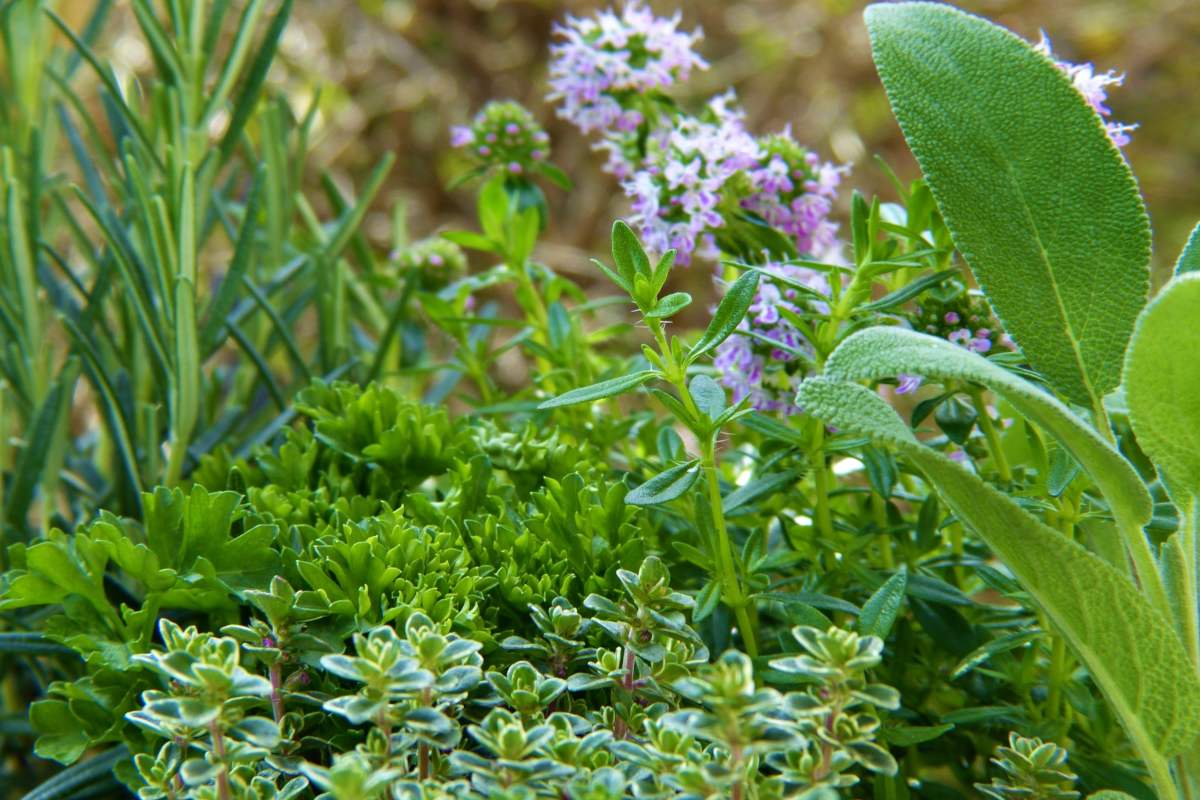
Best is to chose a spot that is under part shade during the hottest hours of the day, except for plants like rosemary, thyme and basil. Those can take full sun.
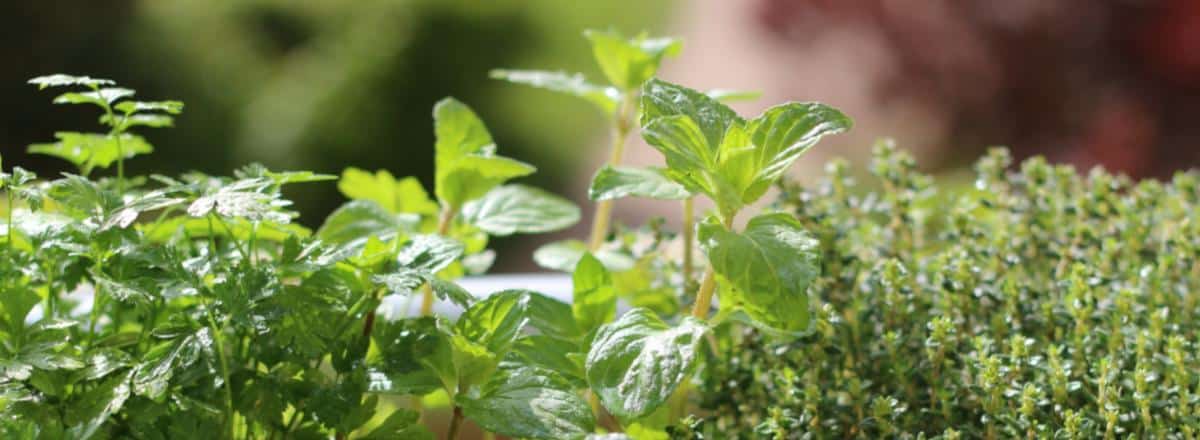
Grow mint in a pot of its own, since its underground runners will swamp any herb planted beside it.
If the box is a herb planter, siting it within a few steps of the kitchen door shortens the trip while cooking, a placement gardening guides commonly recommend for frequently picked crops.
When to plant herbs and spices
In horticulture stores they can be found almost all year round, potted and ready to be grown indoors, but for an outdoor balcony or terrace, wait for the mid-spring or the late spring to bring them outside.
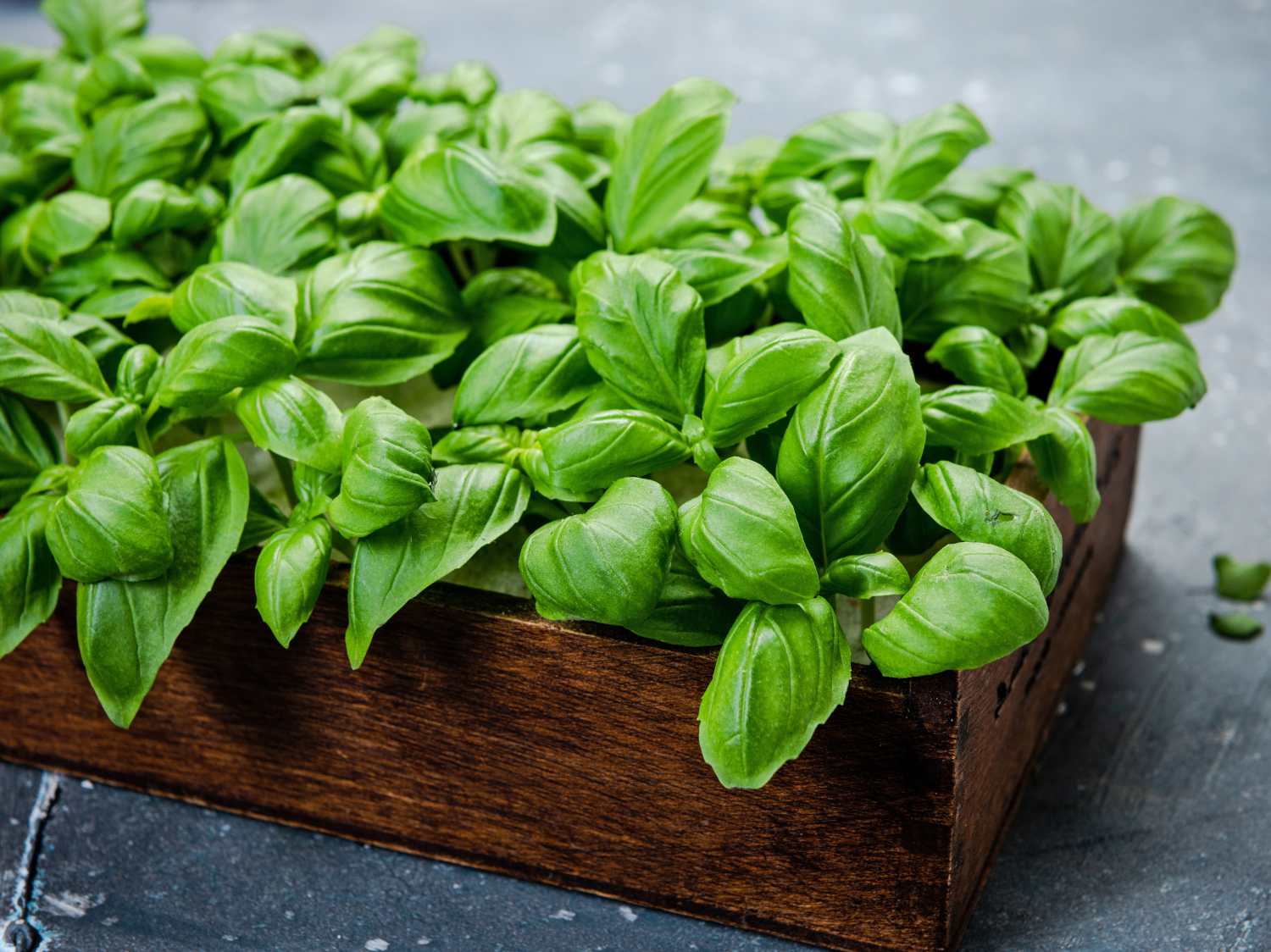
Basil is usually among the first garden herbs to succumb in autumn: its leaves suffer below about 10°C (50°F), and a single light frost can kill the plant outright.
Hardy perennials such as thyme, sage, chives and mint shrug off a light frost and can take their place outdoors well before the tender herbs.
Before leaving plants out overnight, stand them in a sheltered corner for a few hours a day over about a week, so leaves grown indoors do not scorch in open sun.
How to care for herbs and spices
Herbs and spices grow quickly as long as you follow a few simple rules.
If you must repot, choose all-purpose, green plant or herb plant soil mix.
If you’ve planted directly in the ground, amend the soil with special herb fertilizer.
Water the plants as soon as the surface of the soil feels dry to the touch, to keep the soil moist.
Some you should keep from going to seed, like parsley and coriander. Others you can let bloom and even eat the flowers, like chives!
Named cultivars of woody herbs such as rosemary, thyme and sage are usually propagated from cuttings, which reproduce the parent exactly, though common thyme and sage are also grown readily from seed.
Basil roots in a glass of water on the windowsill.
Lift and split an established clump of chives into several fist-sized pieces, replanting each at the depth it grew before.
Are there recommended companion pairings?
Not really, it mostly depends on what herbs and spices you like most.
But it is simpler to gather in the same garden box plants that have the same needs in water.
Mint is best grown in its own pot, because its spreading rhizomes and runners can crowd out neighbouring herbs in a shared container, often within a season or two.
Sun, flowers and uses: the herbs named in this guide
The article treats most herbs the same way, but a few need handling of their own. This table gathers what it says about each one, so you can decide where to stand the pot and whether to let the plant bloom.
Sun, flowers and uses: the herbs named in this guide
Herb
Sun exposure
Flowering and use
Rosemary
Takes full sun
Grouped with thyme and basil as a sun-lover
Thyme
Takes full sun
Slipped between cabbage and broccoli against caterpillars
Basil
Takes full sun
Chopped onto freshly picked tomato
Parsley
Part shade during the hottest hours
Keep it from going to seed
Coriander
Part shade during the hottest hours
Keep it from going to seed
Chives
Part shade during the hottest hours
Let it bloom, the flowers can be eaten
Sage
Part shade during the hottest hours
Planted among brassicas for its pest-repellent effect
Whatever the mix, gather in one garden box the plants that share the same needs in water.
Keeping herbs and spices
The best way of effectively keeping herbs and spices is to freeze them.
For that, use a small glass jar like the ones used for jam.
Drying tends to alter the taste of herbs, whereas freezing keeps them fresh and tasty for a long time.
Freezing keeps herbs fresh and tasty for months
So recycle your old jam and jelly pots, chop up your herbs, shut the lid and stow away in the freezer. Since the jar is airtight, the plants won’t dehydrate. Modern freezer indeed prevent ice build-up by drying the air in them out.
They will be good for use for several months, which means that the winter period won’t find you lacking in fresh herbs.
Written by Gaspard Lorthiois | Loves helping out, especially when it comes to growing things. Worked in herbal medicine, runs a farm, and dabbles in tech. Master's degree and engineer.