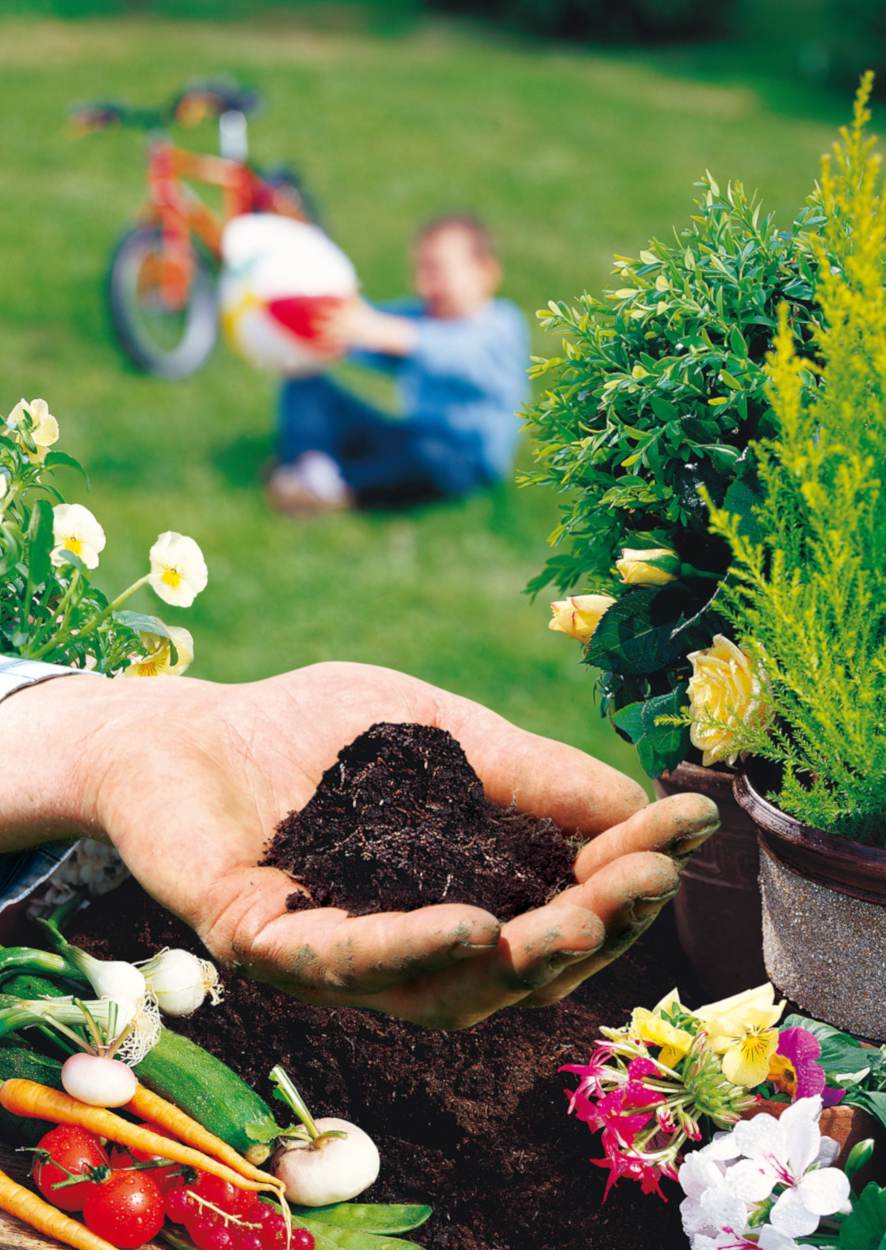
Composted bark and manure, peat and the renewable fibres replacing it: soil mix is the growth substrate that feeds roots, holds moisture and leaves air space between clumps. Match it to the plant — heath for heather, specific mixes for bonsai, cactus or orchids — and plants reveal the best of what they can be.
There are so many types of soil mixes, each with various quality grades, how should you go about it?
Plants all have different needs as regards their inputs, and the substrate they grow in also counts among the differences that make each unique in terms of cultivation.
Soil mix is a general term. Many different “recipes” and “properties” are included in this wording. Some ingredients stand out which are often part of soil mix.
There’s brown peat, blond peat, compost made from various plant sources, perlite is added for sowing and cutting soil mix, or mud dredged from the bottom of marshes as a renewable resource.
Compositions vary from one manufacturer to the next, and quality varies accordingly.
Since peat isn’t a renewable resource (natural production cycles are thousands of years long), new materials are being developed such as Hortifibre or Brière black soil.
Properties of these new materials are similar to those of peat but they are made from renewable resources.
When you choose these, you’re doing your part in protecting the environment.
Mulch is something different entirely. It’s a layer atop soil mix that insulates it from heat and dry air. For instance, there is plant mulch, mineral mulch, nutritious ramial wood chips and more.
Advantages of soil mix for planting
Soil mix supplies the nutrients potted plants need
Most plants can grow without soil mix, but making quality growth substrate available to them helps the grow and develop in ideal growth conditions, so they can reveal the best of what they can be.
Thanks to its nutritious content, soil mix gives plants the nutrients they need.
Compost from various plant sources such as bark or manure is also part of any good soil mix. It acts as true “boosters” for plants.
Soil mix manufacturers often add organic fertilizers to the mix to increase and extend this effect.
High water retention is a hallmark property, leading to sustained adequate moisture levels in the soil. Moisture helps carry over minerals that plants need to grow.
Finally, soil mix structure provides better aeration around the roots. Space between clumps helps roots spread for anchorage and allows for gaseous exchanges with the root system.
Which soil mix to use: all-purpose, geranium, orchid, etc?
There are so many types of soil mix that it is sometimes bewildering to stroll around the aisles of horticulture stores, nurseries or supermarkets.
Truth be said, even though each soil mix does boast specific variations, the main culprit is marketing spin that tries to match each plant with its own soil mix.
The specific variations that each product boasts can’t justify the incredible amount of referenced products.
However, some major plant families do have significantly different needs in terms of soil mix.
Mainly, these are heath plants, flower plants and geraniums, trees shrubs and rose trees, bonsai, indoor plants, Mediterranean plants, etc.
Composition and use of all-purpose soil mix
Well, sad to say, all-purpose soil mixes aren’t so versatile.
They are usually prepared from composted matter such as pine bark.
They are great for planting trees and shrubs, but are not at all suited to potted flower plants or heather plants. Heather plants require heath.
Backfill with the unamended native soil you dug from the hole, since current horticultural guidance holds that roots establish better moving straight into surrounding ground than circling inside an enriched pocket.
Before planting, pre-moisten the potting mix, adding water gradually and mixing until it is evenly damp throughout, because bark- and especially peat-based mixes repel water once they have dried out.
Well-composted material smells earthy and dark; pale, fresh-looking wood chips suggest incomplete composting, which can temporarily tie up nitrogen, though deliberately coarse bark in drainage-oriented mixes is perfectly normal.
Trust level for various soil mixes
Generally, soil mix is trustworthy.
“All-purpose” and “planting” soil mixes are fine for planting trees, shrubs, flower plants and rose trees but repotting or certain plants such as bonsai, cactus or orchids needs specific soil mix.
There are also many subcategories of soil mixes for Mediterranean plants, olive trees, palm trees, vegetable garden boxes, etc… Their differences are often not worth noting, but they will all usually have a positive impact on your plants.
If the mix feels bone dry, moisten it before potting, because dried peat becomes strongly water-repellent and tends to shed water rather than absorb it, leaving pockets that stay stubbornly dry.
Which soil mix for which planting job
Behind the crowded shelves, only a handful of real differences matter. This table sums up what the article says each kind of mix is actually good for.
Which soil mix for which planting job
Type of soil mix
What it suits
Worth knowing
All-purpose or “planting” mix
Planting trees, shrubs and rose trees
Not suited to potted flower plants or heather plants
Heath (heather) mix
Heath plants and heather plants
One of the few families with genuinely different needs
Differences often not worth noting, but still beneficial
In short, a good general mix covers most planting, and only a few plant groups justify buying something special.
Best season to use soil mix
Use of soil mix depends on the plants and their needs. Depending on the blooming season, and/or the dormant state, it makes sense to know when to use soil mix for the best impact.
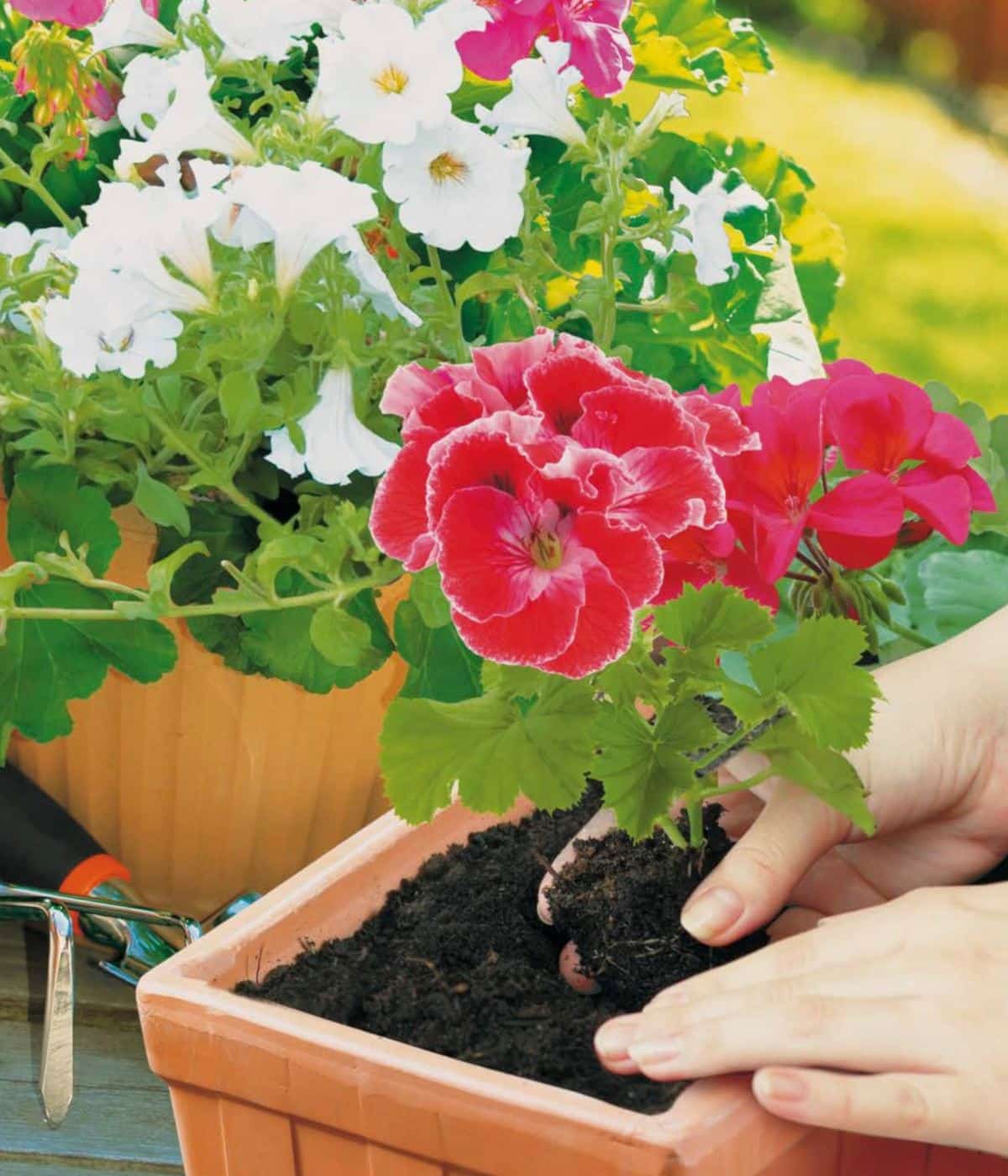
Soil mix is used when you repot your indoor and outdoor potted plants, whether in pots or garden boxes.
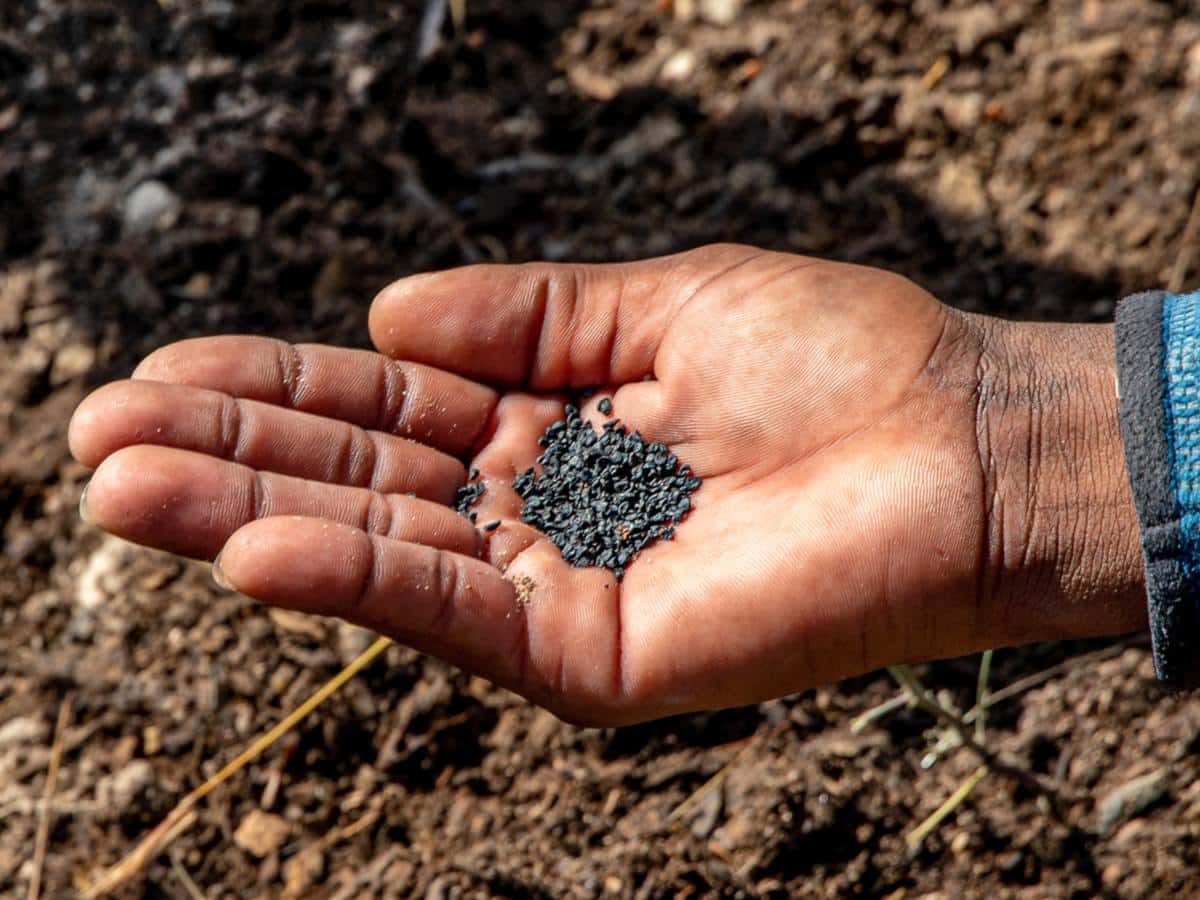
It is also used when you prepare your seedlings or cuttings for flowers or vegetables.
Finally, soil mix serves to topdress your plants or lawn.
Its is a great way to keep your plantations and lawn in good shape.
Credits for images shared toNature&Garden(all edits by Gaspard Lorthiois):
Wicker basket soil mix (also on social media) by Rosalyn & Gaspard Lorthiois, own work
Written by Gaspard Lorthiois | Loves helping out, especially when it comes to growing things. Worked in herbal medicine, runs a farm, and dabbles in tech. Master's degree and engineer.