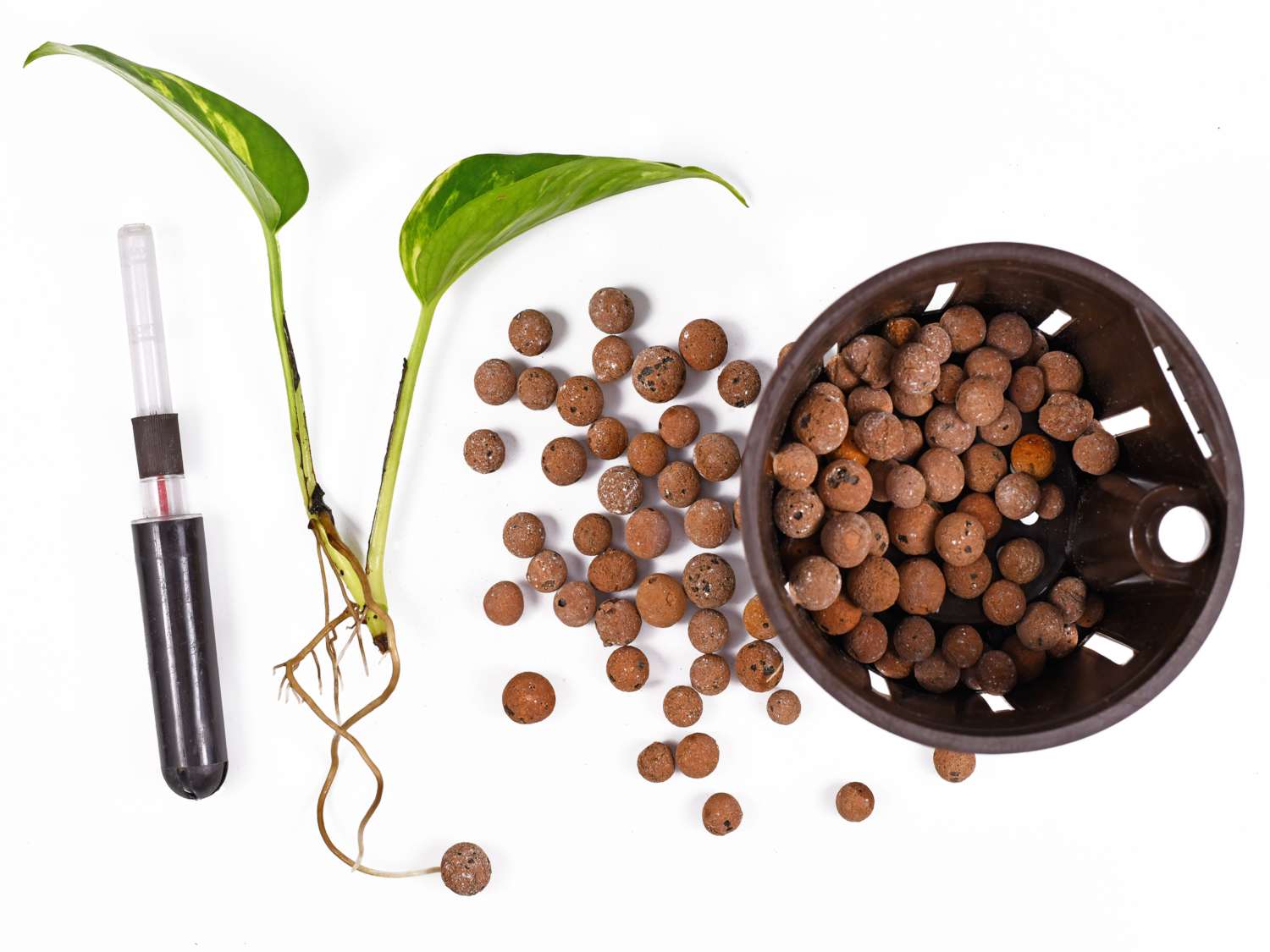
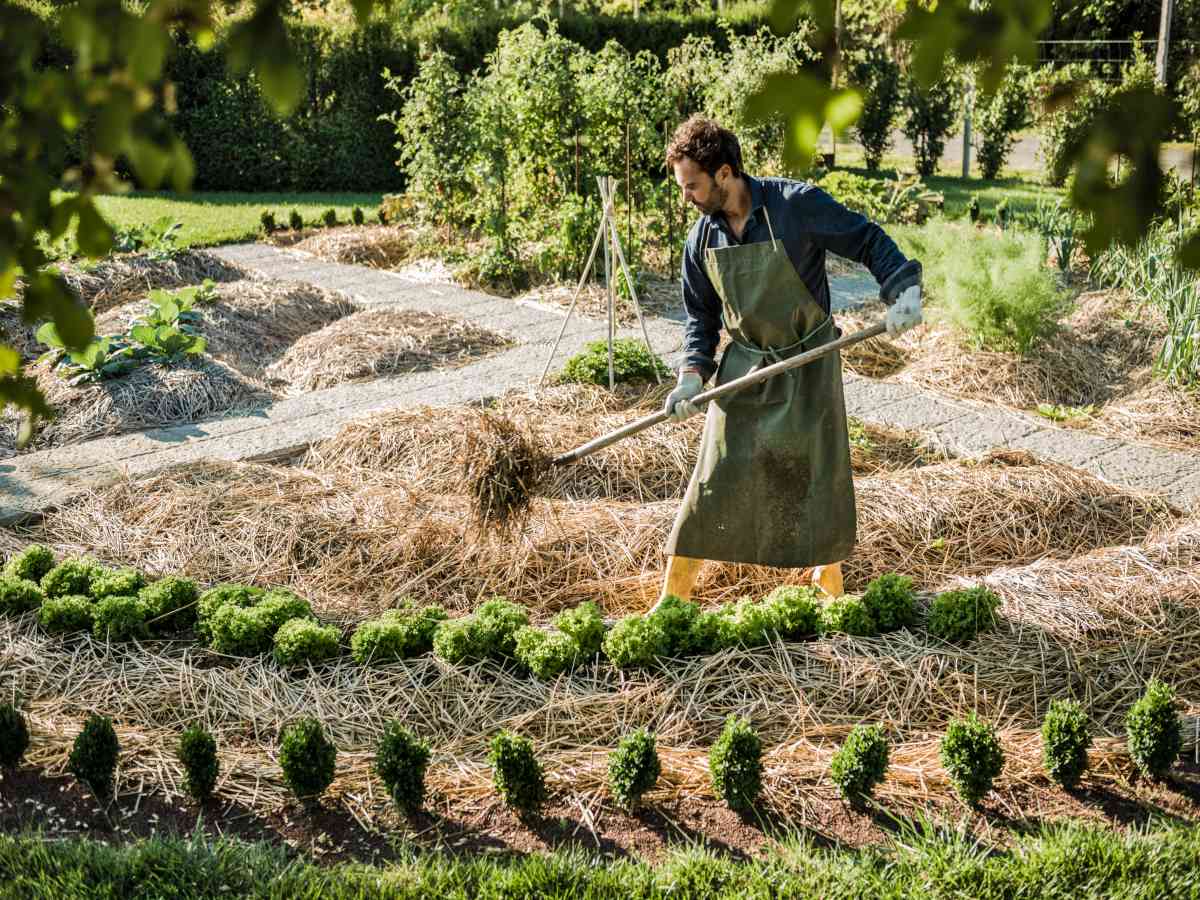
Shale, pozzolana, clay pebbles or slate, spread two to four inches deep around rocks, conifers and potted plants: mineral mulch is an ornamental cover of 100% natural origin that hinders weeds and slows summer evaporation. Lay it about two inches thick and every one of those benefits follows.
This trendy product is also an amazing answer to the problems of weeds and water needs.
DIY-stores all over the country also have such products for sale. Lastly, if you like recycling, lots of material can be found at eco-treatment centers and dumpsites.
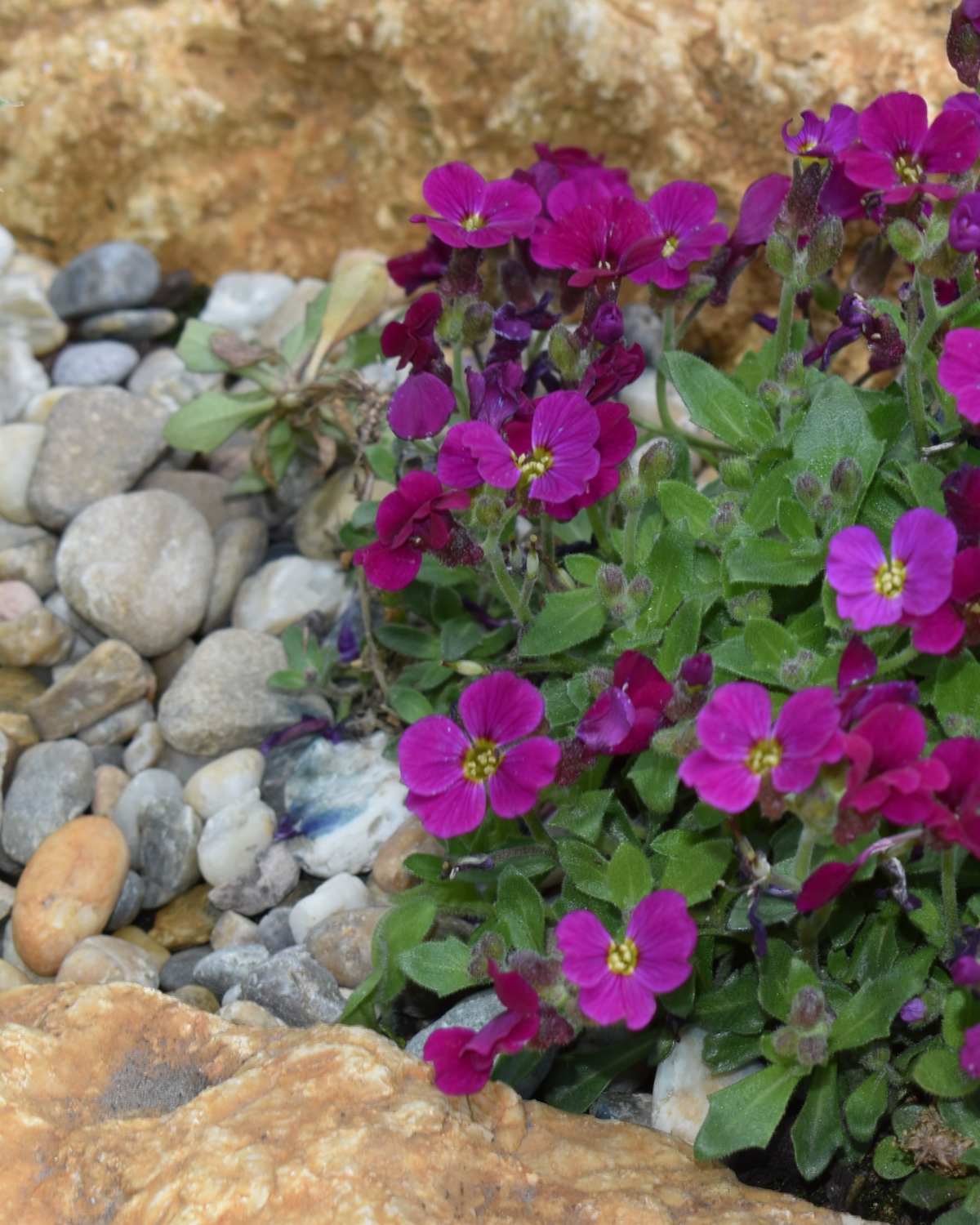
It is well suited for a variety of flower bed types: trees, shrubs, green plants or flowers, potted plants both indoors and outdoors.
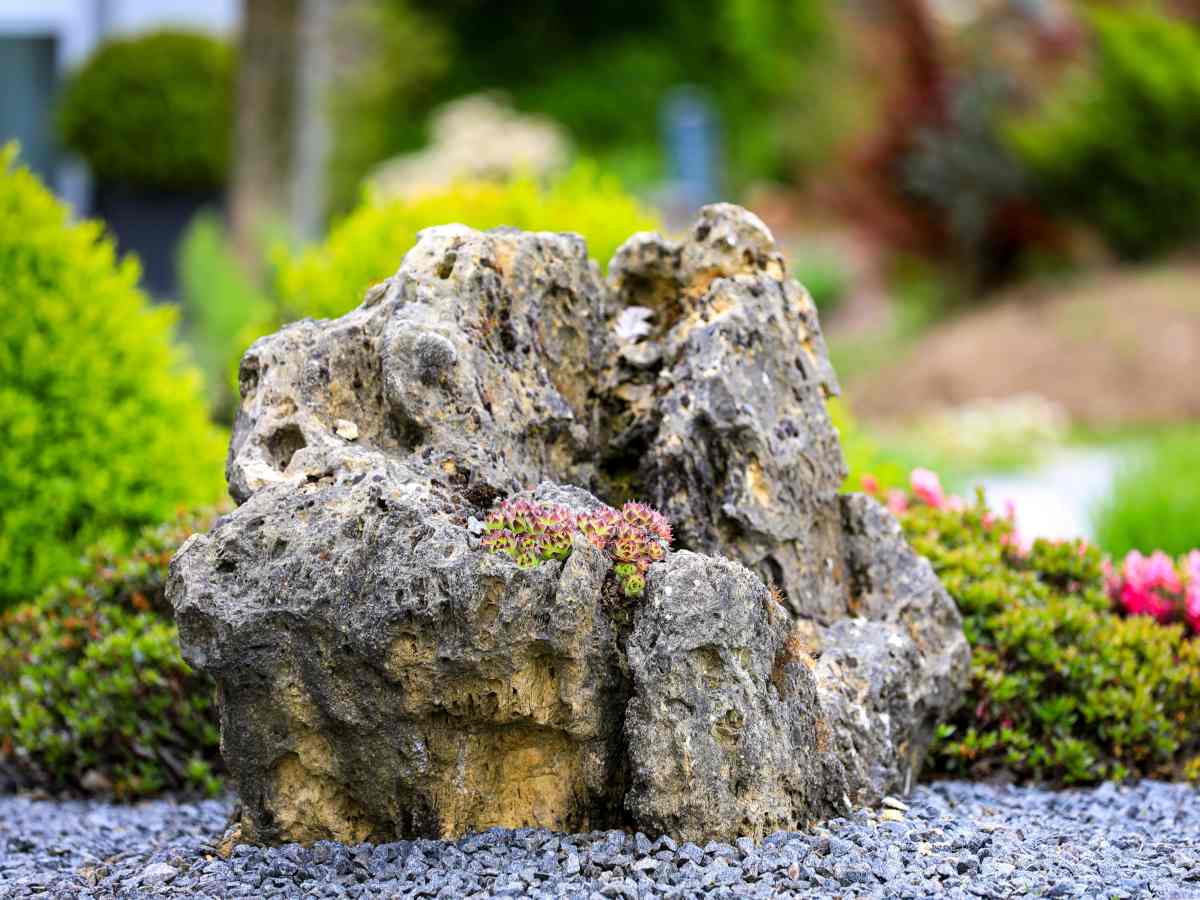
It’s particularly appealing spread around rocks, conifers, garden ornaments and to match the color of the floor on your decks and terraces.
If you’ve got wrought iron ornaments, mineral mulch will help it stand out and keep weeds away.
Which mineral mulch for which situation?
Horticulture stores carry several types of mineral mulch, and each one suits a slightly different bed or container. Here is what the main options are recommended for.
Which mineral mulch for which situation?
Material
Best suited to
Where it works
Shale mulch
General garden use
Garden beds and pots
Pozzolana mulch
Heavy soil
Gardens needing a light mulch
Clay pebble mulch
Light soil
Beds and potted plants
Slate mulch
Decorative cover
Garden beds and containers
Whichever you choose, the same spreading depth and the same benefits apply.
Lay a permeable geotextile under stone in garden beds to limit sinking and stone-soil mixing, which makes later removal easier, though windblown soil and organic debris will still collect among the stones.
Advantages of mineral mulch
Mineral mulch cuts summer evaporation and reduces watering
100% natural origin
Durable ornament and unlimited lifespan
Neutral pH
Reduces water evaporation in summer and thus reduces watering
Hinders weed growth
Protects against winter freezing
Because stone mulch weathers too slowly to release meaningful nutrients on a gardening timescale, spread compost or a slow-release fertiliser over the bed before laying the stone.
Stone will not burn, so it is a sensible cover along house walls and fences.
What not to use as mineral mulch
Although these might appear to do the trick, we don’t recommend using :
seashells such as oysters, clams and the like, because their sharp edges might cut your fingers as you plant in and around them.
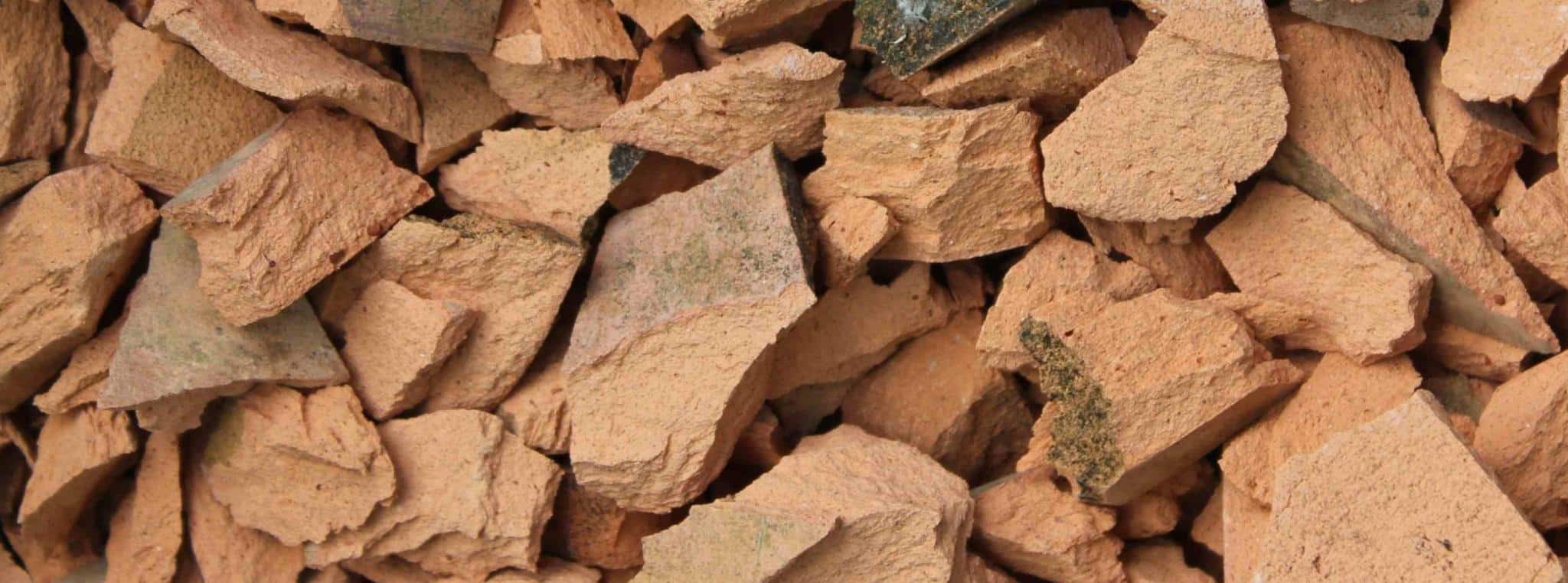
broken ceramic shards. Their colors might be appealing, but those edges are also razor sharp.
However, it makes sense to experiment with whatever else you might have on hand:
gravel,
pottery,
terra-cotta…
If sourced locally, you might have enough to cover your flower beds with it!
Crushed limestone and marble chippings release lime as they weather, so keep them off beds holding camellias, rhododendrons or heathers.
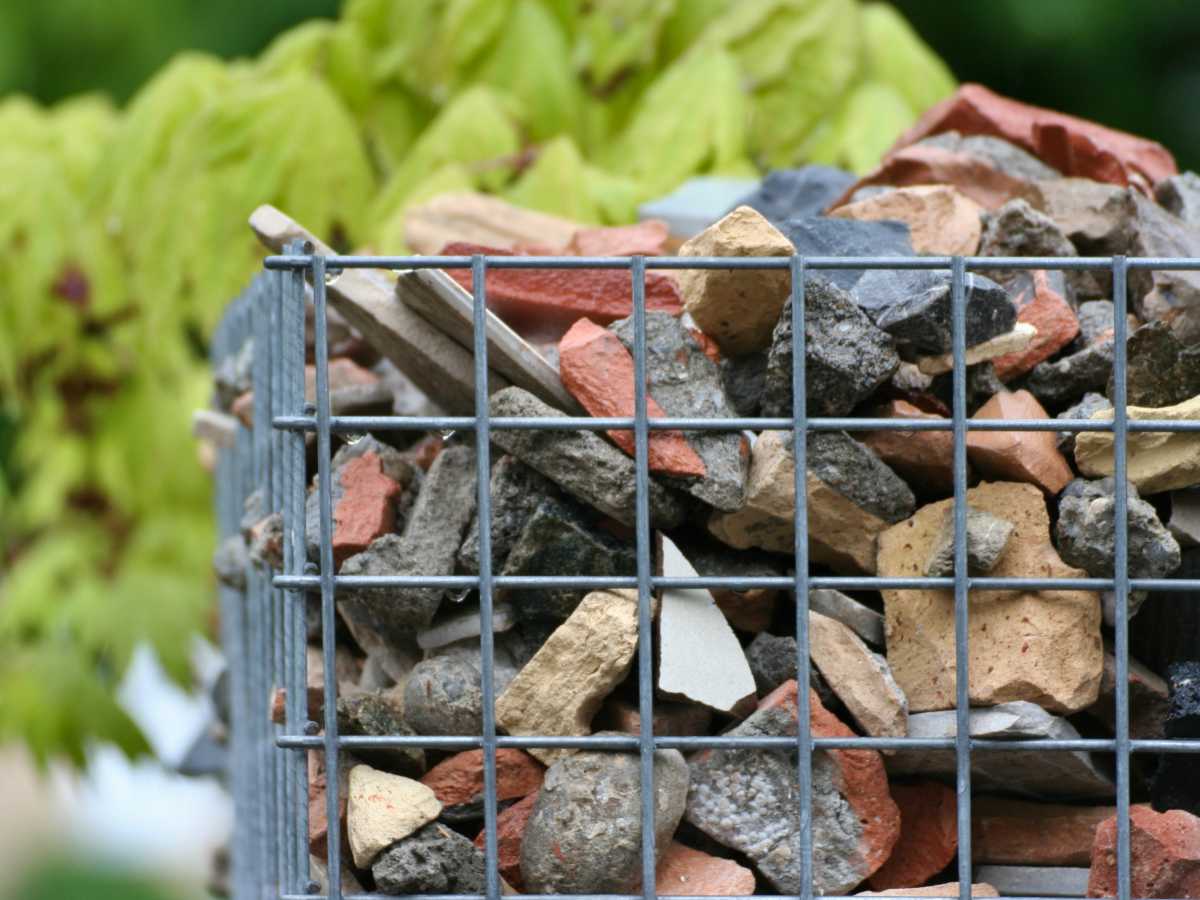
Concrete and mortar rubble should be kept out of compost heaps and garden beds, since it will not break down and its lime content can raise soil pH.
Think twice before using pebbles gathered from the beach: they may hold some salt residue, and removing them is prohibited in certain places, such as under the UK’s Coast Protection Act 1949.
Rinsing dust and fines off recycled gravel before spreading is worth the effort, since fines from crushed concrete can bind together and noticeably reduce how readily water soaks through the surface.
Recycle your mineral mulch
Pottery and terra-cotta on hand make usable mulch
Has your mineral mulch been smothered in leaves and organic debris? You can recover it quite simply with a little effort:
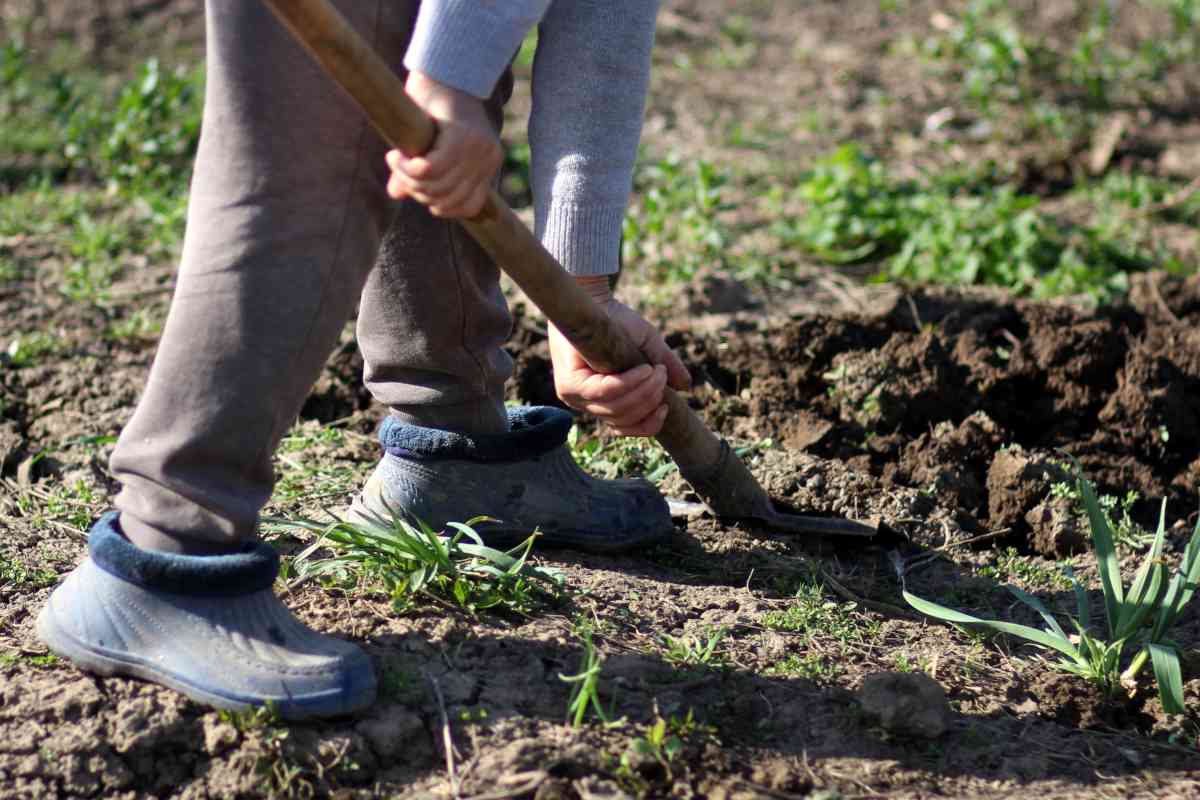
Just dig the soil up where the mulch was, mulch and all.
pile it over a mesh-wire covered frame like chicken wire or weld mesh, depending on the size of the mulch gravel.
sift the dirt through manually (optional time-saving step)
let rainfall wash the grime away to recover your mulch, ready to use!