A bamboo mat laid over vulnerable leafage, a slanted shingle propped on a stake, shredded hedge prunings spread round the roses: winter protection costs little more than the green waste the garden already hands you. Keep the covering dry and airy rather than airtight, and tender plants come through the frosts unharmed.
Recycle your green waste to cover your hardy plants. As for the more vulnerable ones, be creative!
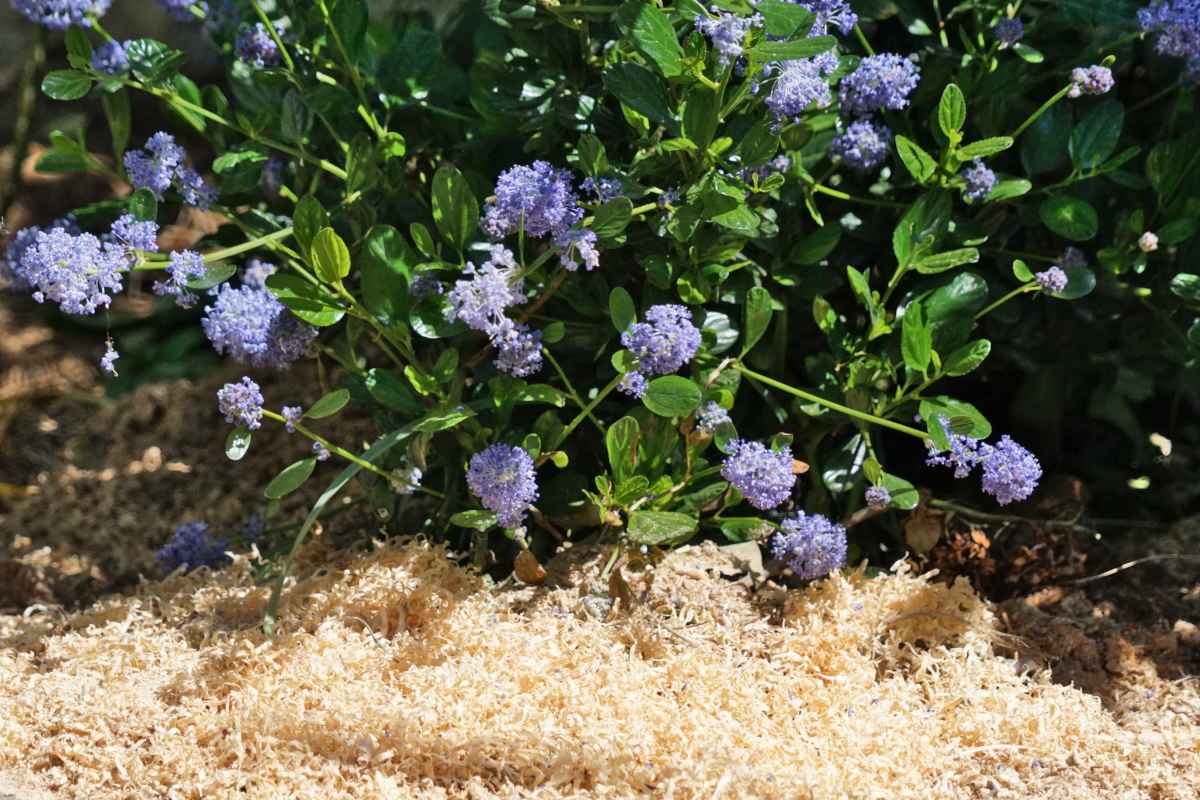
Any type of dried leaves are fine to make mulch, but some species are better than others. Tender leaves from fruit trees, field shrubs and horticultural shrubs (forsythia, meadowsweet, hydrangea…) are quick to break down into dirt. Keep those for short-term mulch (4 to 6 months). You can spread them on dahlia beds and on the vegetable patch to protect your winter vegetables like cabbage or leek. Also use a 4 inch (10 cm) layer of garden trimmings.
Keep the thicker, more leathery leaves from trees – such as plane trees, chestnut, bay laurel or common laurel – pour perennial plants like flowers and ornamental hedge shrubs. For ease of use, shred them in a shredder.
Not every pile of prunings and fallen leaves does the same job. The table below sorts the free materials the garden gives you in early autumn by what they suit and how to lay them down.
| Material | Best used on | How to use it |
|---|---|---|
| Tender leaves from fruit trees, field shrubs and horticultural shrubs | Dahlia beds and winter vegetables such as cabbage or leek | Short-term mulch only, roughly 4 to 6 months, as it rots down fast |
| Thick, leathery tree leaves (plane, chestnut, bay laurel, common laurel) | Perennial flowers and ornamental hedge shrubs | Shred them first for ease of use; they last far longer |
| Garden trimmings | Beds and the vegetable patch | Spread as a 4 inch (10 cm) layer |
| Shredded hedge and fruit tree prunings | Rose trees, hydrangeas and perennials | Run them through a shredder, then spread; scab-suspect shreds go to the vegetable patch |
Whatever the material, the aim is the same: keep the soil covered and the crown of the plant dry until the frosts pass.
Retain the worth of your hedge or fruit tree trimmings by shredding them to use them as mulch for your rose trees, hydrangeas and perennials.
If your trees were infected with apple scab, rest assured that there will be no more risk of propagation in spring, after leaves have been broken down and buried into the soil by earthworms. But if in doubt, might as well spread these shreds around the vegetables in the vegetable patch: they aren’t vulnerable to scab.
A simple roofing made from a bamboo mat atop plants with vulnerable leafage is enough to protect them over winter without suffering. A slanted shingle, held in place with a pole or stake, can protect small plants from cold wind and white frost. Horticultural fleece will extend the blooming of your camellia without suffocating it.
As for your collection of exotic fruits, use thicker mats, pieces of carpets or dry straw matted along the trunk with a string to keep the plant warm. Set all your potted plants against a well exposed wall and protect them with bubble wrap. Better still, bring your geraniums and storksbills in a place that needs not be heated as long as it is dry and well ventilated.
M.-C. H.
Read also :