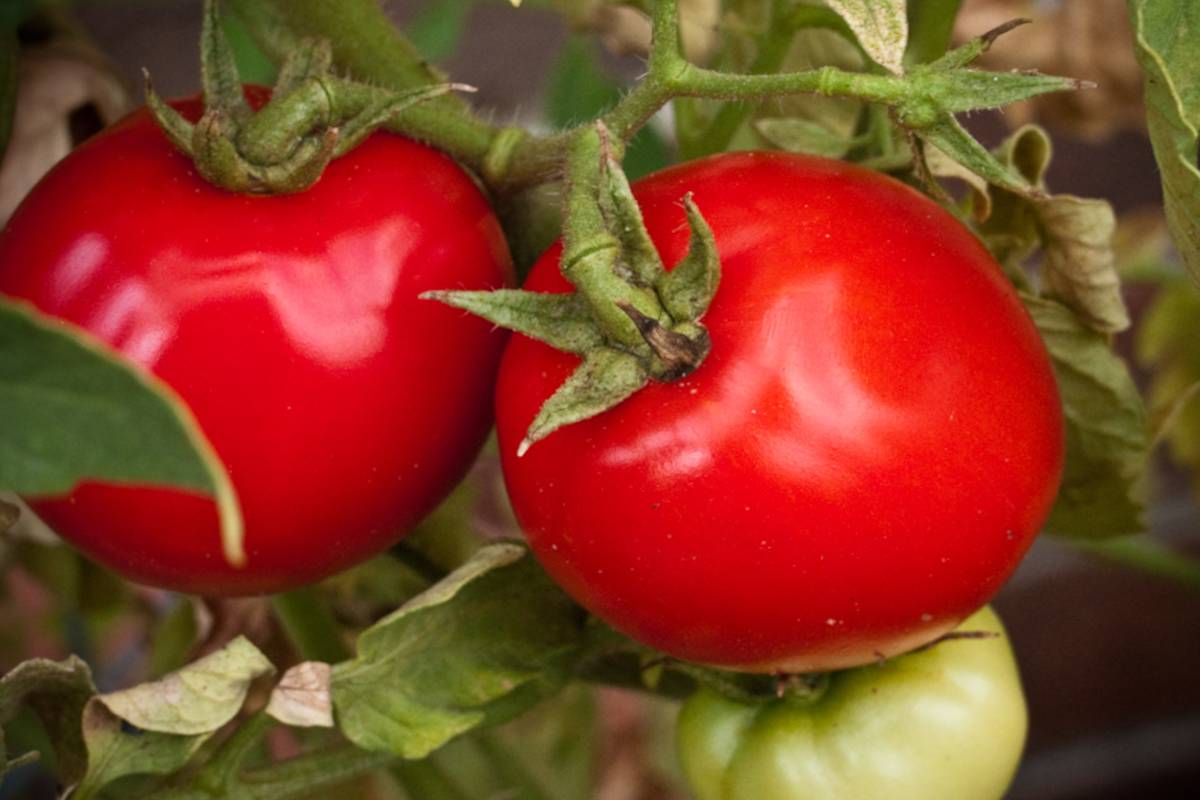
Bottles buried beside the tomatoes drip water down to the roots, an insect screen filters the scorching sun, and a saucer of water keeps thirsty birds from pecking the ripening fruit. Summer in the vegetable patch is a battle with heat, drought and downy mildew, and a good mulch of dried grass trimmings settles much of it.
In case of drought, set up a drip-irrigation system easily by burying bottles with holes drilled in them near tomato, eggplant and bell pepper plants.
If summer temperatures rise above 85°F (60°C), protect your tomato plants from the sun with an insect screen: air that is too hot tends to dry the fruit’s skin and hinders ripening of green fruits.
Set up saucers with water to avoid having thirsty birds peck at your tomatoes to drink.
Summer troubles in the vegetable patch, at a glance
Hot spells, wet spells and thirsty wildlife each leave their own mark on a summer vegetable bed. Here is what causes the main summer setbacks and the organic answer to each.
Summer troubles in the vegetable patch, at a glance
Summer trouble
What causes it
Organic response
Drought
Soil drying out around fruiting vegetables
Bury bottles with holes drilled in them near tomato, eggplant and bell pepper plants
Scorching heat
Air that is too hot dries the fruit’s skin and hinders ripening of green fruits
Shade tomato plants with an insect screen
Pecked tomatoes
Thirsty birds drinking from the ripening fruit
Set out saucers of water nearby
Downy mildew
Wet, cool weather while fruits are still green
Spray fermented horsetail tea, or treat with Bordeaux mixture; remove and burn infected parts
Growth slits
Rain falling after a lengthy dry season that restricted growth
Mulch the bed with dried grass trimmings or vegetable waste
Most of these come back to the same thing: keeping moisture and temperature as steady as you can.
Marinate 3.5 oz (100 g) of fresh horsetail in 1 quart (1 liter) cold water for 24 hours.
Boil for 20 minutes and cut the mixture in 20 quarts (20 liters) water before spraying on your plants.
Silica contained in horsetail will reinforce their natural defenses.
If the weather turns wet and cool, and that fruits are still green, treat with Bordeaux mixture.
Alternatively, you can also stretch plastic film above your plantation to protect it from rain.
If the fungus does appear, remove infected leaves and stems immediately and burn them.
Cut off tips of plants to stop new fruits from appearing, or the existing fruits won’t ripen quickly enough.
Much recommended Mulch
Growth slits follow rain after a long dry spell
Slits that appear on tomatoes as the harvest nears are called growth slits. They occur when rain falls after a lengthy dry season that restricted growth.
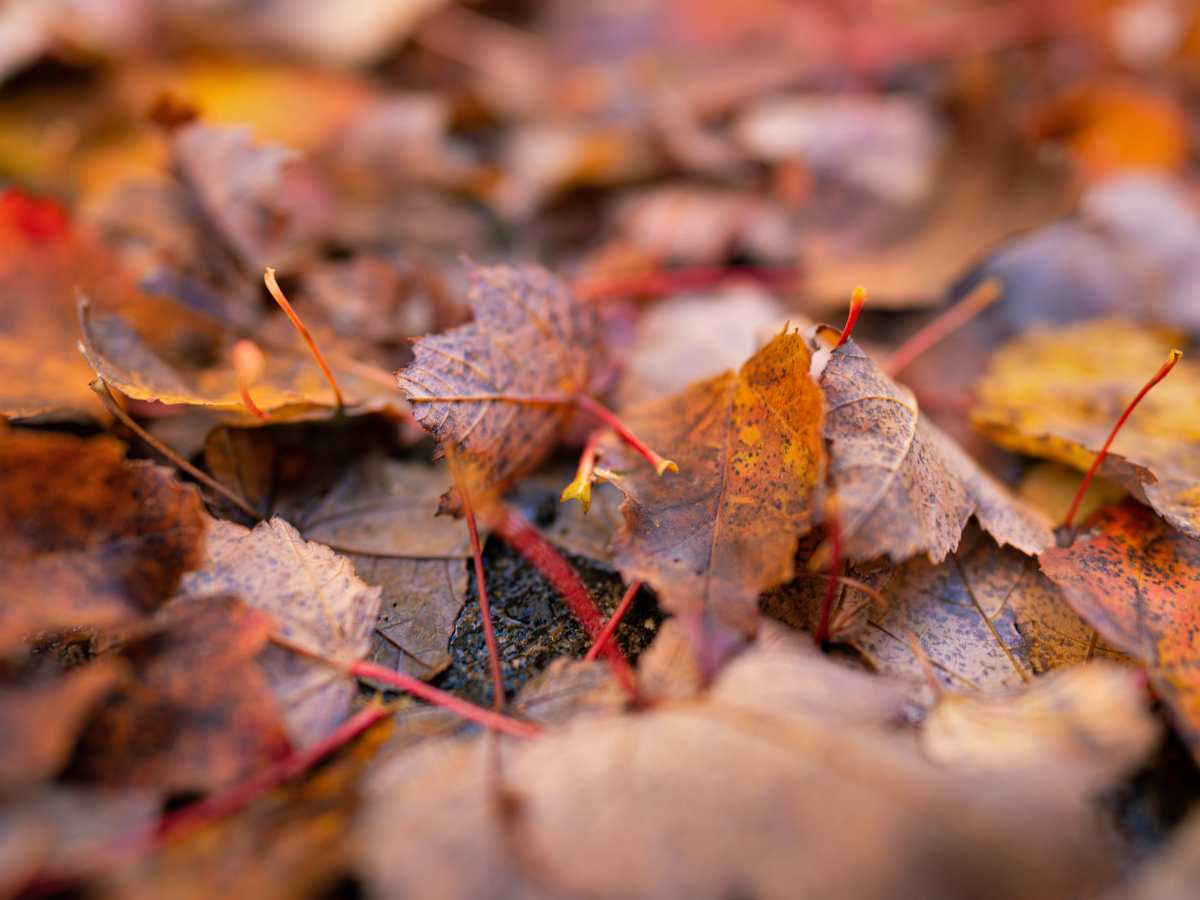
To avoid this inconvenience, mulch your tomato bed with your dried grass trimmings or your vegetable waste.
Good mulch protects leaves from germs held in the soil.
It avoids compacting the ground and reduces water evaporation and sprouting of unwanted plants.
Written by Gaspard Lorthiois | Loves helping out, especially when it comes to growing things. Worked in herbal medicine, runs a farm, and dabbles in tech. Master's degree and engineer.