Coffee grounds, crushed eggshells, cork shavings and cardboard ribbons: much of what leaves the kitchen as rubbish is already potting material. Blended with a little existing soil mix, these items feed plants for months and let air and water move through the pot — keep the soggy ones to a modest share and you can double or triple your volume.
Soil mix is usually one of the first things you purchase when getting serious about gardening. Did you know you could recycle many things around the house into excellent potting soil mix material?
Make use of lots that would otherwise end up in the trash. Both nutrient content and soil mix structure can be increased with these common home items.
Remember to work with a little soil mix or garden soil for best results.
Recover some from plants as you repot them and mix these into it.
How to recycle household waste into soil mix
These items are nutrient-rich and will break down over time. No need to use fertilizer for months after setting a pot up with these easy to find items!
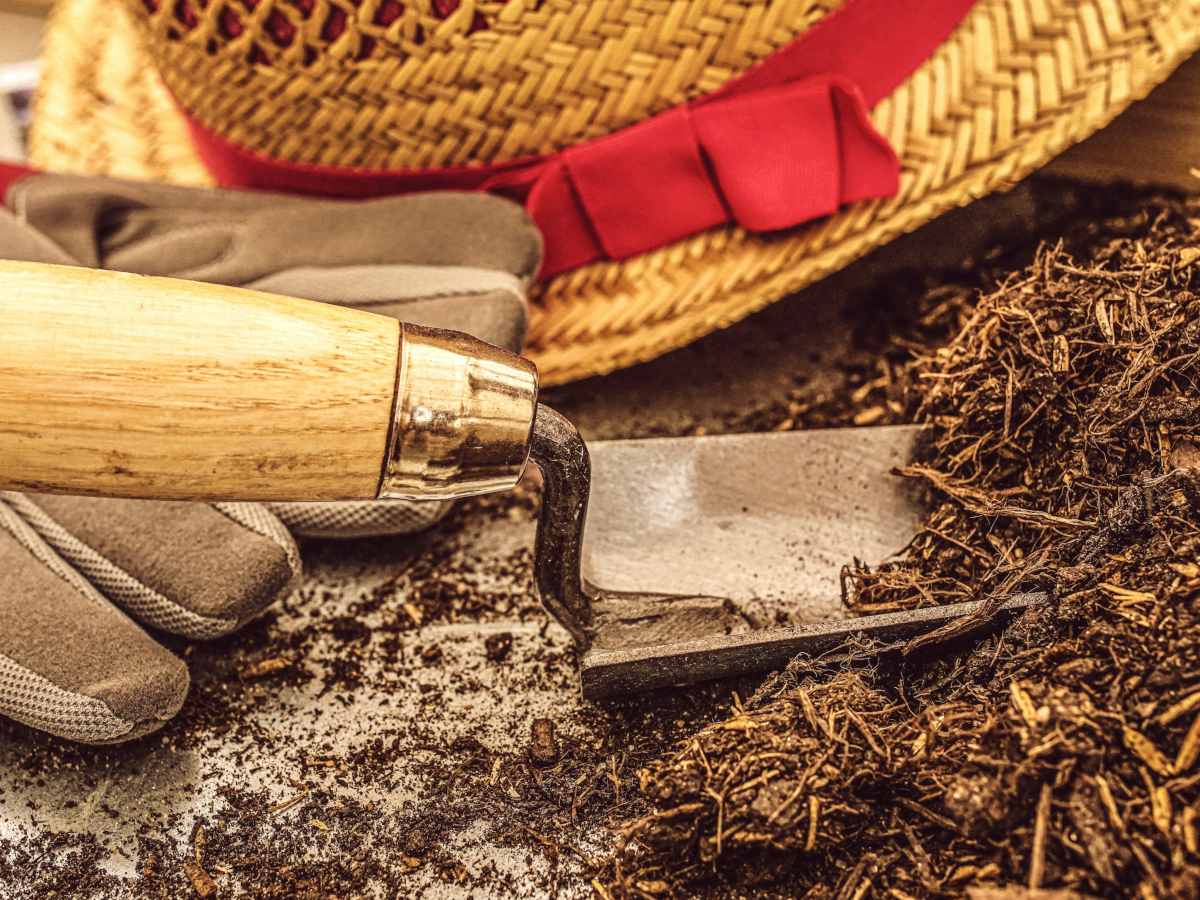
used coffee grounds – slice up those capsules! Maximum proportion is 20-25% in volume. Remove the aluminum from pods, of course. Tea leaves and the content of tea bags are also very useful.
old spices – dig deep in those cupboards and pull out any spices you haven’t used over the past year or two. Most will have lost their taste by then. Chili pepper won’t kill plants, but don’t touch your eyes after gardening if you add some!
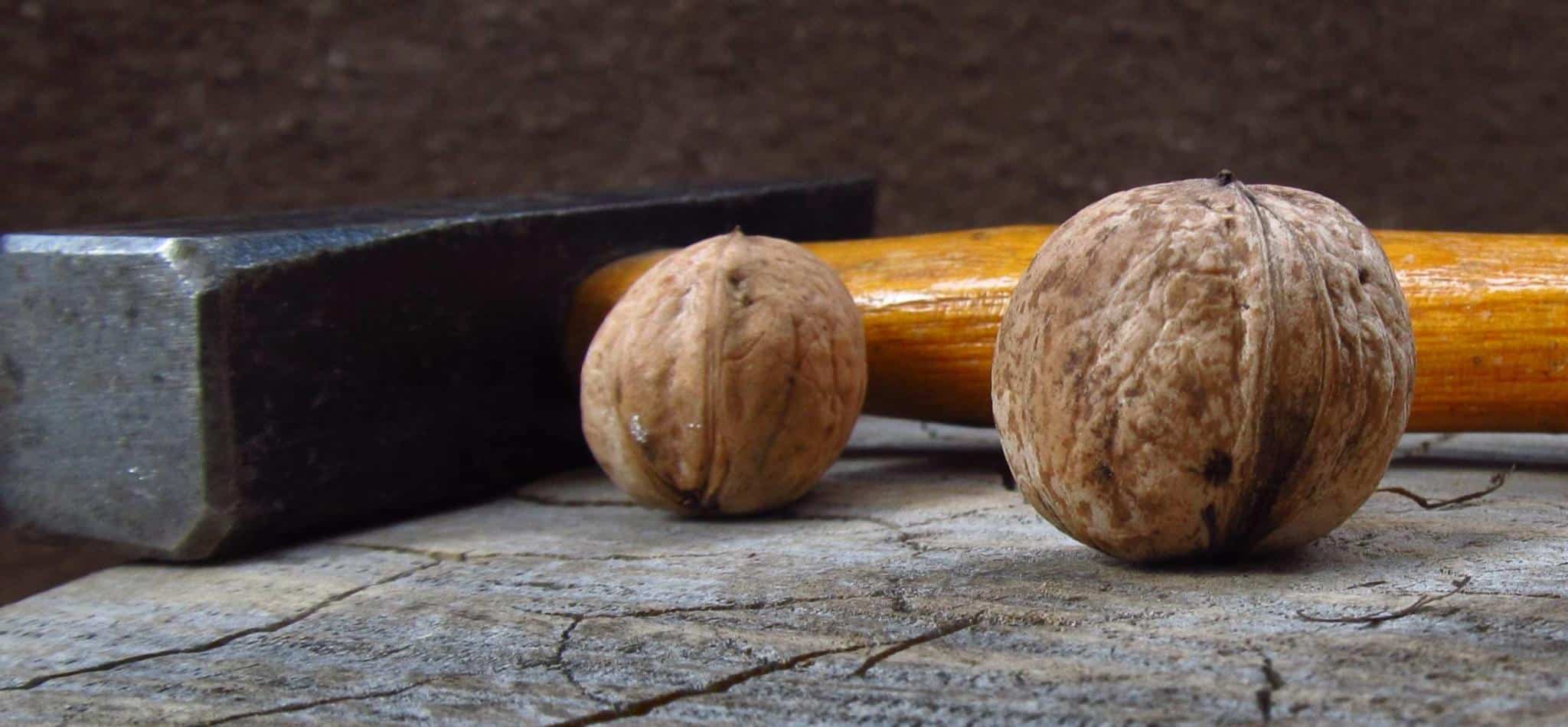
Sharp nut shells mashed to square bits before mixing
nut shells (peanut, walnut, chestnut…) – perfect way to repurpose those seed hulls. Walnut and hazelnut can be a bit sharp, mash them to square bits with a hammer. Note: in the case of salted sunflower seeds, rinse the salt out thoroughly beforehand.
bark and wood dust – shake out the logs in your firewood storage, anything you sweep up is excellent for soil. And if you’ve got logs or pellets made from compressed wood shards, rejoice! Set a one or two to sit in water for a couple days. They’ll swell and it’ll be easy to shred them apart.
Don’t add ashes directly, though. It’s too alkaline to use as a soil base. You can use small amounts for fertilizer, though.
Crush dry bones and add them in the mix, too. It does take a few weeks to dry them well, however. On the other hand, simply wait for a day and you can crush eggshells into the soil mix.
charcoal (wood) – Agreed, not every kitchen uses charcoal. But having 5 to 10% charcoal in the mix will help keep mold away.
Of course, it goes without saying, setting up an indoor compost or vermiculture is important, too. It’s the perfect way to convert even more house waste into rich growing soil!
Kitchen and household items at a glance
Not every scrap behaves the same way in a pot: some feed the plant, others only hold the mix open, and a few must be kept to a strict share. Here is what the nutrient-rich items bring and how much of each to use.
Kitchen and household items at a glance
Household item
What it brings
How much to use
Preparation
Used coffee grounds and tea leaves
Nutrients as they break down
20–25% by volume at most
Slice open capsules and strip the aluminium from pods
Old spices
Nutrients from forgotten cupboard stock
Small amounts
Use any jar untouched for a year or two; chilli is harmless to plants
Nut shells (peanut, walnut, chestnut)
Bulk and structure from seed hulls
Small amounts
Smash to square bits with a hammer; rinse salted seeds first
Bark and wood dust
Structure and slow-release matter
Whatever you sweep up
Soak compressed logs or pellets for a couple of days, then shred
Dry bones and eggshells
Minerals
Small amounts
Bones need a few weeks to dry; eggshells only a day before crushing
Wood charcoal
Helps keep mould away
5–10% of the mix
Break up cold, unused charcoal
Ashes
Fertiliser only, never a base
Small amounts only
Too alkaline to build a mix around
Blend any of these with a little existing soil mix or garden soil rather than using them alone.
Better soil structure with filler materials
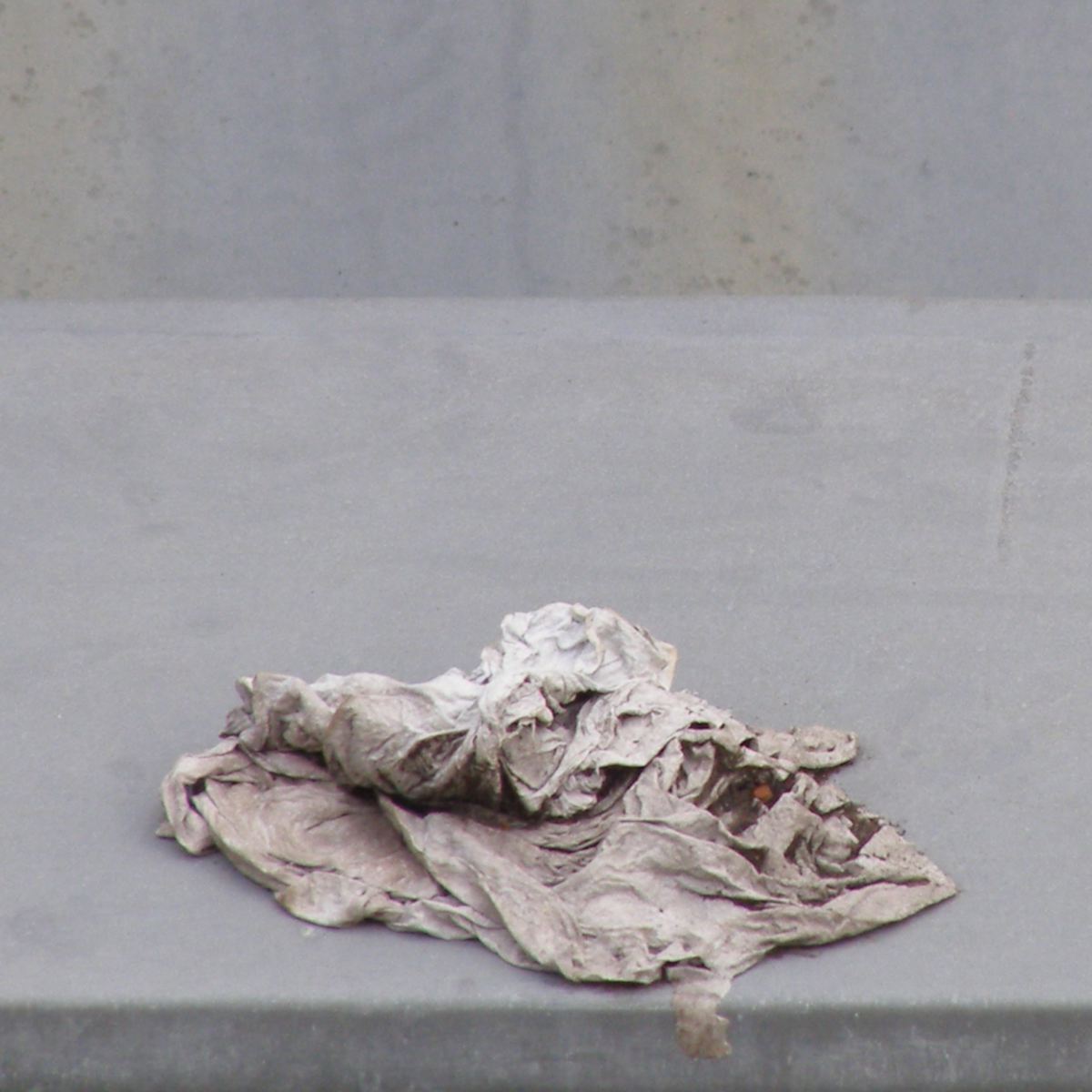
Worn cotton rags build structure in a new mix
This group of materials serves to structure the soil. Their shape helps air and water circulate.
cotton rags, pillow fillings & old clothes – whatever is too ruined to donate will make excellent structure in your new mix. Cotton, wool, and natural feather is best. Synthetic materials will also work, but keep those for ornamental plants (not edibles).
moss and dead leaves – gather these from rooftops, windowsills, etc. You can also remove moss from your lawn, too…
fibrous kitchen waste – corn cobs, artichoke leaf leftovers, asparagus stems… chop these up and dry them out. Crush and mix in with the rest. Add in any extra pineapple leaf heads that you haven’t yet set to sprout.
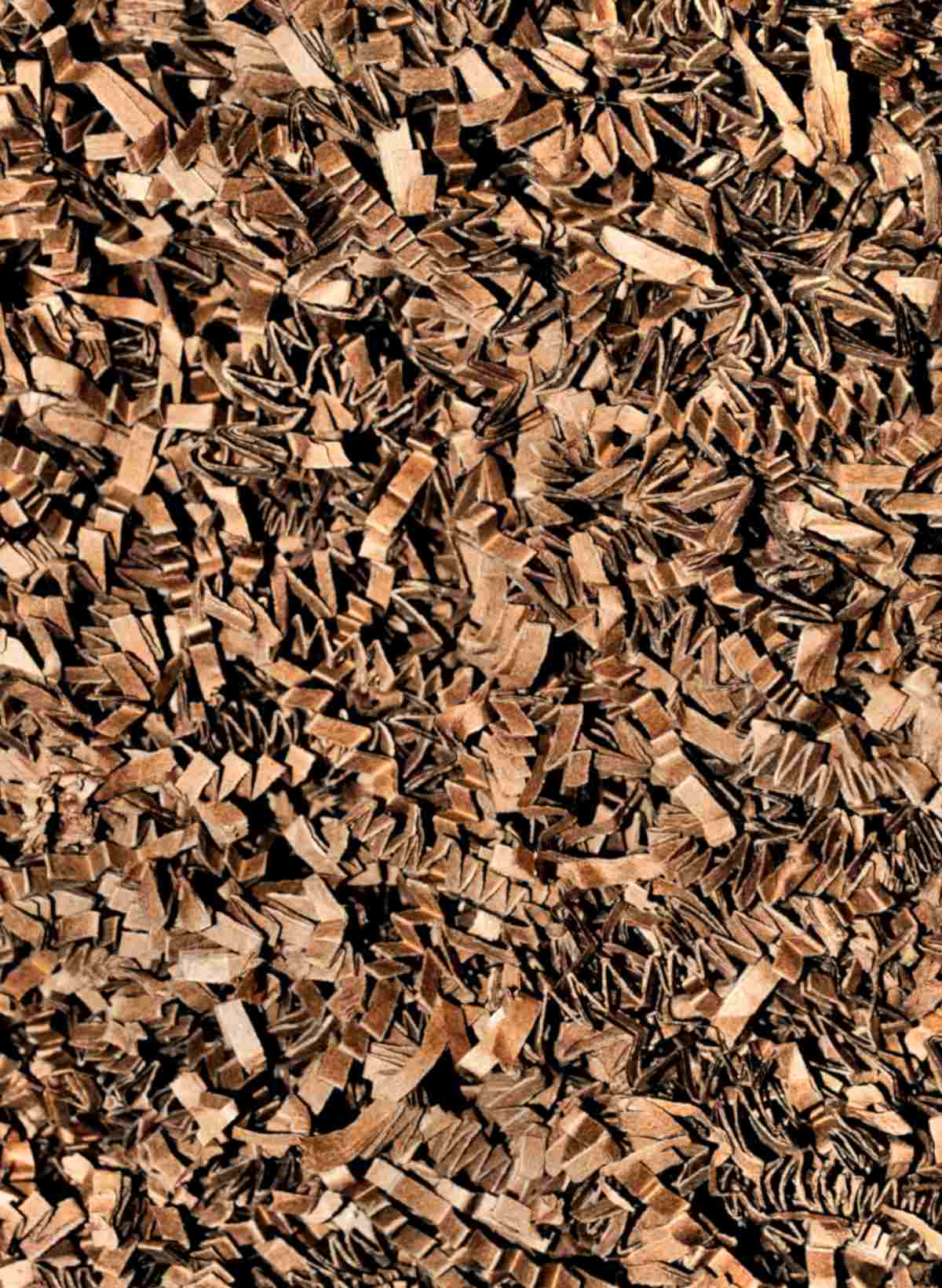
Cardboard ribbons, kept to a tenth of the volume
cartons and cardboard – chop up into half-inch squares (1-2 cm) or ribbons. Make sure you don’t put more than 10 or 15% of this or everything will turn into soggy mush.
corks – a pair of pliers will help you shred these into smaller bits. Great for soil structure. Even greater to keep children busy.
broken terra cotta pots and ceramic shards – Important: sand the edge off these shards with sand paper. It’ll take a while, but you’ll save a lot on wound dressings and ever-so-needed alcohol disinfectant…
wood chips and sawdust – around 30% of this is acceptable. If you cut your own firewood or work wood as a hobby, you’ll have plenty of these!
If you’ve any other suggestions, please add them in the comment section!
You can easily double or triple the volume of your regular soil mix in this manner.
Why extend or add things to soil mix?
Today’s world is shifting away from hyper-globalization and relying more on local things.
Not only is it important to find local sources for everything, it’s also important to deal with waste locally, too.
People are having more trouble traveling abroad already – how much less should our trash be sent around the world!
Most of our waste is actually perfect material for soil mix. The simple fact of looking at how we can transform waste and trash into nutritious vegetables or beautiful plants makes sense however you choose to look at it!
Additionally, you’ll save on many cost centers:
less trash to pay for in areas where collection fees depend on volume or weight.
no need for soil mix from the store.
less travel back & forth to stores or dump sites.
Each of these steps to make more soil mix from household materials helps. It’s actually what professional soil mix producers do at their own scale, too! They get in touch with farmers, forest growers, and food processors. They strike deals to recycle waste into healthy, quality soil mix!
Written by Gaspard Lorthiois | Loves helping out, especially when it comes to growing things. Worked in herbal medicine, runs a farm, and dabbles in tech. Master's degree and engineer.