Every time you water, a little of the soil’s organic matter is dragged to the bottom of the pot and washed away, until the roots are left in a container that holds neither food nor room. Repotting into a larger pot of fresh soil mix puts both back. Do it at the beginning of spring and the plant barely notices.
This provides space for roots to grow, and also has the added benefit of renewing organic matter that plants need.
Indoor plants are often repotted, but even outdoor plants that grow in pots or containers deserve to be regularly repotted. Typical examples are shrubs and fruit trees that grow in garden boxes.
Here is all you need to know on how to repot plants.
Roots emerging from drainage holes can suggest a plant is outgrowing its pot, but since roots may also simply be seeking moisture, check for a dense, circling root ball before repotting.
The best season to repot is the beginning of spring. The plant then enters a vegetation phase – a leaf-growing phase – and will be better equipped to deal with the changing of pots.
It is also important to repot plants that have just been purchased, because they are generally sold when they have fully maximized their pot.
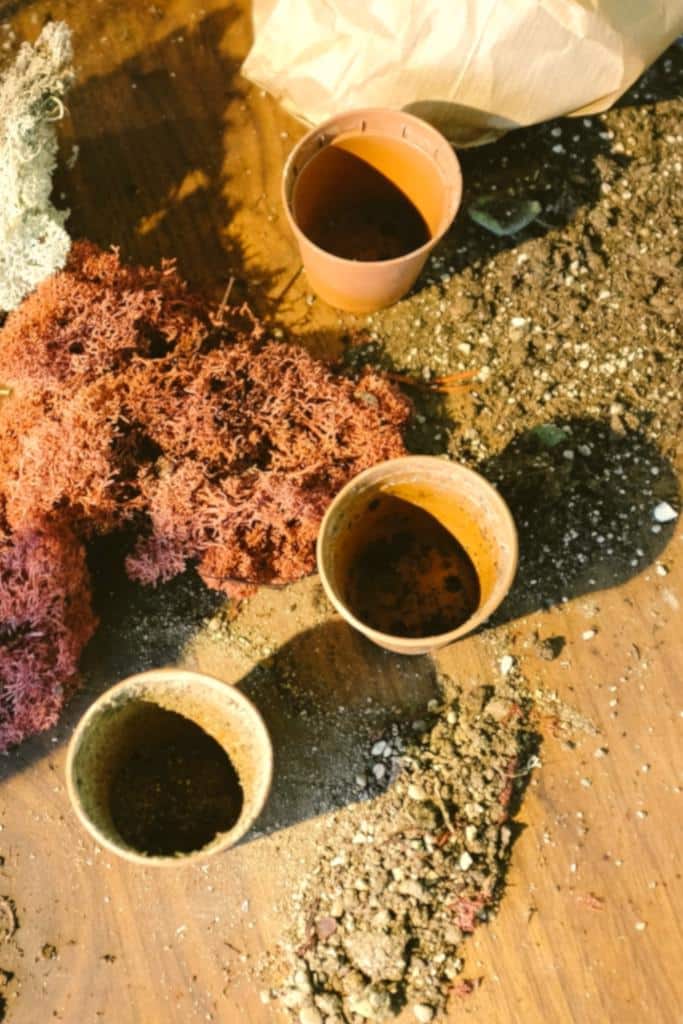
Prepare a larger pot than the previous one.
The alternative for plants that have already reached a size that prohibits repotting is to regularly renew surface soil.
This means to remove as much of the old soil mix as possible, down to where the roots appear. Don’t wound them, and once done removing, simply fill the vacant space with new soil mix.
This is called topdressing. It can be performed on large potted olive, orange or lemon trees to ensure they keep growing and bear fruit.
Not every potted plant needs the same treatment. The table below matches common situations described above with the approach to take, and the point to be careful about.
| Situation | What to do | When | Point to watch |
|---|---|---|---|
| Plant just bought from the shop | Move it straight into a larger pot with fresh soil mix | On arrival | Shop plants have already used up all the room they had |
| Established potted or indoor plant | Repot into a bigger pot, drainage layer then appropriate soil mix | Beginning of spring | The plant is entering leaf growth and copes better with the change |
| Plant too large to handle, such as a potted olive or citrus | Topdress: scrape off old soil down to the roots and replace it | Regularly, as the surface soil tires | Don’t wound the roots as you remove the old mix |
| Clump-forming plant such as Zamioculcas | Split the clump into smaller plants and pot each one up | While repotting | Goggles are wise if the sap squirts |
| Plant with toxic sap, such as oleander, peace lily or pothos | Repot as usual, but wear gloves | Any repotting session | Add glasses or goggles if you are splitting the plant |
Whichever route you take, handling the plant gently is what keeps any check to growth mild.
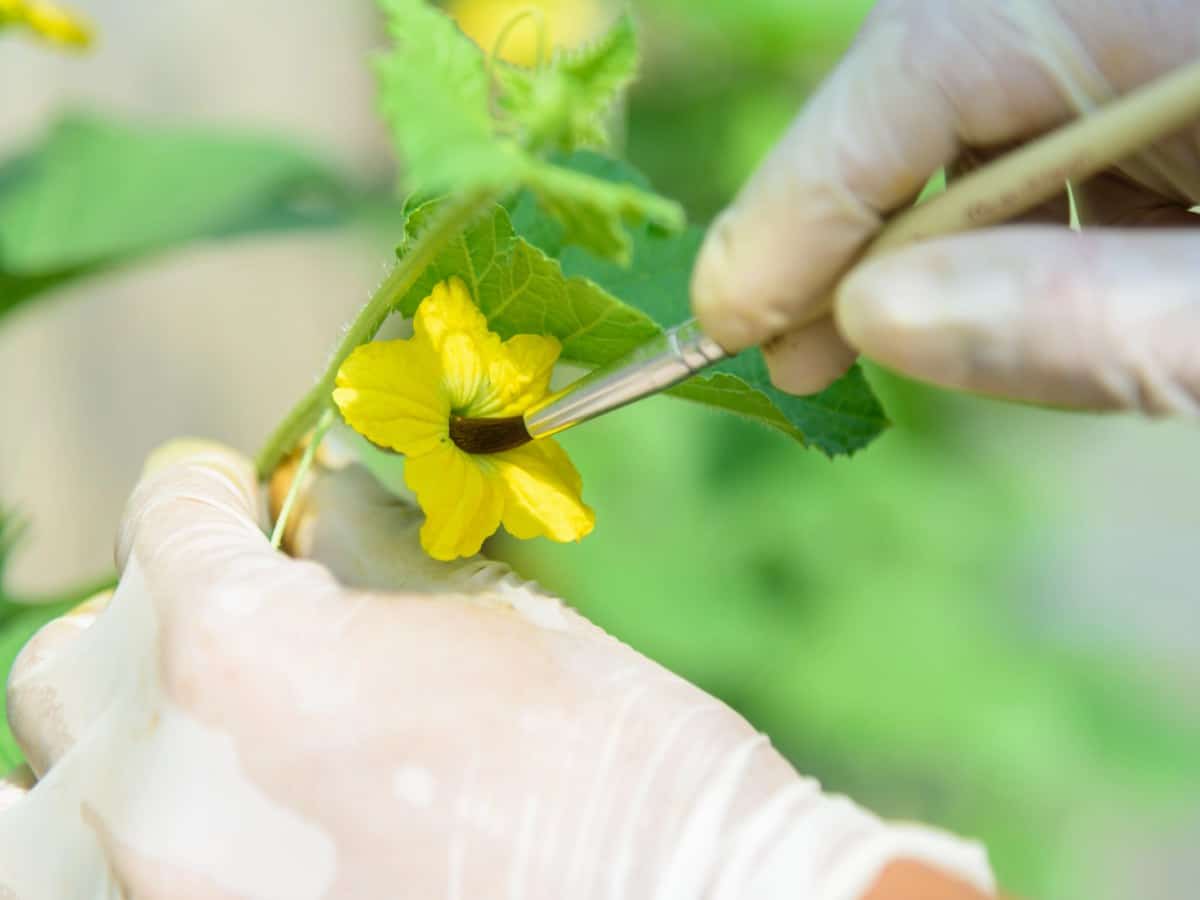
Some plants have sap that is a bit toxic. When handling these, it’s best to wear gloves.
Examples of common plants that are actually quite toxic are oleander, peace lily, Pothos, and Caladium.
Plants are fragile and generally don’t like to be handled too much. It may be that repotting triggers transplant shock.
Read also:
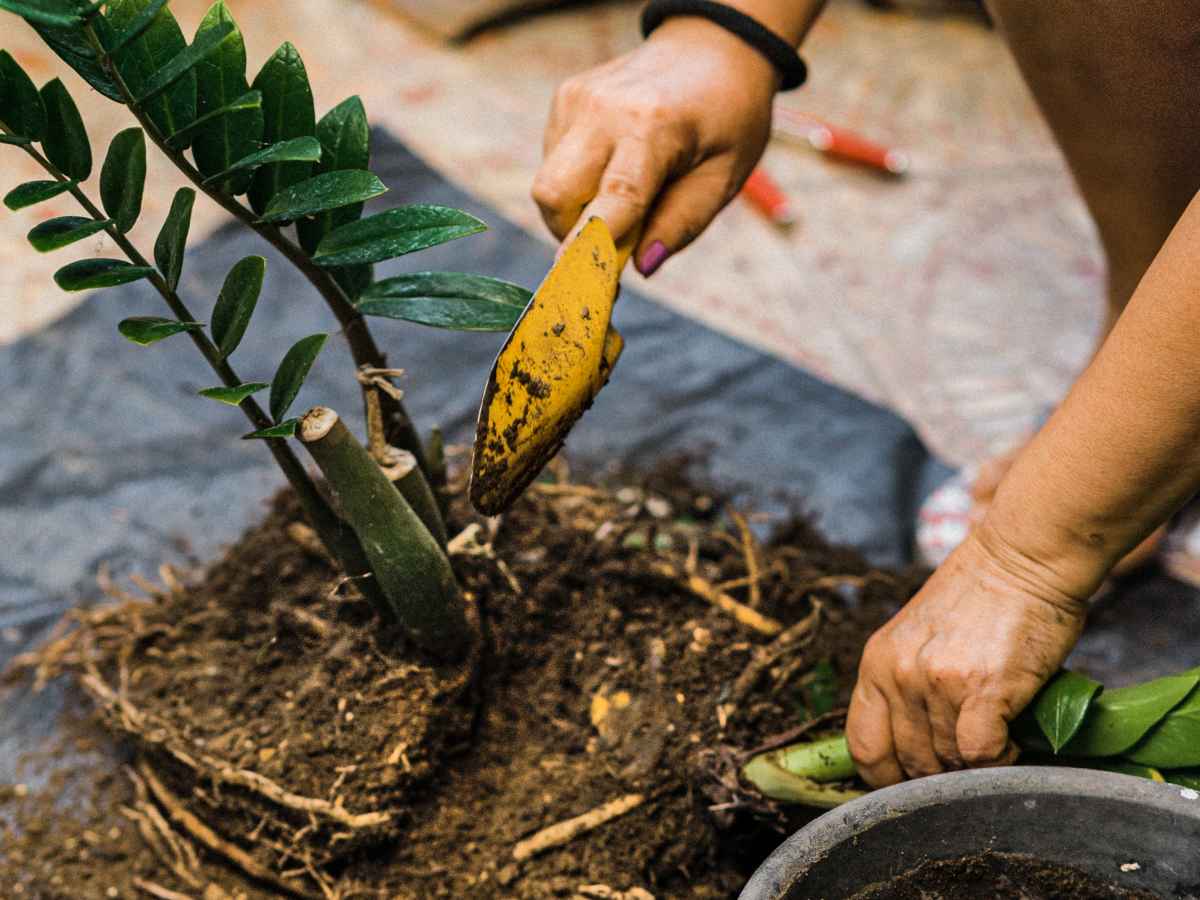
For some plants, repotting is a perfect moment to divide them into smaller plants. This is called crown division, or dividing the clump.
One plant that particularly is fun to split & repot is Zamioculcas, since it grows thick tubers.
Credits for images shared to Nature & Garden (all edits by Gaspard Lorthiois):
Repotting station by Free Photos under Pixabay license