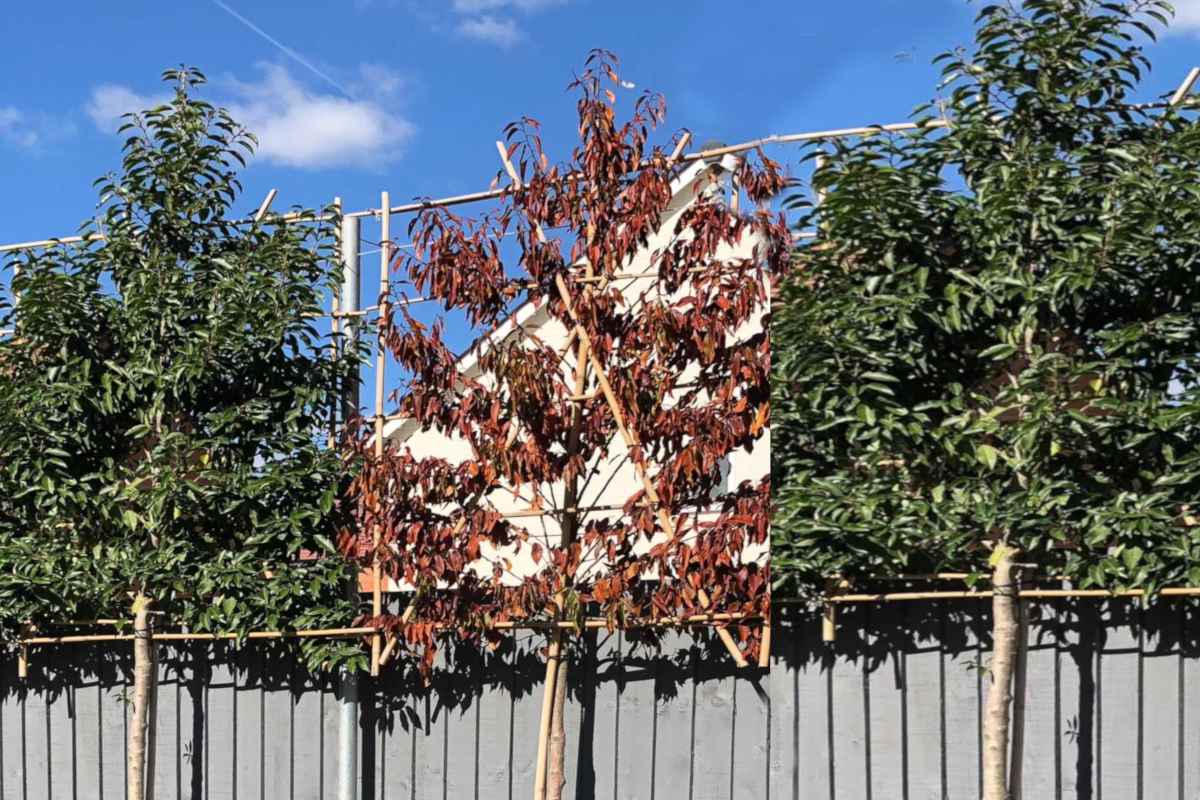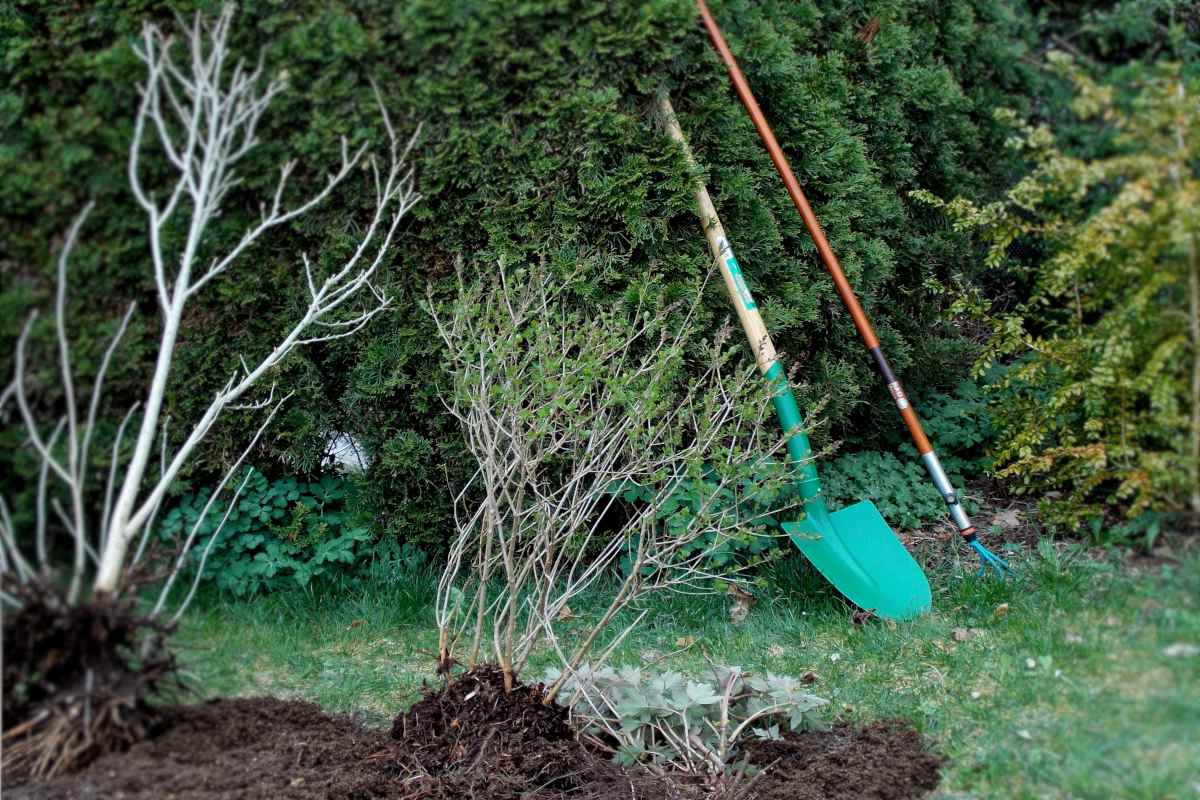
Transplant shock is a combination of three causes. Upon moving a tree or plant, it undergoes:
Each of these factors may lead to transplant shock.
Let’s take a look at what transplant shock symptoms are. From there, we’ll assess the three challenges a moved plant faces: physical damage, downsizing, and new growing environment.
Read also:
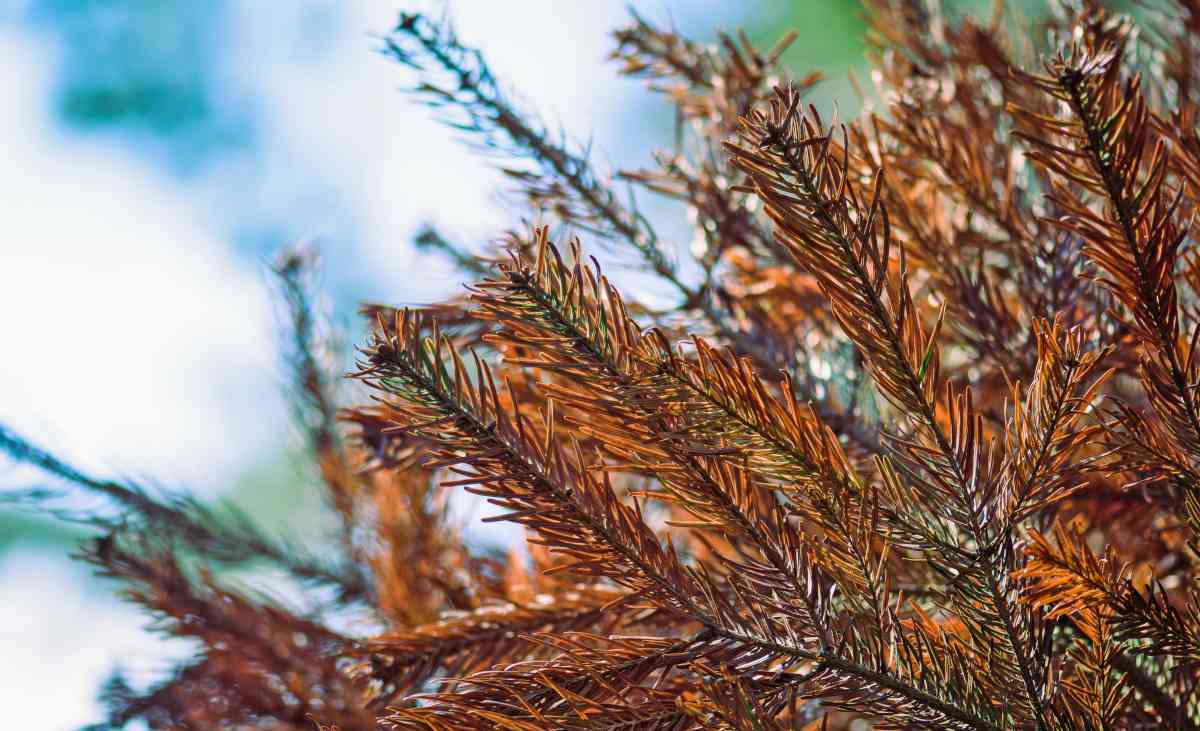
A plant that is newly dug up and moved from one place to the another may show signs of :
This is called transplant shock.
For plants and herbs purchased in pots such as lettuce, coriander and parsley, transplant shock can also trigger bolting and going to seed.
Check soil moisture at root-ball depth before watering a wilting transplant, because waterlogged roots wilt just as visibly as dry ones.
Transplant shock timing varies: herbaceous plants and seedlings often wilt within hours of the move, while woody trees and shrubs may not show wilting, leaf drop or dieback for days or weeks.
Leaves that emerge noticeably smaller than usual, or brown and crisp along the margins, point to roots that cannot yet keep up with the foliage.
Not every moved plant shows the same sign, and not on the same timescale. Use this table to match what you are seeing to what the plant is telling you.
| Sign | Typically seen on | How soon after the move | What it tells you |
|---|---|---|---|
| Wilting or falling leaves | Herbaceous plants and seedlings | Often within hours | Roots cannot supply the leaves — check moisture at root-ball depth, since waterlogged roots wilt just as visibly as dry ones |
| Dying branches and dieback, with no early wilting | Woody trees and shrubs | Days or weeks | Symptoms can lag well behind the move, so a tree that looks fine at planting is not yet safe |
| Leaves noticeably smaller than usual, or brown and crisp at the margins | Any transplant putting out new growth | As new leaves emerge | The roots cannot yet keep up with the foliage they have to feed |
| Bolting and going to seed | Potted salads and herbs: lettuce, coriander, parsley | After planting out | The shock itself has pushed the plant into flowering rather than leafing |
Once you know which sign you are dealing with, the three causes behind it — physical damage, downsizing and a new environment — explain the rest.
Transplant shock may occur when:
It also applies to newly purchased houseplants. These leave the optimized environment of a nursery for a completely different setting: your own house!
Actually, even without moving the plant, very similar shock can occur if the surroundings change quickly.
New buildings or removal of nearby constructions
This can also happen if a lumberjack fells a large tree, opening a clearing up. In forestry, sunburn occurs frequently on trees that remain in full sun after clear-cuts .
Underground changes
You cannot move a plant without some degree of transplant damage. Roots, branches and leafage are all affected.
Roots suffer most, and wounds also hurt branches, too. This is typically due to cutting roots with the spade, pruning, breakage, parts of the plant dying off due to mishandling, transportation and such.
When roots are exposed to air, tiny invisible rootlets dry up and die off. Damage starts even within the first minute!
Focusing on speed is good, but being careful is good, too!
A plant pulled out from where it used to grow typically loses half or more of its root system and sap production system.
For a transplant to succeed, remove branches and leaves to compensate for loss of roots.
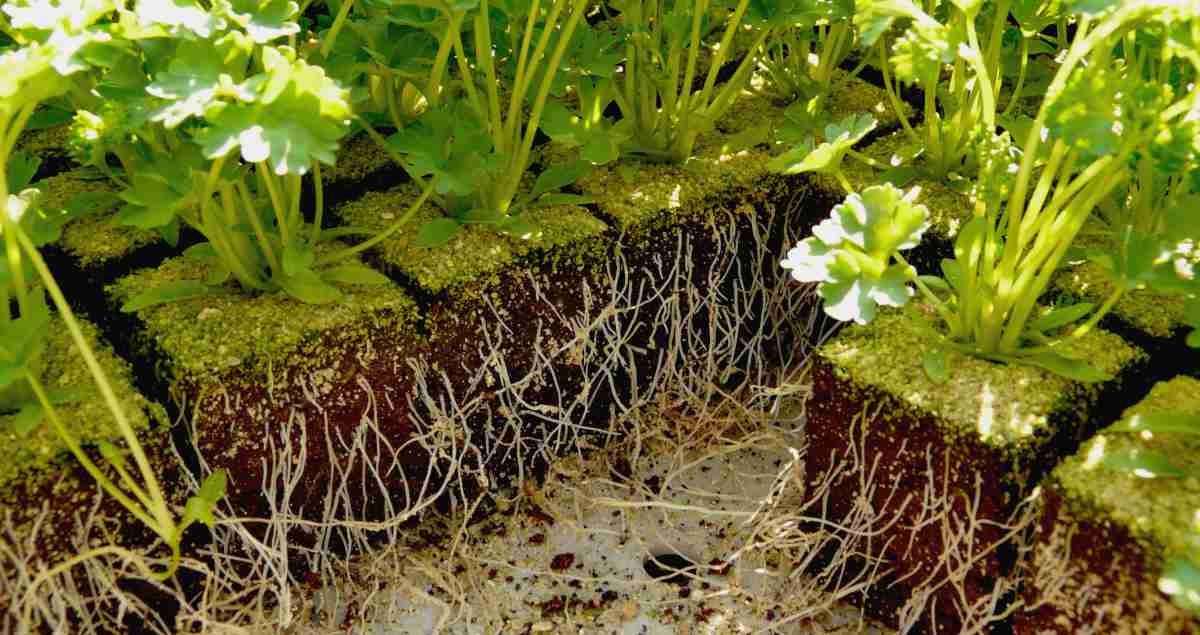
As it grows, a plant develops its root system to meet increased circulation of sap, water and nutrients. Upon losing roots, all of a sudden, internal plumbing vessels and tubes that carry all these fluids are oversized. Their shape and volume doesn’t match the plant’s needs anymore. The plant wastes more efforts to shift nutrients around than it did before.
This explains why it’s important to balance out what is removed.
Also, remember that most “active” roots are around the circumference. Roots near the trunk are still good, but usually they’ve already depleted soil around them. When transplanting, they’ll have to get to work again, which takes a while!
In the long run, the most important factor is the change in growing environment. When moving a plant, 4 items usually change completely:
A plant, as it grows, responds intimately to its environment, to “bloom where it is planted“. The shock of change can often be overcome, but in some cases it proves too much to cope with, and the plant dies.
Read also: