Home » Gardening » Indoor plants » Repotting orchids – when, how and special tips to repot well

Repotting orchids – when, how and special tips to repot well

Repotting orchid
0

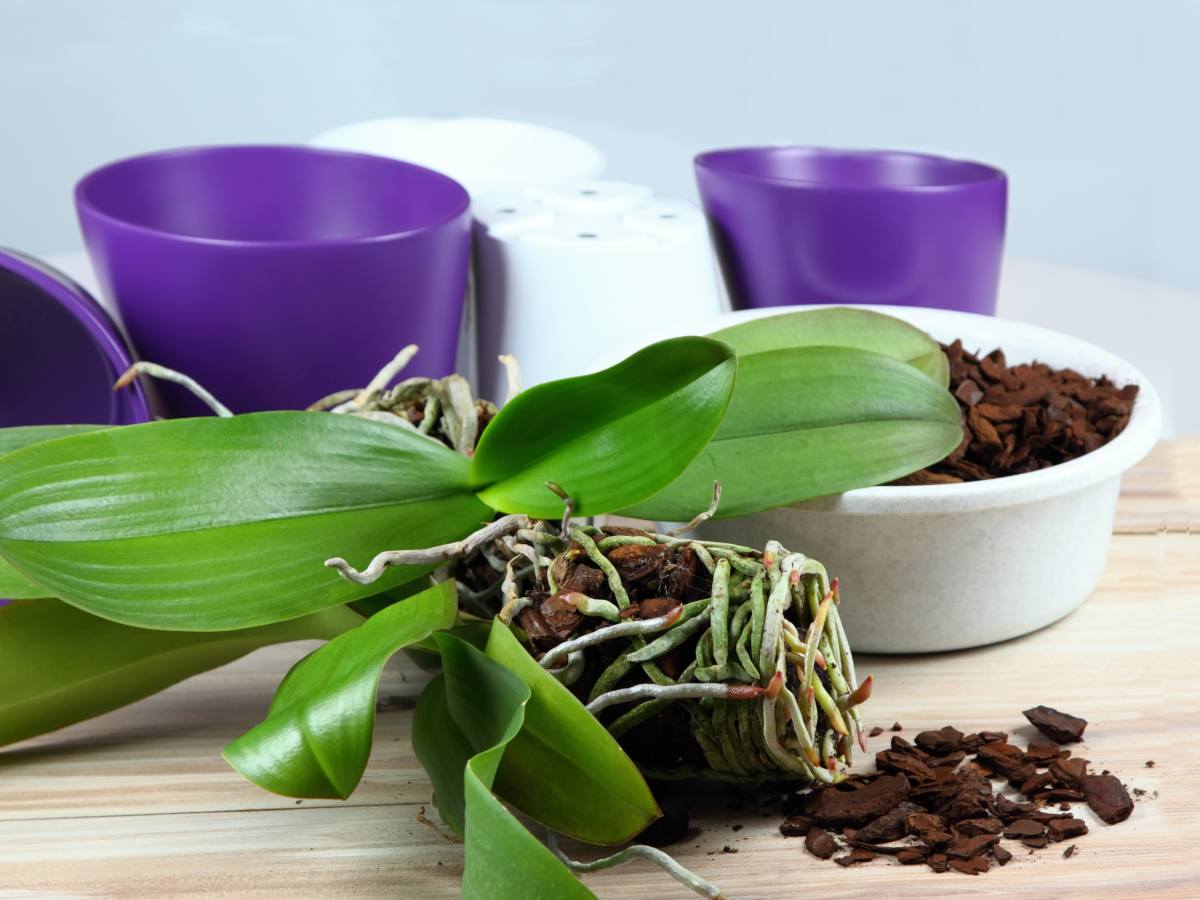
Repotting an orchid is an important step in the life cycle of the plant.

To repot it, you need to proceed differently as for other houseplants.

After having bloomed well, your orchid seems a bit down and you don’t know how to make it peppy again.

One of the first things you can do is to repot it in a new pot.


Follow our repotting tips for orchids, and you’ll see that within a few days, it will already have gotten stronger and will be ready for a new bloom.

Video care on how to repot an orchid

Repotting usually takes place every 2 or 3 years, in any season provided it is after the blooming.

This plant doesn’t like being disturbed, and repotting it too often might weaken it.

How to choose the right pot for repotting

The new pot must be chosen based on the size of the plant.
It should neither be too small because the orchid might lose its balance, nor too big because roots must feel that space is tight to develop into a bloom.

Generally, simply select a pot that is only very slightly larger across than the previous.
Adequate substrate and soil mix

Substrate for repotting orchid

The one called “orchid soil mix” on the market is perfectly suited.

It usually contains high amounts of composted maritime pine bark.

It’s possible to make your own from bark and other ingredients. You might have to observe how the plant is doing to adjust the contents, though.
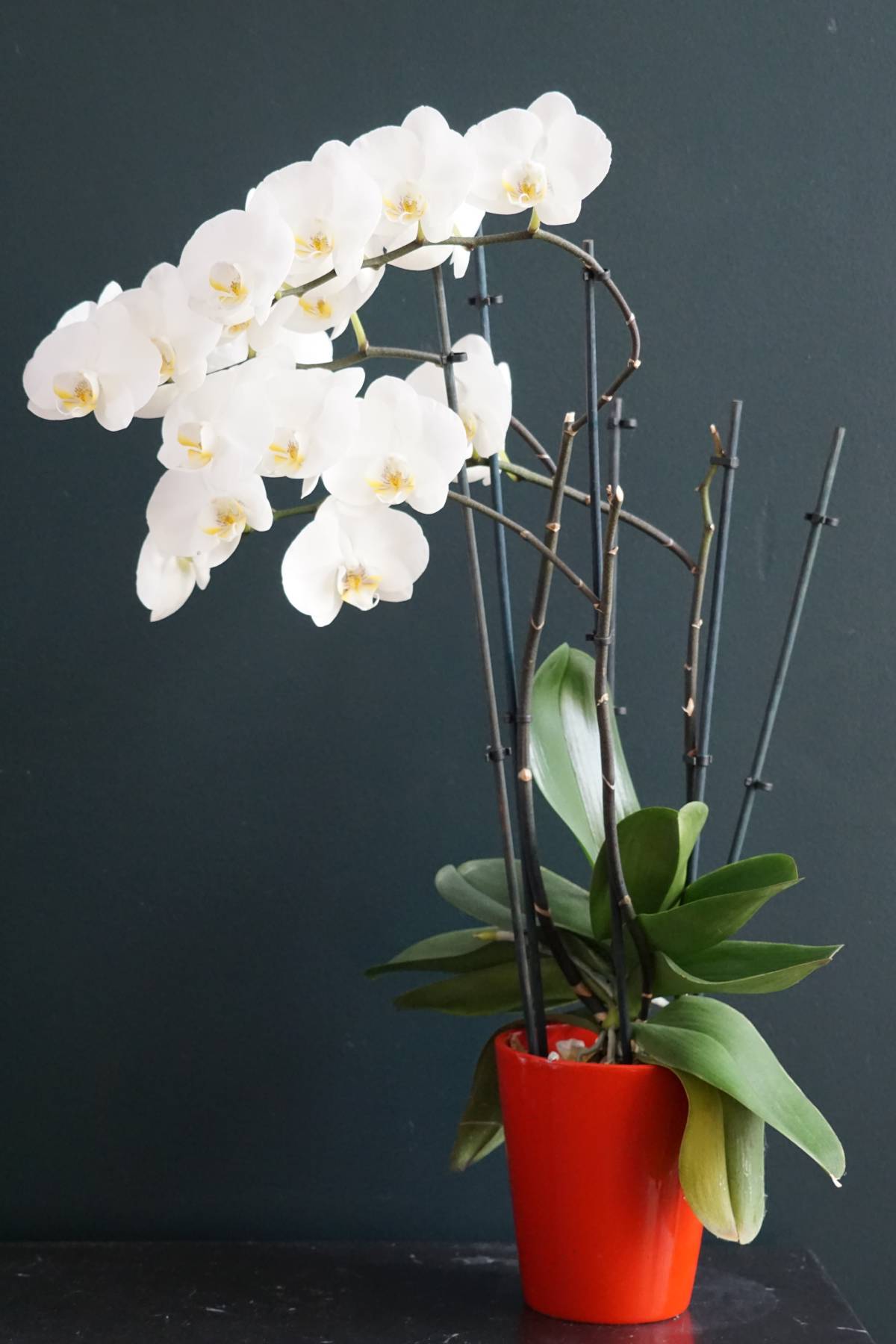
How to repot the orchid


Orchid that has just been repotted
Hold off watering for three or four days after repotting


  • Delicately pull out the plant from its present pot.
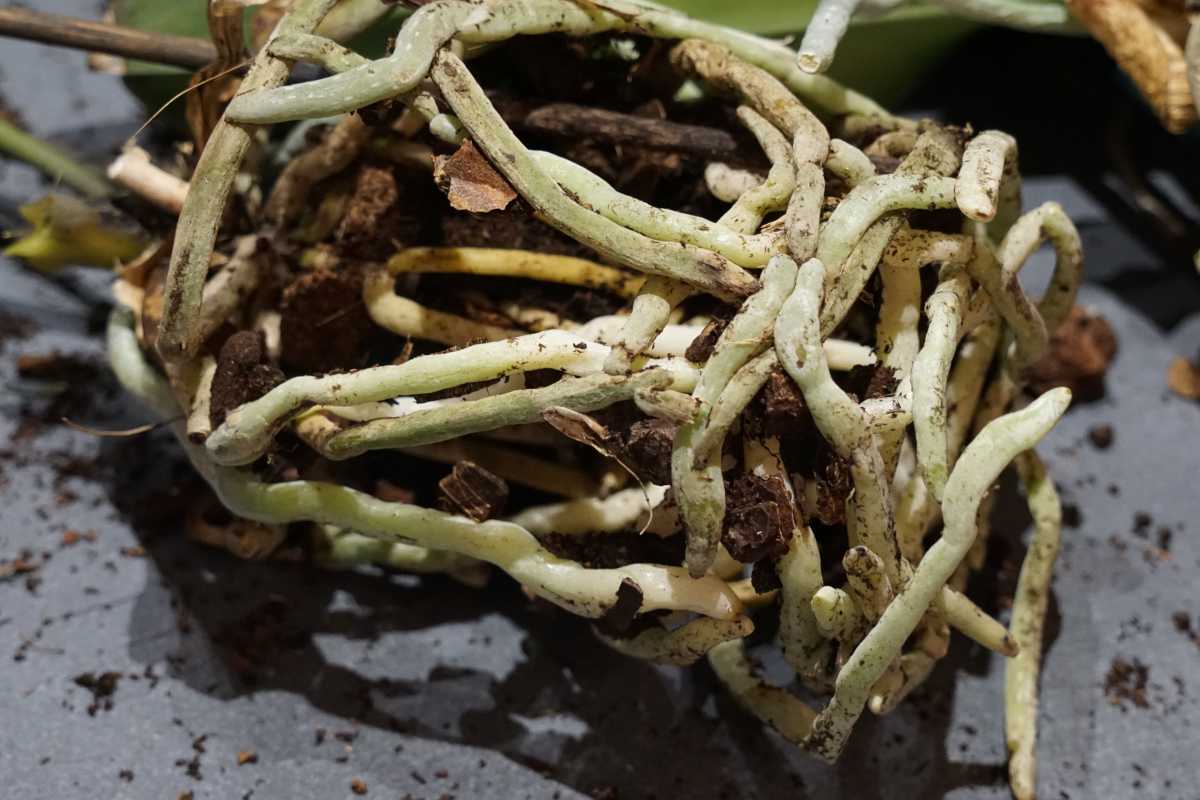
  • Clean up the root system: damaged or rotting roots.
    For that, use a previously disinfected cutter blade or shave.
  • Also eliminate wilted flowers and any weak or broken stems you might see.
  • Fill in the bottom half of the new pot with the substrate.
  • Place the orchid in the center.
  • Backfill the rest of the pot with substrate, pressing down ever so lightly.
  • Keep the plant in a moist and warm environment but without any direct sun. Don’t water for 3 or 4 days.

Your plant will now need several days to get used to this new pot and the roots will need 1 to 2 weeks to heal their wounds.

Repotting timeline: what happens and when

Repotting an orchid is not a one-day operation: the plant needs a recovery period before it behaves normally again. Here is the sequence described above, summarised.

Repotting timeline: what happens and when
When What is happening What to do
Every 2 to 3 years Time to move the plant to a new pot Repot in any season, provided it is after the blooming
The first 3 to 4 days after repotting The plant is vulnerable and must not be soaked Keep it moist and warm, out of direct sun, and do not water
Several days after repotting The orchid is settling into its new container Leave it undisturbed while it gets used to the new pot
1 to 2 weeks after repotting Cut and damaged roots are closing over Be patient, the root system is healing its wounds

Once these stages are past, the plant should be stronger and ready for a new bloom.

Read also on orchids:


Images: adobestock: svehlik; own work: Rosalyn & Gaspard Lorthiois

🌿 Nature & Garden Newsletter

Gardening tips, recipes & seasonal advice, twice a week.