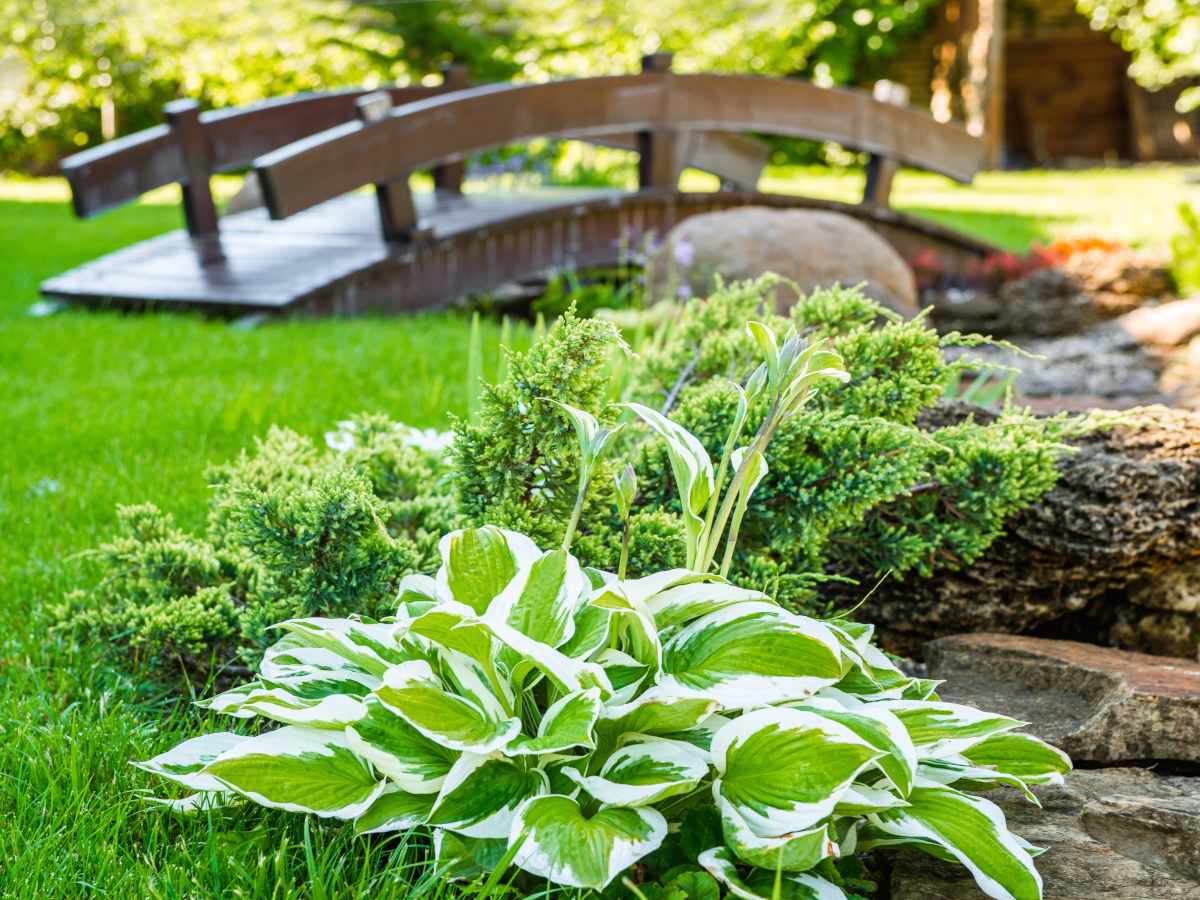
Choose plants based on the climate in your area for easy gardening. It will naturally help reduce treatments and watering!
Common sense is the key word here, so let’s go ahead and sync your garden to be more in tune with nature.
A potted olive tree that grows scrawny in the North, hydrangeas that thirst in the sunny South: it’s quite hard to grow the same plants across the board!
Countries in temperate regions often have very diverse climates:
The British Isles have the least variation. For instance, from North to South, temperatures stay in a relatively narrow range. It’s usually possible to grow the same plants across the country.
The United States have very different growing zones: from Eastern Coastal climates to cool Rocky Mountain heights and down to dryer West Coast environments, there is a lot of diversity. Each state, taken as whole, usually has a homogeneous climate, though coastal areas can be quite different from inland gardens when it comes to landscaping.
France has 5 climate zones, for example: the weather is oceanic along the west coast, with mild and rainy winters and summers that never really get hot. The East is much more continental, weathering harsh winters and hot summers. The South-East has typical Mediterranean weather, and mountain areas have their own types of weather that results from their altitude and wind patterns.
Freezing sub-zero temperatures or simply a little frost; dry or drenched summers, all these differences impact the plants you’re going to grow. It’s important to consider this when designing your dream garden, because it’s just as important as soil type, if not more, when considering how successful a crop can be.
These tips will help you avoid ruinous water bills in summer and questionable expenses for fertilizer in spring, since a plant that is suited to its growing environment will be hardier and more resilient in the face of diseases and parasites. This makes gardening much easier!
To select varieties best suited to your climate, nearby horticulture stores you usually visit are your best allies in this quest.
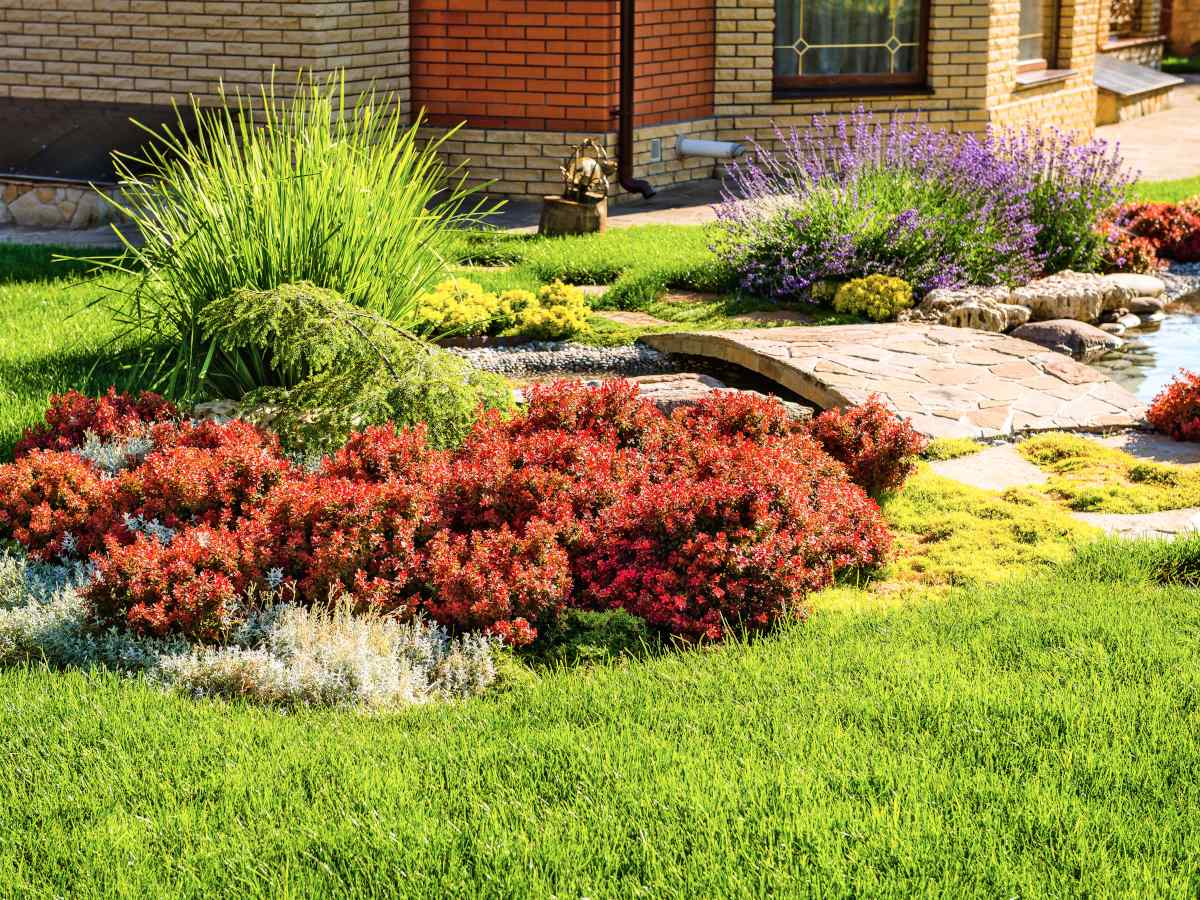 Neighbors who have been gardening for a while will have precious advice for you, too. Observe what grows best on your neighbor’s plots. Wild hedges and abandoned orchards of old usually lend useful hints at which trees and fruit trees will grow without any problems in your garden: oak, lime tree, yew, plane, apple tree, cherry tree, pear tree… Hardy species with a great many different varieties or cultivars: finding the variety that is perfectly suited to the soil type and climate in your area is in your hands!
Although relying on local species certainly helps preserve biodiversity in each particular habitat, nothing should stop you from occasionally splurging for exotic plants that have evolved and been naturalized to our climates, like actinidia (kiwi) which grows well even in northernmost spots.
Note, however, that some foreign varieties have adapted so well that they become truly invasive and proliferate uncontrollably. This threatens local flora and fauna. For example, that is what happened with butterfly bush, ragweed, pampas grass, Japanese knotweed, South African ragwort and Canadian goldenrod. Avoid these or similar threats.
Laure Hamann