Multicoloured slabs of bark peel away from the trunk, and broad palmate leaves cast the refreshing shade that lines streets and village plazas across southern France. The plane tree is prized for that ornamental combination and for its speed of growth, but it asks for one thing above all: room, since it can pass 65 feet.
| Name | Platunus |
|---|---|
| Family | Proteaceae |
| Type | tree |
| Height | 85 to 130 feet (25 to 40 meters) |
| Exposure | full sun |
| Soil | ordinary, well drained |
| Foliage | deciduous |
Its ornamental value is appreciated, all the more so because it provides refreshing shade.
The most promising season to plant plane tree is fall, in order to promote root growth and settling in.
It is also possible to plant plane in spring but then you must be in a position to water it all summer long the 1st year of planting.
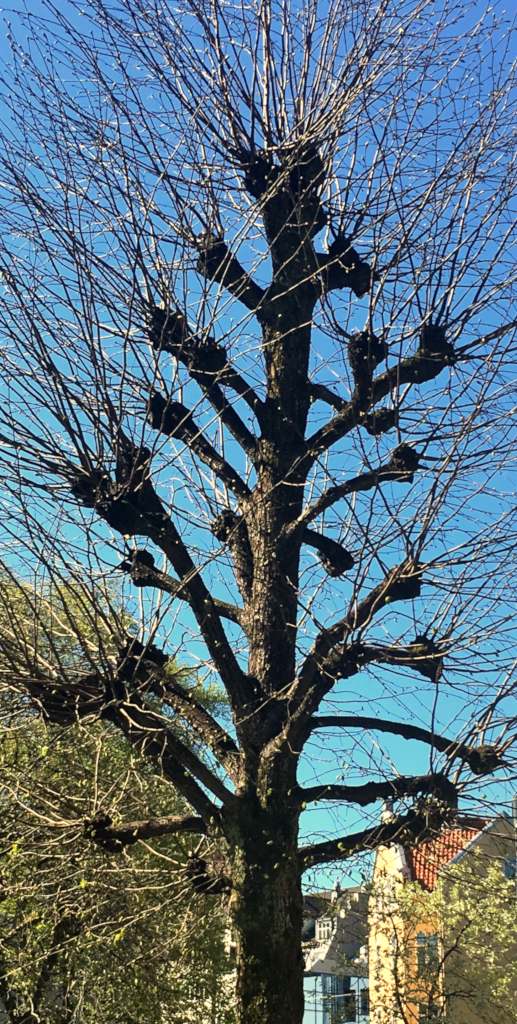
Plane copes very well with pruning. It is one of those trees that can be pruned and trimmed to your heart’s desire.
If you need proof of this, simply check on how loggers work in large cities during the annual fall pruning work.
Take note though that wounds should be cared for, because even small wounds can quickly lead an entire tree to die if contaminated with fungus.
For that, apply pruning paste after cutting off each branch, and avoid wounding the tree: make your cuts clean and sharp.
The plane tree is part of the Platanaceae family, which numbers about ten species. The most famous one is the common plane tree, often used in Southern France to line streets or village plazas.
But the plane tree is quite hardy and can also grow in colder climates.
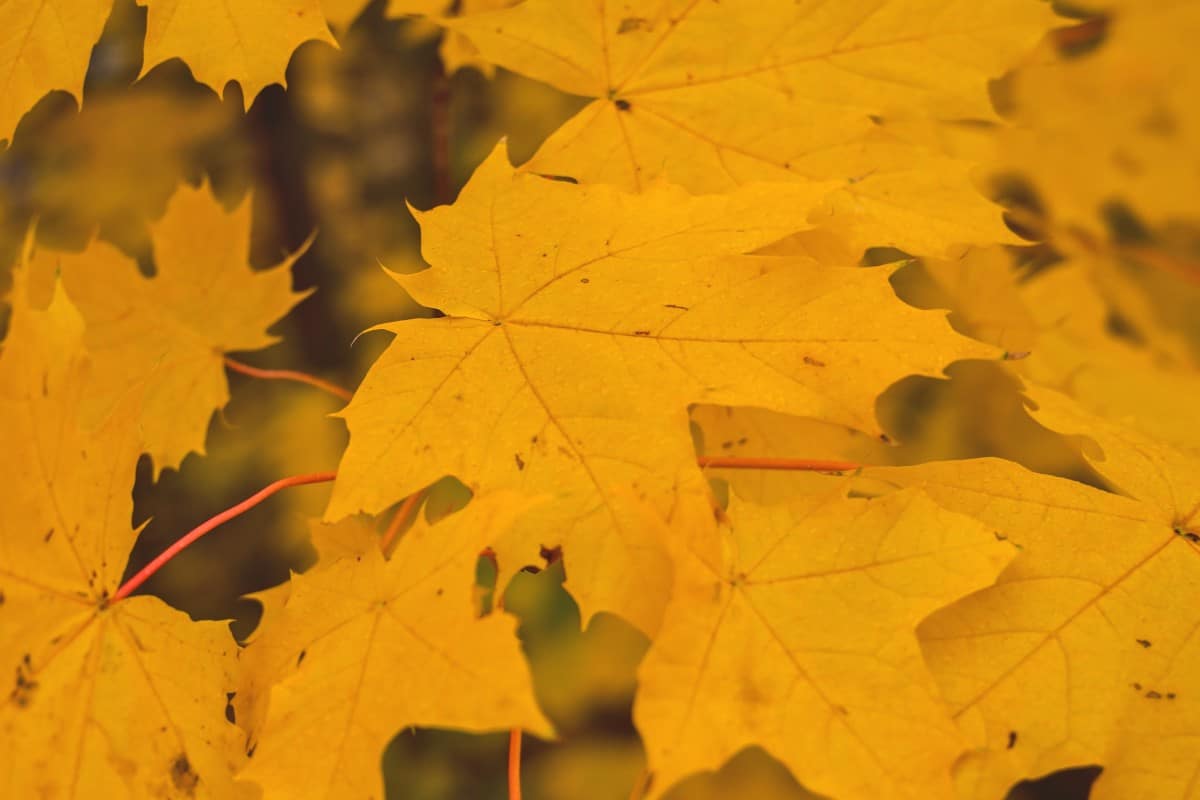
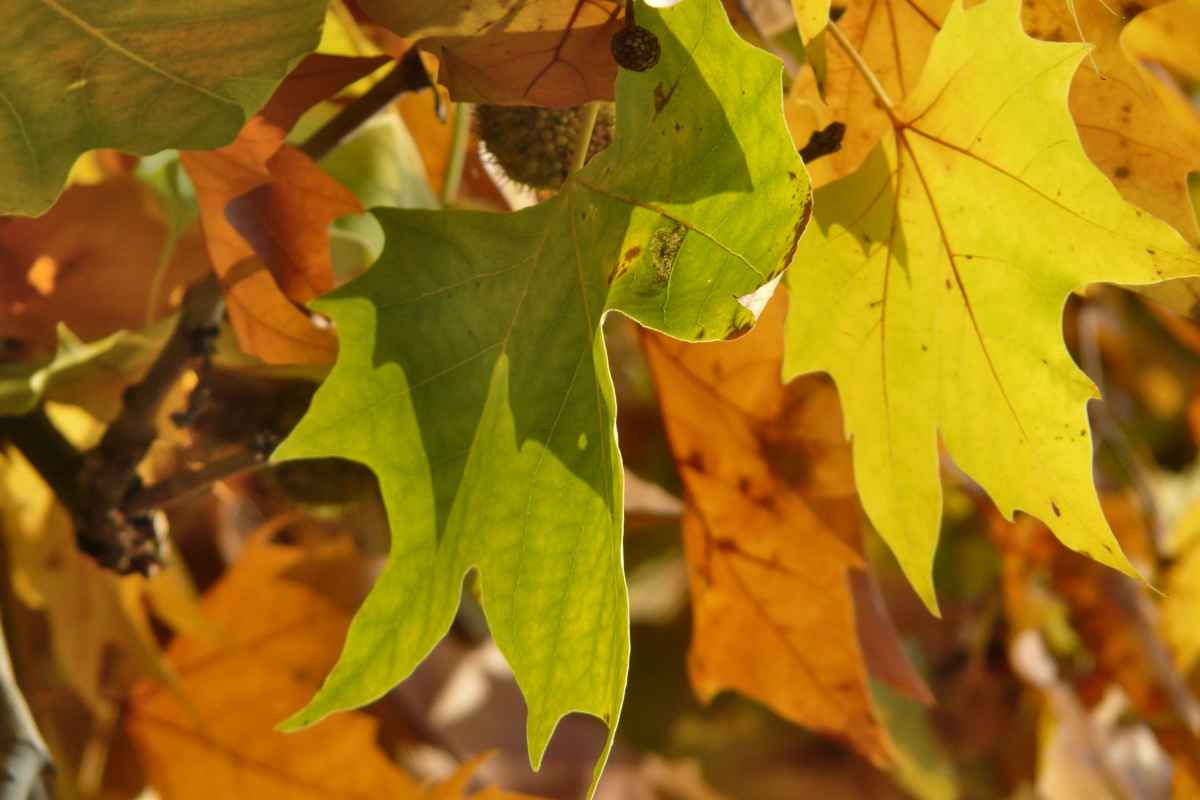
What is unique to plane compared to other trees is its bark: multicolored slabs peel off. Its large palmate leaves are quite nice, too.
Its rapid growth will quickly make your garden feel like you’re in French Provence!
But be careful because plane can reach over 65 feet (20 meters) tall and it will need space to develop well.
The common plane that lines southern French avenues is the one most people picture, but nurseries sell a handful of named selections chosen mainly for size, habit and resistance to foliar disease. All of them want the same sun and well-drained soil described above.
| Variety | Mature height | Notable trait | Best use |
|---|---|---|---|
| ‘Bloodgood’ | 70–80 ft (21–24 m) | Good anthracnose resistance, broad spreading crown | Large avenues and parks |
| ‘Columbia’ | 50–70 ft (15–21 m) | Bred for resistance to anthracnose and powdery mildew | Street planting where disease is a problem |
| ‘Suttneri’ | 40–60 ft (12–18 m) | Leaves boldly splashed creamy white | Specimen tree in a large garden |
Today, a specific fungus is threatening plane trees in general because it can kill an entire tree in just a few years. It is called Canker stain or “sycamore canker”.
It forms violet blue stains that are necrotic, and this canker wedges itself in the wood, on the trunk and branches and cut off the sap flow. These stains turn brown and make the bark burst. They spread and in short notice will kill the plane tree.
Treating against plane tree canker stain
As of now, there is no know cure. The only solution is to cut the plane tree down, in the hope of stopping the infection reaching to the neighboring plane trees.
Some countries mandate cutting down all plane trees within a radius of 115 feet (35 meters) around the infected tree. In France, over 50,000 plane trees were infected by this disease.
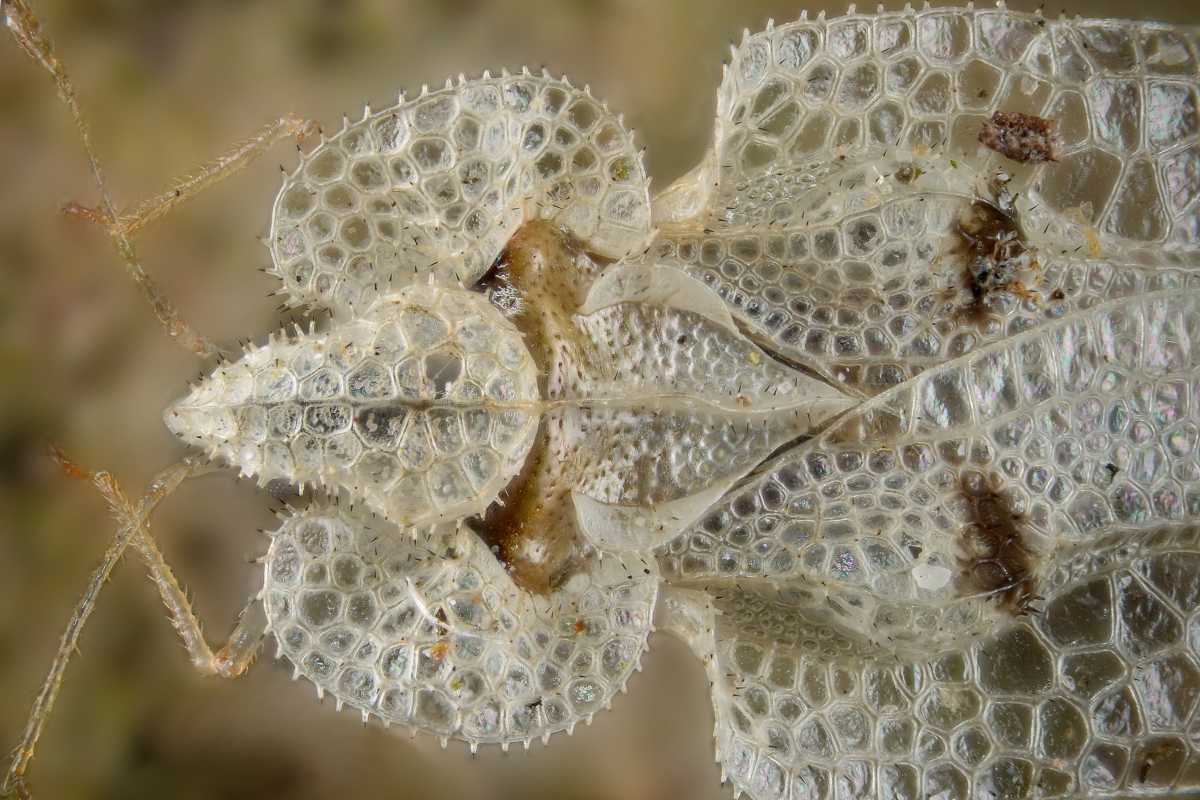
Another pest that attacks plane trees is the sycamore lace bug. This is a stink bug that also spreads canker stain and hides where leaves attach to the branch.
If you live in town, feel free to plant this tree because it adapts well to urban environments!