Its uniquely shaped leaves turn fiery in autumn, yellow, orange or red flowers open at the very end of winter, and paired seeds spin down like tiny helicopters. Maple (Acer) is a fast-growing, exceptionally adaptable tree: give it sun that never scorches and room well away from house and terrace, and it will outshine everything come autumn.
| Name | Acer |
|---|---|
| Family | Aceraceae |
| Type | tree |
| Height | 50 to 85 feet (15 to 25 metres) |
| Exposure | sunny, not scorching |
| Soil | ordinary |
| Foliage | deciduous |
| Flowering | late winter to mid-spring |
Maples range from full-size shade trees to small shrub-bed specimens, so the choice comes down to how much room you have and the autumn colour you want. These are the kinds most often found in garden centres.
| Variety | Mature height | Autumn colour | Best use |
|---|---|---|---|
| ‘Sango-kaku’ | 16 to 20 ft (5 to 6 m) | butter yellow | winter stem colour near a path |
| ‘October Glory’ | 40 to 50 ft (12 to 15 m) | brilliant scarlet, held late | avenue and lawn tree |
| ‘Autumn Blaze’ | 40 to 50 ft (12 to 15 m) | long-lasting orange-red | fast shade tree |
| ‘Garnet’ | 6 to 10 ft (2 to 3 m) | fiery red | shrub bed, courtyard or container |
| ‘Aconitifolium’ | 13 to 16 ft (4 to 5 m) | crimson and orange | woodland edge, sheltered corner |
Select a sun-endowed spot or light sun.
Follow our advice on planting and ensure constant moisture remains in the soil by mulching the base of the trunk during the first years.
Since the root system is very dense, we recommend not planting this tree too close to a house, not even near a terrace.
Remove dead branches and ensure air circulates freely.
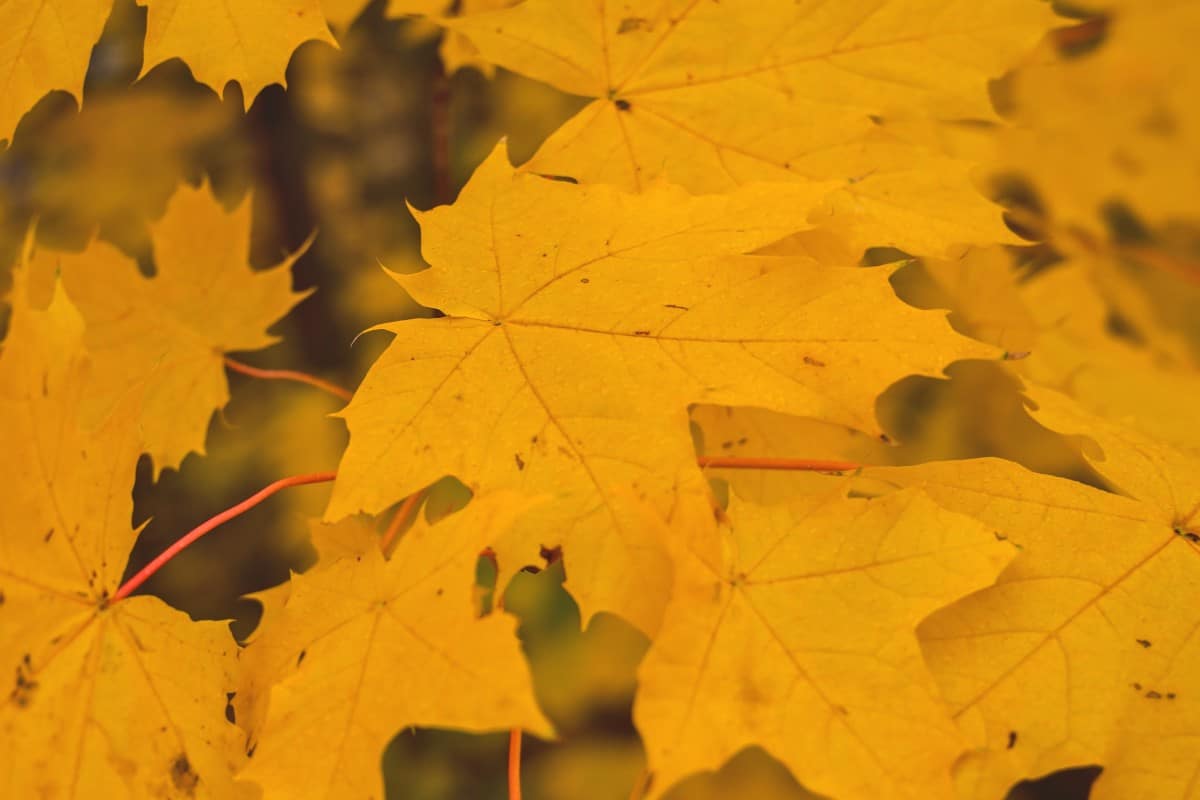
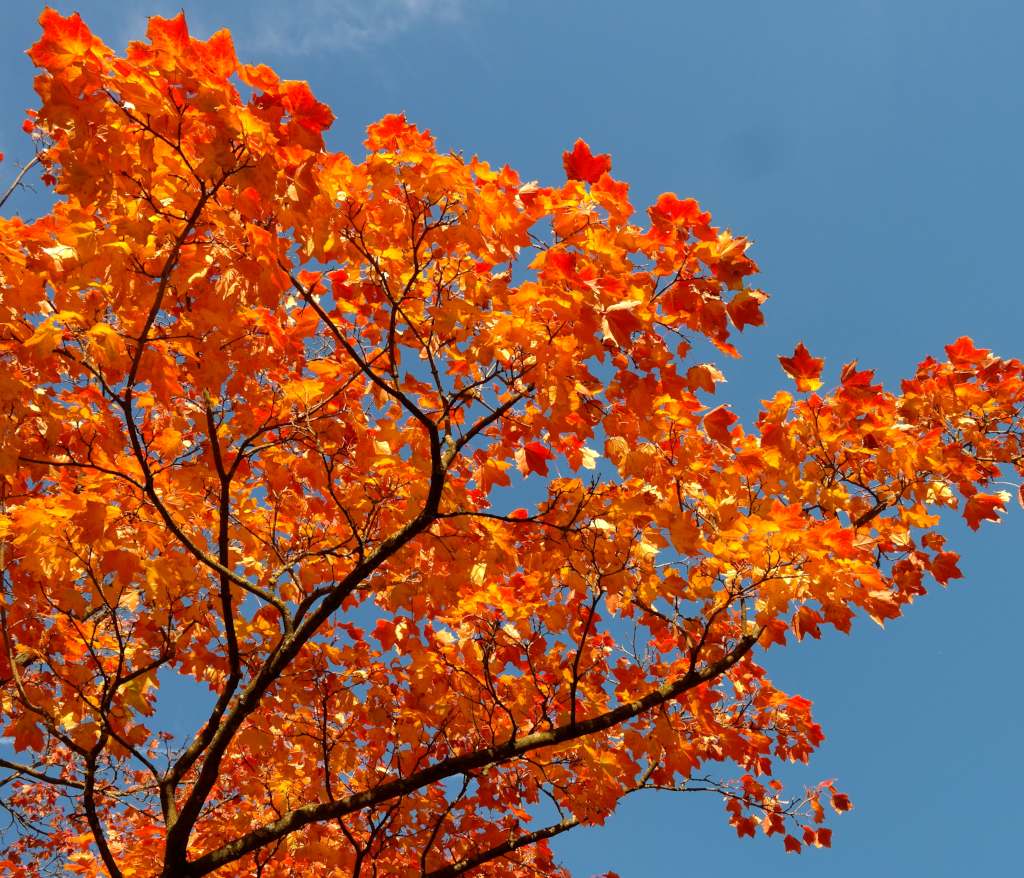
The maple tree is known for the unique shape of its leaves, and for its amazing fiery colors in fall. It also grows very fast, and its hardiness helps it adapt to almost any growing environment.
In forest settings, it’s one of the species that easily sets seed on its own. This makes natural regeneration very easy on plots that are tended to grow wood.
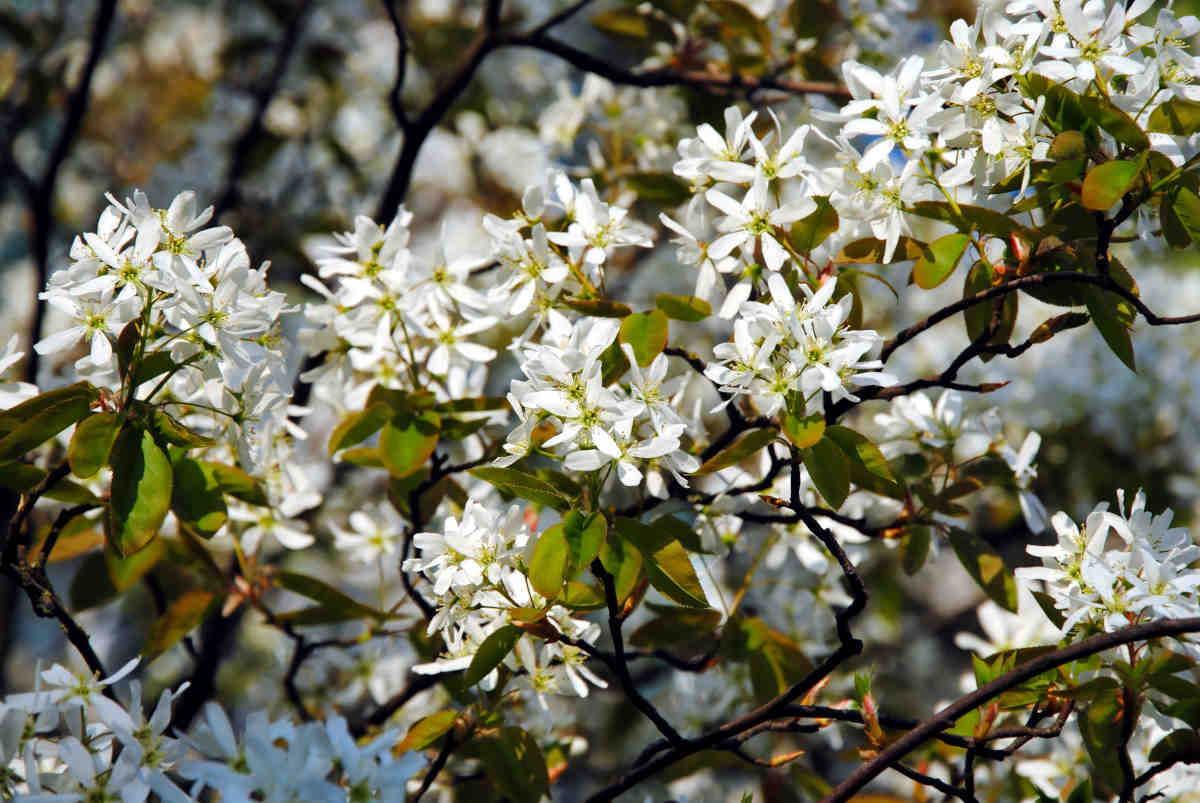
The flowers which usually appear at the end of winter are yellow, orange or red in color. Beekeepers know that maple is an important source of nectar for their bees. Seeds, in pairs, form little helicopters that slowly twirl down to the ground when dry. Children find it very fun to launch them up in the air again and again!
In France, maple is the symbol attributed to celebrating the 58th wedding anniversary. Maple leaf is part of the Canadian flag.
Before treating the tree for disease, ponder for a while if it’s really necessary. Treatments aren’t always needed and trees will often survive without any help, and the environment will be better off.