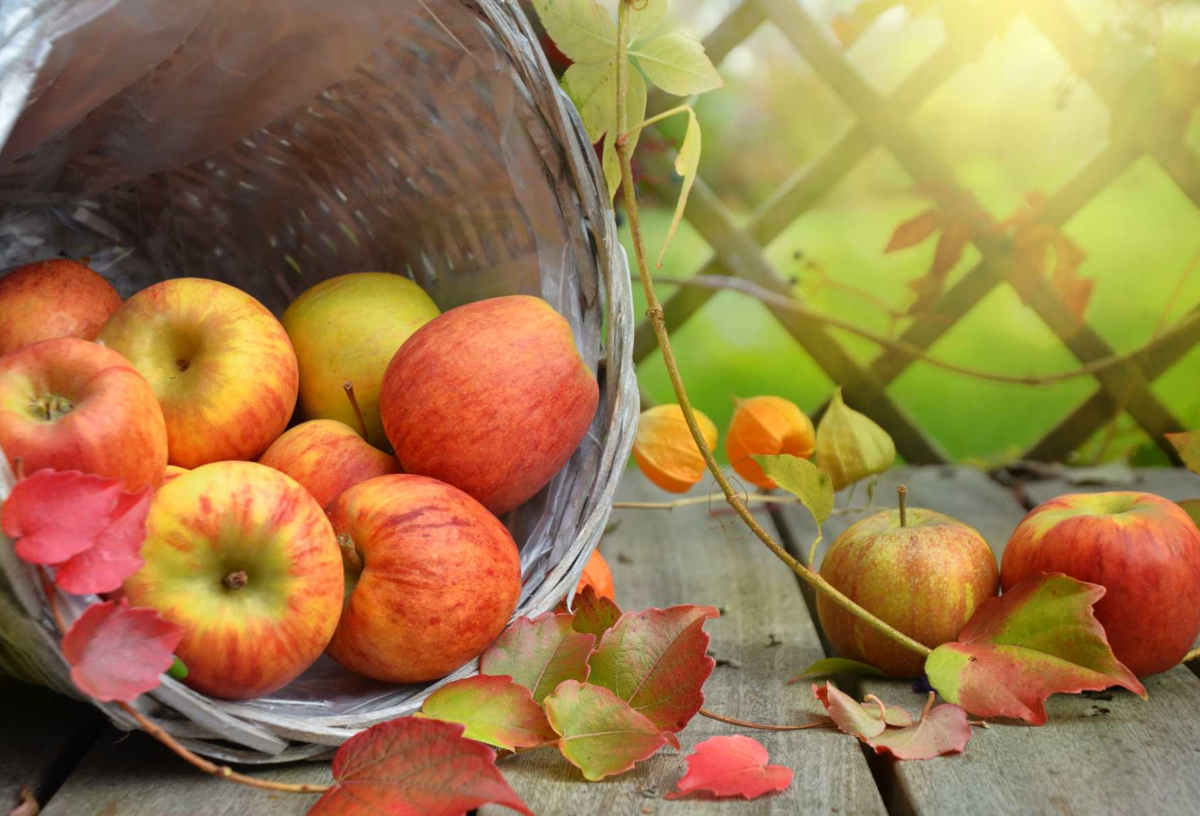
Picked dry from the tree, sorted for the slightest blemish and laid out so that no two fruits touch, apples will hold their flesh through the coldest months. Some cultivars run from autumn to spring; the condition is dark, airy storage at around 50°F (10°C), and the reward is fresh fruit well past Christmas.
The epitome of fruits that can be preserved, apples can be stored in pristine condition until Christmas and even later.
From harvest to storage, here are the rules to follow for an optimum preservation of your apples.
Choosing your apple variety is important, because not all varieties keep equally well.
Even though all apple types can keep for several months if stored properly, some varieties are more stable, even lasting from fall to spring.
Here are apple tree cultivars that keep extremely well:
Choosing the right apple variety makes a big difference when it comes to storage. Some apples are best eaten within a few weeks of harvest, while traditional storage apples can remain firm and flavorful for several months.
Under good storage conditions, the best keeping varieties can last from fall through winter and, in some cases, well into spring.
| Apple variety | Keeping ability | Typical storage period | Flavor and qualities |
|---|---|---|---|
| Arkansas Black | Excellent | Until early spring to mid-spring | Very firm, tart at harvest, becoming richer and sweeter in storage |
| Ashmead’s Kernel | Excellent | Until late winter to early spring | Firm, aromatic, sharp and richly flavored |
| Belle de Boskoop | Excellent | Until early spring to mid-spring | Firm, aromatic and tart; excellent for eating and cooking |
| Braeburn | Excellent | Until early spring to mid-spring | Crisp and firm with a balanced sweet-tart flavor |
| Calville Blanc d’Hiver | Excellent | Until early spring | Fine-textured, aromatic and slightly tart; a classic winter apple |
| Chantecler | Very good | Until late winter to early spring | Sweet, aromatic and pleasantly tart with firm flesh |
| Cox’s Orange Pippin | Good | Until midwinter to late winter | Highly aromatic, juicy and complex in flavor |
| Cripps Pink (Pink Lady) | Excellent | Until mid-spring | Very firm, crisp, sweet and tart; particularly good keeper |
| Elstar | Good | Until midwinter to late winter | Juicy, aromatic and well balanced between sweetness and acidity |
| Enterprise | Excellent | Until early spring to mid-spring | Firm and crisp with a spicy, mildly tart flavor |
| Fuji | Excellent | Until mid-spring to late spring | Very crisp, juicy and sweet; one of the best modern storage apples |
| Gala | Good | Until midwinter to late winter | Sweet, crisp and aromatic, though less suited to very long storage |
| Golden Delicious | Very good | Until early spring | Sweet and aromatic; becomes softer and more mellow with storage |
| GoldRush | Excellent | Until mid-spring to late spring | Very firm, crisp and tart at harvest, becoming sweeter in storage |
| Granny Smith | Excellent | Until mid-spring | Firm, crisp and tart; retains its texture particularly well |
| Gravenstein | Limited | Until mid-autumn to late autumn | Juicy and highly aromatic but not intended for long-term storage |
| Honeycrisp | Very good | Until late winter to early spring | Exceptionally crisp and juicy with a balanced sweet-tart flavor |
| Idared | Excellent | Until mid-spring to late spring | Firm, juicy and mildly tart; traditionally valued for long storage |
| Jonagold | Very good | Until late winter to early spring | Juicy and aromatic with a rich sweet-tart flavor |
| Jonathan | Good | Until midwinter to late winter | Juicy, aromatic and moderately tart |
| Melrose | Excellent | Until early spring to mid-spring | Firm, juicy and aromatic; flavor improves after a period in storage |
| Mutsu (Crispin) | Excellent | Until early spring to mid-spring | Large, crisp, juicy and sweet with refreshing acidity |
| Newtown Pippin | Excellent | Until mid-spring | Firm, aromatic and tart; flavor develops beautifully in storage |
| Northern Spy | Excellent | Until early spring to mid-spring | Crisp, juicy and tart-sweet; excellent fresh or for cooking |
| Ontario | Excellent | Until early spring to mid-spring | Firm and tart at harvest, becoming milder during storage |
| Pinova | Excellent | Until early spring to mid-spring | Crisp, juicy and aromatic with balanced sweetness and acidity |
| Reinette Clochard | Excellent | Until early spring to mid-spring | Dense, sweet-tart and highly aromatic; classic French storage apple |
| Reinette du Canada | Excellent | Until early spring to mid-spring | Firm, aromatic and slightly tart; excellent fresh or cooked |
| Reinette Grise du Canada | Excellent | Until early spring to mid-spring | Firm, russeted and richly aromatic with excellent keeping qualities |
| Reinette d’Armorique | Excellent | Until mid-spring to late spring | Firm, fragrant and sweet-tart; an outstanding traditional keeper |
| Reinette de Brive | Excellent | Until mid-spring to late spring | Firm, aromatic and traditionally valued as a very late storage apple |
| Rome Beauty | Excellent | Until early spring to mid-spring | Firm and mildly tart; especially good for cooking and baking |
| Rubinette | Good | Until midwinter to late winter | Very aromatic, juicy and richly flavored |
| Stayman | Excellent | Until early spring to mid-spring | Firm, juicy and tart with a rich, spicy flavor |
| Winesap | Excellent | Until early spring to mid-spring | Firm, juicy and aromatic with a distinctive spicy flavor |
| York Imperial | Excellent | Until mid-spring | Firm, mildly tart and particularly well suited to long storage |
Key tip: The dates above are approximate and assume good storage conditions. Apples keep longest when picked at the right stage of maturity, handled without bruising and stored in a cool, dark, humid and well-ventilated place. Check them regularly and remove any fruit showing signs of rot.
As a general rule, late-season apples are the best keepers. Many traditional winter varieties actually improve after several weeks in storage, as their acidity softens and their aromas become more pronounced.
There are still many more since the number of varieties of apples is impressive: some have listed over 1,000!
Long keeping is decided long before the crates go into store. Each stage has one thing to get right and one thing to avoid.
| Stage | What to do | What to avoid |
|---|---|---|
| Choosing the variety | Grow a cultivar known to keep, such as ‘Idared’ or ‘Belle de Boskoop’ | Assuming any apple will last the winter |
| Harvesting | Pick from the tree by hand, in dry weather, and lay the fruit gently in the basket | Gathering windfalls, which are bruised |
| Sorting | Spread the fruit out, check it over the following days and keep only flawless apples | Storing fruit that is darkening or spotted |
| Storing | Crates, trays or shelves in the dark, cool and airy | Damp, light and fruit touching fruit |
| Checking | Go through the crates regularly and take out any fruit that is turning | Leaving a rotting apple among the others |
Get all five right and fresh fruit on the table in midwinter is simply the result.
This is one of the most important steps if you’re aiming to keep your apples for a long time.
No point in collecting apples that have fallen to the ground, they are wounded and would only keep for a couple days. You must eat them quickly or bake clafoutis, apple crumble or jam.
You must collect the apples directly from the tree, and they must be carefully chosen and picked in dry weather.
To ensure that each apple is perfect and doesn’t bear any trace of disease or fungus, a first step is to segregate the “1st class” apples.
This step will determine the proper keeping of your apple, since, in proper storage conditions, you’ll be able to keep them past Christmas, even until spring.

With these guidelines, you should be able to keep your apples for many long months, and thus enjoy fresh fruits in winter.
In many monasteries across Europe, you’ll find a curious niche in the thick stone walls.