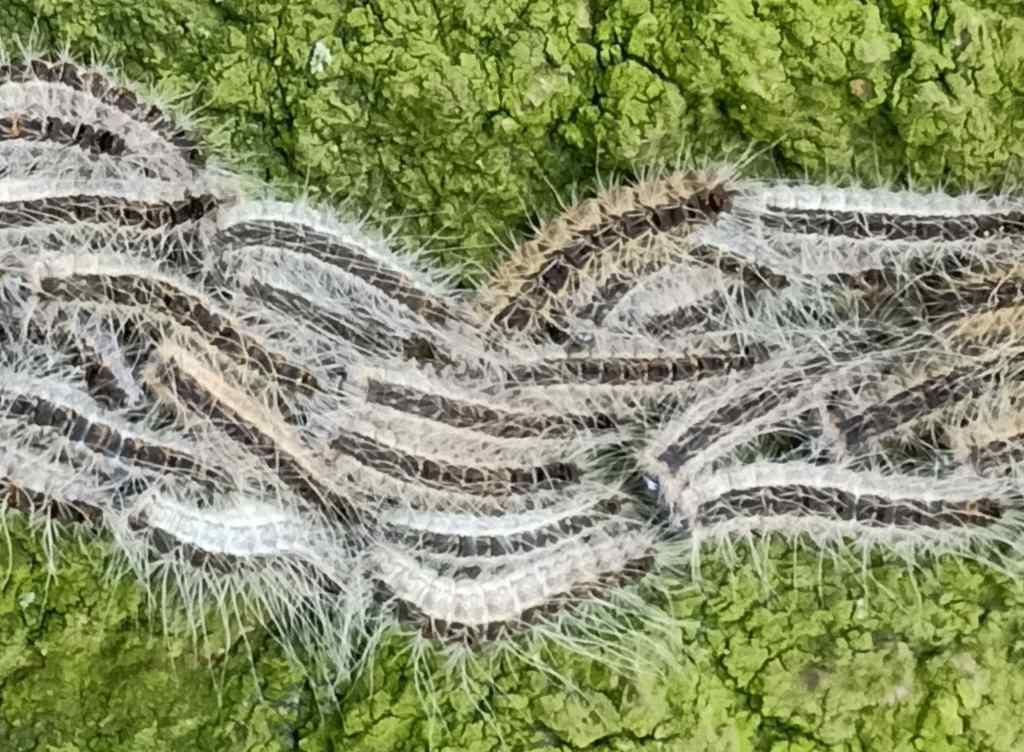
A caterpillar that strips oak leaves bare and then masses into a wispy white nest, much like a scrap of spider web, the oak processionary (Thaumetopoea processionea) is as notorious for its hairs as for its appetite. Those hairs are fiercely itchy for people and pets alike, so treating at the right larval stage is what decides success.
The scientific name is Thaumetopoea processionea and it’s also called oak processionary moth.
For a long time, there was practically no available effective treatment. The only solution was to prevent caterpillars from spreading to other oak trees.
To preserve and protect surrounding trees, cut off branches where nests form and destroy them.
Biological control is turning out to be quite effective, especially when several treatments are applied. They target the caterpillars at a specific stage, so it’s crucial to get the timing right.
→ Also read our page on caterpillar control
The oak processionary is only vulnerable to certain methods at certain points in its life cycle. This table sets out the options described above, from freshly hatched larvae to the adult moths.
| Stage targeted | Method | What it involves | Notes |
|---|---|---|---|
| Just hatched | Nematode Steinernema feltiae | Spraying a biological nematode treatment | Gave a 95% reduction in the pest |
| Caterpillars climbing the trunk | Trunk traps | A trap set across the trunk catches colonies on the way up | Must be frequently monitored and emptied |
| Caterpillars feeding on leaves | Bacillus thuringiensis | Biological spray applied once feeding starts | Several treatments make biological control more effective |
| Nesting stage | Mechanical removal | Locate and destroy the wispy white nests, cutting off the branches that carry them | In England, nests may instead be reported to the local forestry bureau |
| Adult moths | Pheromone traps | Well-placed traps catch the moths themselves | Stay effective for a month and a half |
Because each method targets one stage only, getting the timing right matters as much as the choice of product.
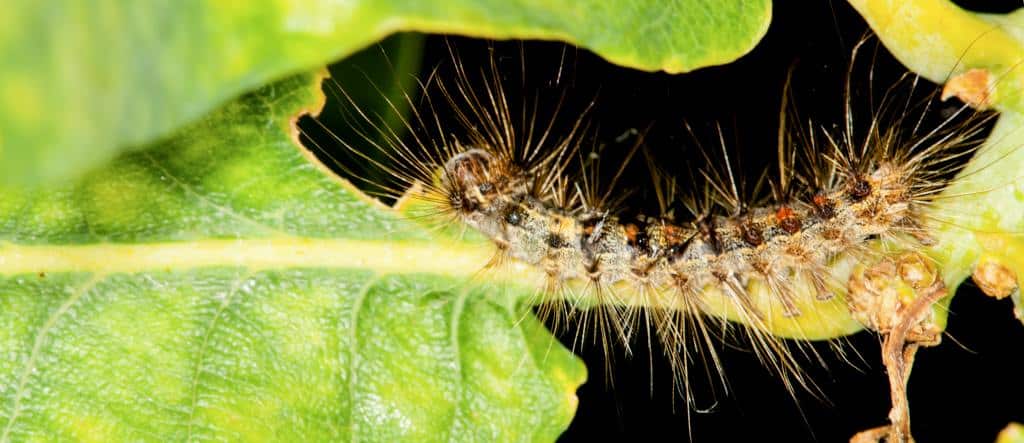
Take great care when cutting caterpillar-infested branches off. Indeed, hairs from these hairy caterpillars are extremely itchy, not only for you but also for dogs, cats, and any other pet living in your house!
→ Read also