A spade driven clean through the centre of an old clump turns one crowded plant into two: half stays put, half is lifted and replanted elsewhere. Division renews the vigour of perennials that have outgrown their space and exhausted the soil around them, and it is the cheapest way there is to fill a bed.
.
It is the most economical solution to add new plants to your garden.
Why should plants be divided?
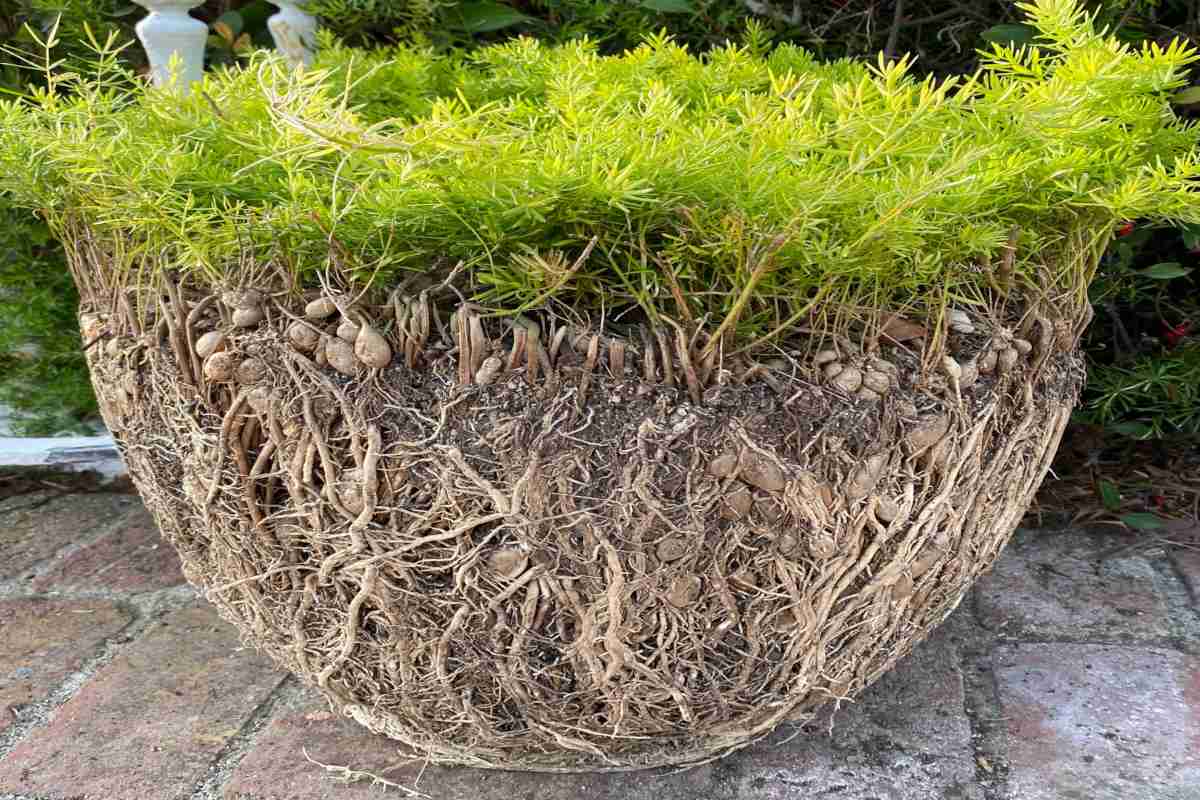
Any perennial that has been growing in the same spot for years tends to develop more and more and gobble up space.
The initial space that was dedicated to it is now too small. Dividing the plant will give it breathing space, and will boost flowering.
As an old bunch grows large, the soil’s nutrients begin to run low and the plant lacks necessary input.
Plant division will give your plant a new start in life, and you’ll have the chance to plant it in other parts of the garden.
When is the best time to divide a bunch?
It depends on the plant and variety.
Generally speaking, crown division is performed after flowering.
Summer-blooming perennials must be divided in fall.
Fall-blooming perennials are to be divided in spring, usually in April.
Condiment perennials can also be divided in spring.
Which perennials to divide, and when
The right moment depends on when the plant flowers, since division follows the flowering season rather than the calendar. Use this table to place each of your clumps before you pick up the spade.
Which perennials to divide, and when
Perennial type
When to divide
Most perennials (crown division)
After flowering
Summer-blooming perennials
Early to late autumn
Autumn-blooming perennials
Mid-spring
Condiment perennials, herbs and spices
Early to late spring
Beyond these habits, how much the clump has spread decides the rest.
How often should perennials be divided?
There are no rules for this. It mostly depends on how much the plant has developed and what you want to do with it.
It can be a good practice to go for dividing a plant every 2 or 3 years.
Aim your spade to the center of the bunch you wish to split.
For smaller, more fragile perennials, try to find a more delicate tool.
Slice the bunch in one clean move along the planned cut line.
Leave one part of the original bunch in place.
Pull out the other part of the bunch, the one that will be transplanted. Take care to spread some of the roots of the static bunch along the vacant gap.
Backfill the hole with a mix of soil mix and garden soil.
Plant the new bunch in the desired location with a blend of soil mix and garden soil.
Written by Gaspard Lorthiois | Loves helping out, especially when it comes to growing things. Worked in herbal medicine, runs a farm, and dabbles in tech. Master's degree and engineer.