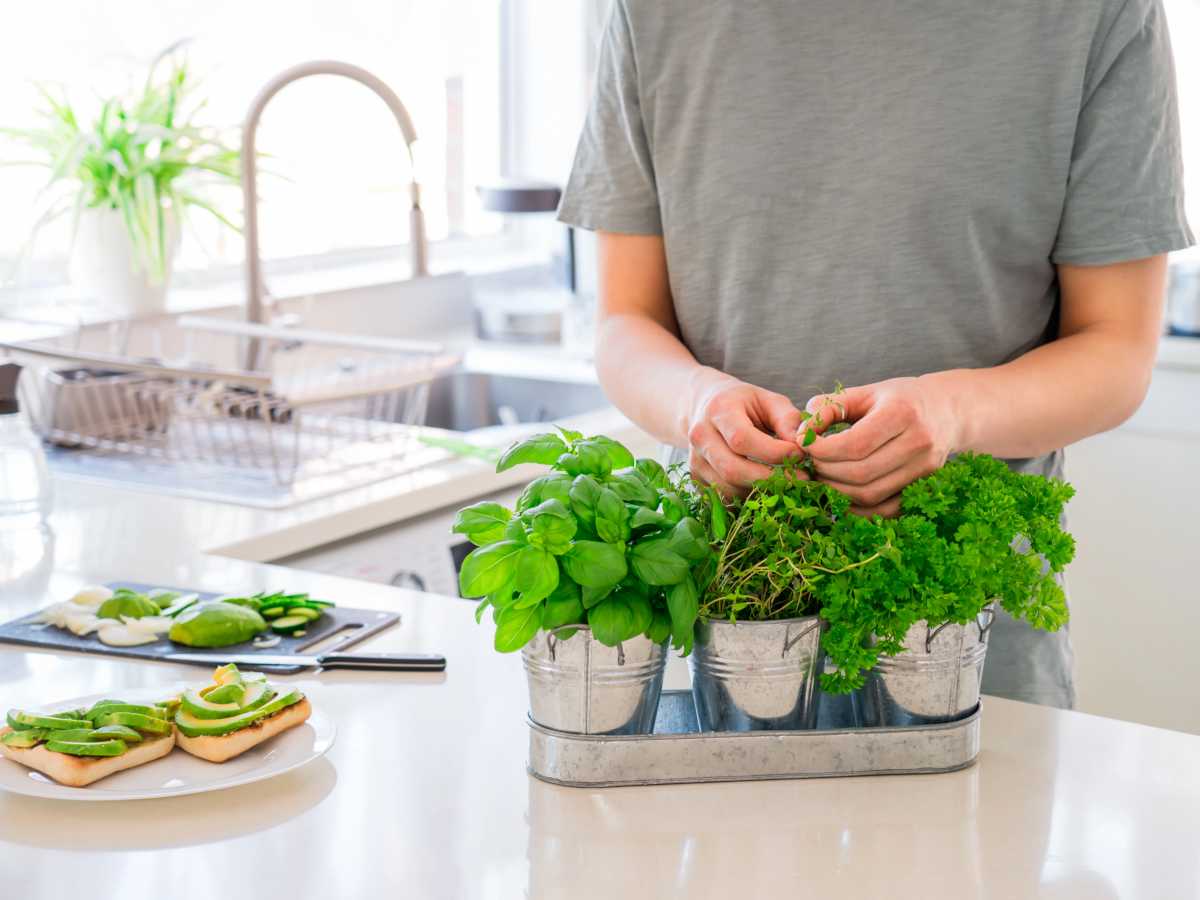
Grow plants straight from the kitchen. No need to leave the house to garden!
Here are a few ways to start growing things straight from the kitchen.
There are dozens of plants you can start growing immediately, without even leaving the house.
In the pantry, you’re bound to have a pack of dried beans or lentils… pick a few, soak them, lay on a bed of moist cotton and see them sprout!
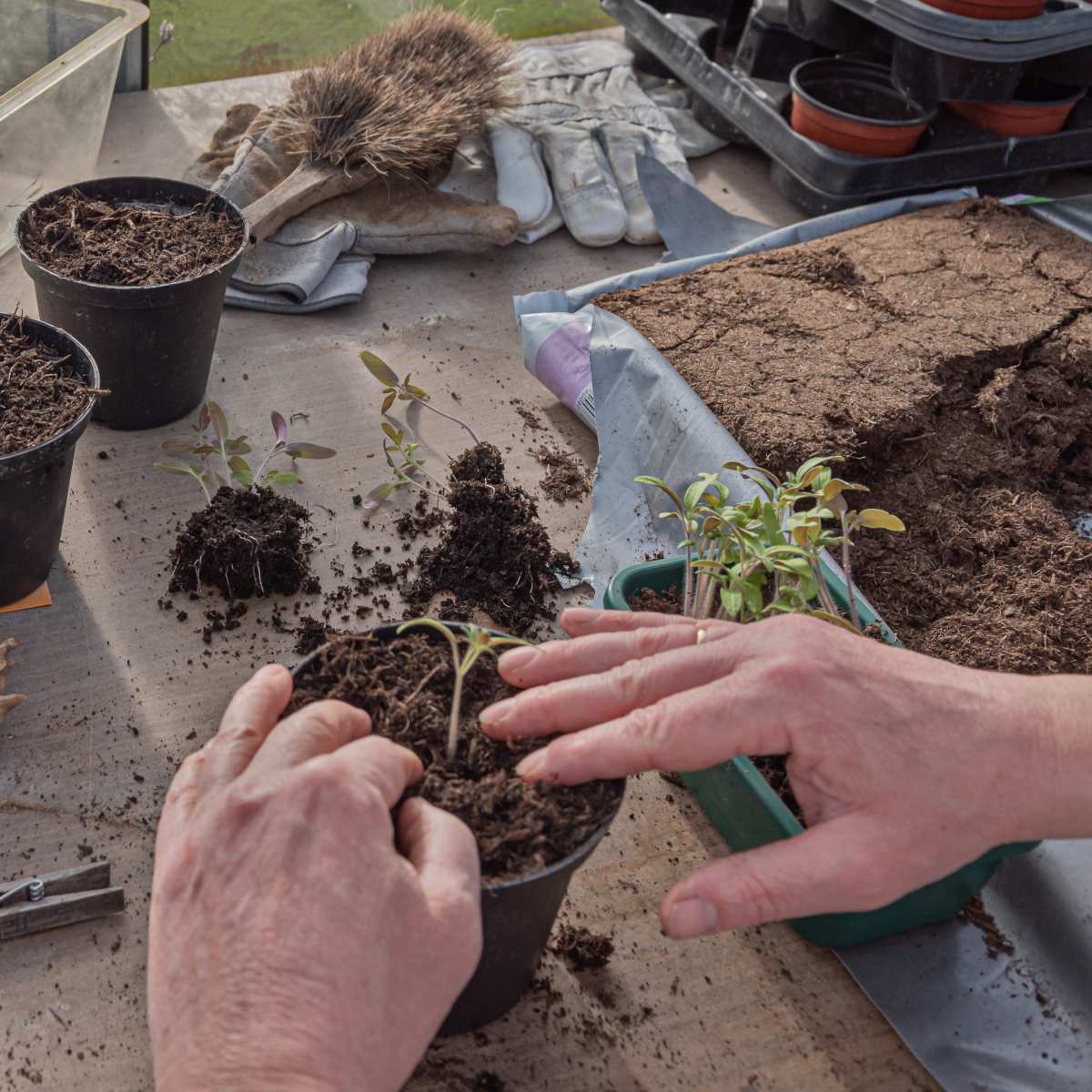 Simply slice them open when you’re preparing meals and set seeds aside. You can sow these immediately, no need to dry them out!
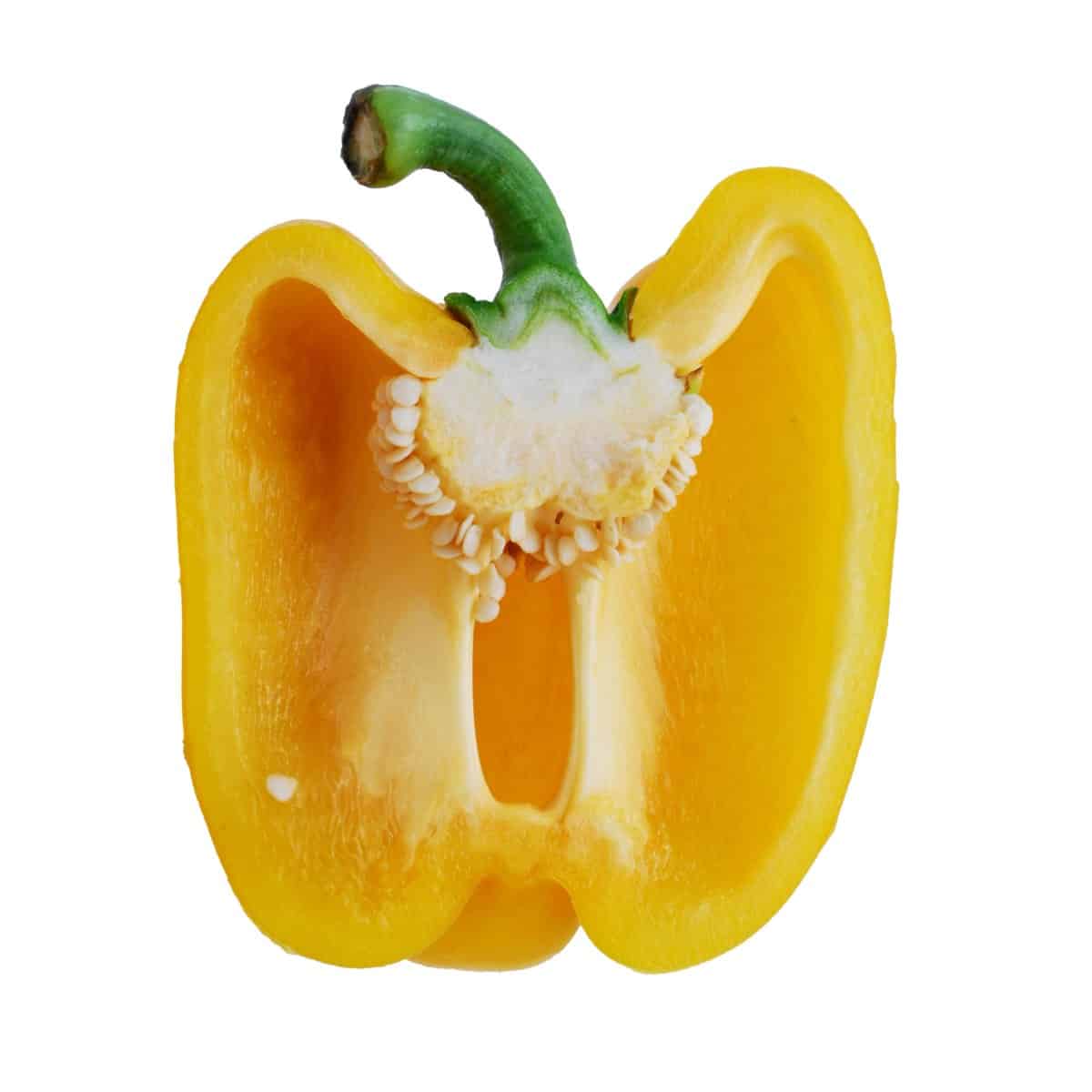 To recover seeds from fleshy fruits, best is “wet separation”:
Very easy to grow back are some of the allium family, but there are many more that are probably already in your refrigerator:
A fun and unusual candidate is pineapple: grow a pineapple in your own house! This grows not from the root but from the crown of leaves.
Note that you can always sprout carrot tops from the crown, too. But it won’t grow into a new carrot. It’s lots of fun to see the leaves, grow, however. You can use carrot leaves to make soup, broth, and even mix them with basil in pesto sauce!
Propagating succulents will give you the most pleasure. This works with all Echeveria, Crassula, Schlumbergera, Kalanchoe and the famous ZZ plant.
Water propagation works well in spring, too.
The first step to planting anything is to prepare soil. Seems a bit difficult when your favorite garden store is closed during the quarantine.
Best is to extend whatever little soil mix you might have. Better have a 50/50 mix of potting soil and shredded carton than one pot only filled with cardboard!
Go around the house and bring out all the houseplants for which you haven’t changed the soil for a year or more.
Here are a few household ingredients you can use to replace soil mix:
All in all, it’s quite possible to get a few extra gallons of material that is perfect for growing many plants, just with these basic kitchen items!
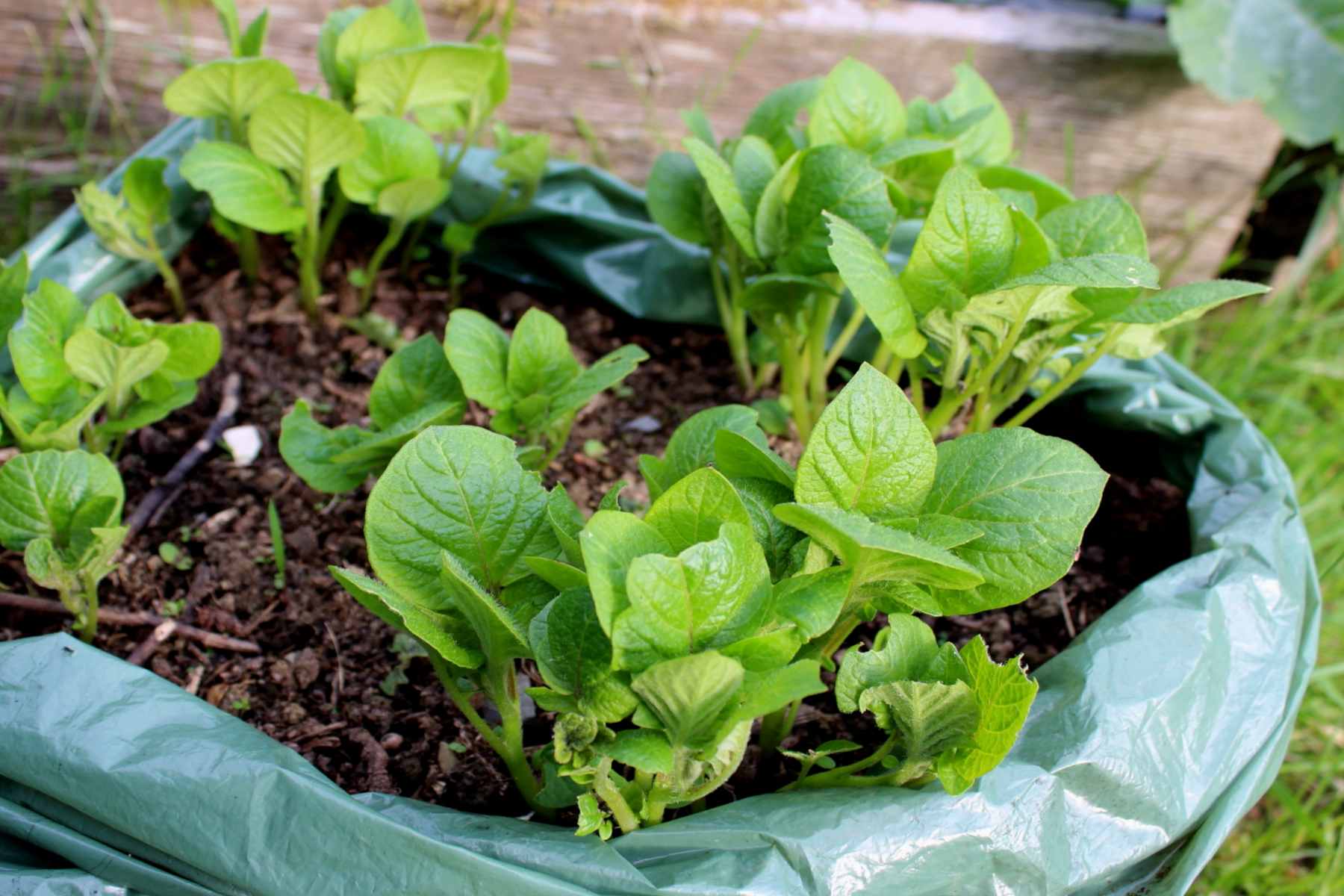 There are a great many options available here.
Any plastic container with a handle can be cut to form a scoop or trowel. Some soda bottles with a “thin waist” are ideal for this purpose, too!
Use ladles and barbecue prongs as cultivators and sticks. Repurpose one of the window-cleaning sprays into a misting handspray.
Some long-necked water bottles are excellent to water your plants, like a watering can. It’s easy to direct the flow to the base of the plant.
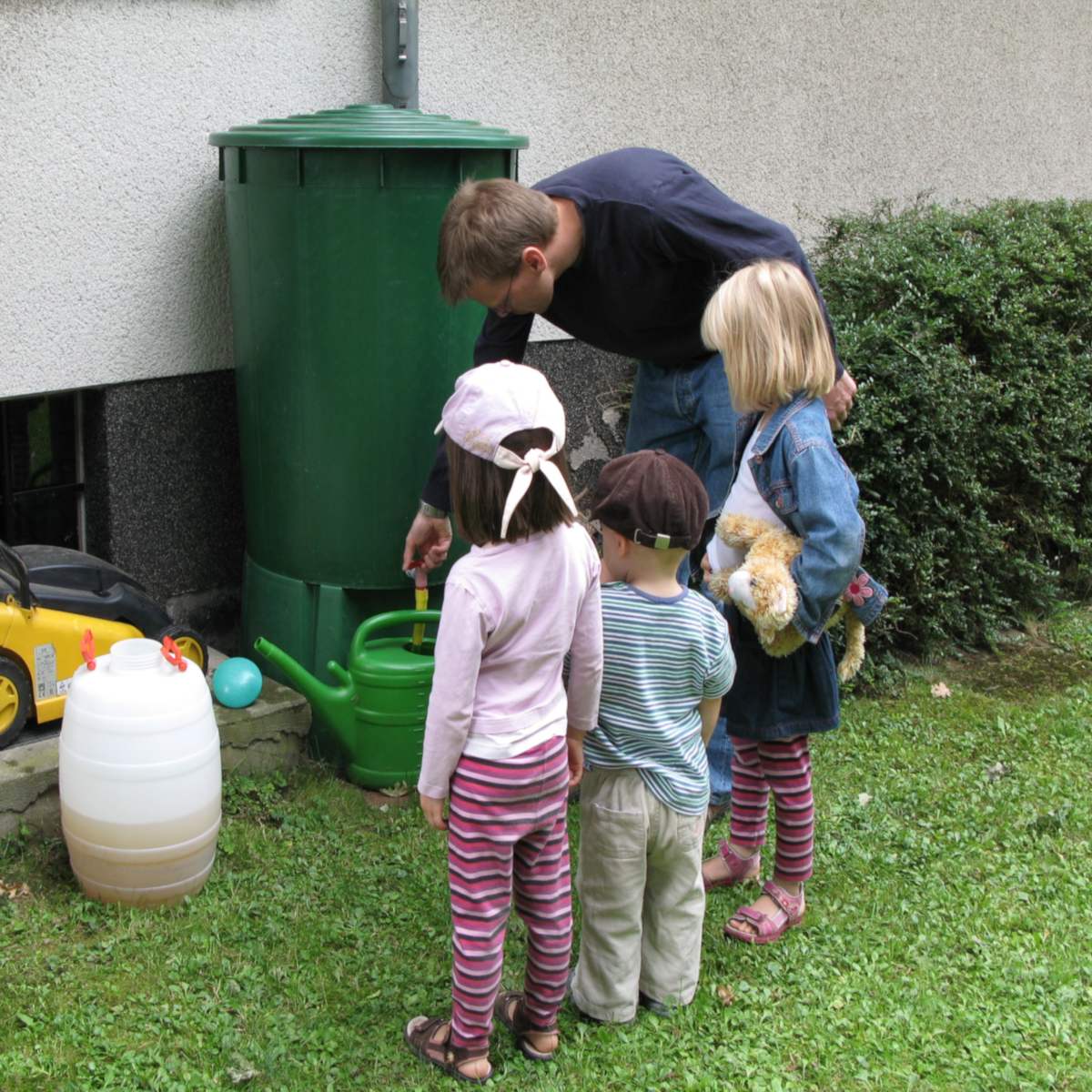 Once you’ve got these wonders started, here are a few tips to make sure they grow up. They’ll be productive and bear fruits and flowers like crazy if you give them soft water, fertilizer, and start them off with nutritious rooting hormones!
Tap water is often called “hard water”. This is because there are lots of minerals in it.
You might have heard that yoghurt is good for health. Indeed, healthy bacteria break down fats and proteins and make them easy to digest for the body. It’s the same thing with plants!
It may be last on this list, but thorough readers will get a head start on their cuttings and seeds.
As a matter of fact, many professionals use rooting hormones (or rooting agents) to start their cuttings.
This is a natural substance that triggers growth of bark or bud cells. It helps them turn into roots when they’re below the surface of the soil or in water.
A jar of honey will do the trick, or a thick leaf of Aloe vera:
Dip your plant cuttings in the resulting mix. Both techniques will work well independently, and you can combine them if you wish.
With all these props and plants growing, you might need more space to grow everything! Try to set up an indoor plant wall. You’ll be growing vertical crops!