Basil, very tasty leaves: how to grow and harvest Ocimum basilicum
·
2
Tender, intensely fragrant leaves — plain green, ruffled or dark purple depending on the variety — make basil (Ocimum basilicum) the backbone of pesto, pistou and mozzarella-and-tomato plates. Native to India and long grown around the Mediterranean, it asks only for a sunny, sheltered spot and soil kept consistently moist, and it will crop from late spring to mid-autumn.
Basil at a glance
Name
Ocimum basilicum
Family
Lamiaceae
Type
herbs and spices
Height
8 to 16 inches (20 to 40 cm)
Exposure
full sun
Soil
light, well-drained
Harvest
late spring to mid-autumn
Forget about store-bought basil wrapped in plastic that only keeps for a couple days. Why not discover the taste of real basil, freshly harvested to meet your needs?
You’ll often be purchasing your basil in pots: transplant it to the ground earliest in late spring or anytime over the summer.
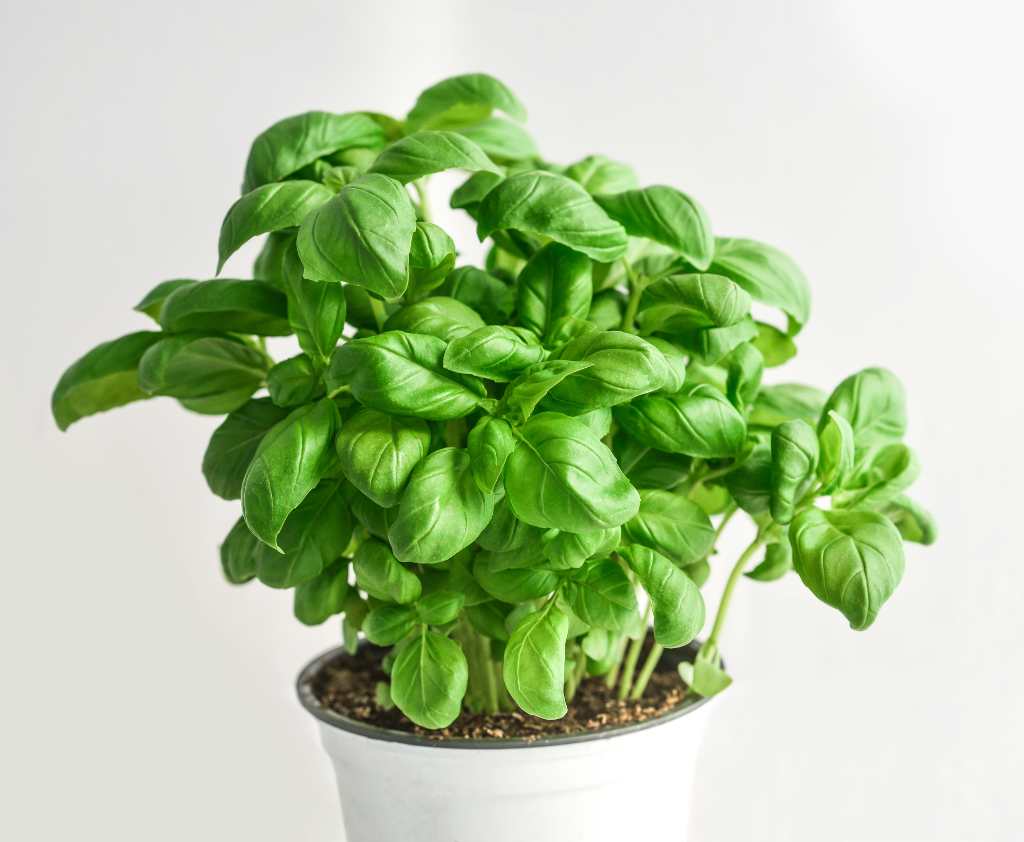
You can also leave it in its original pot for a while for easy picking indoors or on a balcony.
What is best, though, for growing potted basil is to repot immediately after purchasing in a larger pot.
Choose a sun-bathed area, sheltered from winds.
The ground must drain well to avoid stagnant water.
Water regularly after planting, but not too much.
Planting basil indoors
This plant is perfectly suited to indoor growing, or on a balcony, in pots or garden boxes.
Take care to water regularly so that the soil mix never dries up. If you purchased your basil in a pot in a supermarket, chances are you’ll have to water every day until you repot it to a larger pot.
Sowing basil
Sowing basil is a great way to get nice, high-quality basil plants.
You can purchase seeds in stores and recover more after your basil blooms to sow them again the following year.
You can sow directly in the ground, starting in mid-spring in Southern regions and in May for other regions.
Sow in light, well-drained soil, and if you can, add soil mix and amendments.
Watch over the sowing for a few weeks: the soil must stay moist. Don’t let it stay soggy for long, though, or your seedlings will die.
When seedlings have grown 2 to 3 leaves, thin so that only the more vigorous plants are left with space to grow.
When the plant is 4 inches (10 cm) tall, pinch stem tips to induce branching.
Collecting and harvesting basil
You can harvest basil leaves all spring and summer long.
Select larger leaves, and snip the entire stem off, so that new shoots can appear.
Basil can be harvested all day long, but usually is collected just before meals, so that its freshness and savor are at their highest.
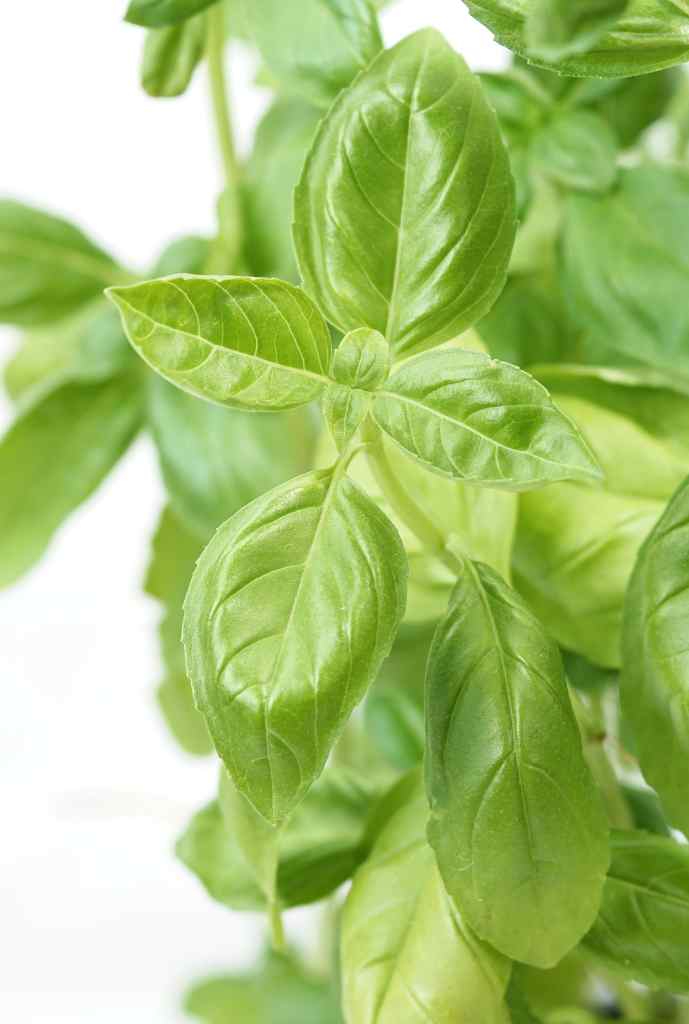
On plants with opposite (paired) leaves, such as basil or fuchsia, cut each stem just above a leaf pair, since the two axillary buds there will branch out, giving a bushier plant with more to pick later.
Pinch offflower spikes as soon as they appear: this keeps basil producing new leaves and delays bolting, after which foliage typically becomes smaller and tougher, and many gardeners find the flavor less appealing.
A common guideline is to take no more than about a third of the plant per picking, leaving enough foliage to fuel regrowth, though many herbs and leafy greens tolerate harvesting half or more.
Keep cut basil stems upright in a glass of water at room temperature rather than in the fridge, as cold storage blackens and collapses the leaves within a day or two.
Growing potted basil
Basil thrives indoors, in pots, all year long
It is very easy to grow your basil inside your house, on a balcony or terraces.
What is the best season to plant basil in a pot?
There isn’t any “better” season to grow basil indoors.
You can really grow it all year long, even in winter.
Usually it is added to summer meals.
It is mostly grown from mid-spring to early autumn-mid-autumn, both indoors and outdoors.
Choose a sunny, well-lit space like a windowsill for instance.
Which basil to choose: leaves and flavours compared
The basils listed above differ mostly in leaf size, leaf colour and taste. Use this table to pick the one that suits your pot, your plate or your recipe.
Which basil to choose: leaves and flavours compared
Variety
Leaves
Flavour or use
‘Balconstar’
Tiny, green
Roundish, bushy pot arrangements
‘Grand Vert’
Huge
Tasty and easy to harvest
Mammoth basil
Giant, ruffled
Large leaves for generous picking
Lettuce leaf basil
Very large, wavy
Fragrant
Purple ruffles
Purple, jagged-edged, slightly ruffled
Very fragrant
Red rubin basil
Dark purple
Coloured foliage
Marseillais
Oval
Very fragrant
Fino verde
Thin
Delicately fragrant
Lemon basil
Green
Tastes of lemon
Thai basil
Green
Tastes like aniseed
There are enough varieties of basil to fit any taste, whether you grow in the ground or in a pot on the windowsill.
Learn more about basil
Sun, moist soil and feeding keep basil bushy
Native to India, basil spread to the Mediterranean region where it was added to most types of dishes, salads and sauces.
Growing basil is quite easy as long as basic rules are followed.
Choose a location that is sunny but not scorching.
Consistently moist soil.
Fertilization from late spring to late summer.
Basil is an ingredient in many Mediterranean meals, especially in Italy. The most iconic of these are pesto, pistou or basil-mozzarella tomatoes…
Basil-based recipes are innumerable and in most cases a true delight on a good summer day.
Basil was imported to Egypt long before being used in European cooking.