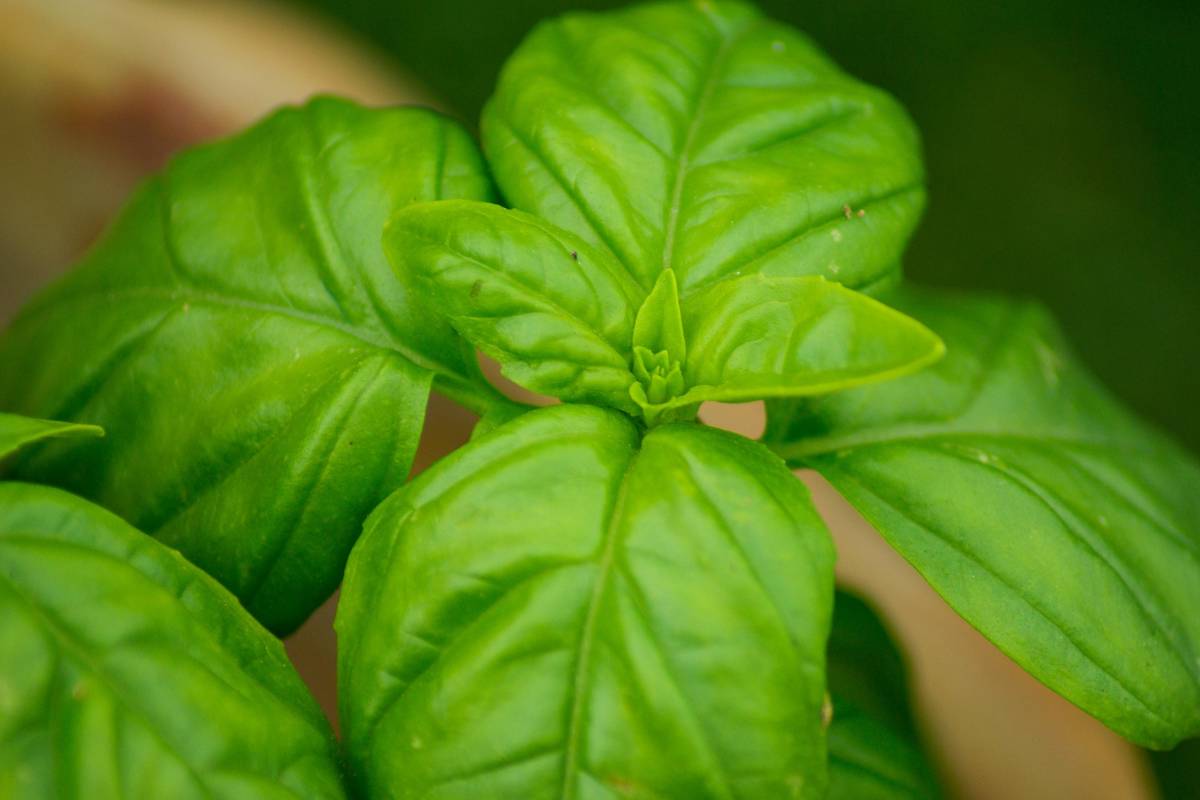
The ‘Grand Vert’ basil is a broad-leaved variety with large, waffled leaves that are particularly fragrant. Its common name is telling, since it goes by the moniker “large-leaf basil”. This annual herb was originally native to South-East Asia. It’s a condiment grown for its particularly fragrant leaves, a key ingredient in many Mediterranean dishes like pistou and pesto. Grand Vert basil is easy to grow and only requires occasional care once it’s well-settled in.
| Name | Grand Vert Basil |
|---|---|
| Botanical name | Ocimum basilicum ‘Grand Vert’ |
| Family | Lamiaceae |
| Type | herb |
| Height | 12 to 16 inches (30 to 40 cm) |
| Planting distance | 10 inches (25 cm) |
| Exposure | sun or part shade |
| Soil | rich in humus, cool, draining well |
| Planting | late spring |
| Harvest | late spring to mid-autumn |
You should start sowing the ‘Grand Vert’ basil in a warm setting between February and April, either indoors or in a heated shelter. They can be started off in nursery pots that have small holes at the bottom. Starting in May, seedlings can be transferred directly to the ground in the growing bed, after the last frost.
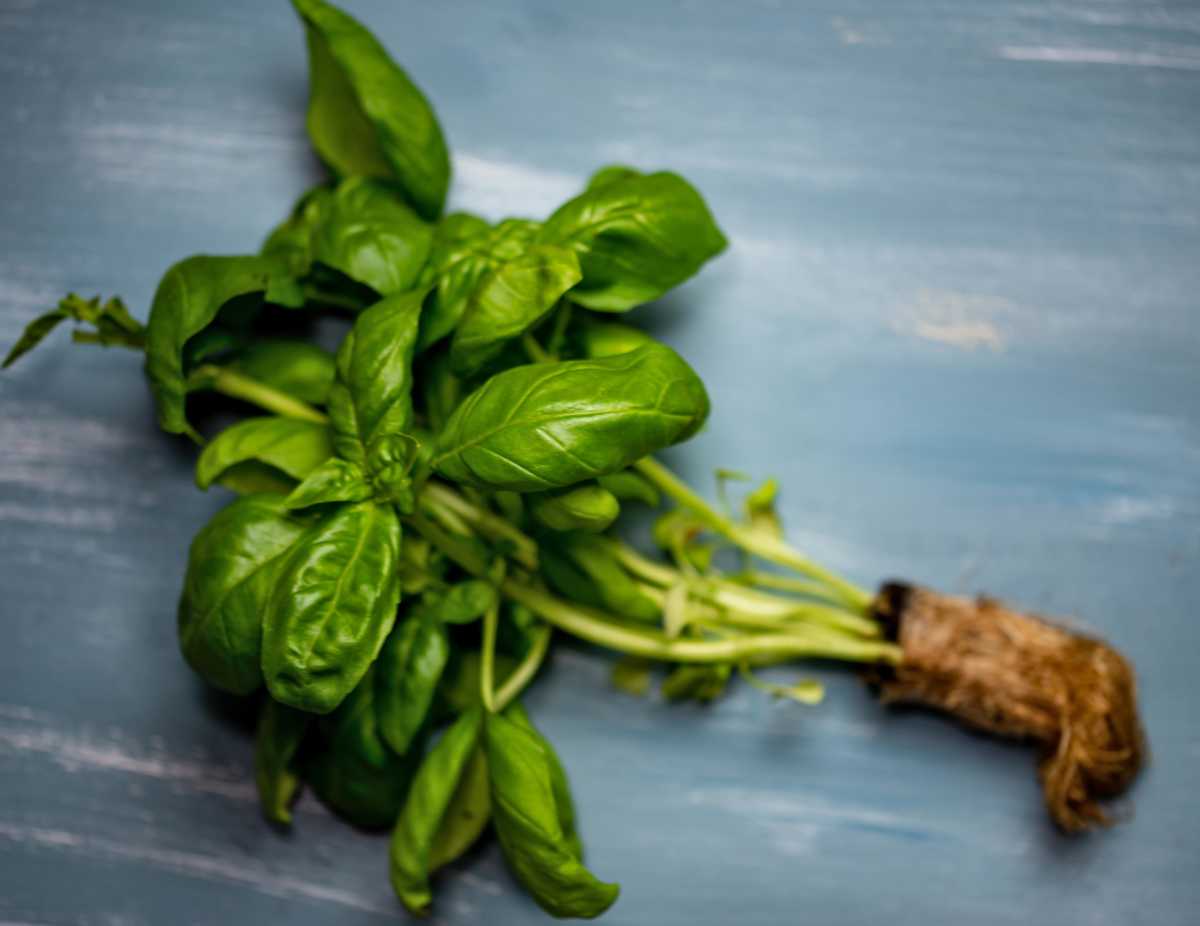
Keep near light, but not in direct sunlight. Usually, the seeds will sprout after about 10 days (68°F or 20°C).
Before transplanting them outdoors, harden the young Grand Vert seedlings for at least two weeks: every morning, bring them outside in the sun, and every evening bring them back inside. They need to be protected during the night.
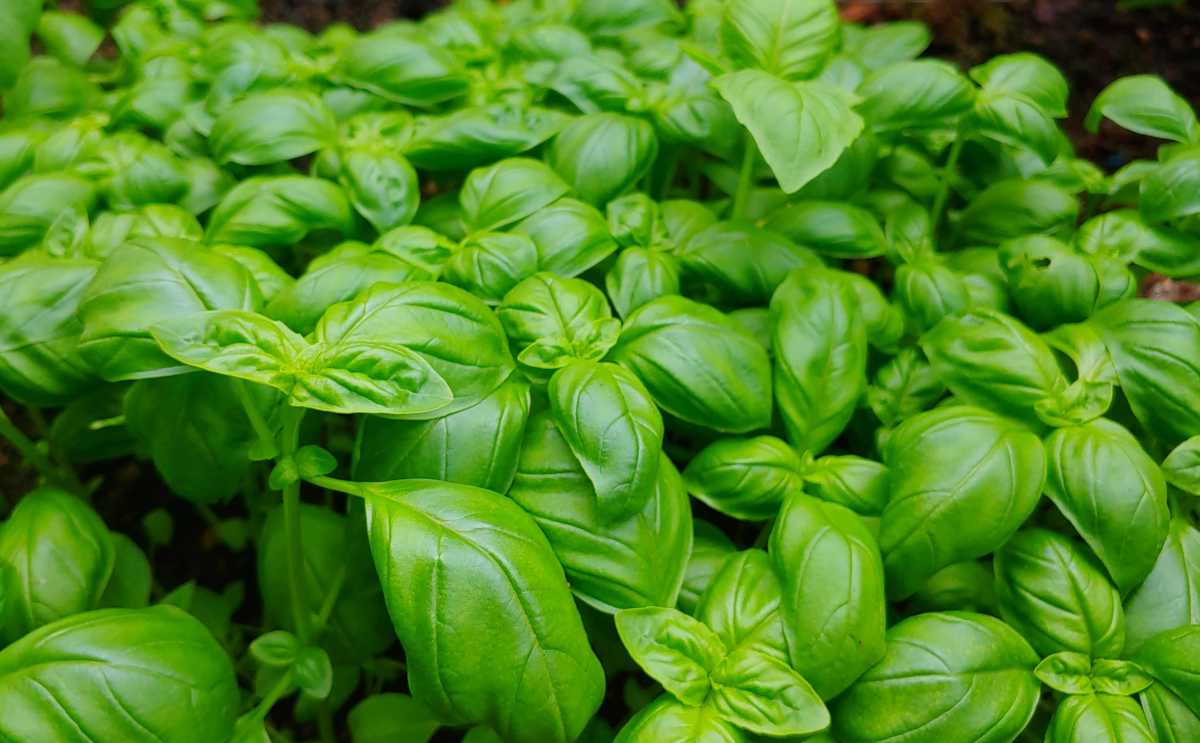
Once any risk of freezing has subsided, the time has come to transfer your Grand Vert basil outside in a warm and sunny location. Note that if you’re in hot, dry climate, it’s better to grow them in part shade.
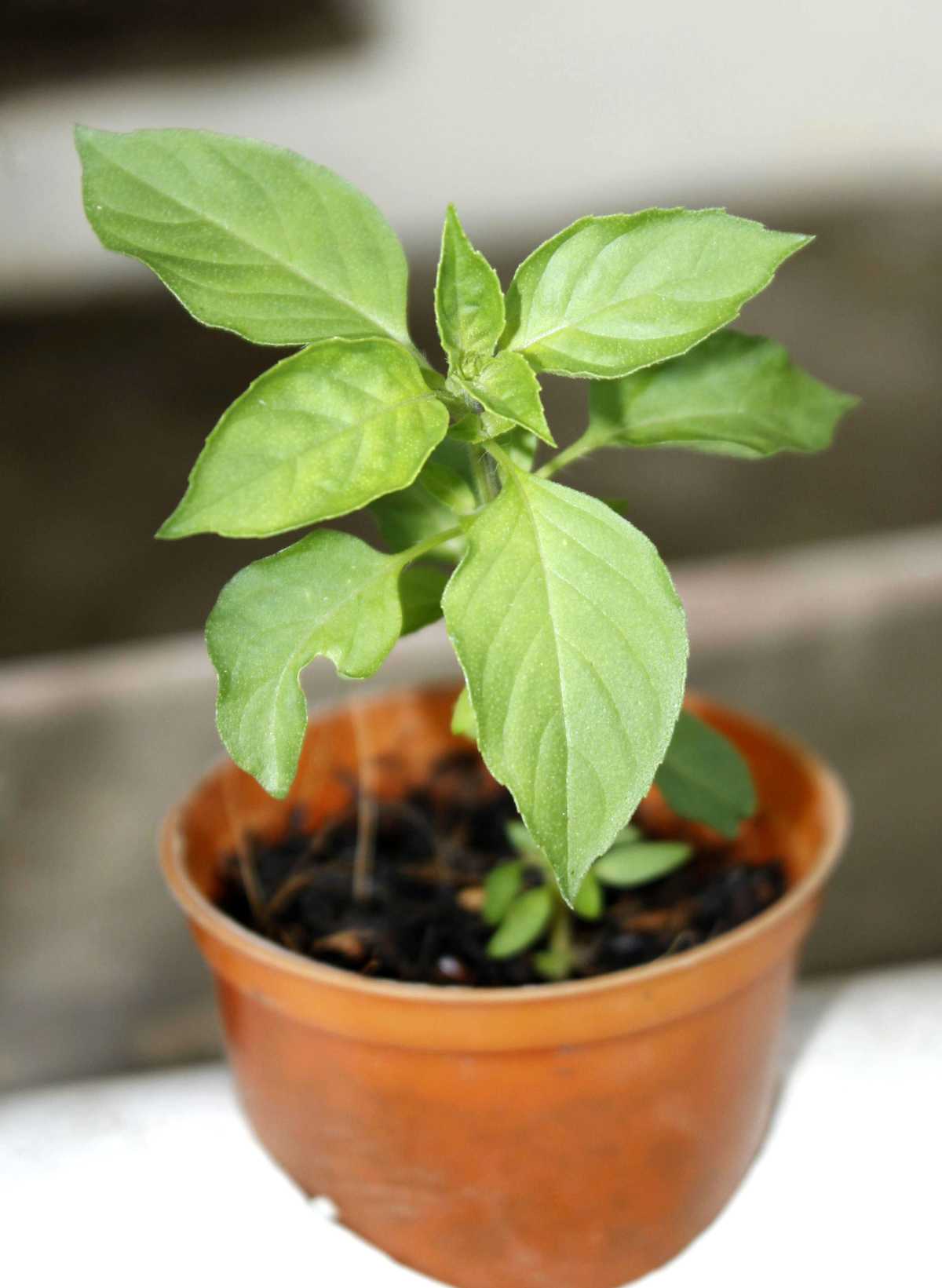
Pour about half an inch (1 – 2cm) of clay pebbles or pozzolana at the bottom of a pot that has a hole in it, and cover with any type of soil mix. Use a sprayer to water young Grand Vert seedlings. When the plant took off, either water it from above or bathe the whole pot in water in a pail.
Read also:
Each stage of growing ‘Grand Vert’ basil has its own timing and its own conditions. The table below sets them side by side so you can see at a glance what needs doing, and when.
| Stage | When | Where | Key point |
|---|---|---|---|
| Sowing under cover | Late winter to mid-spring | Indoors or in a heated shelter, in nursery pots | Seeds sprout in about 10 days at 68°F (20°C), kept near light but out of direct sun |
| Planting out in the ground | Late spring, after the last frost | A warm, sunny bed, or part shade in hot, dry climates | Loosened soil, one seedling every 10 inches (25 cm), watered with lukewarm water |
| Planting in pots | Late spring, once freezing is over | A pot with a drainage hole, on a layer of clay pebbles or pozzolana | Water young seedlings with a sprayer, then from above or by bathing the pot |
| Harvesting | Late spring to mid-autumn | Straight from the plant, leaf by leaf | Cut with scissors as the kitchen needs, picking just before eating |
Meet those four moments and the plant asks for very little else beyond regular watering.
Grand Vert basil appreciates soil with lots of humus, as long as it stays cool and drains well. It hates the cold, and doesn’t cope well with soggy soil. Settle it down in a sunny spot that doesn’t turn scorching, or in part shade to protect it against drought. Too much direct sun can also scorch its leaves.
Drought and dry soil will cause the Grand Vert basil to go to seed. To stop it in its tracks, snip the tip off of its stems. Also try to water the plant often, and add a layer of grass clippings for mulch around the base.
Lastly, pinch off floral scapes when they appear, this will lead to more leaves instead.
Grand Vert basil resists diseases quite well.
You can harvest your first Grand Vert bail in May, and probably keep on gathering them deep into October. Use scissors to harvest them, as needs arise in the kitchen.
Generally, try to pick the leaves just before eating! However, they also keep well enough when dried and stored in an airtight container. Basil also retains some flavor if you freeze it, but not much compared to fresh leaves.
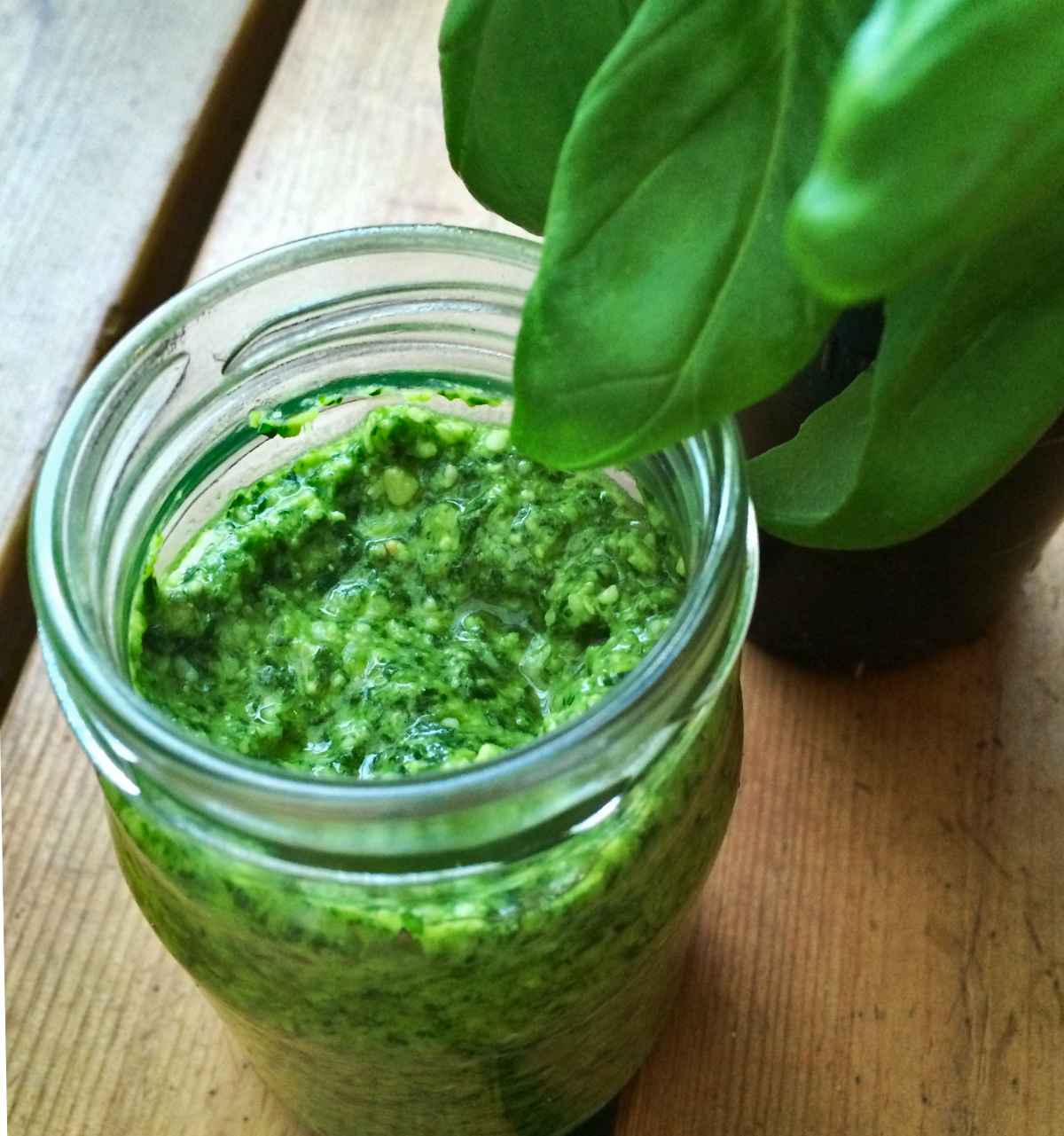
A staple of many recipes around the Mediterranean, fresh and dried Grand Vert basil leaves are included in tossed salads, marinades and sauces, and pair particularly well with pasta, meat and fish.
A famous recipe is the “Pistou de Provence”, a dish that shines light on the true taste of Grand Vert basil leaves. In this recipe, pine nuts, garlic and olive oil are added in with cream cheese: a delicious mediterranean dressing!
There’s no limit as to how much basil you can use in your cooking, for the taste, of course, but also for its many health benefits.