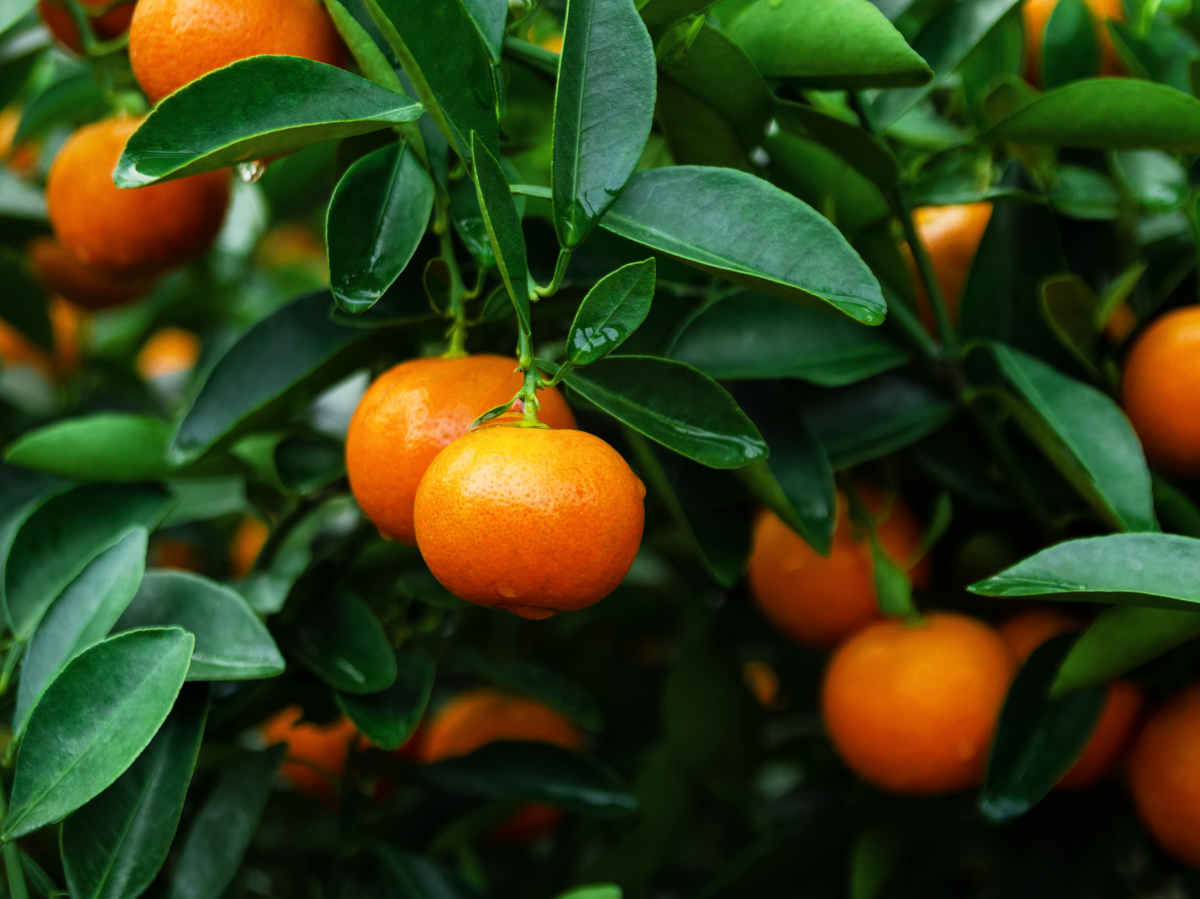
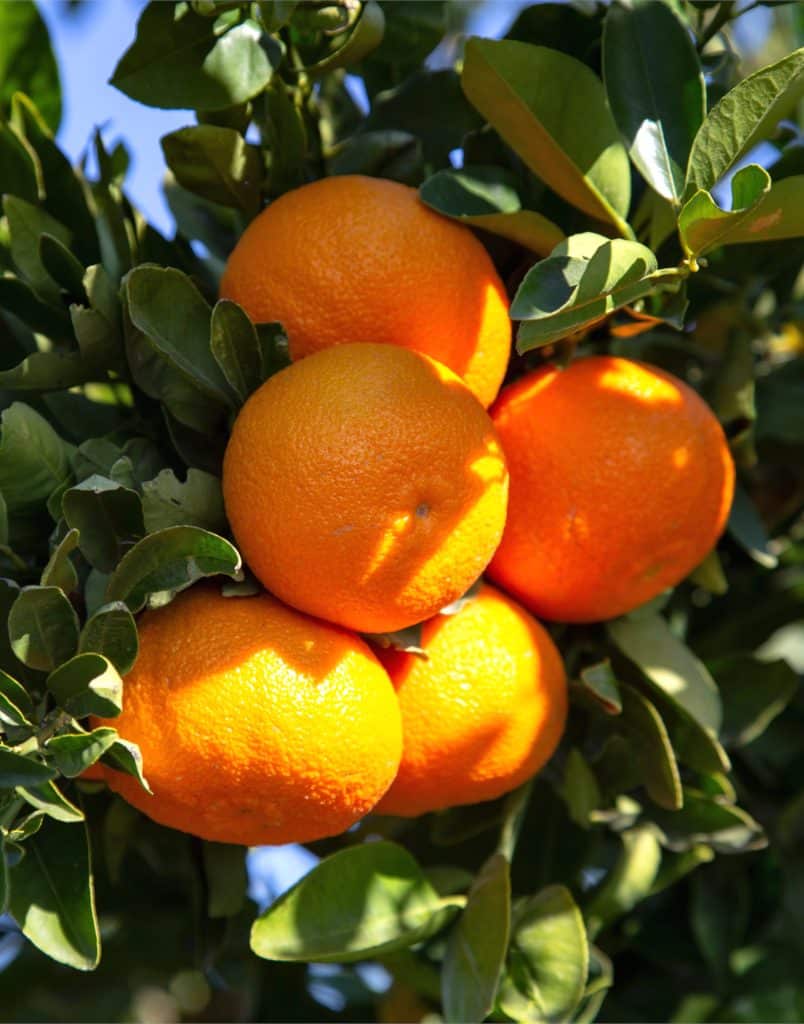
Evergreen the year round, the clementine tree (Citrus x clementina) flowers in spring and carries its fruit into autumn and winter, which is when the crop is picked. Grown across the Mediterranean for its abundance, it needs a sun-bathed spot sheltered from wind: meet that and it shrugs off cold down to 17°F (-8°C).
| Name | Citrus x clementina, Citrus clementina |
|---|---|
| Family | Rutaceae (Rue family) |
| Type | fruit tree |
| Height | 16 to 20 feet (5 to 6 m) |
| Exposure | full sun |
| Soil | rich enough |
| Foliage | evergreen |
| Flowering | spring |
| Harvest | autumn/winter |
Care, pruning and watering are practices that increase tree growth and clementine fruit formation.
It is recommended to plant clementine trees in fall or in spring.
You may plant it in a sun-bathed spot, sheltered from wind, so that it may have the highest possible productivity.
Growing directly in the ground is only possible in areas where winter is mild.
Farther North, you should plant it in pots so that you may bring it indoors to a cool but non-freezing place during the cooler months.
For potted growing of clementines, refer to our page on potted orange trees because it is exactly the same thing.
Where you live decides how a clementine tree is grown and how it spends the winter. The table below sets the two options side by side, along with the protection each one needs in cold weather.
| Situation | Suited to | What to do | Cold limit |
|---|---|---|---|
| Planted in the ground | Areas where winter is mild | Choose a sun-bathed spot sheltered from wind for best productivity | 17°F (-8°C) depending on the variety |
| Grown in a pot | Farther North, where winters are cold | Bring it indoors to a cool but non-freezing place for the cooler months | Must not freeze |
| Left outdoors over winter | Mediterranean-like and warmer climates | Wrap in horticultural fleece to cope with freezing spells | 17°F (-8°C), extended frost can be fatal |
| Potted plant over winter | Any region with hard frost | Move it to a greenhouse or an unheated lean-in | Cool but frost-free, for winter dormancy |
Whichever option you choose, full sun and shelter from wind remain the keys to a good crop.
It isn’t really a requirement to prune.
In Mediterranean-like and warmer climates, you can grow it and keep it outdoors in winter.
When outdoors, remember it can hold to temperatures as low as 17°F (-8°C).
What is best is to use horticultural fleece which will let it cope with these low freezing temperatures best.
If you are growing it in a pot, the best thing to do is to move it to a greenhouse or an unheated lean-in so as to protect it from freezing, while letting it feel the cool it needs over its winter dormancy.
A pest that will spread quickly across clementine trees is red spider mite.
Named clementines differ mainly in when the fruit ripens, its size and how easily it peels, so a single tree can be matched to your picking window. The table below compares the varieties most often offered by garden centres and citrus nurseries.
| Variety | Harvest window | Fruit | Seeds when grown alone | Growing note |
|---|---|---|---|---|
| Algerian | Autumn to winter | Medium, rich flavour | Seedless | Vigorous, widely sold in the US |
| Clemenules (Nules) | Mid to late autumn | Large, very easy peel | Seedless | The standard commercial clementine |
| Oroval | Early autumn | Large, loose peel | Seedless | Pick promptly, rind puffs if left |
| Marisol | Very early autumn | Medium to large, flattened | Seedless | Earliest crop of the group |
Because hardiness runs to about 17°F (-8°C) depending on the variety, choose named clementines such as Clemenules (Nules) and Hernandina: both crop within the autumn-to-winter harvest window and, planted away from other citrus, will set seedless fruit.
Common name – clementine tree
A beautiful tree of the Citrus family which also includes the orange tree and the lemon tree, clementine trees tend to be slightly more resistant to cooler temperatures and to various diseases.
A French missionary priest called Father Clément supported the development of this fruit in France at the beginning of the XXth century, and the fruit was named after him.
It is mainly grown in the Mediterranean area, but it does tolerate harsher climates, especially when well protected from wind and winter cold.
Light mulch in summer will retain moisture and reduce water needs.
Read also on citrus