Organic gardening means gardening together with nature instead of against it. Organic growing techniques endeavor to respect soil, plants… and the consumer, too. They rely on vegetable and fruit species that are well-suited to local growing conditions.
For the ground to stay fertile, crop rotation plans are implemented and involve beneficial animals to protect harvests from pests and parasites.
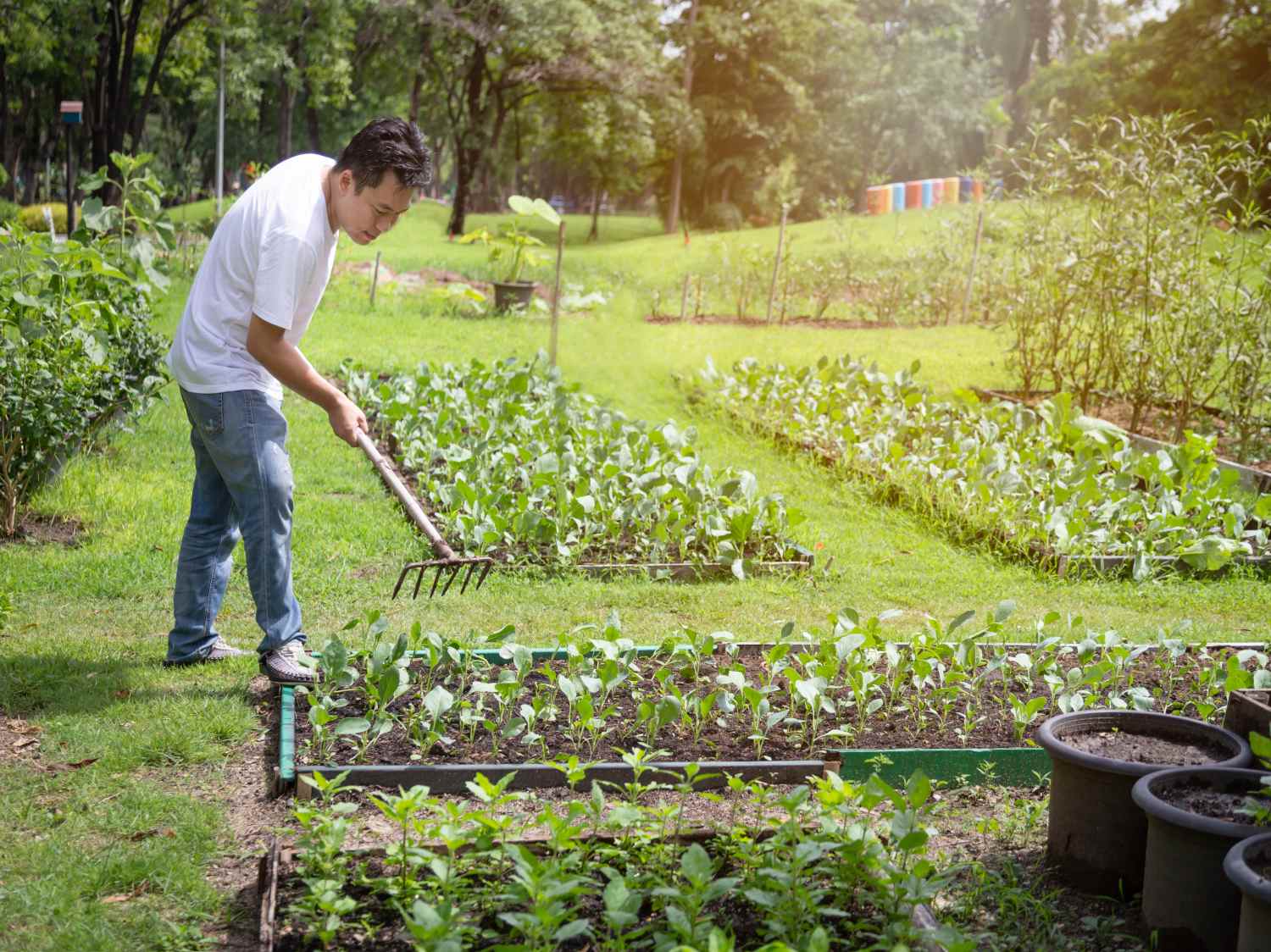
An organic gardener produces flowers, fruits and vegetables working together with the soil. The soil is considered a living being that is part of the production chain, not a random sterile growing medium. So as to avoid disturbing its many micro-organisms, the gardener uses adequate tools (broadfork, spading fork, grelinette, soil decompactors) and “natural treatments” (such as: fermented plant tea prepared from nettles, comfrey or horsetail).
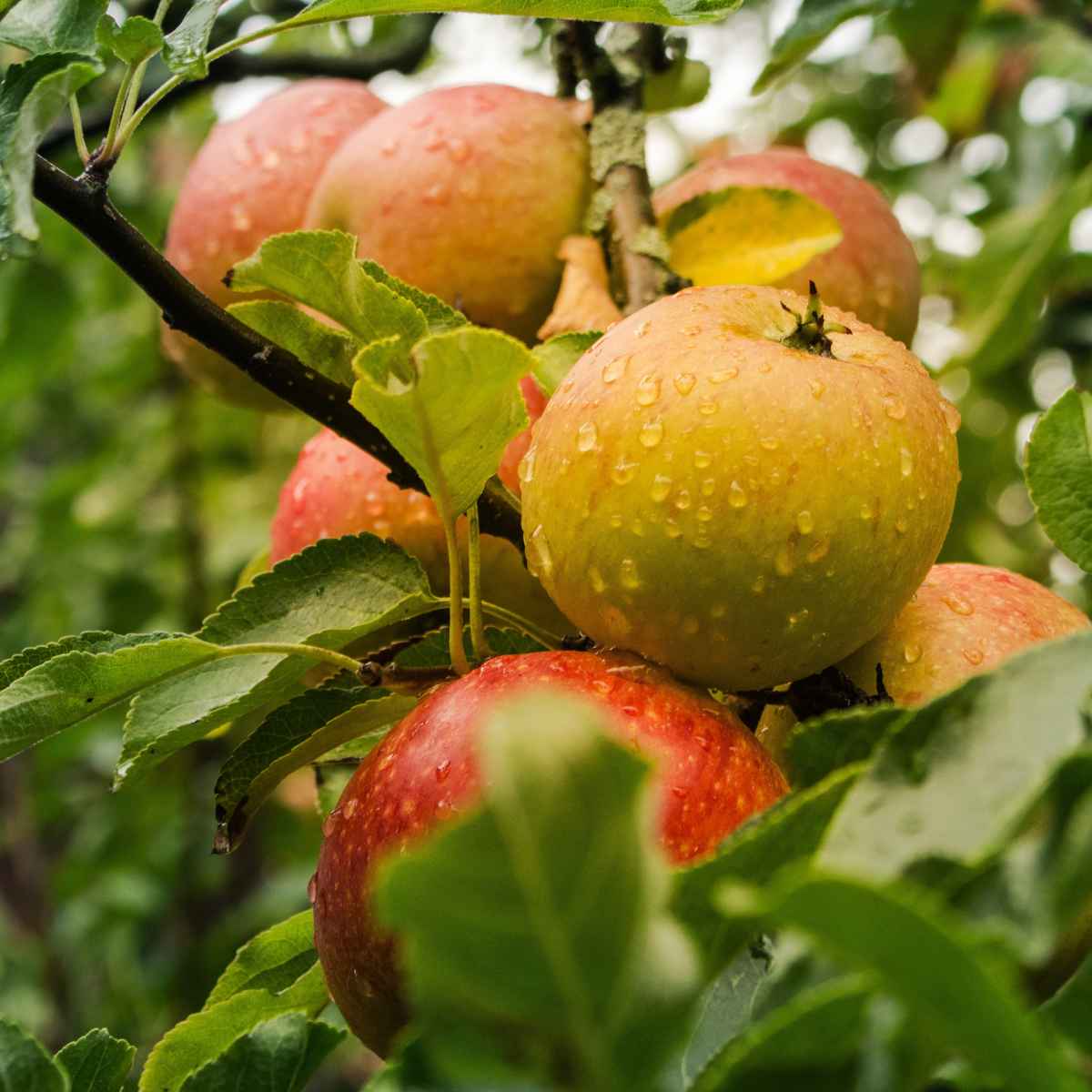
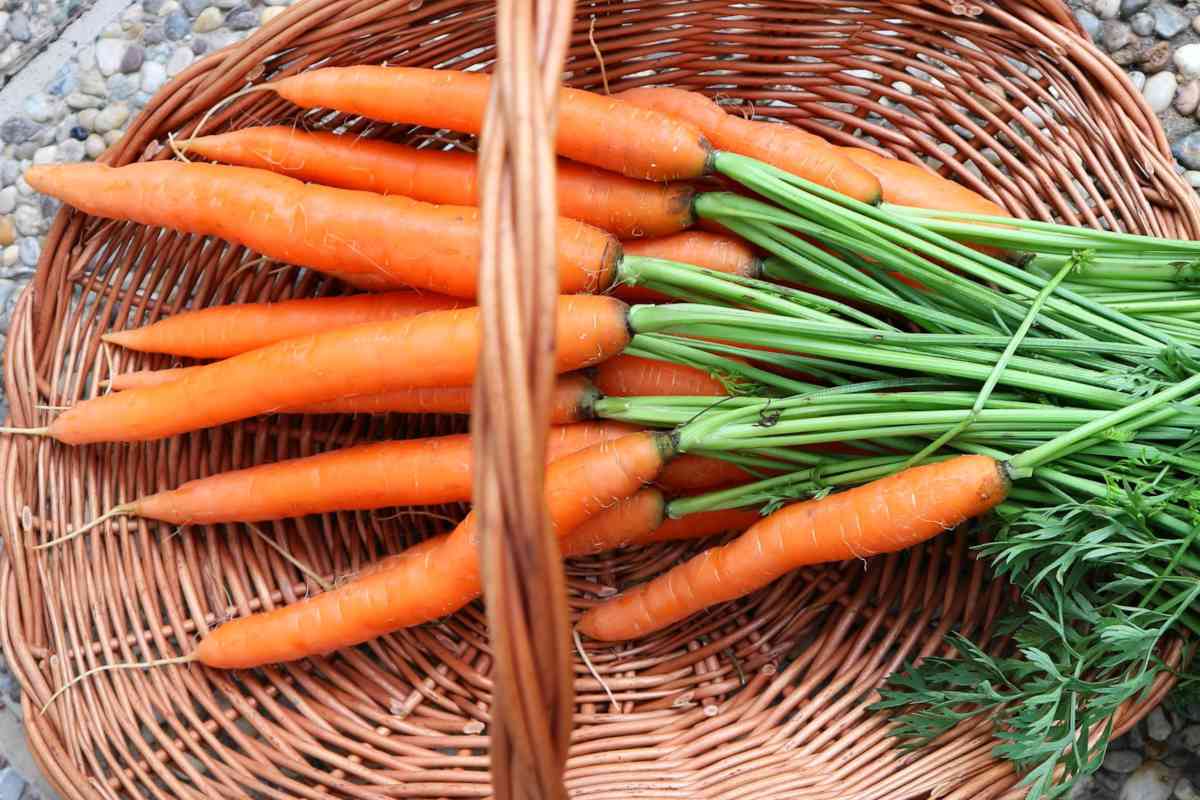 Since they’ll only benefit from “mild” preventive and curative products, your organic vegetables and fruits must be chosen from varieties that are naturally resistant to diseases. Sourcing locally-grown varieties will ensure proper development that matches regional climate cycles.
Another foundational guideline that the organic gardener follows: don’t waste anything. This applies to seeds that will be sown one at a time instead of by the handful, and rainwater that will be collected with a barrel placed under a water spout, or into a buried reservoir or open-air basin.
All the precious “plant waste” (vegetable peelings, lawn trimmings, fruit tree pruning residue) will be turned into compost in your composter to produce natural, free fertilizer. Lastly, if you sow green manure (legume family) that can be tilled into the soil, you’ll be enriching the soil with humus and won’t need to use any of the petroleum-based chemical products.
 To fight against “weeds” (which are very often useful plants that have unknown benefits), you’ll use mulch or compost instead of herbicides that end up polluting the water table.
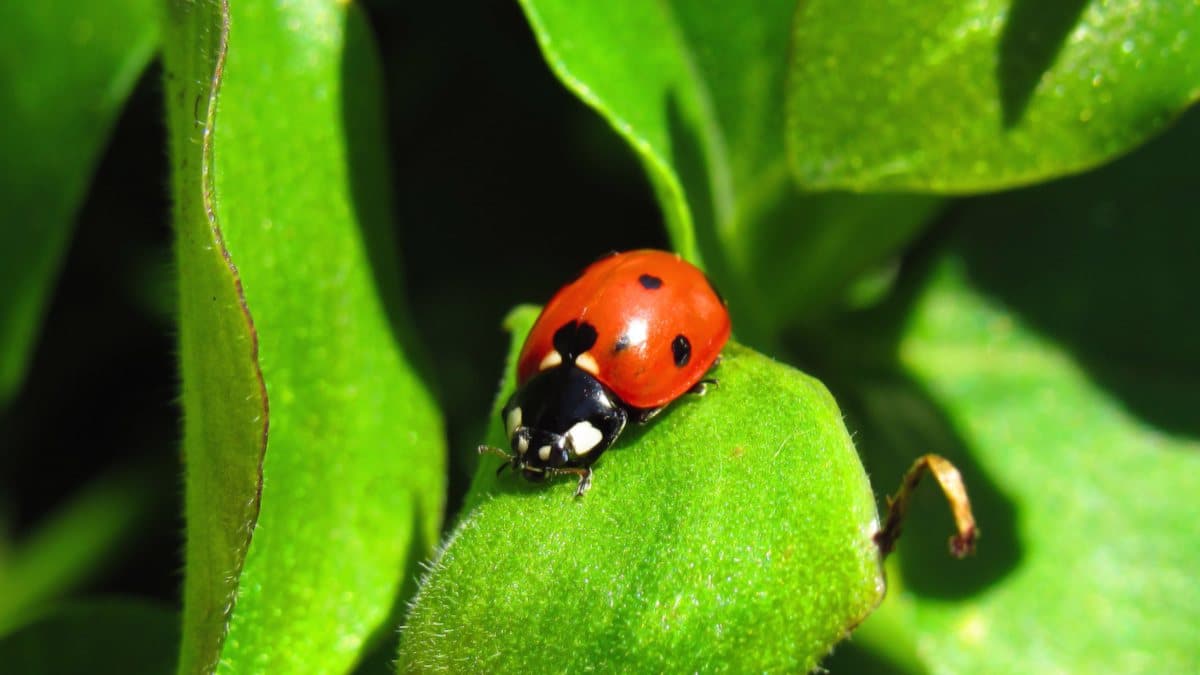
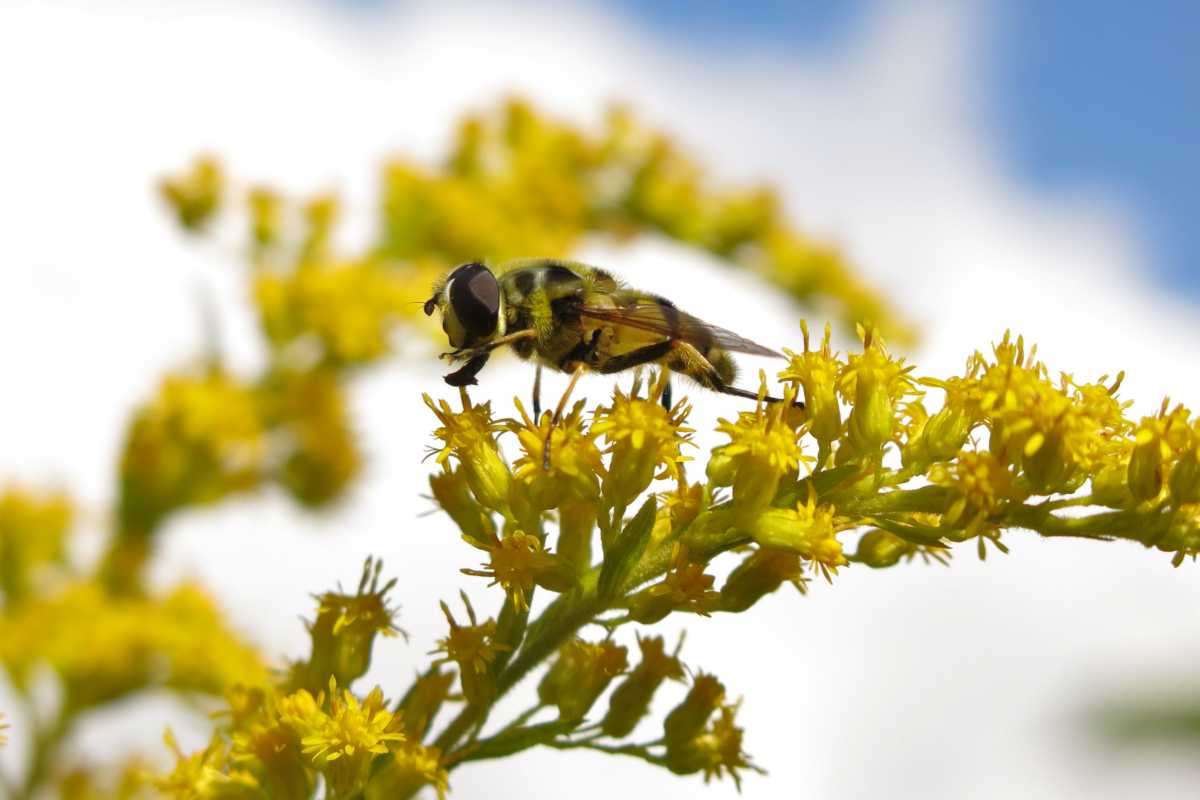
As you increase biodiversity for both your crops and the little critters inhabiting your garden, you’ll also start attracting “beneficial” animals that will help protect your harvest: birds, hedgehogs, ladybugs, hoverflies, ground beetles, bats, etc.
The master word that sums up how the perfect organic gardener behaves is “respect”. Respect the soil, the air, follow the seasons and the course of nature…
 Lastly, every enthusiastic organic gardener will seek to increase knowledge with publications in the media and in books to learn about new or revived agricultural, economical and environmental practices and is open to applying solutions that are both cutting-edge and ancestral practice.
More than just a fad, eating organic fruits and vegetables is an excellent way to promote great health. According to doctors, pesticides and chemical fertilizer might be an underlying factor in the resurgence of numerous auto-immune and hormone-dependent diseases (lupus, scleroderma, rheumatoid arthritis, asthma, chronic fatigue, multiple sclerosis, cancer…)
Go for organic garden to stay healthy and protect natural resources (soil and water) for future generations!
Pierrick Le Jardinier