Even though a tool doesn’t define mastery for the gardener who owns it, nonetheless… gardening is easier when the right tool is at hand!
Choosing each tool, adapted to your soil type, your body size, and even the power you can exert isn’t as easy as you think. What makes it even harder is that manufacturers rival in inventiveness to serve you better, but it’s sometimes confusing.
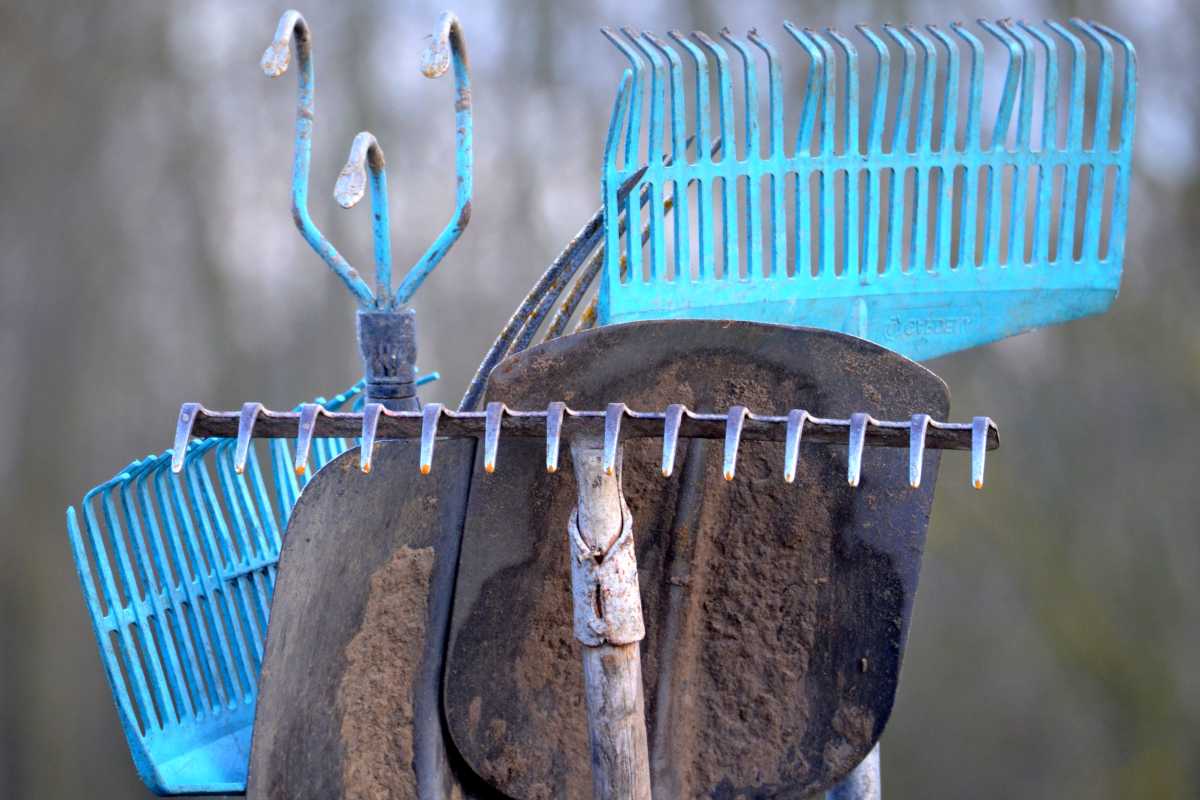
The spade is essential. Some of them have the top that is bent back a bit, which makes using it easier. If you lack strength, or if the soil is very heavy and full of rocks, better try the spading fork. There are also lighter forks for smaller surfaces. If the soil is very light, the grelinette or broadfork (also called the “organic fork”) makes it possible to lift and aerate the soil without flipping it over, which preserves micro-organisms and worms. But if the soil is heavy, it won’t last for long.
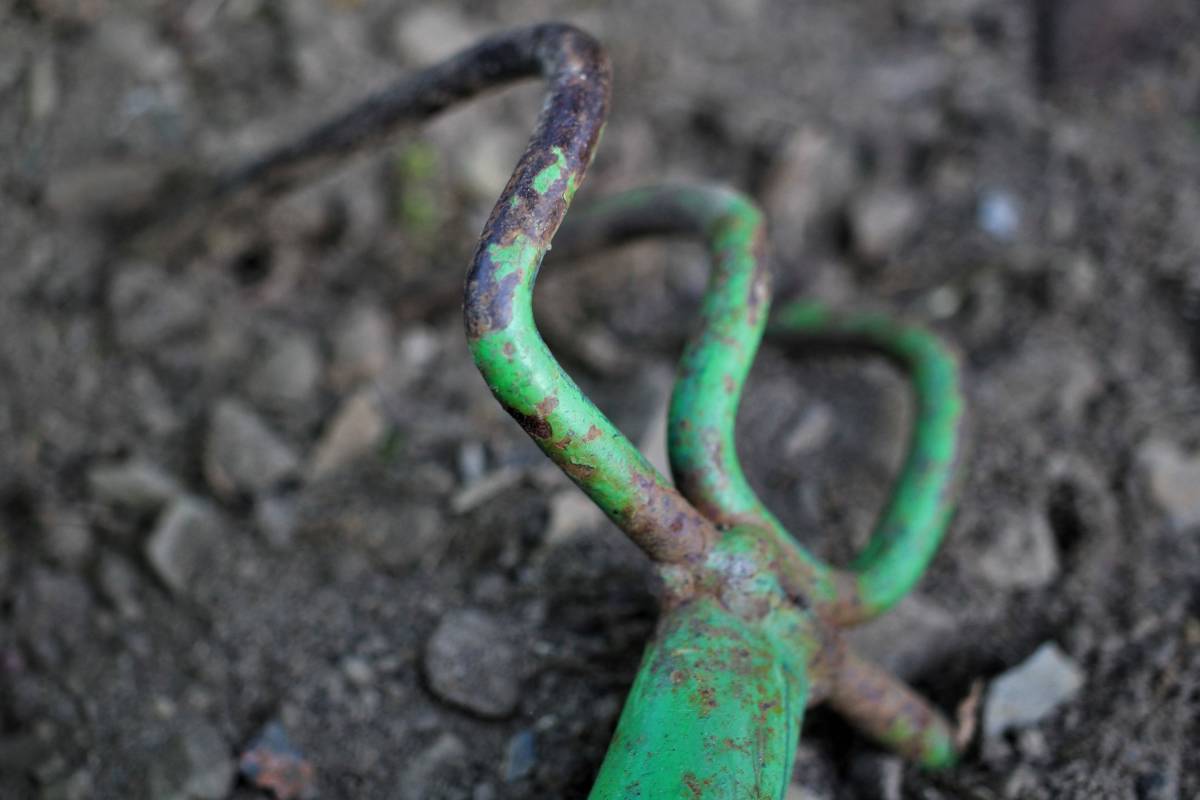
The rake is crucial to flatten the soil after spading, and to clear plant debris.
Some manufacturers have a smart option: the same handle (long, short or telescopic) is interchangeable for all tools. You can choose the type of handle depending on your body size and the use you intend for it, and the highest level of comfort is guaranteed.
Hoes have several purposes. The long-handled hoe helps weed without having to bend over. The hula hoe has a sharpened blade that cut weeds off at the crown. Some hoes have sharpened blades on both sides, others are designed to trace furrows.
The hand pruner is the most-used tool: it is kept on hand in a pocket for all the cleaning and smaller pruning jobs.
Lastly, the wheelbarrow. How can anyone do without one? Wood, metal, plastic… A mandatory tool!
The right tool depends on your soil, your strength and the size of the job. This table sums up what the article says about each of the main tools.
| Tool | Main job | Best suited to |
|---|---|---|
| Spade | Digging and turning the soil | General use; models with the top bent back are easier to handle |
| Spading fork | Breaking up ground instead of digging | Heavy, rocky soil, or gardeners who lack strength |
| Grelinette / broadfork | Lifting and aerating without flipping the soil over | Light soil; preserves micro-organisms and worms, but wears out in heavy ground |
| Rake | Levelling and clearing | Flattening soil after spading and clearing plant debris |
| Hoe | Weeding and tracing furrows | Long handles to weed without bending; hula hoe cuts weeds off at the crown |
| Hand pruner | Cleaning and small pruning jobs | Everyday use, carried in a pocket |
| Loppers | Cutting large branches | Branches too thick for hand pruners; ratchet and extensible models reduce effort |
| Tree saw | Removing unwanted branches | Working in among branches thanks to its thin blade |
Match the tool to your soil and your reach, and each job becomes noticeably less tiring.
On top of these basic essential garden tools, a host of other smaller equipment will help work in the flower beds or ornamental garden boxes: planter, drill hoe or a triangle hoe, cultivator, transplanter… and the unavoidable watering can.
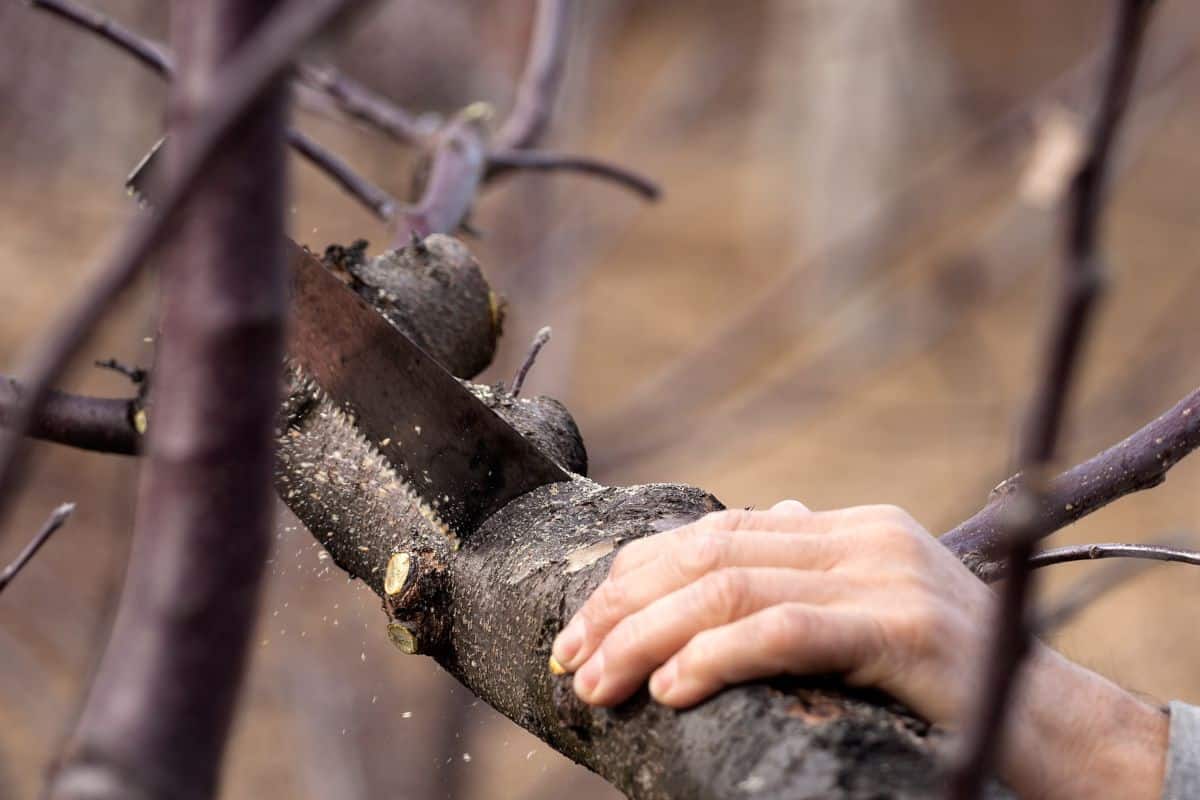
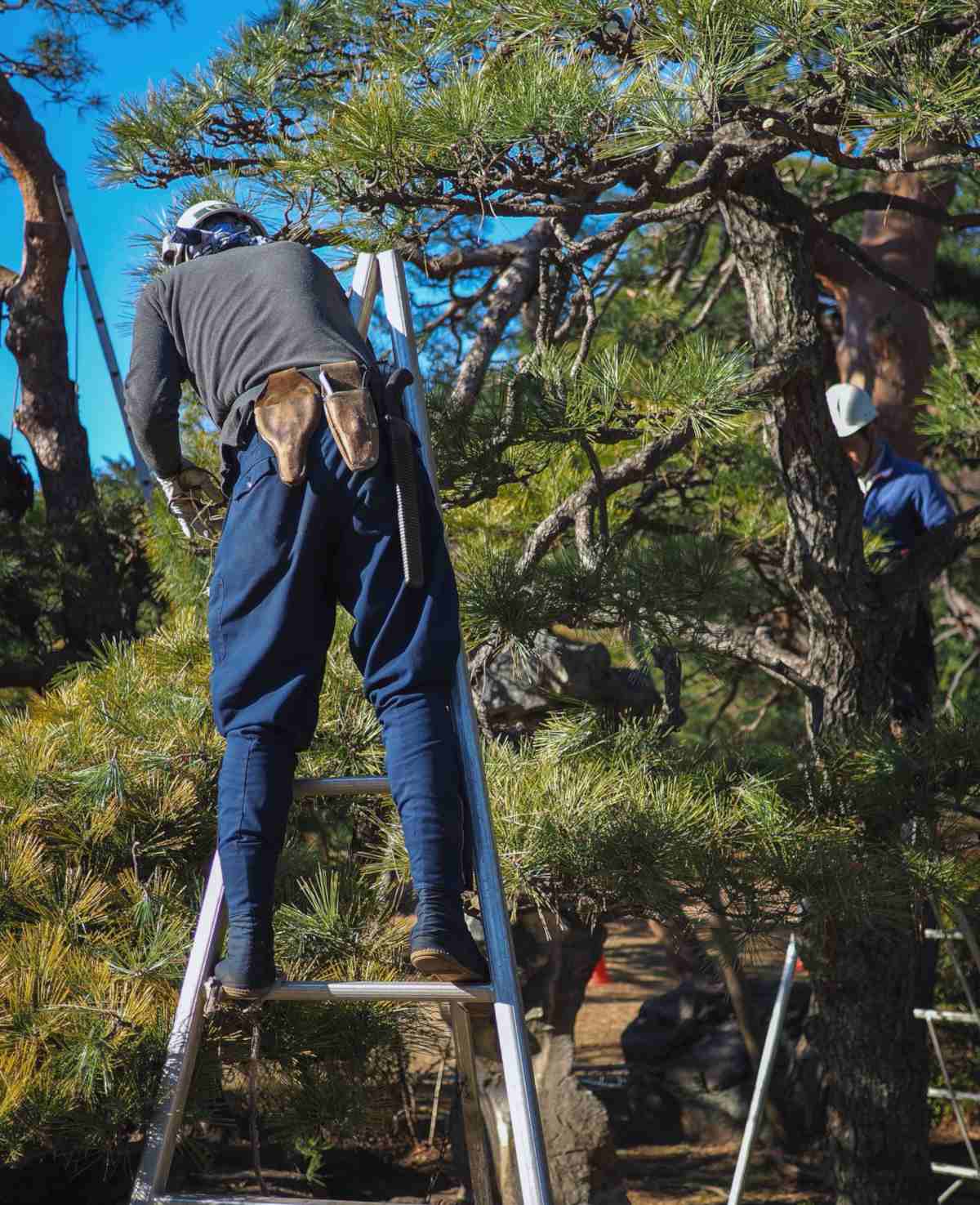
To care for trees and remove dead wood, loppers are perfect to cut large branches that overpower the smaller hand pruner. Some designs are equipped with power ratchets that help cut without too much effort. Their long, sometimes extensible handles also make the work easier.
The matching tree saw nimbly slips through the branches with its thin blade and is perfect to remove undesirable branches.
M.-C. Danger