Bag after bag of damp green clippings piles up each time the mower comes out, heavy with water and rich in the nutrients the lawn has built from a little sun and rain. They belong in the compost, but only up to a quarter of what you add, and only once turned in, or the heap goes over to foul-smelling rot.
Well now, though it is possible to add your cut grass in the compost, there are a few rules to follow to get it done right.
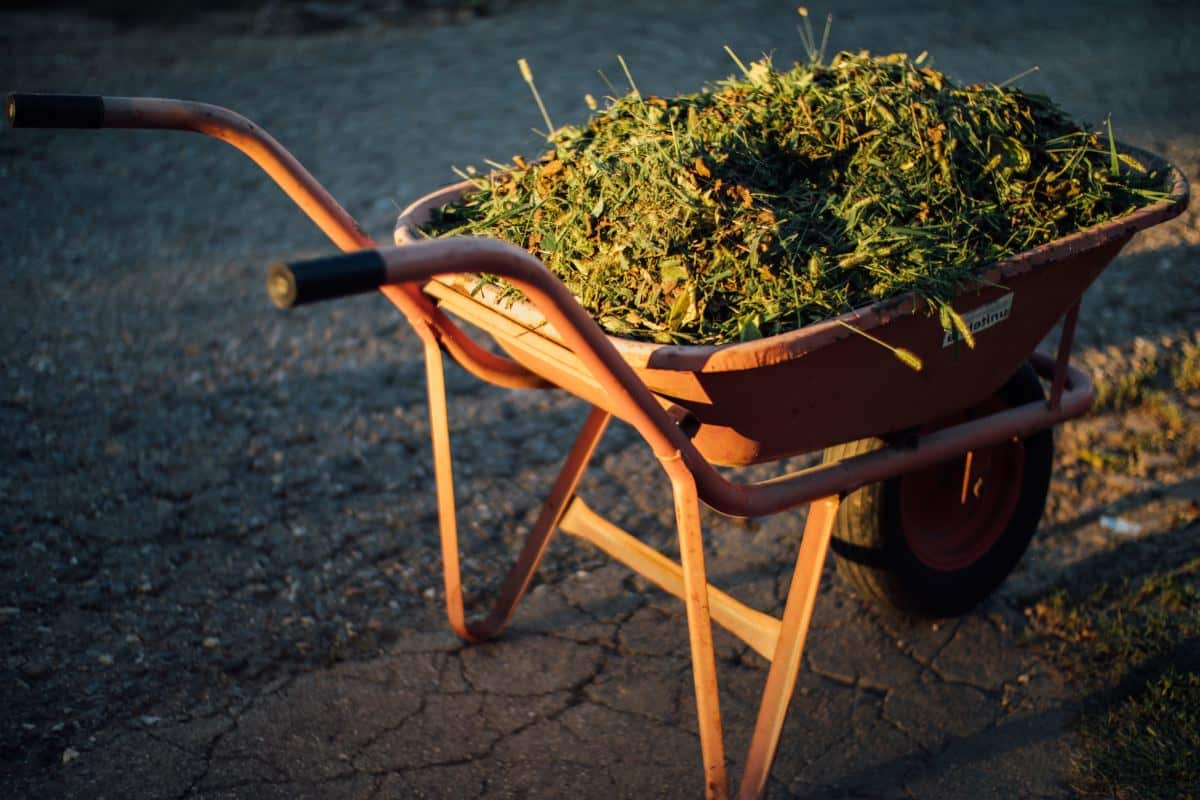
Yes, it’s possible to add cut lawn grass to compost, but there’s a ratio that shouldn’t be exceeded. Indeed, one of the most crucial advantages of compost is that it recycles a wide range of organic waste. You can’t properly compost something if there’s only a single type of waste.
Since lawn clippings contain lots of water, putting too much of them at once in the compost would trigger rotting.
All those bags of clippings are what your lawn has produced with a little water and sun. It’s an amazing source of nutrients that would be a shame to let go to waste.
Grass clippings are welcome in the heap, but only on certain terms. Here is what each rule asks of you, and what goes wrong when it is ignored.
| Rule | What to do | Why it matters |
|---|---|---|
| Proportion | Keep clippings to one fourth of what you add | Beyond that, air cannot circulate and the heap rots |
| Moisture | Spread the grass out for a day in the sun first | Removes more than half the water content |
| Mixing | Turn the pile with a spading fork or pitchfork | Breaks up the dense clumps so air and water move again |
| Surplus | Mulch flower and vegetable beds, or feed the vermicompost | Keeps the extra out of the heap and away from foul-smelling rot |
Respect all four and clippings become one of the richest free ingredients a garden produces.
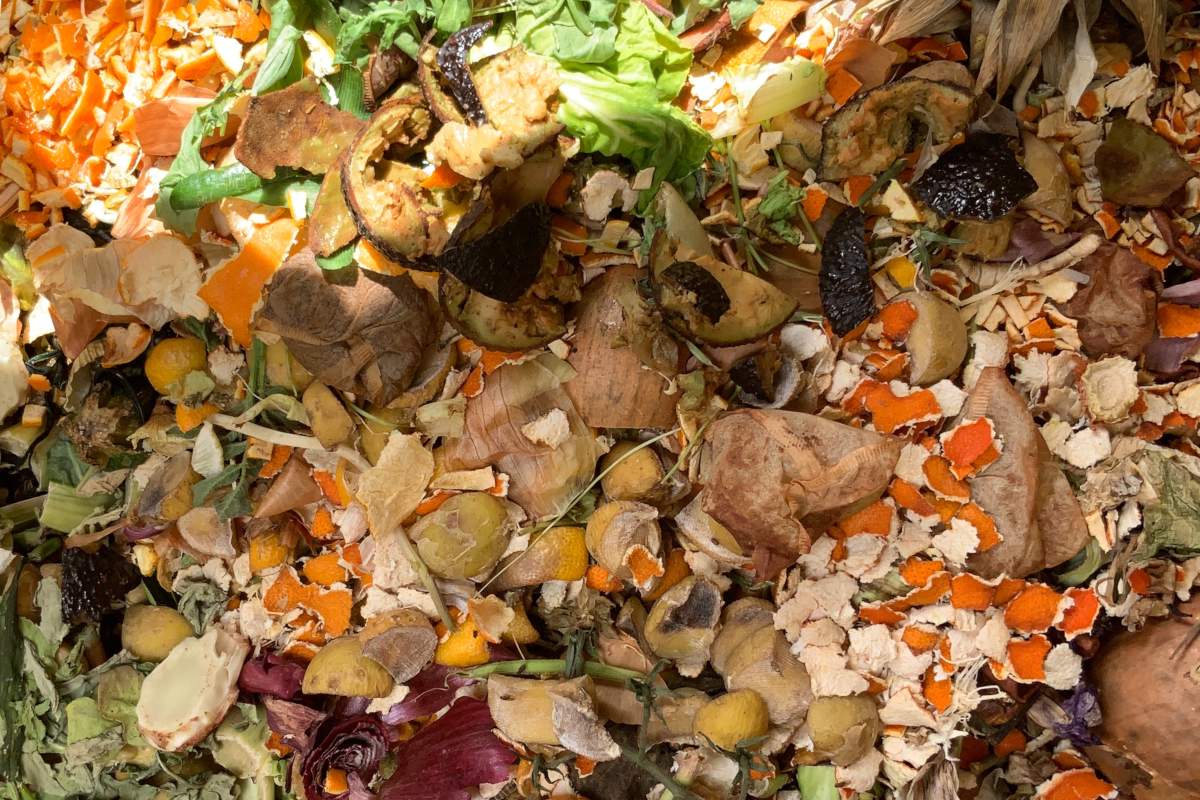
The rule of thumb to follow is that lawn grass shouldn’t count for more than 25% of what you add to your compost. This means only one fourth of the content you add to the compost should be lawn clippings.
Ideally, you’d even go the extra mile and dry clippings out before throwing them on the pile. The main difficulty with composting lawn grass cuttings is that they contain a lot of water. Drying them out for a day in the sun will already remove more than half the water content. If you’ve got a driveway, spread the grass out on it to benefit from the pavement reflecting heat.
After adding your lawn grass clippings, you’ll get best results if you turn your compost pile and mix it up. Grass clippings tend to compact into very dense clumps. A spading fork is useful for this, but a pitchfork might make the work a bit easier since it’s lighter.
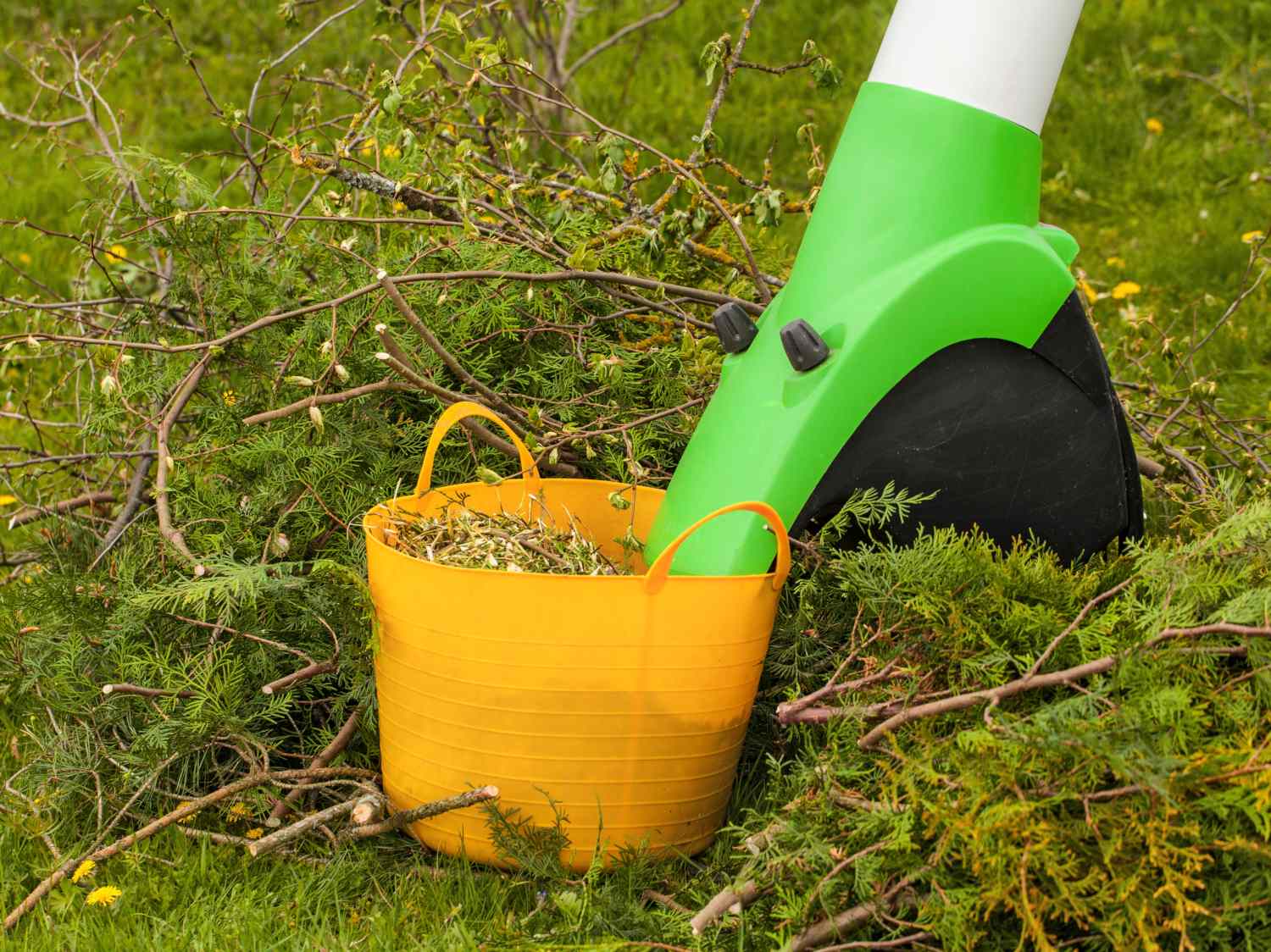
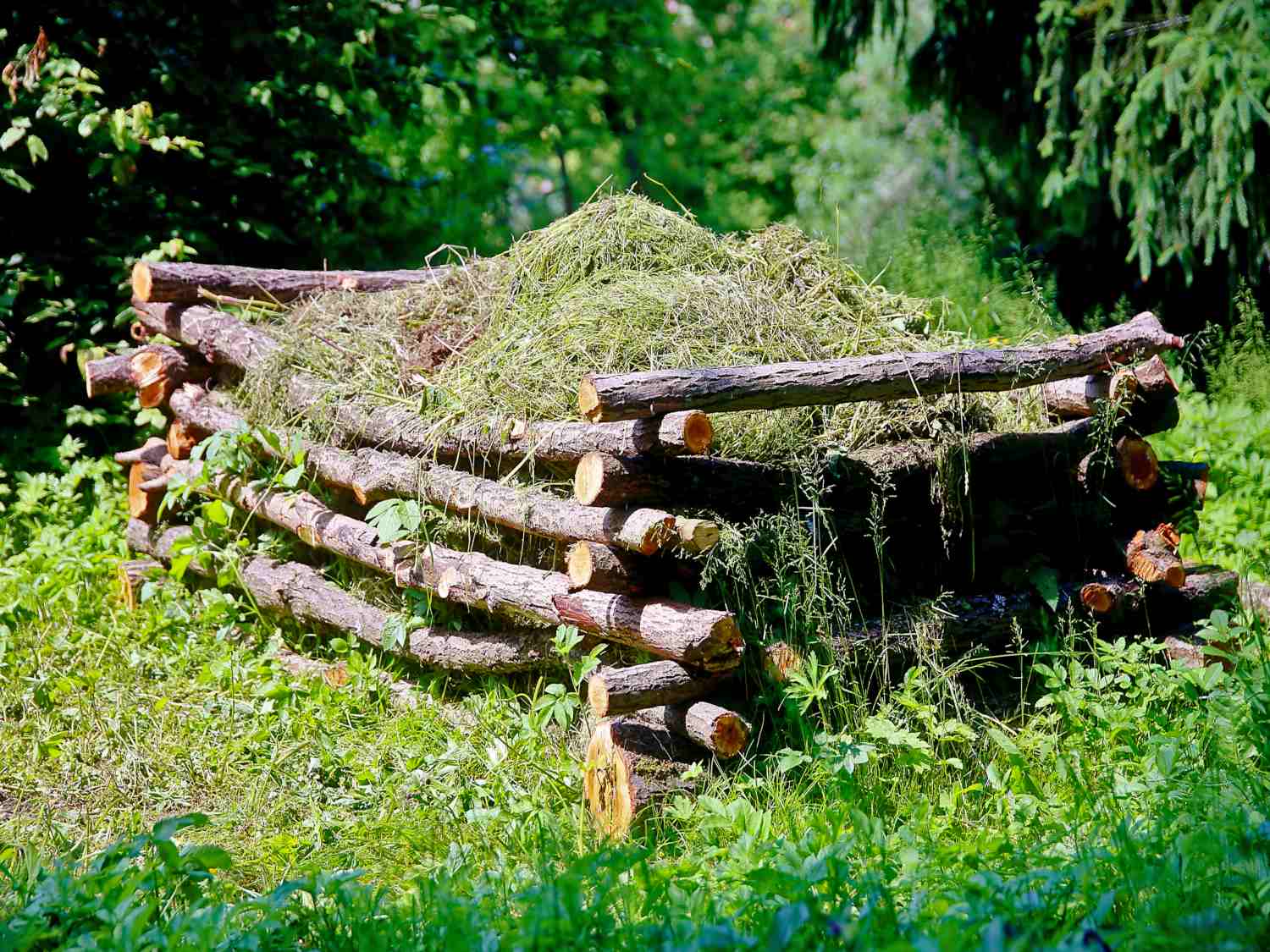
Nutrients for composting bacteria abound, but air and water can’t circulate. When you turn your compost over, you help break the clumps up. Branches and twigs channel air along in the cavities they create. Mixing the pile up will bring grass cuttings and woody parts together, speeding up the breakdown of both.
Once all is said and done, though, it’s difficult to resist the temptation to toss in a few more bagfulls of clippings in the compost. Beware! This might lead to foul-smelling rot in the compost!
Here are two other great uses for lawn grass clippings you can use for whatever portion remains once you’ve added to your compost: