Now that governments are starting to ban insecticides that are the most dangerous to our honey-making friends, a reminder of the situation and the best practices to implement on how to save bees.
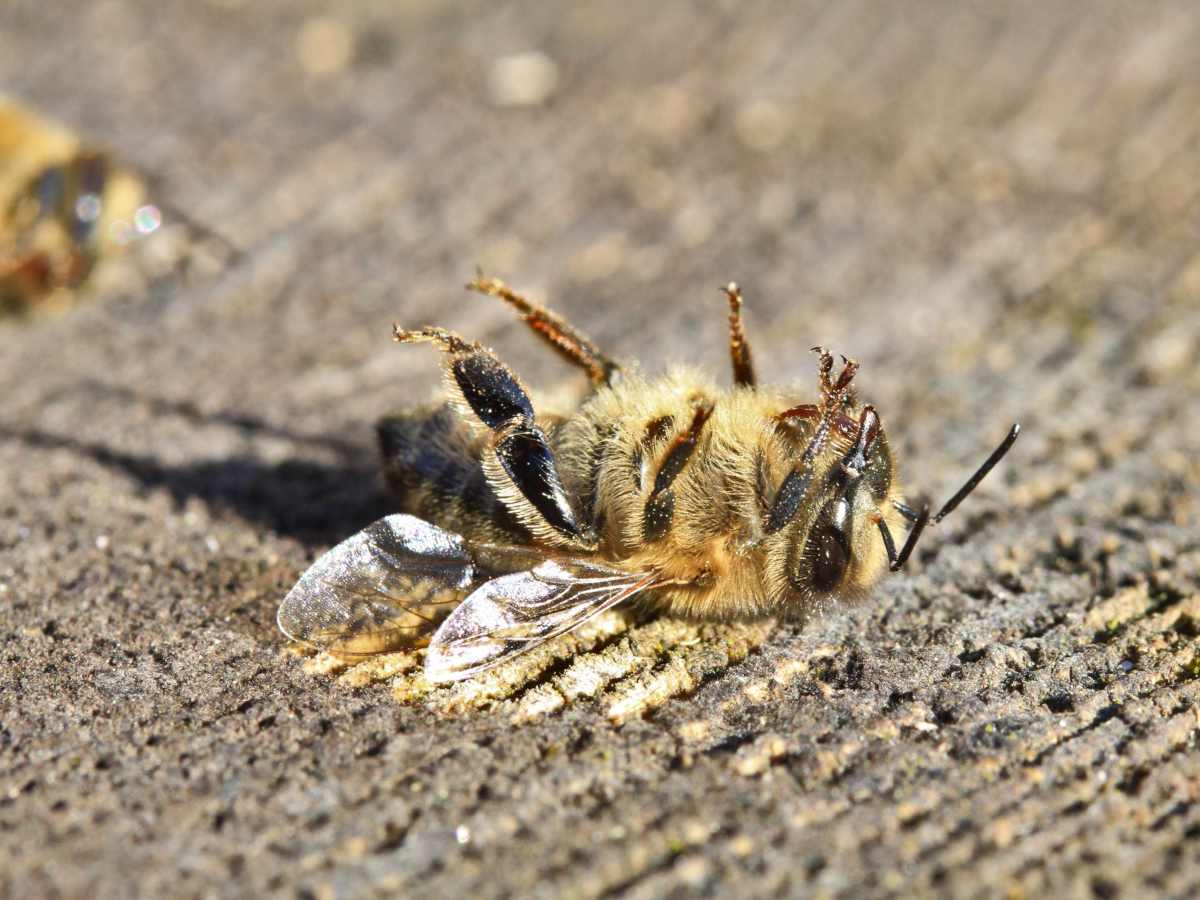
For the past 15 years, in countries all over the world, the number of bees has been plunging. Several factors are causing this environmental catastrophe, first among which come urban development, pollution, and the use of pesticides and insecticides in gardens, parks and farmland. As a result, the world honey production is falling. In the end, our entire food chain is at risk, because fruit, vegetable, grain and oleaginous plant survival greatly depend on the pollination work that bees provide.
Acting now is critical!
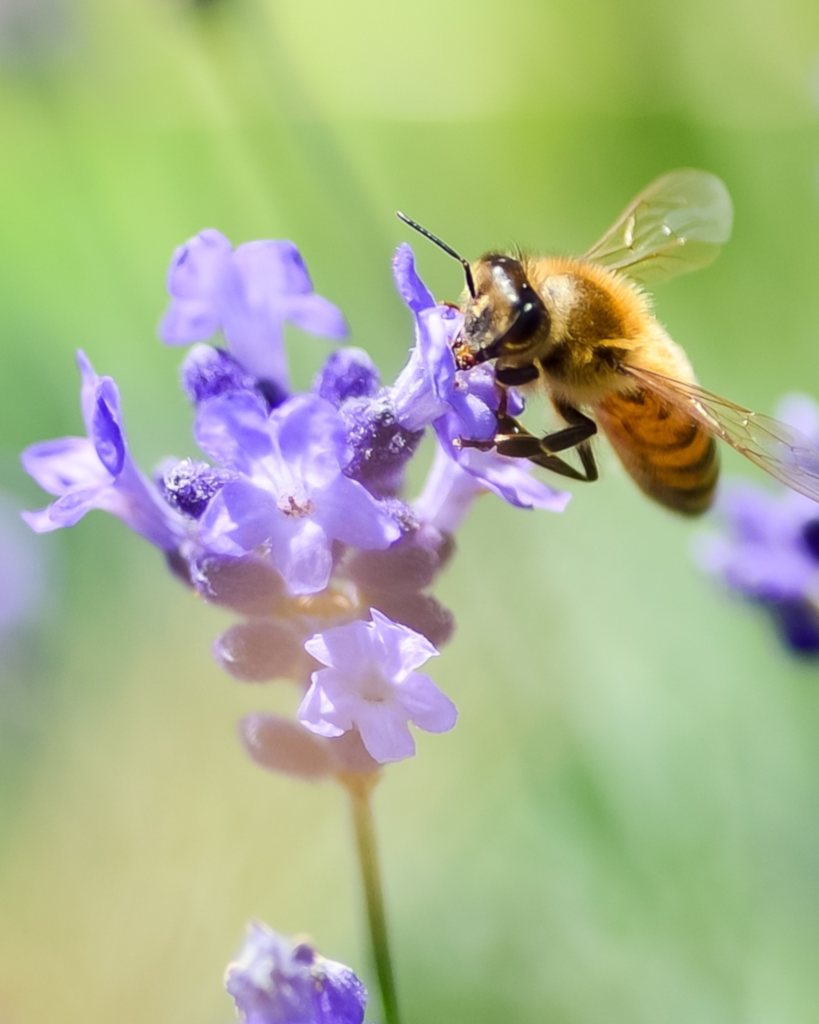
As part of the daily routine, many small practices help slow the disappearing of bees. If you have a garden, the first step is to ban all toxic and chemical products, like herbicides and fertilizers, and planting honeybee flower plants. Let your lawn to flower and keep parts of it untended to increase biodiversity.
If you can, eat organic food and support local beekeepers by purchasing their products. Promote bee awareness programs in your area, that help local governments to organize bee protection programs. Some groups even offer hives for “adoption” where you’ll receive honey in exchange for support.
The article gathers several practices, from small daily habits to keeping a colony of your own. The table below sets them side by side so you can see which ones fit your garden and how much they ask of you.
| Action | Where it applies | What it involves |
|---|---|---|
| Ban toxic and chemical products | Your own garden | Stop using herbicides and fertilizers |
| Plant honeybee flower plants | Beds and borders | Provide flowers for foraging bees |
| Let the lawn flower | Lawn and rough corners | Leave parts untended to increase biodiversity |
| Eat organic and buy local honey | Household shopping | Support local beekeepers by buying their products |
| Promote bee awareness | Your local area | Helps local governments organise bee protection programs |
| Adopt a hive | Through a local group | You give support and receive honey in exchange |
| Keep your own hive | Garden, subject to buffer zones | Buy a colony and learn hive-rearing from a beekeeper |
Whichever you choose, the garden itself has to be chemical-free first.
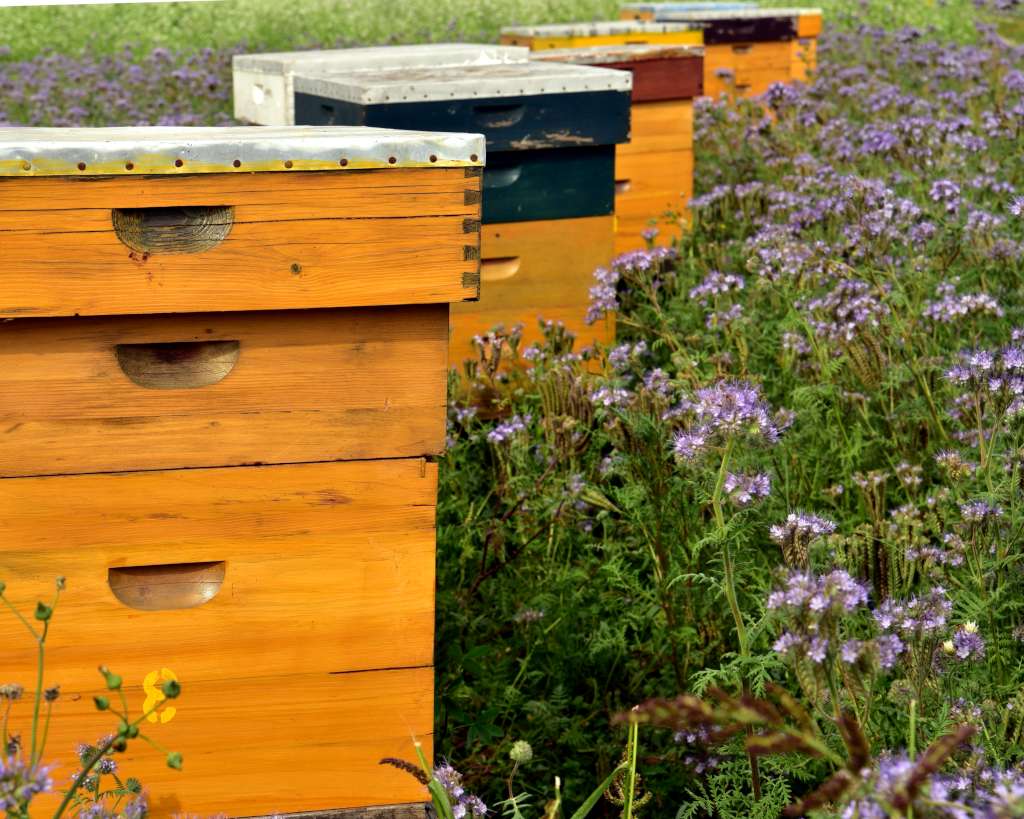
Are you ready to start with beekeeping? Check with your local municipal hall to know if buffer zones are needed between hives and houses, neighbors and public walkways. This depends on where you live. You can buy a bee colony from a local beekeeper, and learn the basic hive-rearing techniques from him or her. Once you own a hive, you usually have to register with local veterinarian networks, and sometimes this can be done online.
Did you know that bees roam for flowers within about half a mile (one kilometer) around the hive, so it’s best to set them up far away from fields sprayed with pesticides.