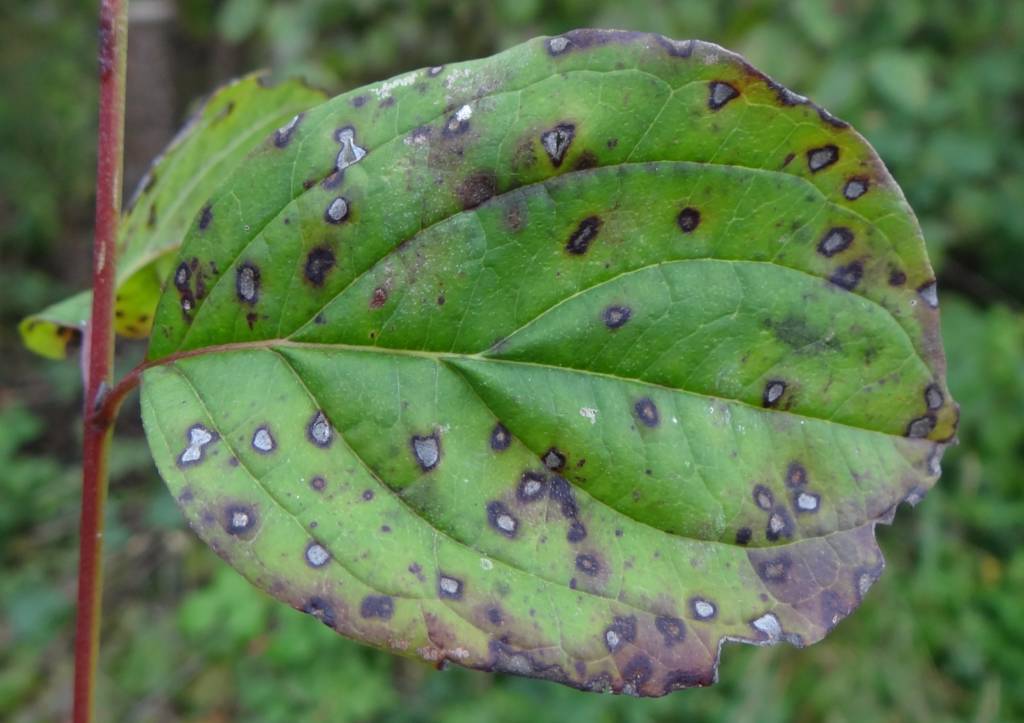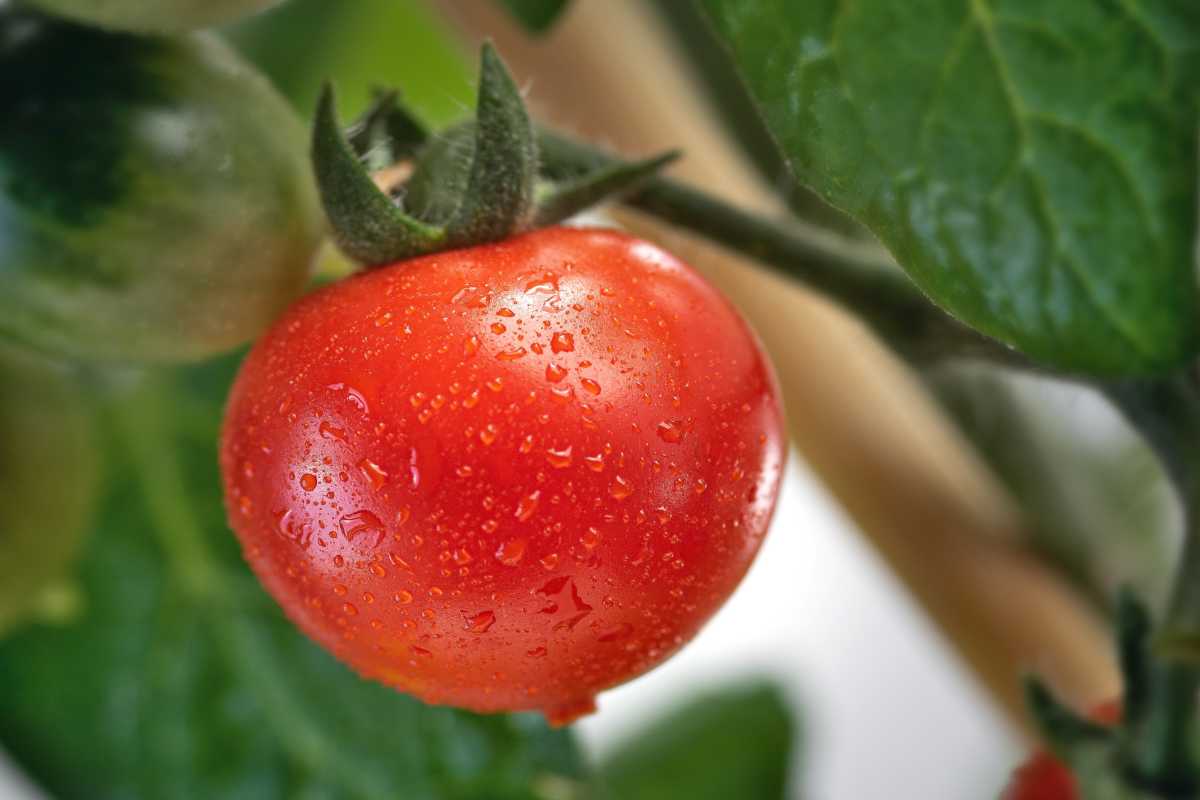
Yellowing leaves that turn brown and dry from the centre, a white velvet on their undersides, and fruits speckled with vaguely oily brown spots: fungal disease has reached your tomatoes. Blight (Phytophthora infestans) is the most feared of them, but resistant varieties, crop rotation and a mulch at the base of each plant keep it from ever taking hold.
A typical gardener’s first reaction is to blast the whole plant with chemicals.
However, there are other solutions that are way smarter and less poisonous.
What are these effective ways to treat your tomatoes?
Here is a short list of the main diseases that might infect your tomato plants:
Alternaria solani infects all plants belonging to the Solanaceae family such as tomato, potato, eggplant, bell pepper, etc. and draws distinctive round spots on leaves. It spreads from bottom to top. Heavily infected stems blacken until they form necrosis.
Phoma lycopercisi produces canker and black spots on stems, leaves and fruits. It is a severe disease that can spread to the entire plant, down to the roots.
There are many more diseases that can contaminate tomatoes (black spot disease, fusarium wilt, powdery mildew, Rhizoctonia fruit rot, etc.). Let us focus on the most common one, which is most feared by gardeners: tomato blight or downy mildew which is due to Phytophtora infestans. Distinctive leaf yellowing, turning to brown, ends with the center part drying up. White velvet also appears on the underside of leaves. Downy mildew generally starts with the lower leaves that brush against the ground, and then slowly climbs up the stems and higher leaves, all the way to the fruits. The fruits take on brown spots, vaguely oily.
Before reaching for a sprayer, work out which disease you are actually looking at. Each one shows itself differently and each one is held back by a different set of measures.
| Disease | Signs and spread | How to control |
|---|---|---|
| Alternaria solani | Distinctive round spots on leaves, climbing from the bottom of the plant upwards; badly hit stems blacken into necrosis | Selected seeds, disease-proof or disease-tolerant varieties, and rotating the land |
| Phoma lycopercisi | Canker and black spots on stems, leaves and fruits; can take the whole plant, down to the roots | As above, plus disinfecting stakes with Bordeaux mixture, or changing them every year |
| Downy mildew (tomato blight) | Leaves yellow then brown and dry from the centre, white velvet underneath; starts on the lowest leaves and climbs to the fruits, which take vaguely oily brown spots | Tolerant or immune varieties, crop rotation away from nightshades, and a mulch at the base |
| Fusarium wilt | Spread with the help of carrier insects; germs also multiply in soil that is never rotated | Spraying Bordeaux mixture together with pyrethrum against the carrier insects |
Whichever one you are facing, a resistant variety and a proper rotation plan do most of the work for you.
There are many solutions to treat against Alternaria solani. Use selected seeds, choose disease-proof tomato varieties or disease-tolerant varieties, and rotating the use of your land, to avoid multiplying germs that are in the soil.
Against Phoma, a very easy treatment on top of the aforementioned methods is to disinfect stakes with Bordeaux mixture, or better still to change them every year.
Proper treatments against fusarium wilt also require spraying Bordeaux mixture and pyrethrum to eliminate carrier insects.
Finally, to choke downy mildew at the neck, aside from tolerant or immune varieties, it really helps to follow crop rotation plans so that nightshades aren’t planted in the same spot in consecutive years. If you mulch the base of your plants, it will keep spores from bursting towards the leaves when it rains. Never mix diseased leaves in your compost.
Belle Loraine® – Round, even red fruits. Good taste. Resists to: Fus1, Mil4*.
F1 Chelsea Mini – Large cherry type tomato, mid-early. Resists to: Fus1.
F1 Cornabel – Long, horn-shaped fruits, very meaty. Melting flesh, few seeds. Early and vigorous. Resists to: Fus1.
F1 Dolcevita – Cherry-type fruits, in long bunches, light red, very sweet and fragrant. Resists to: Fus1.
F1 Estiva – Big fruit, round, firm, very good resistance to bursting. Resists to: Ver1, Fus1.
F1 Ferline – Very vigorous and productive all summer long, very large fruits, fleshy, beautiful red color and extraordinary taste. Resists to: Mil2.
F1 Maestria – Red fruits, indeterminate, good taste, very vigorous. Resists to: Ver1, Fus1, Mil3.
F1 Myriade – Long even red fruits, indeterminate growth. Resists to the following diseases: Ver1, Fus 1-3.
F1 Ravello – Bunches, bright red, early. Resists to: Ver1, Fus1.
F1 Sportivo – Round fruits, intense red color, early and very productive variety. Resists to: Fus 1-5, Ver1.
F1 Tastino – Round fruits, red color. Resists to: Fus 1-5.
F1 Vanessa – Round fruits, red color, very early variety. Resists to: Ver1, Fus1, Cla4.
*Abbreviations: Fus = Fusarium wilt, Cla = Cladosporium (tomato leaf mold), Mil = Downy mildew, Ver = Verticilium wilt.
From 1 to 5: the higher the number, the better this variety’s resistance to the disease.
Pierrick Le Jardinier