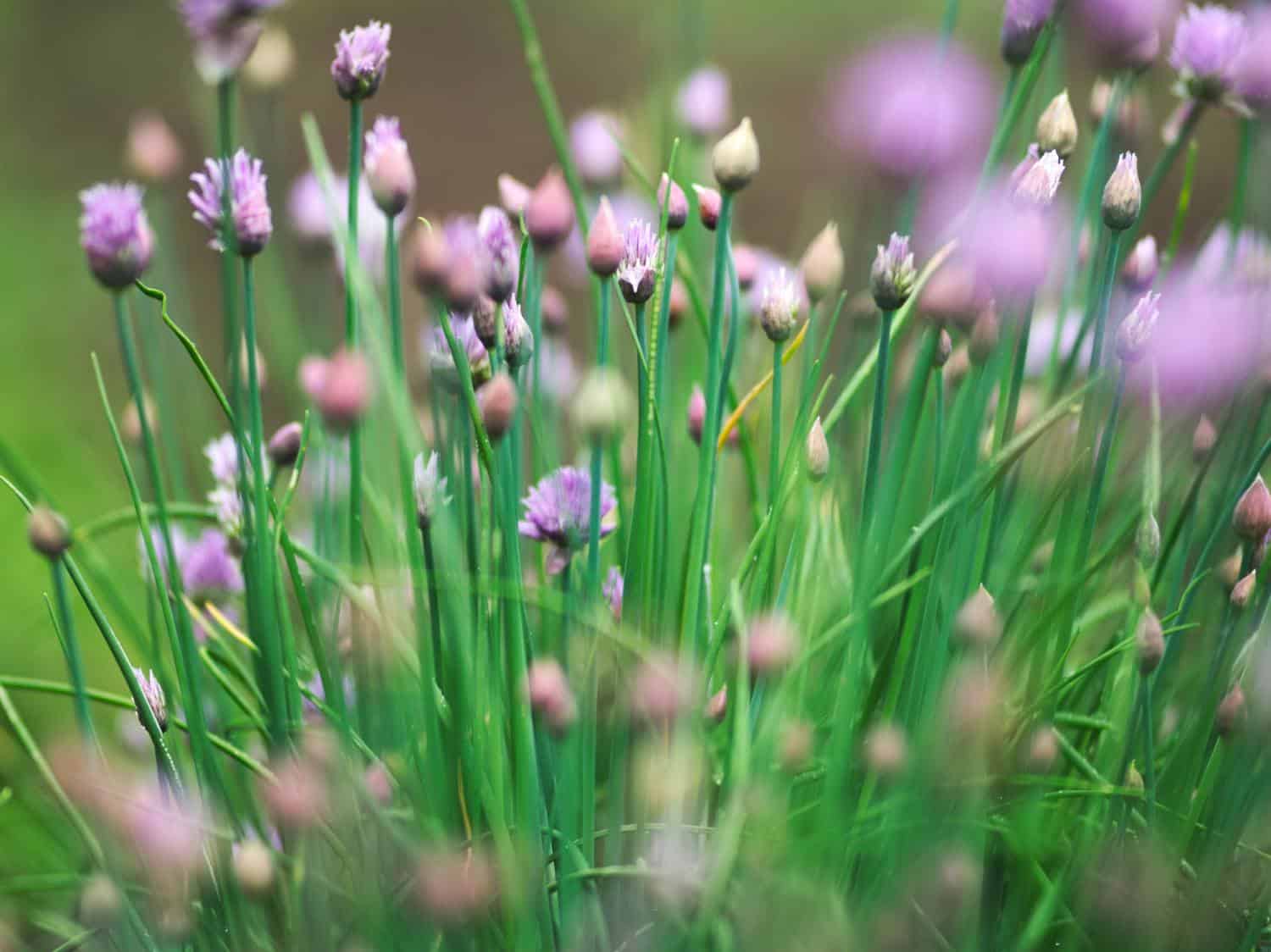
Spicy leaves through summer and pom-pom flowers barely an inch across, almost always pastel purple: chives (Allium schoenoprasum) season salads, sauces, fresh cheese and omelettes, blooms included. Give them full sun and go easy with the watering can, as soggy soil rots the bulbs; settled in, the clump multiplies on its own.
| Name | Allium schoenoprasum |
|---|---|
| Family | Alliaceae |
| Type | Herbs and spices, perennial |
| Height | 8 to 16 inches (20 to 40 cm) |
| Exposure | Full sun |
| Soil | Ordinary |
| Flowering | Summer |
| Harvest | late spring to mid-autumn |
Caring for this plant from planting to harvest will ensure as years go by that you’ll have nice growth. In the ground or in a pot on the balcony or windowsill, here are all the tips on how to grow them.
If sowing chives from seed is what you want, best sow directly in the plot anytime from mid-spring to late spring.
You can plant young sprouts purchased in pots from stores all spring and summer long.
If a neighbor grows chives, just split the bunch in half with a spade or sharp knife, and plant each half: one back in place, the other in your own garden!
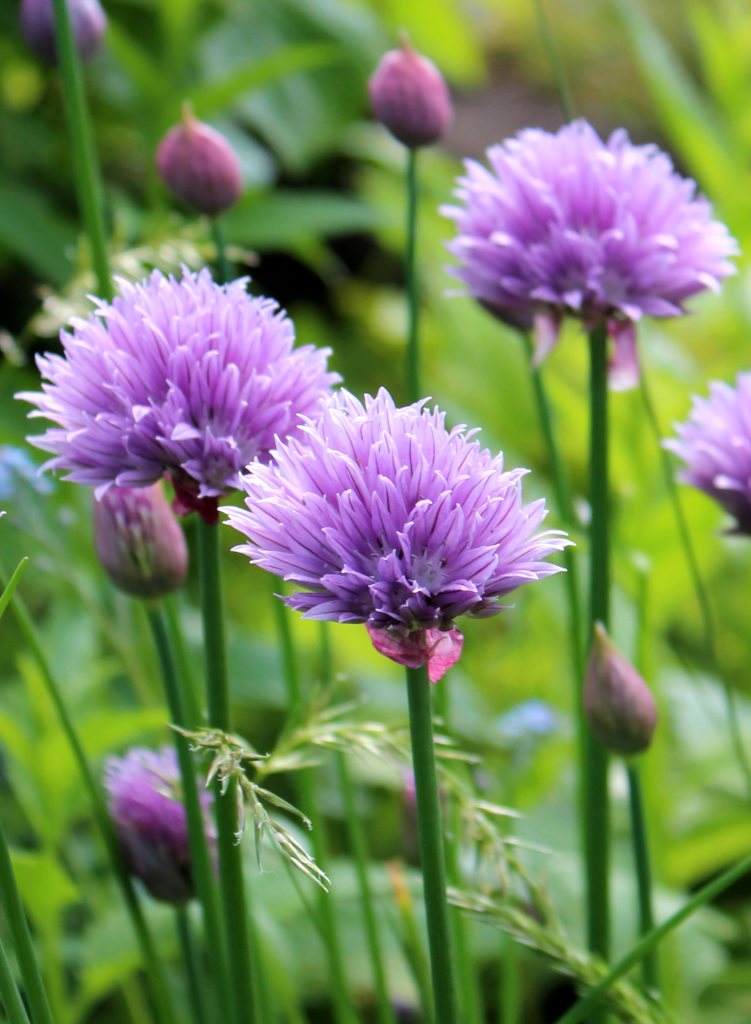
Chives, excellent for growing in pots
For growing in pots, on a balcony or a terrace, keep them potted and water regularly, every time the soil is dry.
Chives can be started from seed, from bought plants, from a neighbour’s clump or simply left to sow themselves. Here is what each method asks of you and when to do it.
| Method | When | How it works | Best for |
|---|---|---|---|
| Direct sowing | mid-spring to late spring | Sow the seed straight into the plot | Starting a new patch cheaply |
| Young sprouts in pots | All spring and summer | Plant out sprouts bought from stores | Harvesting sooner, or filling a pot |
| Division of a clump | When a clump is available | Split the bunch in half with a spade or sharp knife and replant each half | Sharing with a neighbour, no cost |
| Self-sowing | Once blooming is over | Shake dried flower heads so the seeds fall around the plant | Letting the patch spread on its own |
Whichever route you take, leaving a few flower heads to seed is the key to seeing your chives grow more and more.
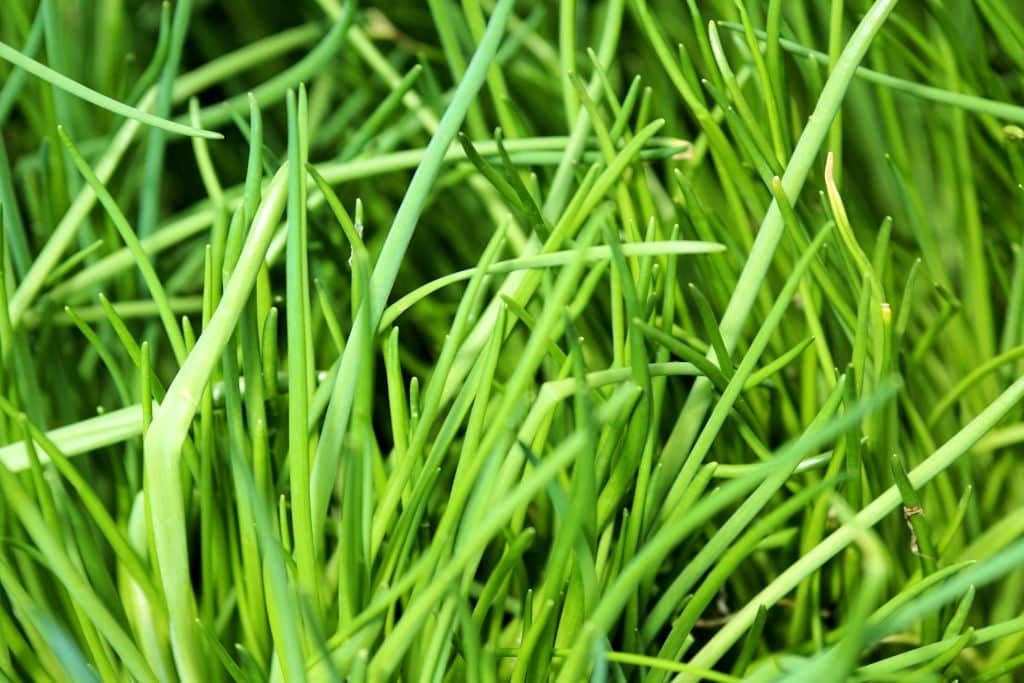
Once settled in, chives don’t require any care, they grow on their own and multiply quickly.
Before winter, protect chives from the cold and you’ll be able to harvest all winter long.
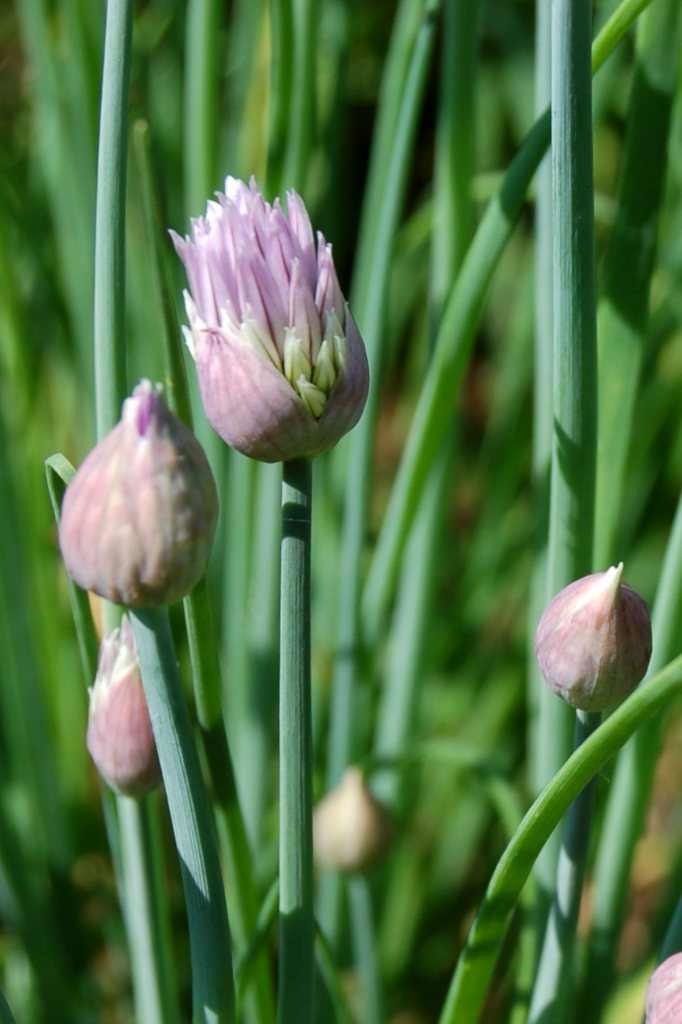
Fragrant and spicy, chives are excellent plants to pair with mixed salads, sauces, fresh cheese and omelet during the whole summer and until the beginning of fall.
These easy-growing plants only ask that you be a bit careful not to overwater, or you might make the bulbs rot.
This plant is also quite ornamental thanks to its summer blooming, and it can spread along edges, pathways and flower beds.
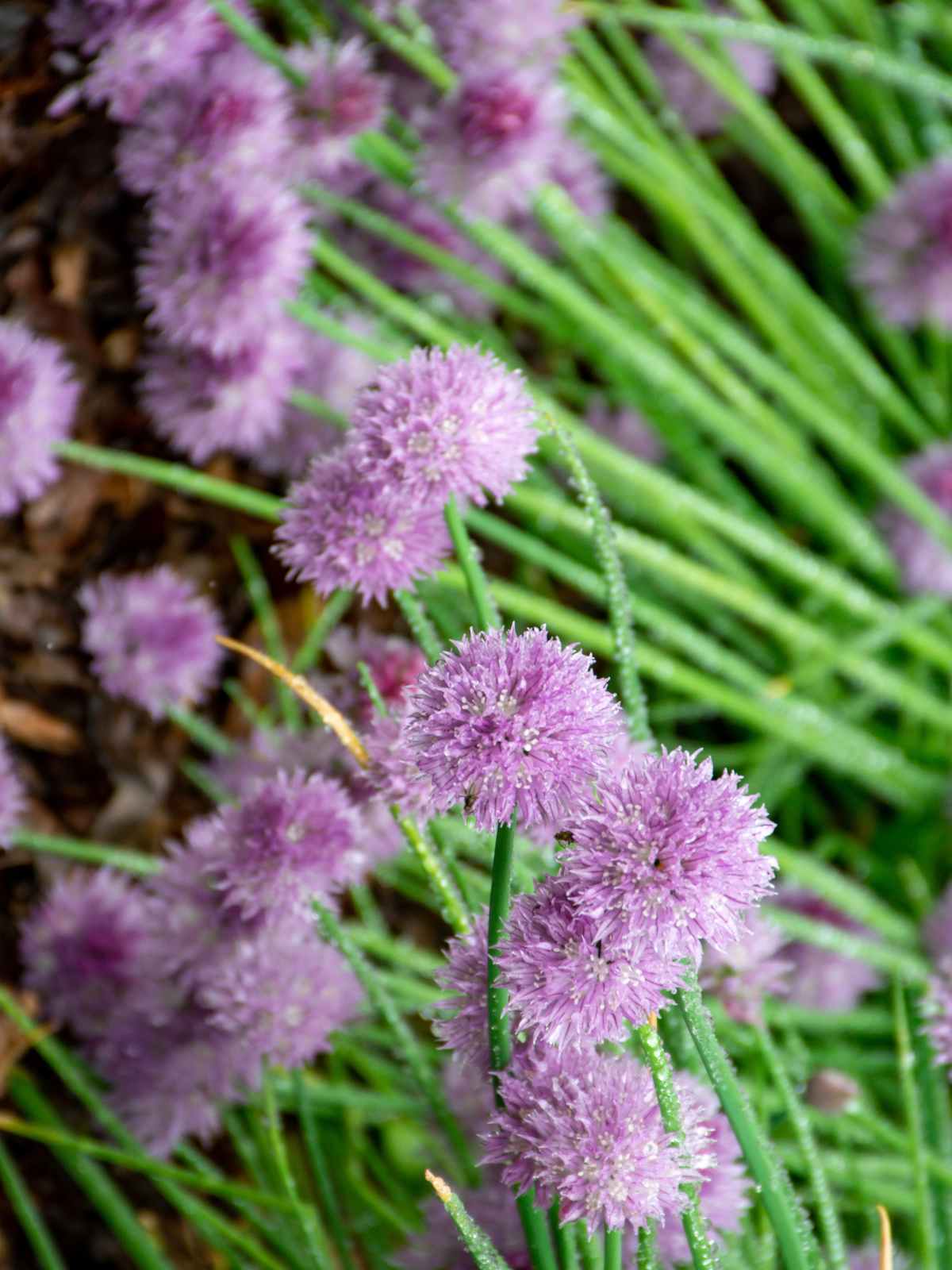
The cute flowers form pom-poms about an inch across that are almost always pastel purple. They’re edible, too! Simply chop them up as you would the spice itself. Used in dips, they’ll give a rare, attention-seeking purple touch!
Chives feel comfortable both inside and outside the house.
You can grow them all winter long in the garden or on a windowsill indoors.
The only concern is to provide as much light as you can, and protect them from freezing.