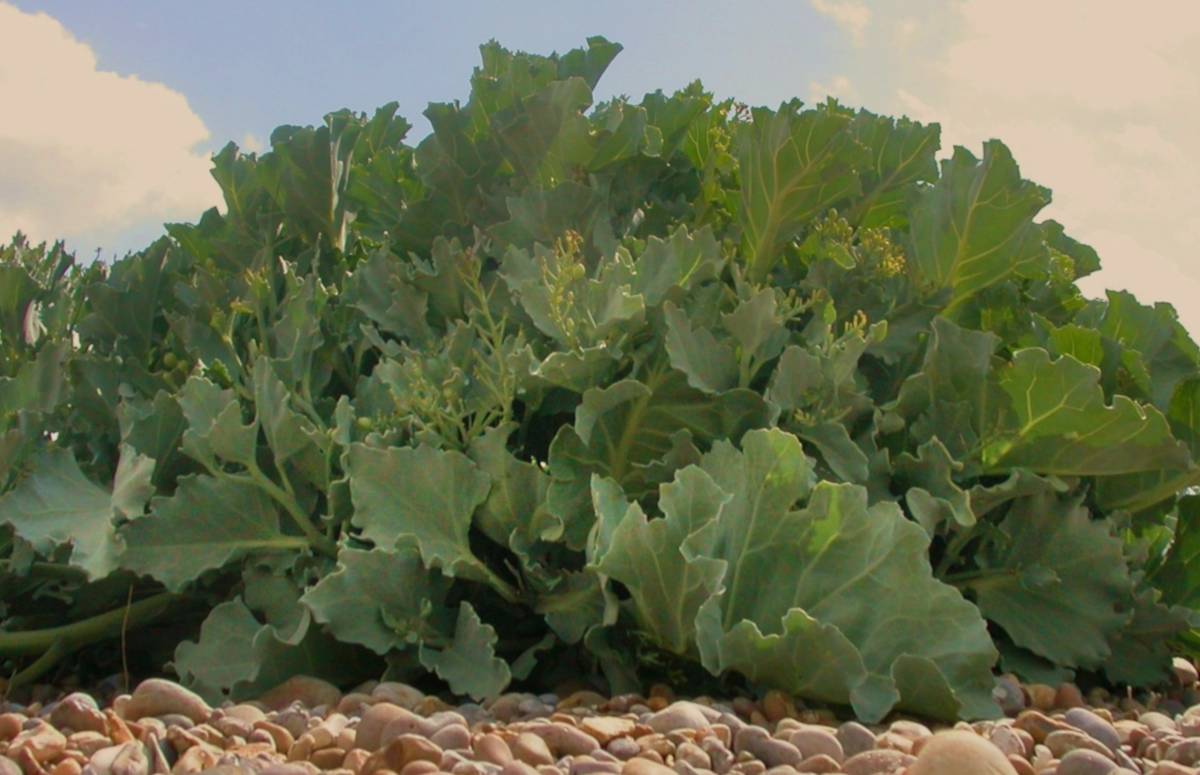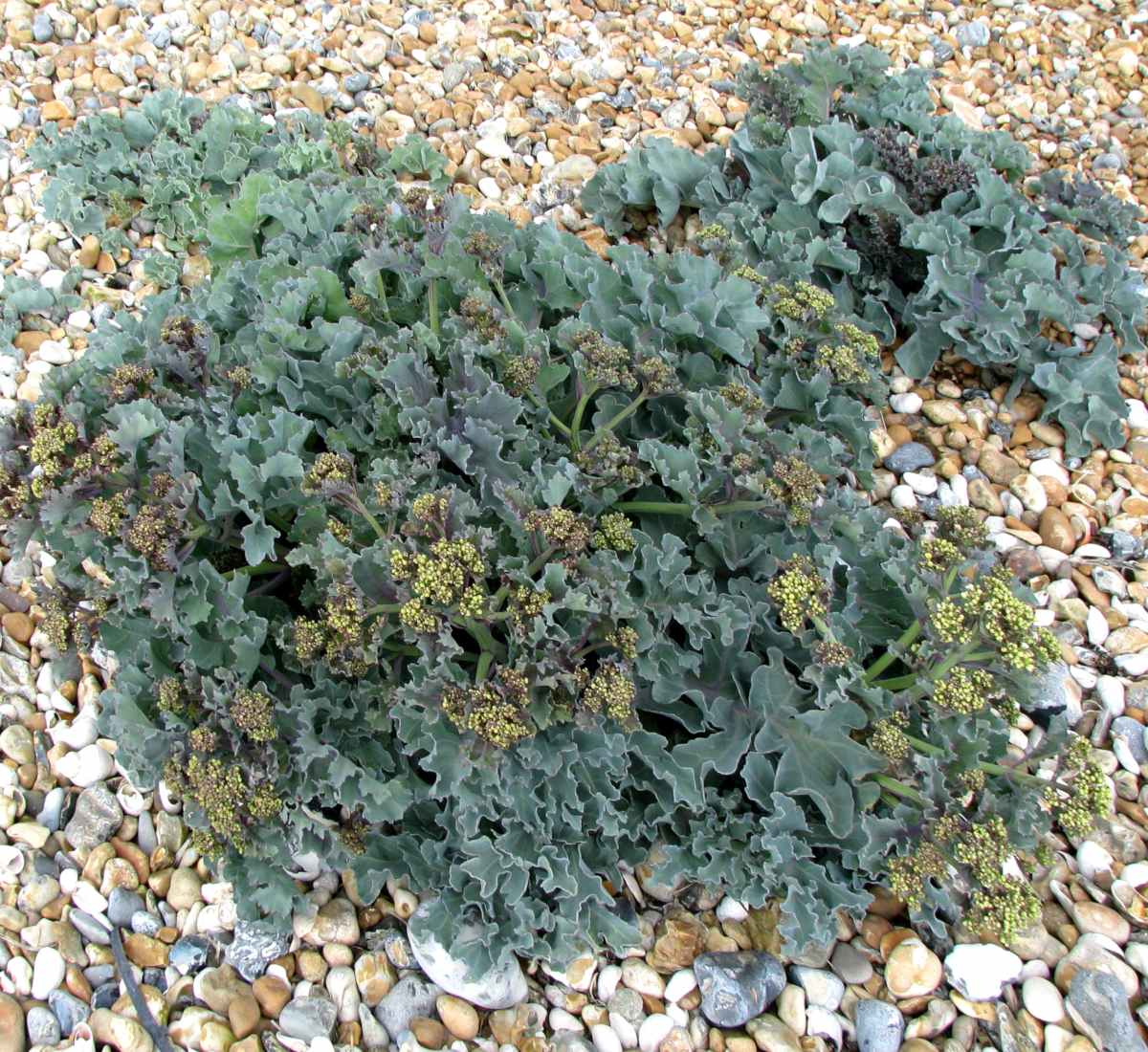
Wavy, frizzled grey-green leaves form a low clump, topped by clusters of small, fragrant white flowers. Sea kale (Crambe maritima) is at once a striking ornamental and a perfectly edible vegetable that shrugs off salt in the soil; give it full sun and deep, compost-enriched ground, and it asks for almost nothing else.
| Botanical name | Crambe maritima |
|---|---|
| Common name | Sea kale |
| Family | Cruciferae, Brassicaceae |
| Type | perennial |
| Bearing | clump |
| Height | 12 to 28 inches (30 to 70 cm) |
| Planting density | 4 to 6 plants per sq. yard (m²) |
| Exposure | full sun |
| Soil | any type, cool |
| Flowering | late spring to midsummer |
This plant’s name, sea kale, comes from the shape of its gray-green leaves. After all, they’re wavy and frizzled, just like those of regular kale. At the beginning of summer, cute and fragrant white flowers appear.
Whether you’re planning a flower bed or a vegetable patch, sea kale will for sure find a place in your garden. Even more so if you’re on the coast! Soil type has no influence on how your Crambe maritima will grow. In particular, salt in the soil isn’t even a problem. However, to truly thrive, Crambe requires:
For the planting, simply purchase young seedlings in stores and transplant them. Naturally, sowing is a great option as well. So as to start them off well, plant from early spring to early summer in seed holes 2 feet (60 cm) apart with 2 or 3 seeds per hole. After about a month, select the most vigorous sprout and thin the others away.
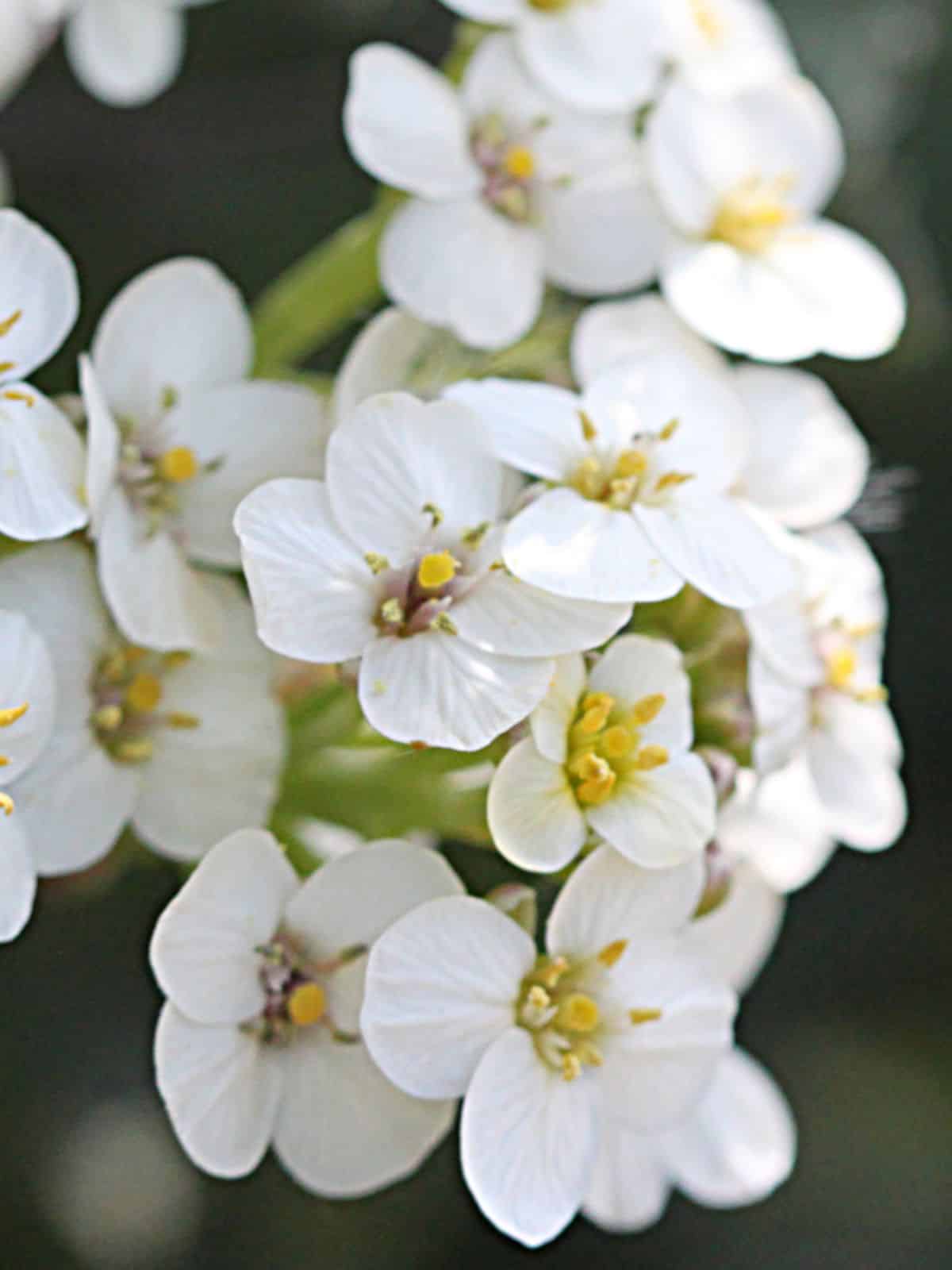
Undoubtedly, sea kale or Crambe maritima is a quixotic vegetable. On the one hand, it’s a striking ornamental plant and on the other hand it’s perfectly edible. Caring for it is straightforward and it’s particularly happy along the coast. Crambe doesn’t require anything specific in terms of care:
You can multiply your Crambe maritima in Spring by preparing root cuttings:
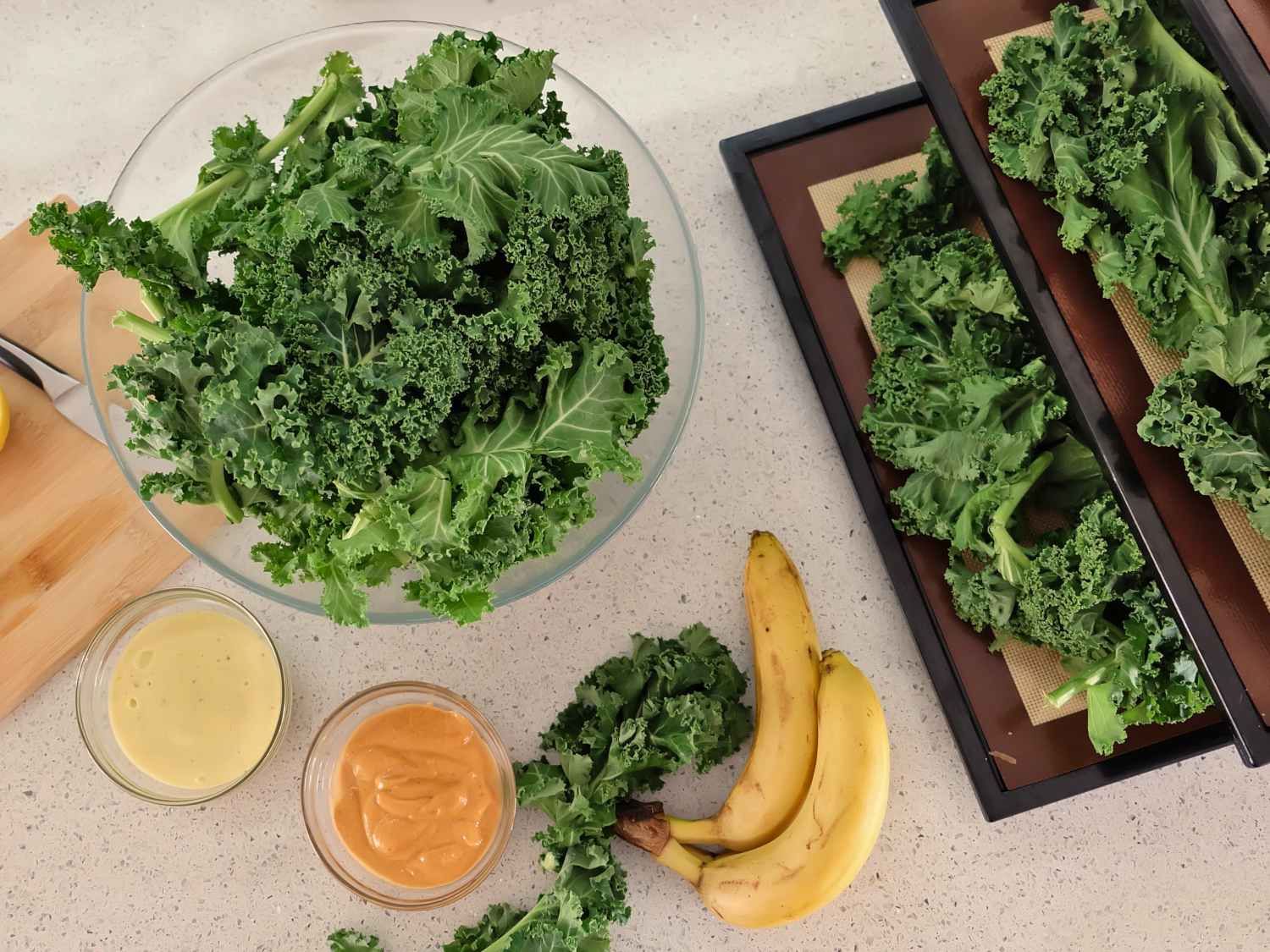
If you wish to eat your sea kale, here are a few important tips:
This means to keep them in the dark while still on the plant, so that they don’t see any sun at all (or only very little). With this in mind, just flip an empty pot over the center of the clump to cover the leaves. Every day, for one or two hours at dawn or dusk, remove the pot so that the plant can breathe. This also prevents molds.
Sea kale has a somewhat nutty taste. Unlike the oysterleaf herb which also grows near salt water bodies, it doesn’t taste as salty.
In order for your harvest to keep, place it in the refrigerator. It’s also possible to freeze leaves, but first you’ve got to blanch the leaves in boiling water. Blanching is a term used in cooking, too! It is a partial cooking that makes keeping easier.
Sea kale asks for very little, but each job has its moment. Here is what to do and when, from sowing a new clump to lifting the first blanched leaves.
| Task | When | What it involves |
|---|---|---|
| Sowing or planting | Early spring to early summer | Seed holes 2 feet (60 cm) apart, 2 or 3 seeds per hole; thin to the most vigorous sprout after a month |
| Root cuttings | Spring | Lift a clump over 3 years old, cut the largest roots into 4-inch (10 cm) segments with 1 or 2 buds each, pot them up |
| Topdressing | Spring | Ripe compost or manure, as ripe as possible to avoid root rot |
| Blanching and harvesting | From the third year onwards | Cover the clump with an upturned pot, airing it an hour or two daily; leaves are ready after 3 to 5 weeks |
| Cutting back | Autumn | Cut the whole clump back to ground level |
Water only in a severe dry spell, when soil moisture needs watching.
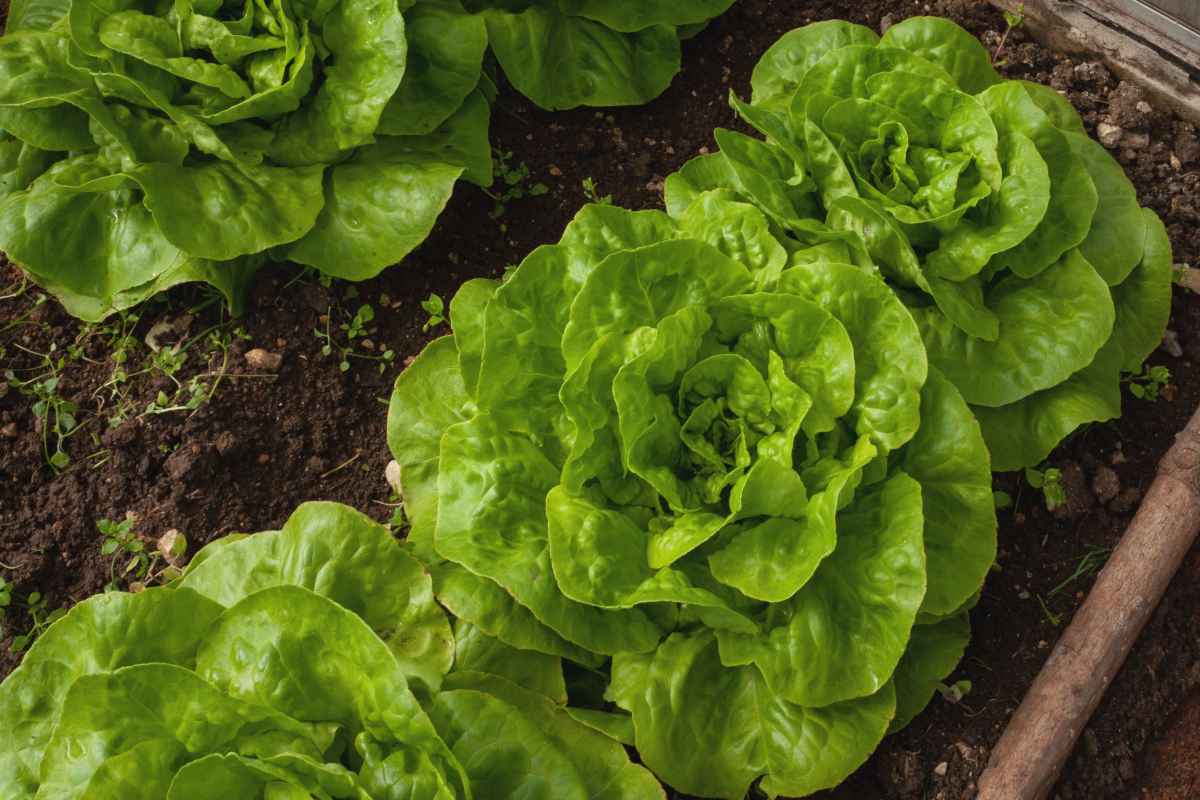
Like most other Brassicaceae cabbages, Crambe is vulnerable to cabbage clubroot which is a fungal disease due to Plasmodiophora brassicae. Main symptoms are:
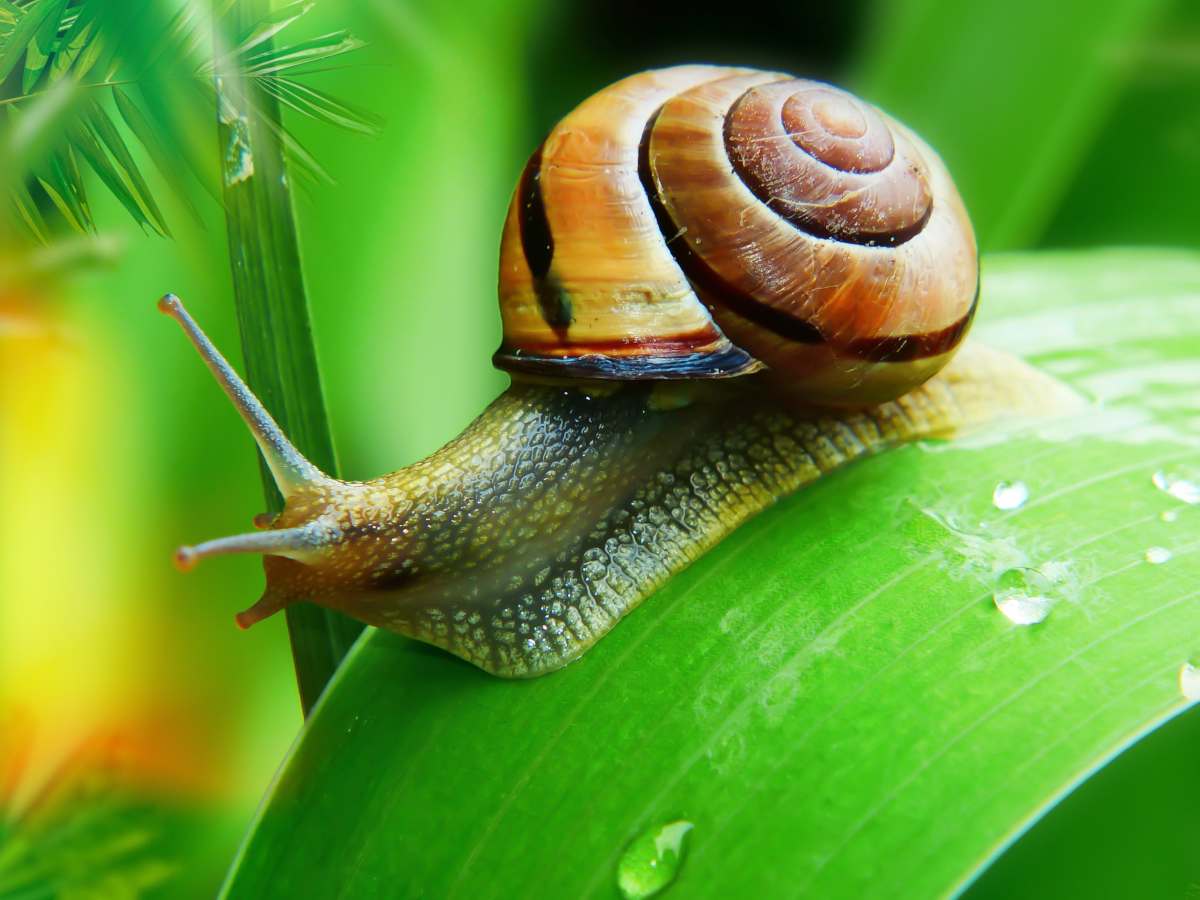
If you realize that a plant is infected, it must immediately be removed and eliminated. Furthermore, to fully eliminate the disease, brace in for the long haul since you have to wait seven years before planting any type of Brassica on that same plot. As for pests that may damage sea kale, you’ll likely encounter:
This double-purpose plant is ideal to decorate a garden, a terrace, and even a kitchen windowsill, since sea kale is also perfectly edible!