Green, red or gold, its leaves are thinner and softer than a common lettuce’s, and better tasting for it. Oakleaf lettuce (Lactuca sativa var. crispa) is ready to pick around six weeks after sowing, and if you slice the head at the collar instead of pulling it up, new leaves sprout for a second cut.
| Name | Lactuca sativa var. crispa |
|---|---|
| Family | Asteraceae |
| Type | annual |
| Height | 8 to 12 inches (20 to 30 cm) |
| Exposure | full sun, part sun |
| Soil | ordinary |
| Sowing | small batches every 2 weeks |
| Harvest | around 6 weeks after sowing |
It requires very little space, and is open to everyone, even if you only have a balcony. This group of lettuce varieties has thinner, softer leaves that are more tasty than thicker leaves of common lettuce.
Oakleaf lettuce is sown quite early in season, as early as late winter.

Direct sowing, in rows from Late winter to mid-autumn depending on the type and species.
As for sowing in the summer, germination is difficult above 70°F (20°C), so favor a cooler spot in the garden, even in the shade eventually…
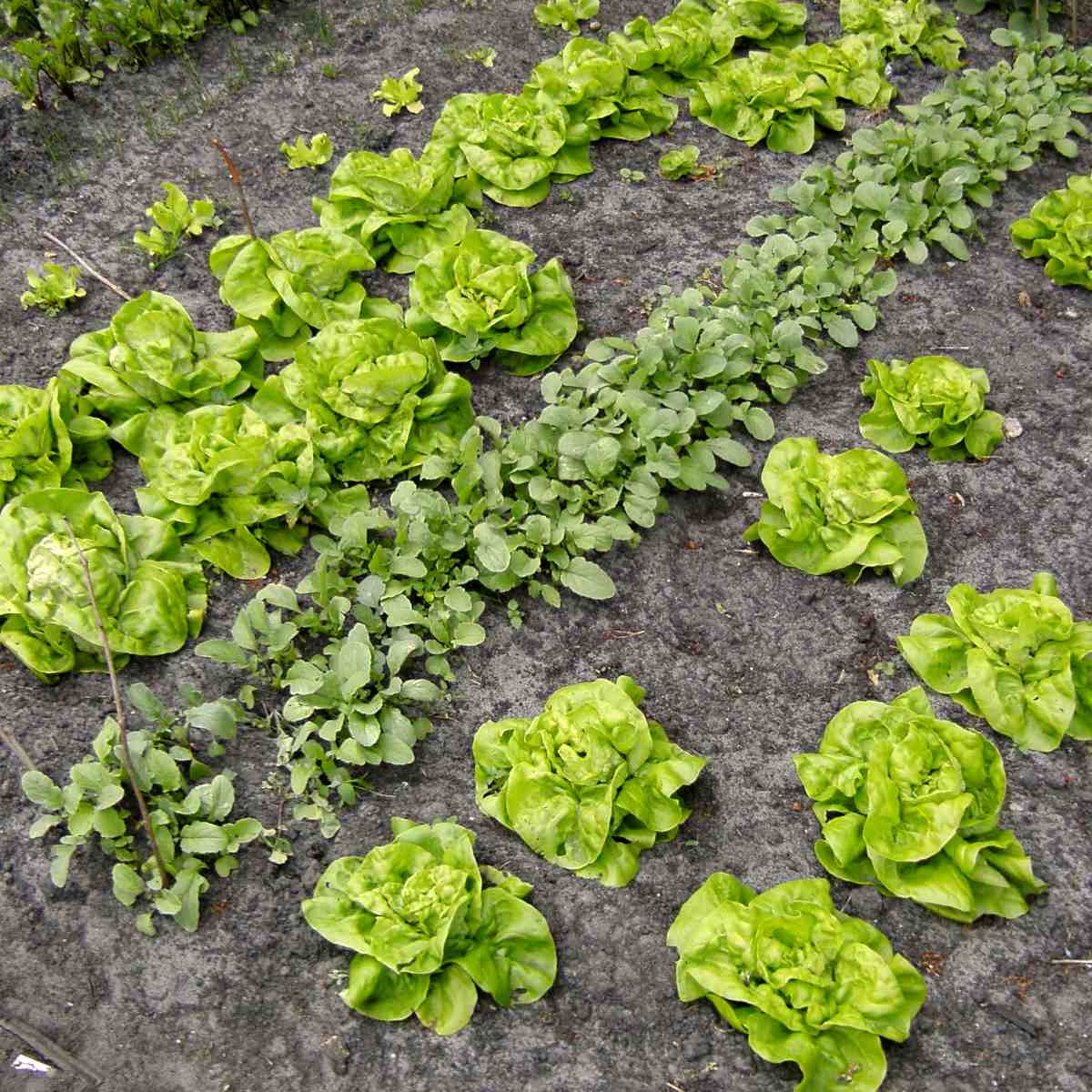
It is a good idea to sow or plant small quantities of oakleaf lettuce repeatedly. Ideally, every 2 weeks, so that you will always have crisp and crunchy lettuce that’s ripe for the picking.
In all cases, thin sprouts down to one every 10 to 12 inches (25 to 30 cm) as soon as the first leaves appear.
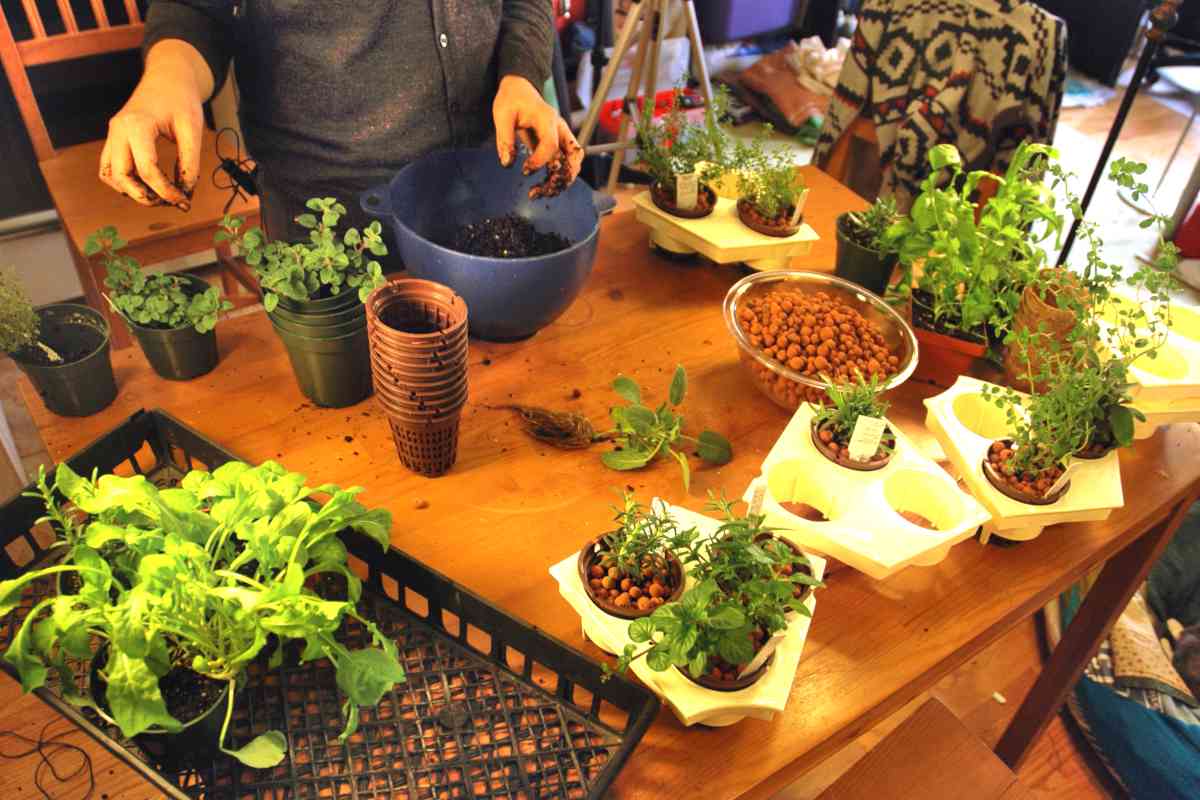
Did you know that salad and lettuce is perfectly suited to growing in pots? You’ll be able to savor it directly from your balcony or terrace.
Oakleaf lettuce can be sown from late winter to mid-autumn, but the method and the protection change with the season you want to harvest in. Use this table to pick the right window.
| Harvest season | Where to sow | When to sow | What it needs |
|---|---|---|---|
| Spring | In a nursery | Late winter to early spring | Tunnel or cold frame, removed once frosts are over |
| Summer | Direct in the plot | Mid-spring to early summer | A cooler spot, even shade; sowing fails in the heat |
| Autumn | Direct in the ground | Late spring to early summer | Thin to one plant every 10 to 12 inches (25 to 30 cm) |
| Winter | Nursery or direct in the ground | Late summer to mid-autumn | Small greenhouse or tunnel, with as much light as possible |
Whichever window you choose, sow only small quantities at a time and repeat every two weeks.

If you wish to avoid the seedling stage, it is often possible to purchase your lettuce in nursery pots with small leaves.
You can plant them in the ground, either in your vegetable patch or in a garden box on a terrace or balcony.
Pass over pots whose lettuce has a long bare stem or roots coiling from the drainage holes; such stressed, root-bound transplants are more prone to bolting early, often yielding a poorer harvest.

Harvest your lettuce, salads or romaine when their core has reached a good size.
Don’t dither to harvest your lettuce, because the crunchier, the better!
It is possible to harvest lettuce all season round, and even during winter.
As soon as the cold hits, protect your seedlings and plants with a small greenhouse, a tunnel, or any other device that will help your lettuce grow even though temperatures are below freezing, providing as much light as possible.
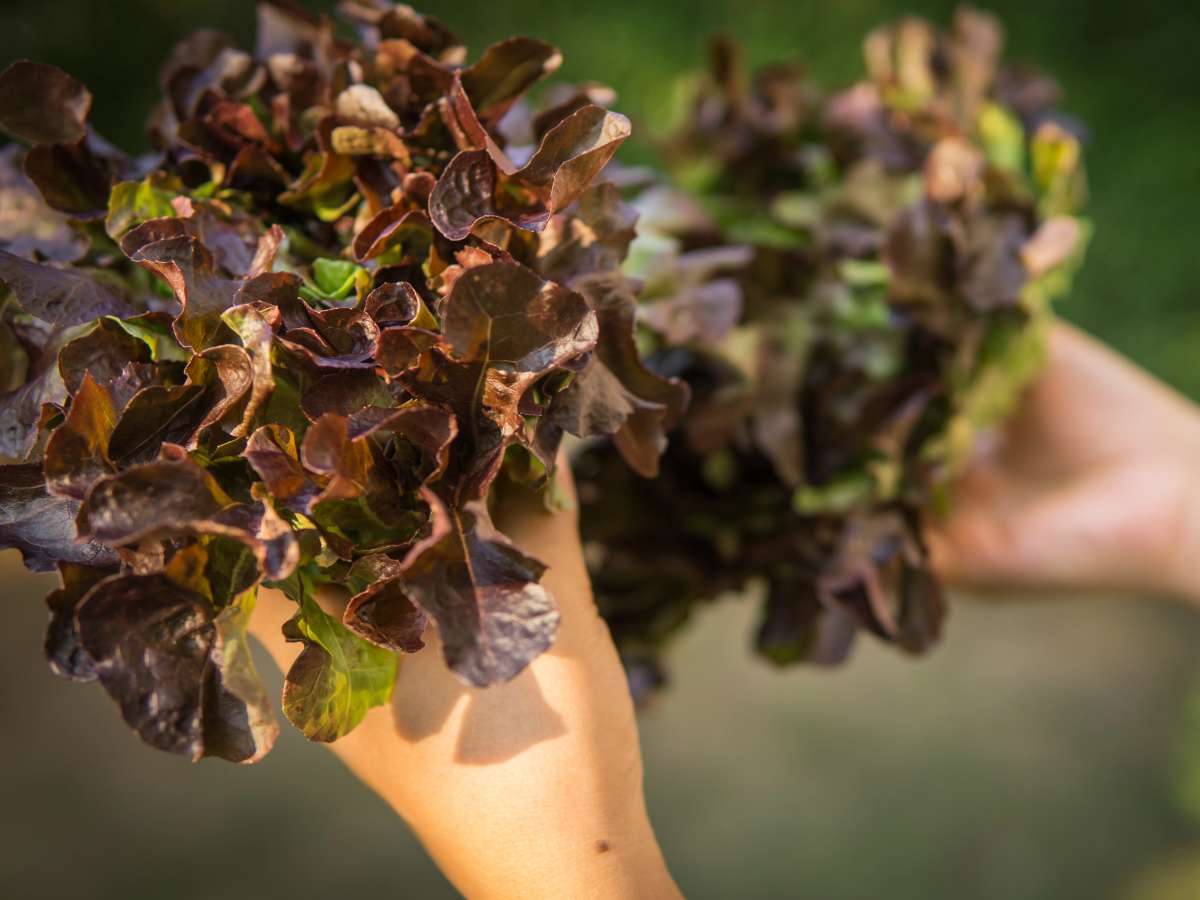
Gardeners after red leaves can try ‘Red Salad Bowl’, which like all oakleaf types won’t bolt as easily as common lettuce and, sliced at the collar, will quickly sprout new leaves for a further harvest.

Rather easy to grow, lettuce doesn’t require much care during its entire growth phase, except for light regular watering.
An annual belonging to the Asteraceae family, lettuce doesn’t deliver very energy-laden nutrition, but contains high amounts of water and an excellent omega 3 ratio.
There are also many trace elements, fibers, minerals and vitamins that our bodies require.

Oakleaf lettuce won’t bolt as easily as common lettuce. Among the various oakleaf lettuce sub-species you’ll find:
Oakleaf types all share the same soft, lobed leaves and the same willingness to resprout after cutting, but they differ in colour, in the season they suit best and in whether they are grown on as full heads or picked young as baby leaf. The table below sets out the varieties most often found on seed racks and in catalogues.
| Variety | Leaf colour | Best season | Main strength |
|---|---|---|---|
| Oak Leaf | Mid green | Spring and autumn | Old heirloom, very tender leaves |
| Red Salad Bowl | Bronze red | Spring to autumn | Red counterpart of Salad Bowl, slow to bolt |
| Bronze Arrowhead | Green with bronze tips | Spring to summer | Heirloom, stands warm spells |
| Cocarde | Green with red edges | Summer to autumn | Large open heads for full cutting |
| Oscarde | Deep red | Spring to autumn | Good as baby leaf or grown on |
| Mascara | Dark red, frilled | Spring to autumn | Deeply cut, decorative leaves |
Even though it doesn’t keep very well, it still is possible to extend its shelf-life a bit longer if you wrap it loosely in a cloth or plastic wrap and store it in the vegetable compartment of your refrigerator.
Try not to sow too many seeds at once, to avoid overproducing. Better to stage your sowing in time.