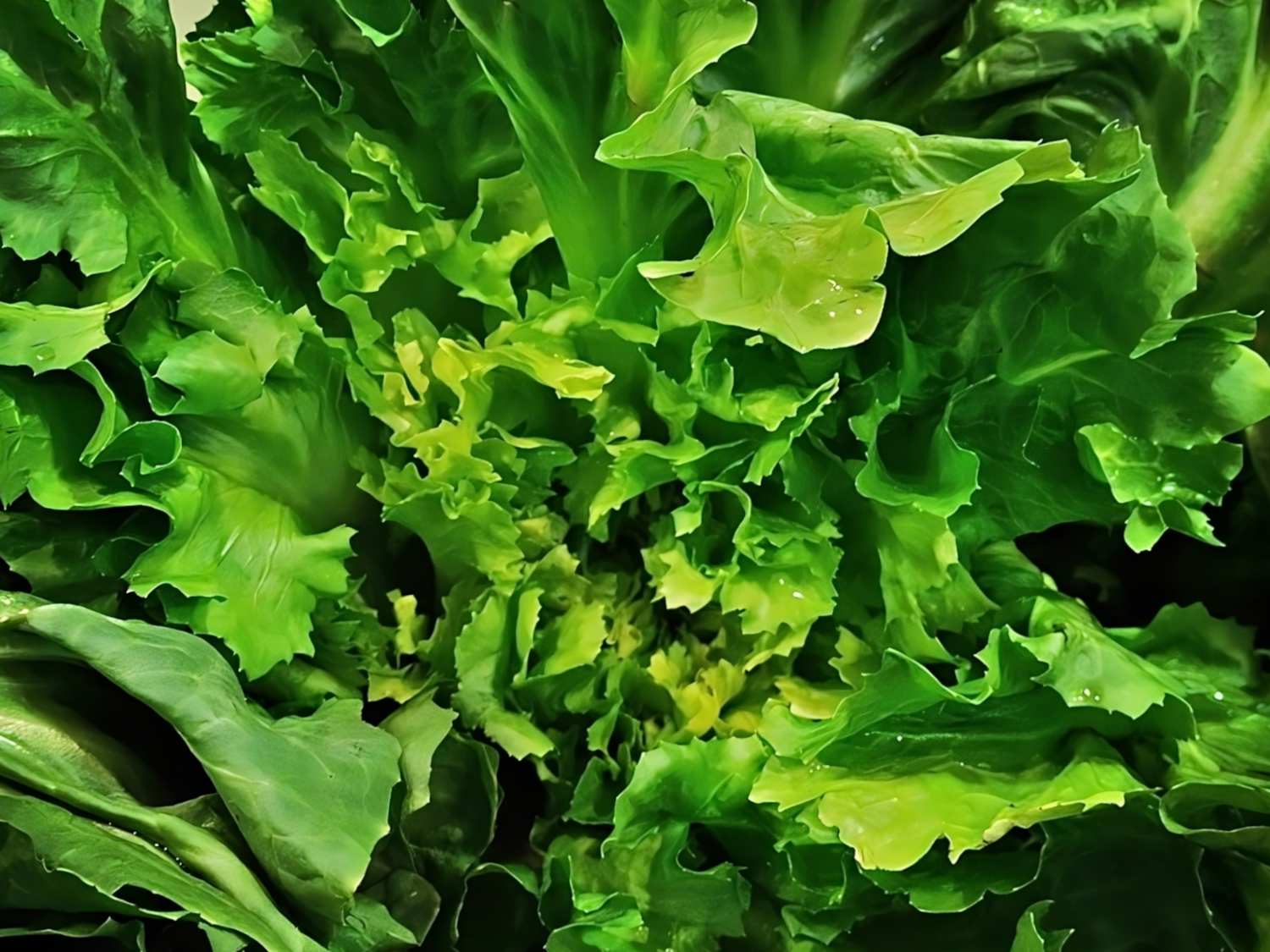
Eight to twelve inches of loose leaves, gathered up with string and covered for about ten days so the bitterness drains out of them: that is escarole (Cichorium endivia). One of the hardiest of the lettuce-type greens, it crops deep into autumn and even through winter, provided it is sheltered before the first hard frosts.
| Name | Cichorium endivia or latifolium |
|---|---|
| Family | Asteraceae |
| Type | annual |
| Height | 8 to 12 inches (20 to 30 cm) |
| Exposure | full sun, part sun |
| Soil | ordinary |
| Harvest | around 6 weeks after sowing |
Escarole is often grown in summer and fall, but it can also be sown earlier for a harvest in spring.
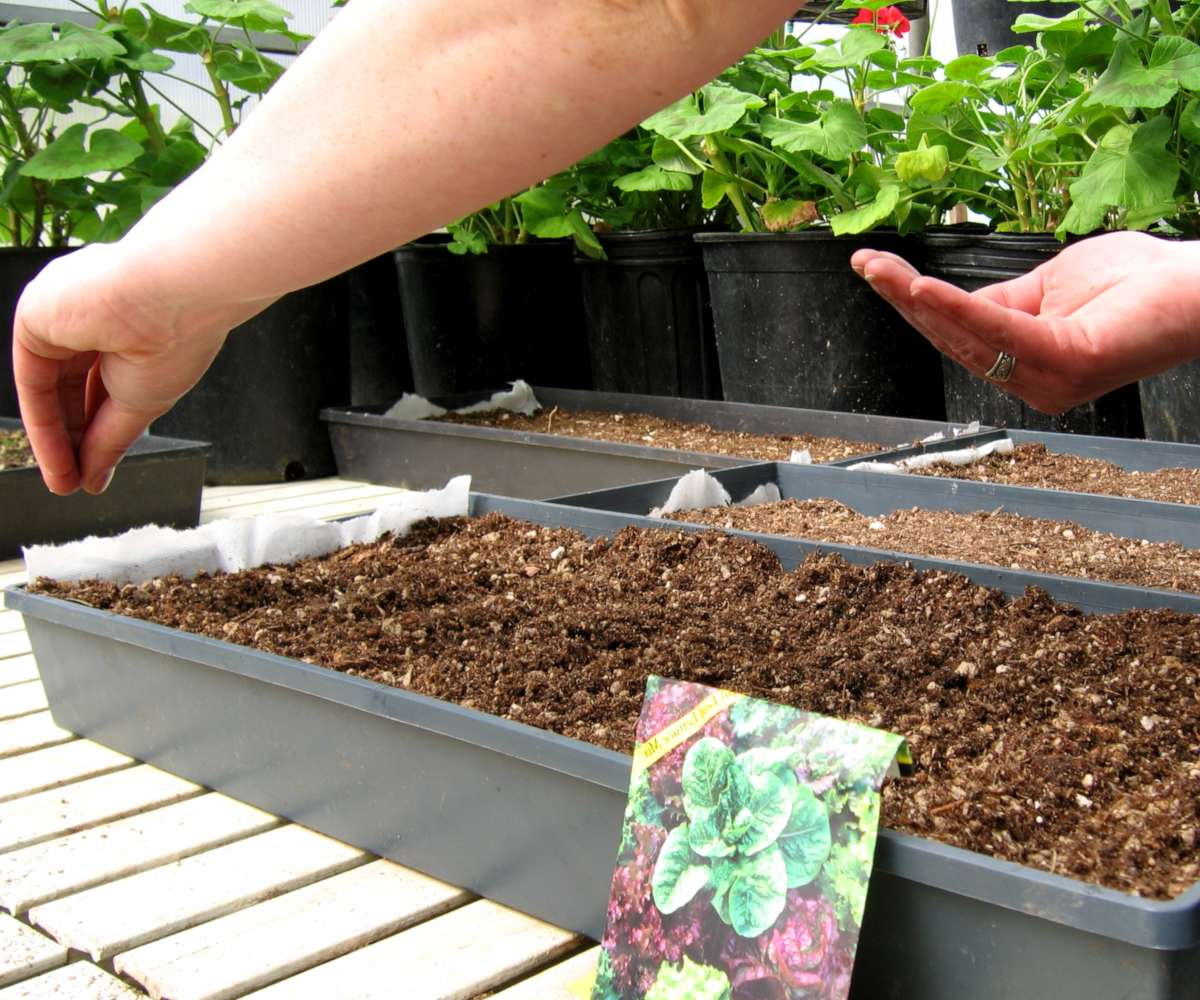
It is then sown under shelter in rows from Late winter to mid-autumn. Starting early is possible, but you’ll need to protect your seedlings from the cold with cold frames, garden cloches or tunnels.
As for summer sowing, know that escarole loves staying cool to develop well.
In all cases, thin sprouts down to one every 10 to 12 inches (25 to 30 cm) as soon as the first leaves appear.
Did you know that escarole is perfectly suited to growing in pots or garden boxes? You’ll be able to savor it directly from your balcony or terrace.
Escarole can be sown from late winter right through to mid-autumn, and the sowing method changes with the crop you are aiming for. Use the table below to pick the sowing slot that matches the season you want to harvest in.
| Crop | Where to sow | When to sow | What to watch |
|---|---|---|---|
| Spring escarole | In a nursery | Late winter or early spring | Remove the tunnel once the frost spells are over |
| Summer escarole | Directly in the plot | Mid-spring to early summer | Escarole loves staying cool to develop well |
| Fall escarole | In situ | Late spring to early summer | Thin to one plant every 10 to 12 inches (25 to 30 cm) |
| Winter escarole | In a nursery, or directly in the ground | Late summer to mid-autumn | Protect before the first frost spells if need be |
Staggering these sowings is what keeps escarole coming out of the plot almost all year round.

If you wish to avoid the seedling stage, it is often possible to purchase your escarole in a nursery pot, ready to plant.
You can plant them in the ground, either in your vegetable patch or in a garden box on a terrace or balcony.
As soon as the escarole is large enough, it is important to blanch it.
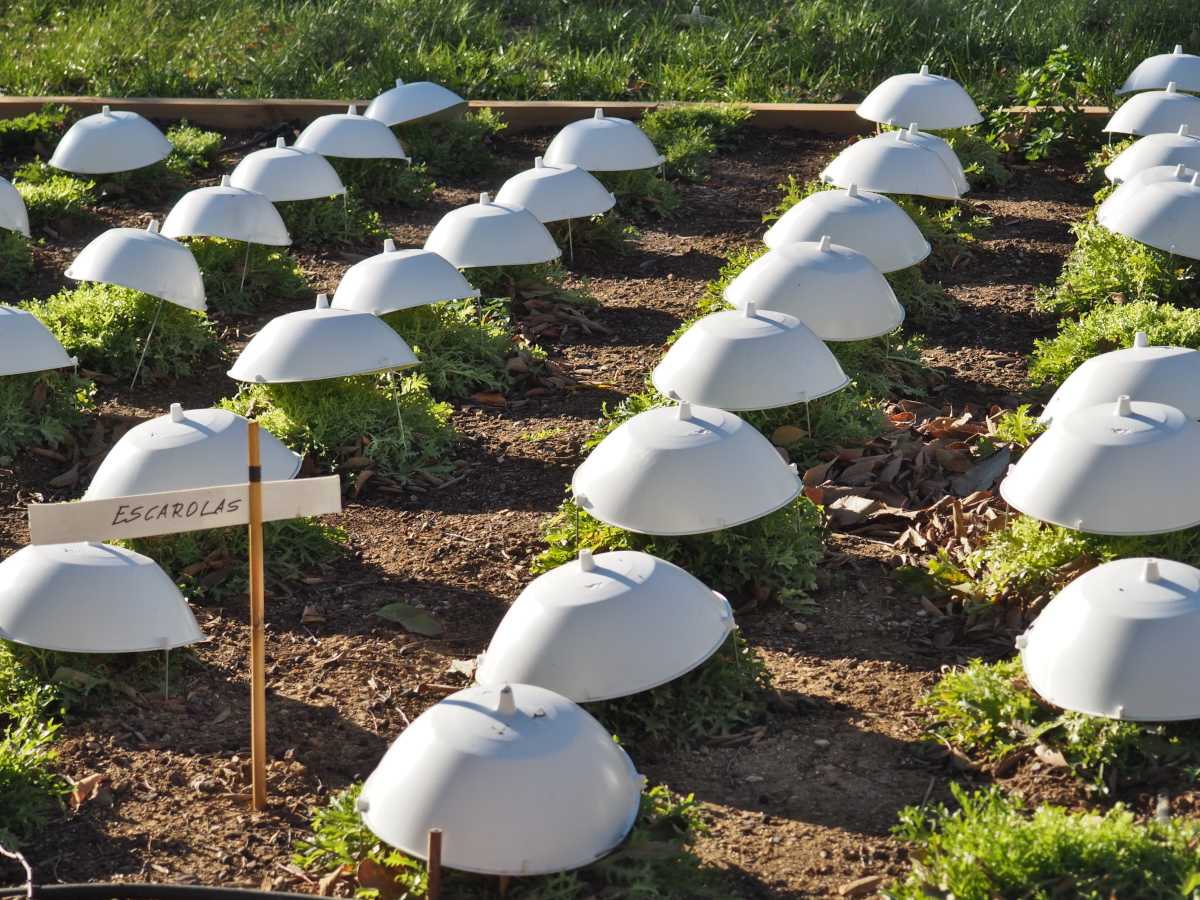
Blanching the escarole will remove the bitterness from the leaves before eating.
It is best to blanch only as much as you need to harvest, because once blanched, escarole won’t keep for very long.
Broad-leaved escaroles give the thick, buttery hearts described above, while the cut-leaved frisée types are the same species grown for finer, curlier leaves. The table sets out the sorts most often found in seed catalogues, and whether each needs tying and covering or folds its own heart.
| Variety | Leaf type | Blanching | Main season | Cold tolerance |
|---|---|---|---|---|
| Cornet de Bordeaux | Upright, spoon-shaped leaves | Self-folding heart | Autumn into winter | Very good |
| Green Curled Ruffec | Deeply cut frisée | Tie and cover | Autumn | Very good |
| Blonde Full Heart | Broad escarole, pale heart | Partly self-blanching | Summer to autumn | Moderate |
| Broad Leaved Batavian | Broad, flat escarole | Tie and cover | Summer to autumn | Good |
| Bianca Riccia | Fine pale cut leaf, cut-and-come-again | None needed | Spring and autumn | Moderate |
| Natacha | Broad escarole, dense heart | Largely self-folding | Summer to autumn | Good |
Escarole resists very well when the first colds hit, and will thus last deep into fall.
After having forced (blanched) them, harvest your escarole by cutting them off at the root crown.
Escarole is one of the most hardy lettuce-type greens.
It is possible to harvest escarole all season round, and even during winter.
As soon as the cold hits, protect your seedlings and plants with a small greenhouse, a tunnel, or any other device that will help your escarole grow even though temperatures are below freezing, providing as much light as possible.
Air the tunnel or cloche on mild, dry days, since stagnant, humid air under cover encourages grey mould and heart rot in escarole, while ventilation dries the leaves and slows those diseases.
A sub-species of endive, escarole is rather easy to grow. Escarole doesn’t require much care during its entire growth phase, except for light regular watering.

An annual belonging to the Asteraceae family, escarole doesn’t deliver very energy-laden nutrition, but contains high amounts of potassium and facilitates digestion.
There are also many trace elements, fibers, minerals and vitamins that our bodies require.
Stage escarole sowing dates and varieties to produce escarole almost all year long.