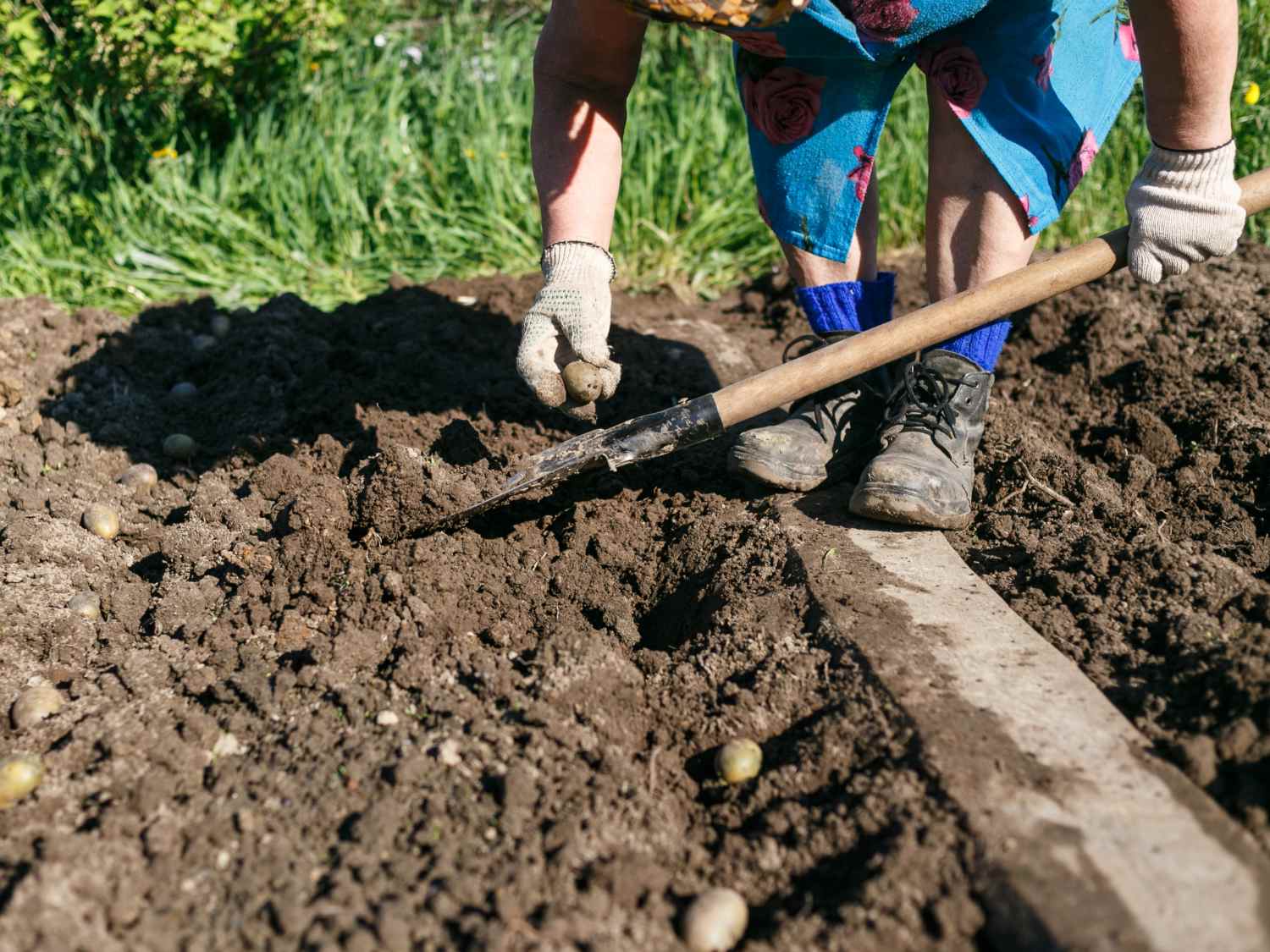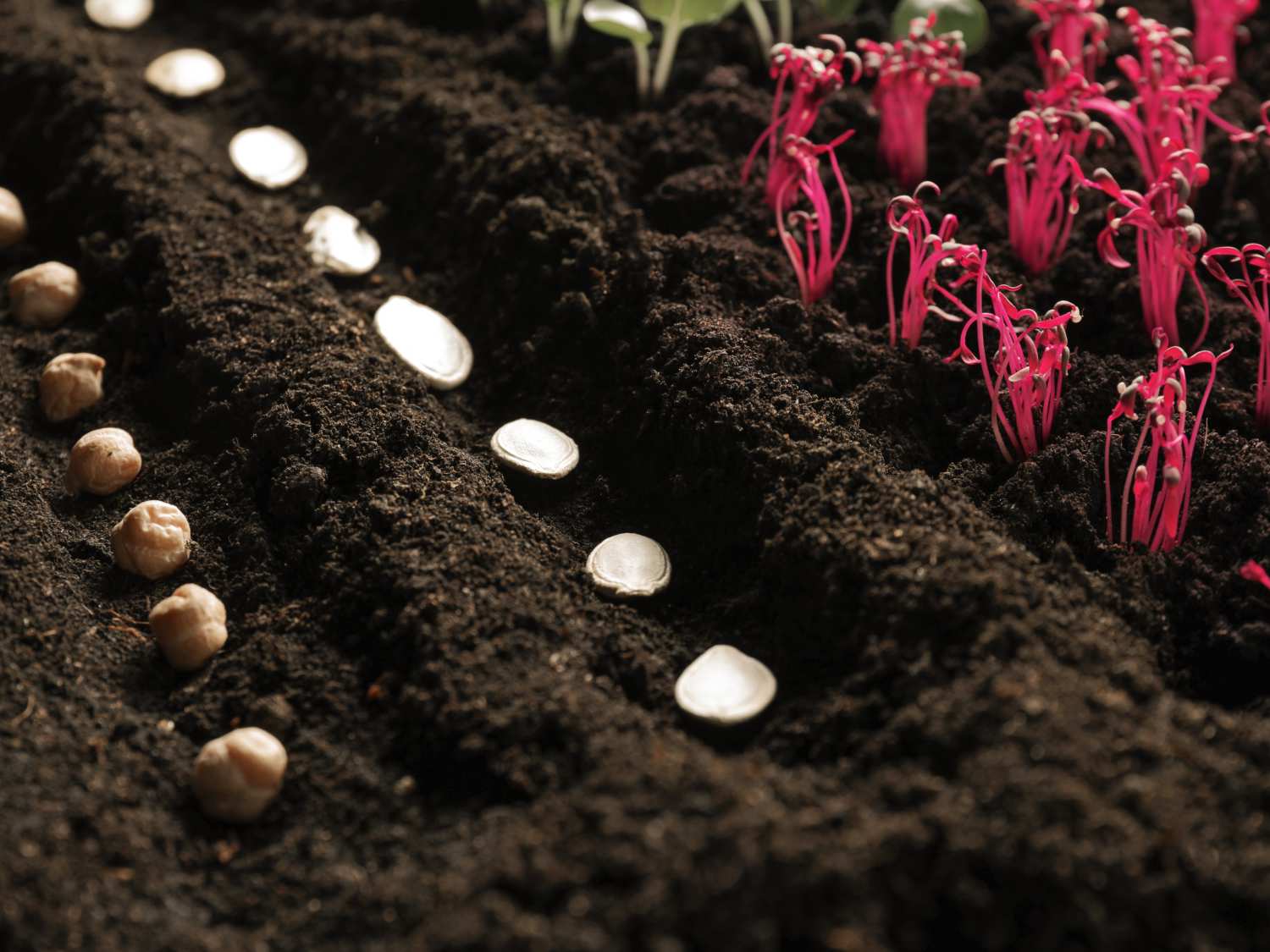
Row sowing means dropping evenly spaced seeds along the bottom of a shallow furrow, anything from half an inch to an inch deep, opened with a drill hoe or the round tip of any long-handled tool. It is the standby method for vegetables outdoors, sown direct or in a nursery, and it works when the depth matches the seed.
It is very easy to perform and is particularly well suited to outdoor sowing , either directly or in a nursery.
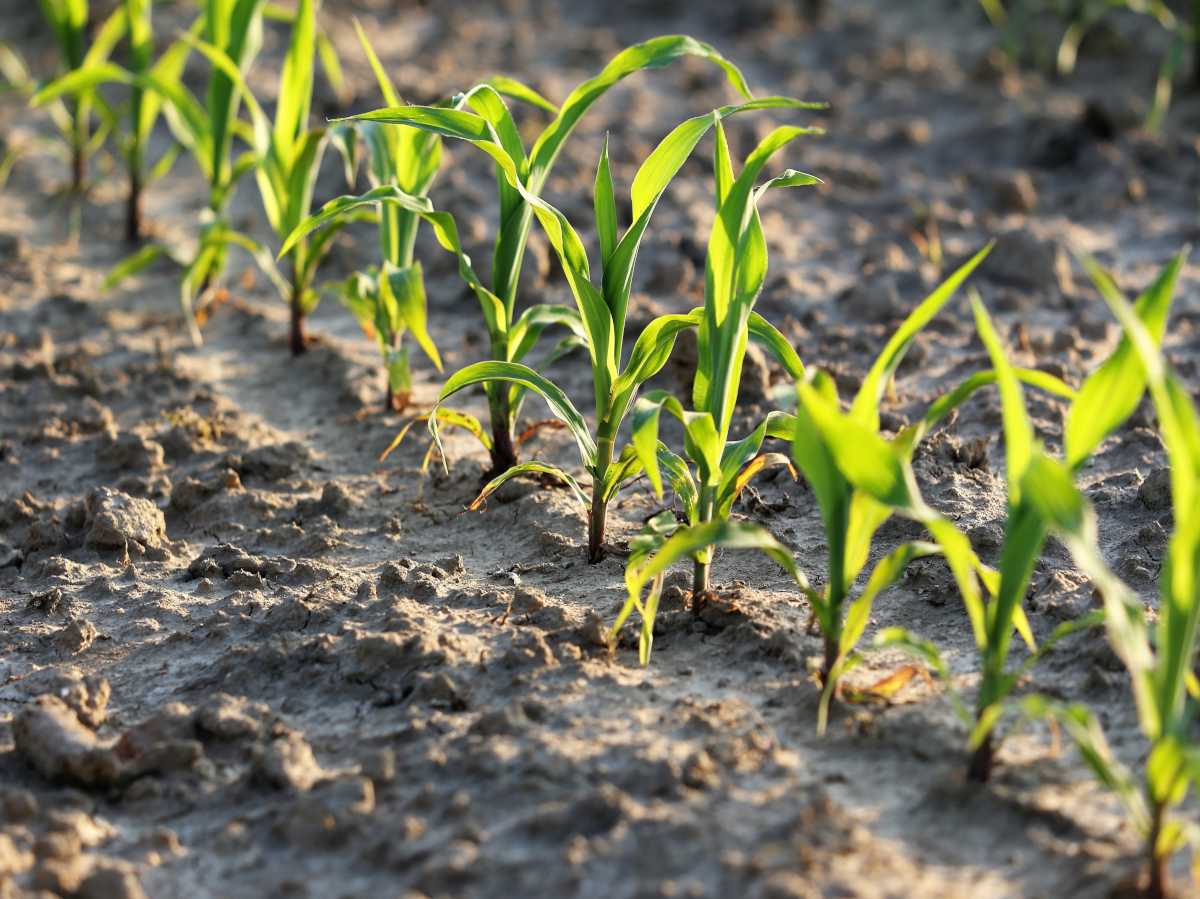
A drill hoe or a triangle hoe is best to prepare the rows for your sowing. If you don’t have any, the round tip of any long-handled tool you happen to have is fine, too.
Row-sowing means to drop seeds, evenly-spaced, at the bottom of a furrow, the depth of which depends on the species you are going to grow. The depth ranges anywhere from ½ to 1 inch (3 cm). Usually you can estimate the depth to be 2 to 3 times the seed’s diameter.
The row itself matters more than the tool that traces it. Here are the three options the article puts forward, from the purpose-made hoe to the improvised handle.
| Tool | What it does | When to reach for it |
|---|---|---|
| Drill hoe | Draws the furrow ready for sowing | First choice for preparing rows |
| Triangle hoe | Draws the furrow ready for sowing | Just as suitable as the drill hoe |
| Round tip of a long-handled tool | Traces the furrow with its rounded end | When you own neither hoe |
Whichever you use, the depth of the furrow is what counts.
If you can, mark your rows following the direction of prevailing winds in your area.
For smaller seeds, Nature-and-Garden recommends that you mix them with sand.
It will be much easier to spread them evenly without sowing too many in each furrow.