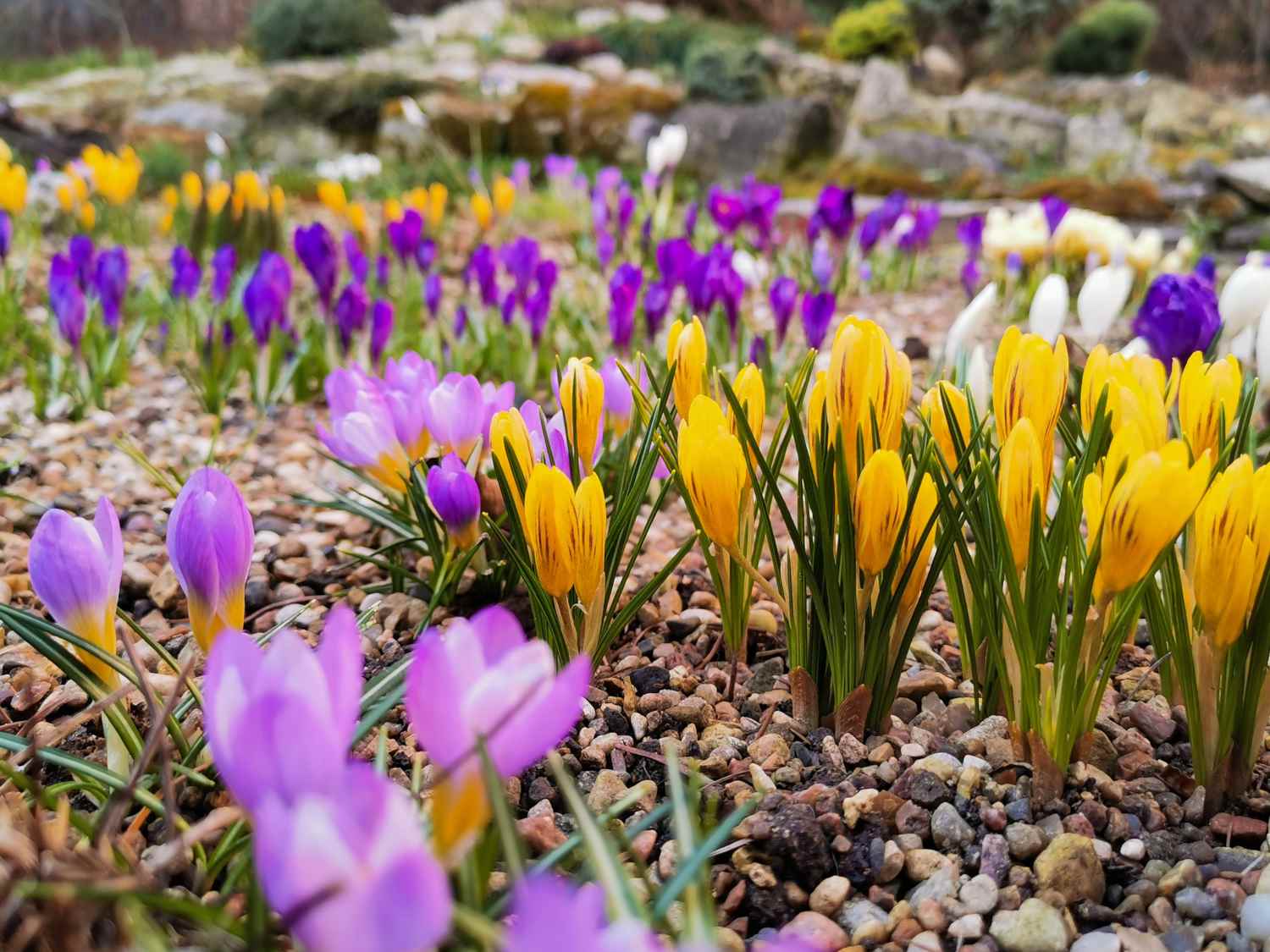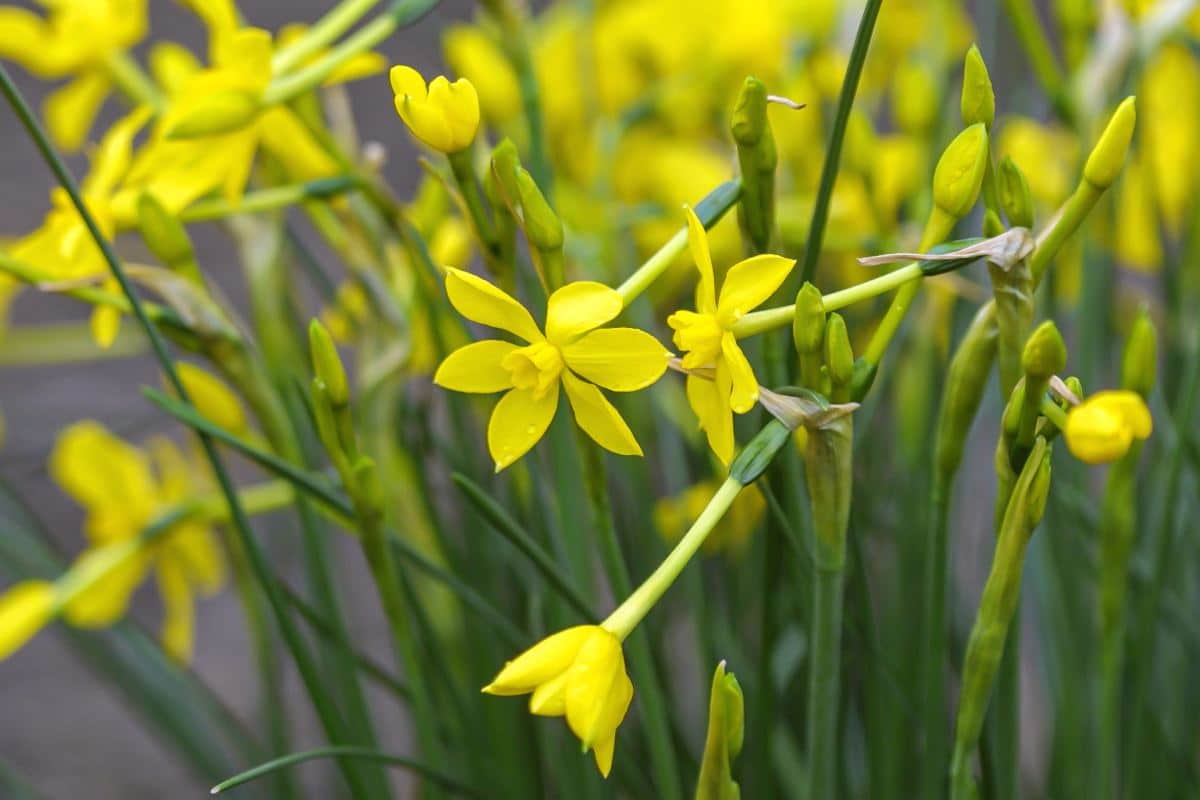
Crocus, winter aconite and snowdrops open while the first tulips and bulbous iris follow, and the days grow visibly longer. These are the last weeks to plant bare-root fruit trees, shrubs and roses, to prune apples and pears and to sow the first vegetables — every one of those jobs on the single condition that the weather isn’t freezing.
But even though some days hint that spring is near, others remind us that we are still in winter!
Take advantage of this coming February to prepare your garden for the new season that’s on its way.
Select the flowers to plant and seeds that you’ll be sowing.
<!–
–>
These are the very last weeks for you to plant your bare-root fruit trees and shrubs.
As for shrubs purchased in pots or containers, no hurry, you’ll have until the end of spring to transfer them to the ground.
It is still possible, again if it isn’t freezing, to prune shrubs that bear flowers in summer.
Late winter asks something different of each part of the garden, and most of the jobs carry a condition attached. This table gathers what the article covers, so you can see at once which tasks are still open to you.
| Plant group | Job | When | Condition to check |
|---|---|---|---|
| Bare-root fruit trees, shrubs and hedging | Plant | Last weeks of late winter | Not while the weather is freezing |
| Shrubs bought in pots or containers | Transfer to the ground | Any time up to the end of spring | No hurry at all |
| Biennials: primroses, pansies, forget-me-nots | Plant out | Late winter in mild areas, second half of late winter where winters are cold | Mild climate, or wait for the cold to ease |
| Vegetables: beet, carrot, peas, radish, leek, onion | Sow, direct or sheltered | Late winter | Mild-winter region for direct sowing, otherwise shelter |
| Rose trees | Prune, plant bare root, feed with manure | Second half of late winter; bare-root planting must not slip into early spring | Mild weather makes late planting riskier |
| Apple and pear trees | Prune, then treat with Bordeaux mixture | Late winter, treatment at the very end | Apply before the flowers open |
| Conifers such as juniper | Cut back to reduce size or reshape | Late winter | Only if they have grown too unwieldy |
Everything else can wait: the one rule running through the whole list is never to plant or prune into freezing weather.
If you had the good idea of planting winter bulbs in the fall, you’ll soon start seeing beautiful spots of color within days.
Thanks to the crocus, winter aconite, snowdrops, the first tulips and also bulbous iris, your garden will soon be a patchwork of color.
You can start planting biennials such as primroses, pansies, and forget-me-nots.
It’s possible to sow many vegetables as early as February, in a sheltered place and even directly in the ground in regions with mild climates.
Thus, in the South and in mild winter climates, it is possible to sow directly in the ground red beet, carrots, chervil, chives, chicory, spinach, broad beans, corn salad, parsley, leek, peas, salsify, onion, sorrel, radishes and finally black salsify.
And if you’ve got a cold frame, you can also sow in it cauliflower, lettuce, melon, chili and bell pepper and tomatoes.
Garlic, shallot, and your first potatoes can also be planted under shelter.
<!–
–>
Mid-February is when you’ll start caring for them again, to prune your rose trees.
Planting rose trees from bare root stock is also still possible.
Do not dither, though, because in March it would be too late, especially if the weather is mild.
If not yet done, there still is time to amend the soil with manure to nourish the earth deep down.
It is still the right moment to plant fruit trees while, as always, ensuring that the weather isn’t freezing.
Take advantage of this month to proceed to pruning your apple trees and pear trees if you haven’t yet done so.
At the end of the month, if you feel that the increasingly mild weather will soon lead the flowers to bloom, treat the fruit trees with Bordeaux mixture to preventively eliminate fungus.
It’s the moment to cut conifers such as juniper back if you feel they need to be downsized or their bearing adjusted.
This isn’t mandatory and must only be performed if your conifers have grown too unwieldy.
Read also: