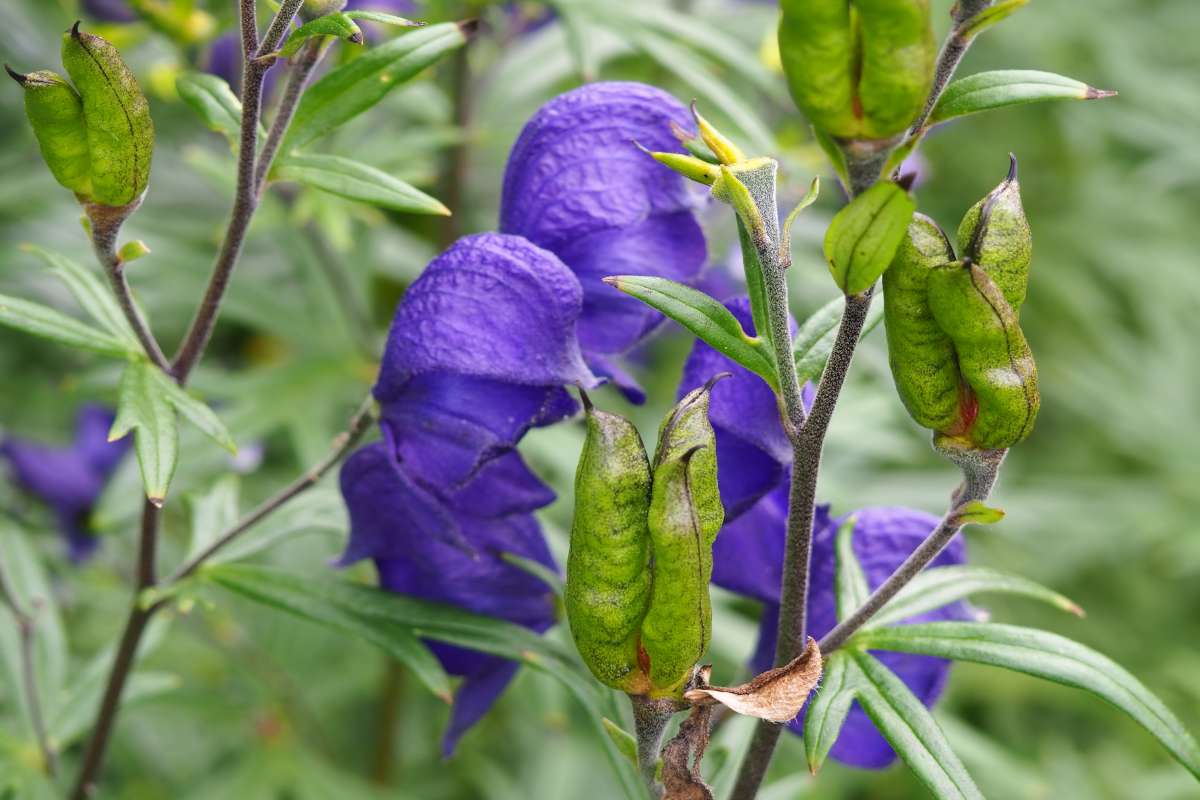
Long floral scapes rise past 3 feet, each one topped with hooded flowers of deep blue or yellow. Monk’s hood (Aconitum napellus) earns its place at the back of a border and in long-lasting bouquets; give it light shade and shelter from wind, or stake it, and it stands tall all season.
| Name | Aconitum napellus |
|---|---|
| Family | Ranunculaceae |
| Type | perennial |
| Height | 32 to 48 inches (80 to 120 cm) |
| Exposure | sun and part sun |
| Soil | ordinary, well drained |
| Flowering | late spring to mid-autumn depending on the seasons |
The floral scapes can grow to over 3 feet (1 meter) tall, which makes it an ideal plant to decorate the back of a flower bed.
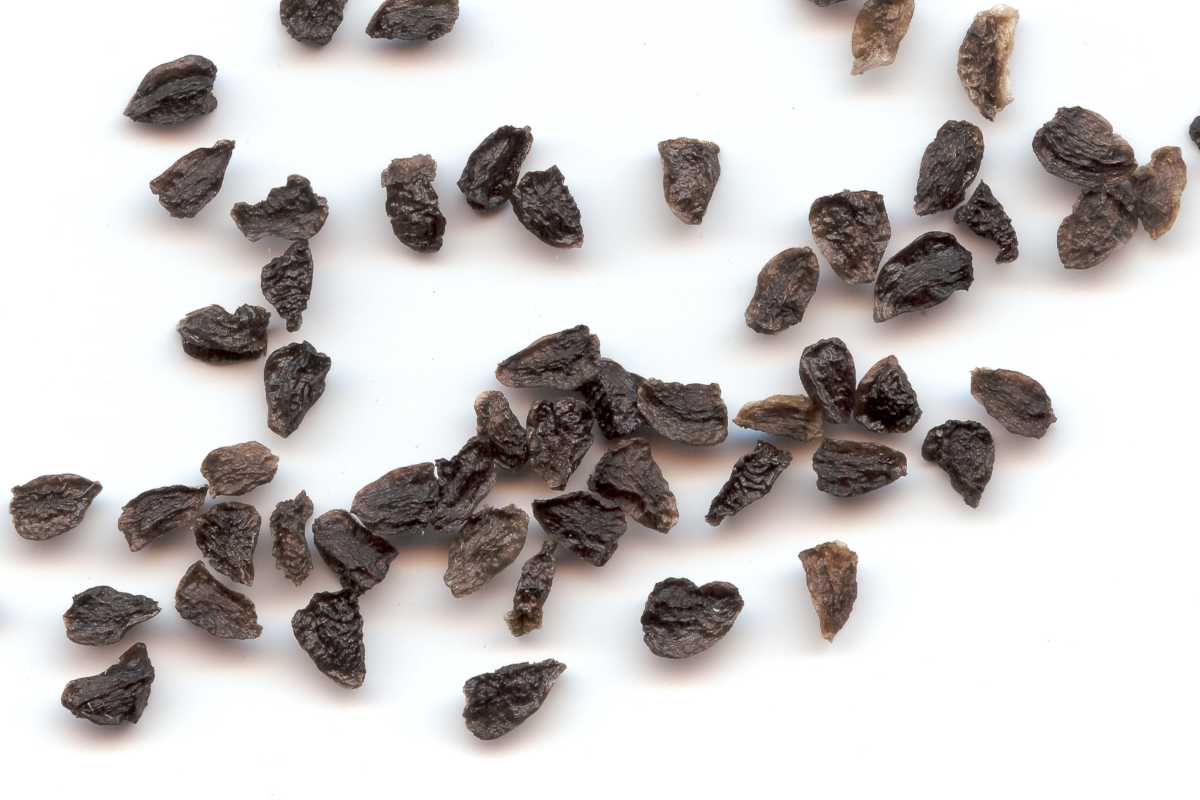
It is best to plant your aconite in early autumn for proper root development before winter and good growing back in the following spring.
If you’re planting in spring, you’ll have to water regularly after planting.
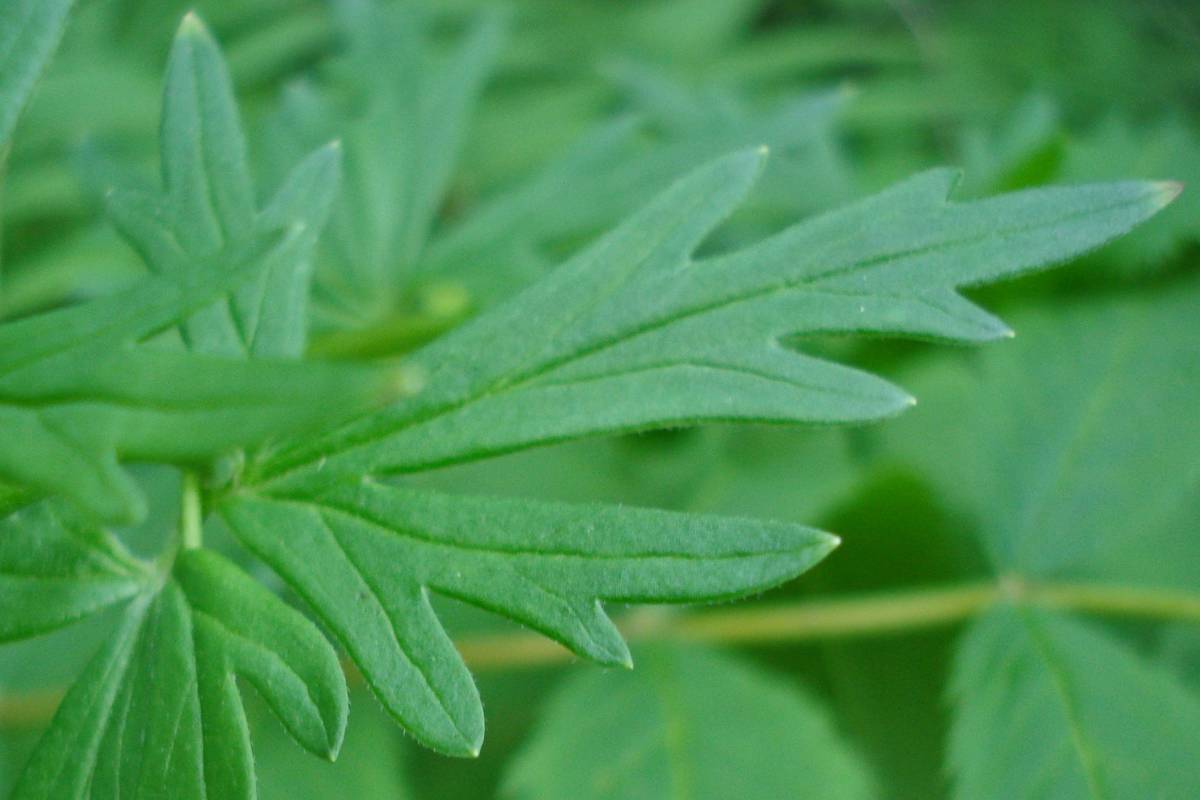
Cut stems off after the blooming, this will trigger appearance of more new flowers.
For aconites, cut back to the shortest in fall and possibly protect the base of the plant in colder areas.
Aconite asks for very little, but each job has its moment. Here is the timing of the few tasks the plant really needs.
| Task | When | What to do |
|---|---|---|
| Planting | early autumn | Plant then so roots develop before winter and growth restarts well in spring |
| Planting | Spring | Possible, but water regularly after planting |
| Deadheading | After each flush of bloom | Cut stems off to trigger more new flowers |
| Cutting for the vase | Summer | Take a few flowers for a bouquet: they last a long time |
| Cutting back | Fall | Cut back to the shortest, and protect the base in colder areas |
Beyond this short list, the only real chore is staking the tallest stems where wind is an issue.
Beyond the plain blue species, the monkshoods sold in British and North American nurseries differ mainly in flower colour, when they bloom and how much staking they need. The table below sets the widely grown named forms side by side.
| Variety | Flower colour | Flowering season | Height band | Best use |
|---|---|---|---|---|
| ‘Bicolor’ | White, blue-edged hoods | Mid to late summer | Medium | Branching sprays, good cut flower |
| ‘Newry Blue’ | Dark navy blue | Early to midsummer | Tall | Cutting; needs staking |
| ‘Blue Sceptre’ | Blue and white bicolour | Mid to late summer | Compact | Smaller borders, front of group |
| ‘Album’ | Ivory white, a change from the usual blue or yellow | Midsummer | Tall | Lightening a shaded border back; long floral scapes make a bushy backdrop and last well in a vase |
| ‘Bressingham Spire’ | Violet-blue | Mid to late summer | Medium | Stiff spikes, rarely needs staking |
| ‘Carneum’ | Soft pink, fading paler; a change from the usual blue or yellow | Midsummer | Tall | Pastel schemes in cool shade; long scapes last well in a vase; increase by crown division |
| subsp. vulgare ‘Albidum’ | A change from the usual blue or yellow | Midsummer | Tall | Long floral scapes form a bushy backdrop at the back of a bed; lasts well in a vase, even as a bouquet of dried flowers |
| ‘Stainless Steel’ | Silvery grey-blue | Mid to late summer | Medium | Cool colour schemes |
Also called wolf’s bane, this plant’s name comes from Latin aconitum which means poison.
But although this plant is poisonous, it is also a cute flower that bears distinctive long floral scapes that uphold beautiful blue or yellow flowers depending on the species.
Its great height, often taller than 3 feet (1 meter), makes it a good plant to settle at the back of a flower bed where it will produce an nice bushy backdrop.
It also makes for great bouquet flowers that will keep for a long time – even a bouquet of dried flowers!
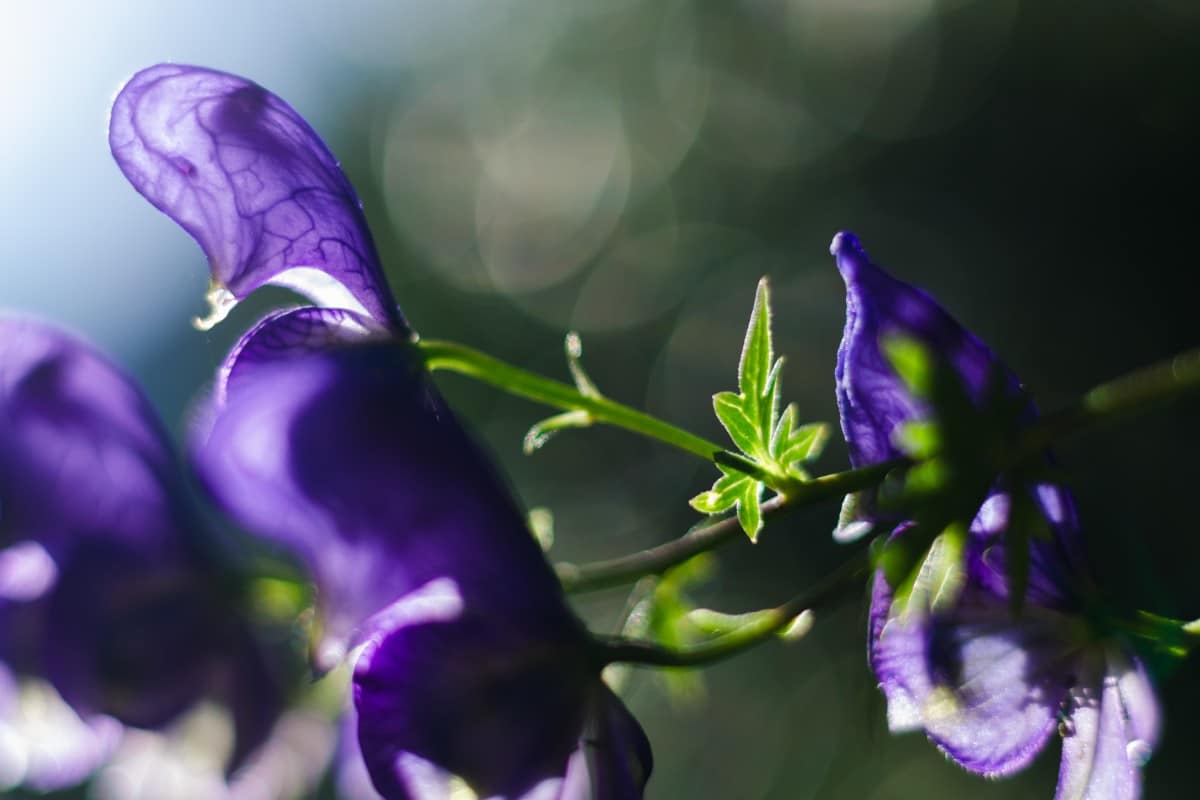
Aconitum napellus is the most poisonous of the aconite species, and is probably one of the most toxic plants in temperate Europe.
Simply ingesting a little bit of the plant can lead to heart problems that can cause death.
The root, that looks like a turnip, is the most toxic part of the plant.
Aconite was used by hunters for poison on the tips of their spears and arrows, and more recently was used to get rid of wolves and foxes.
Cut a few aconite flowers off the bush in summer, and set them in a vase: you’ll be surprised at how long they last in such a bouquet!