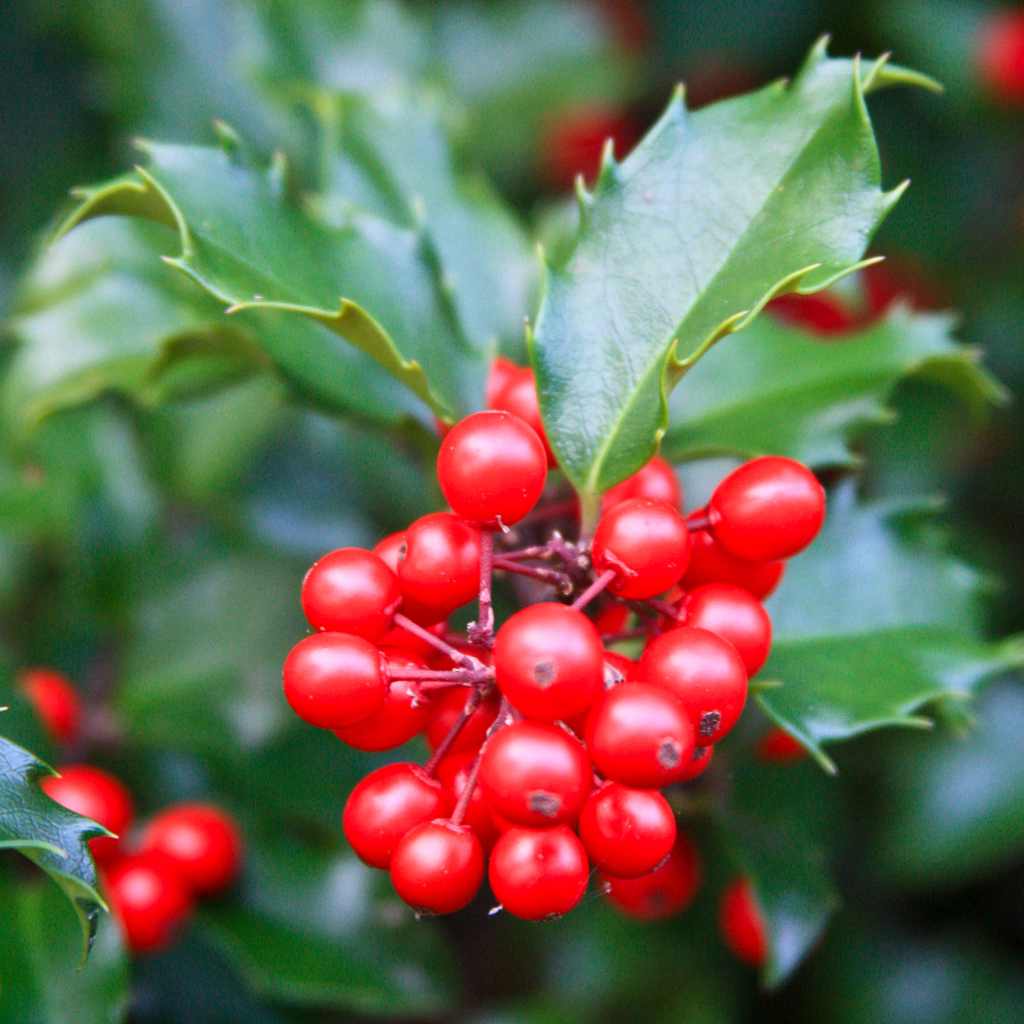
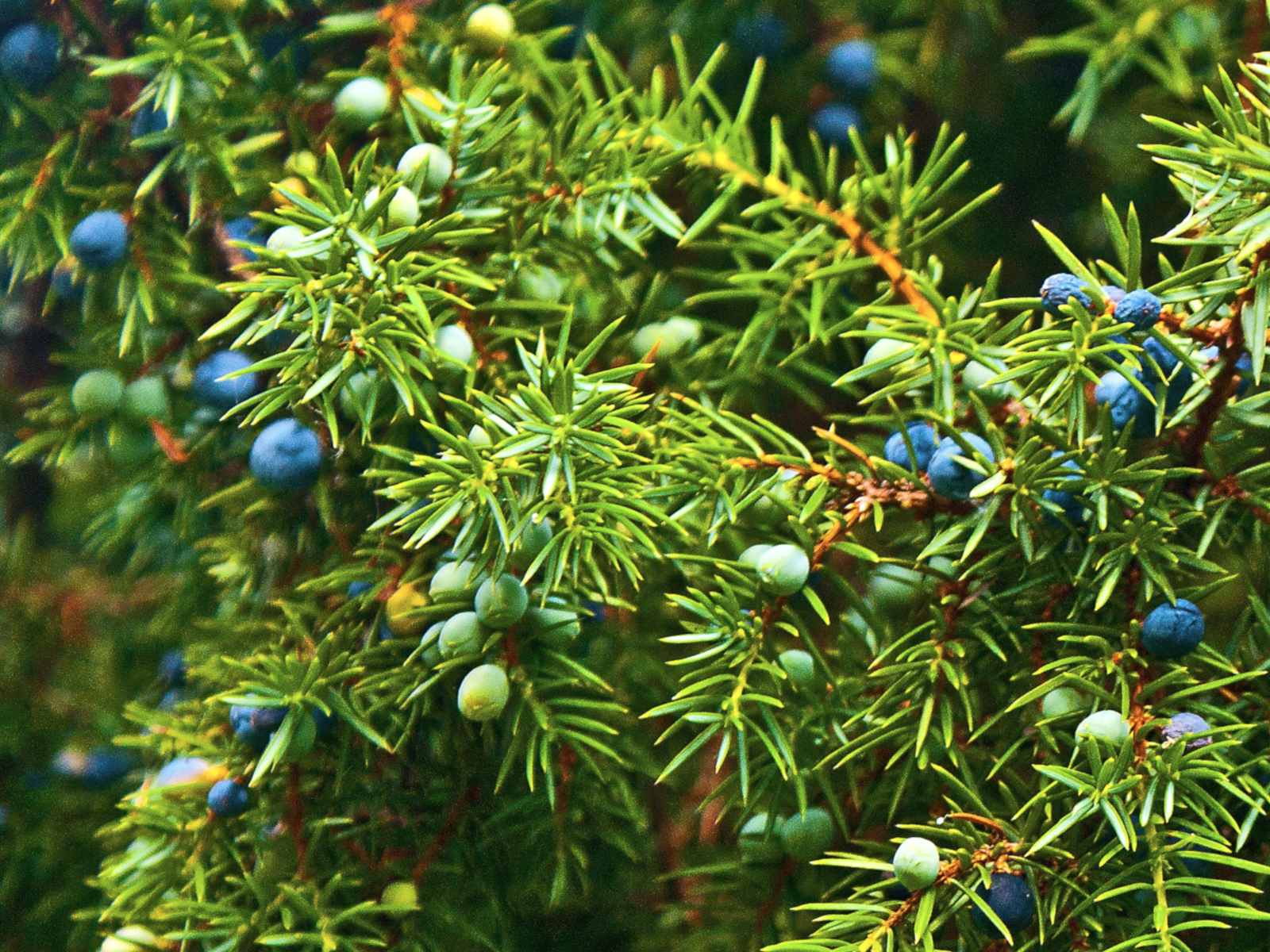
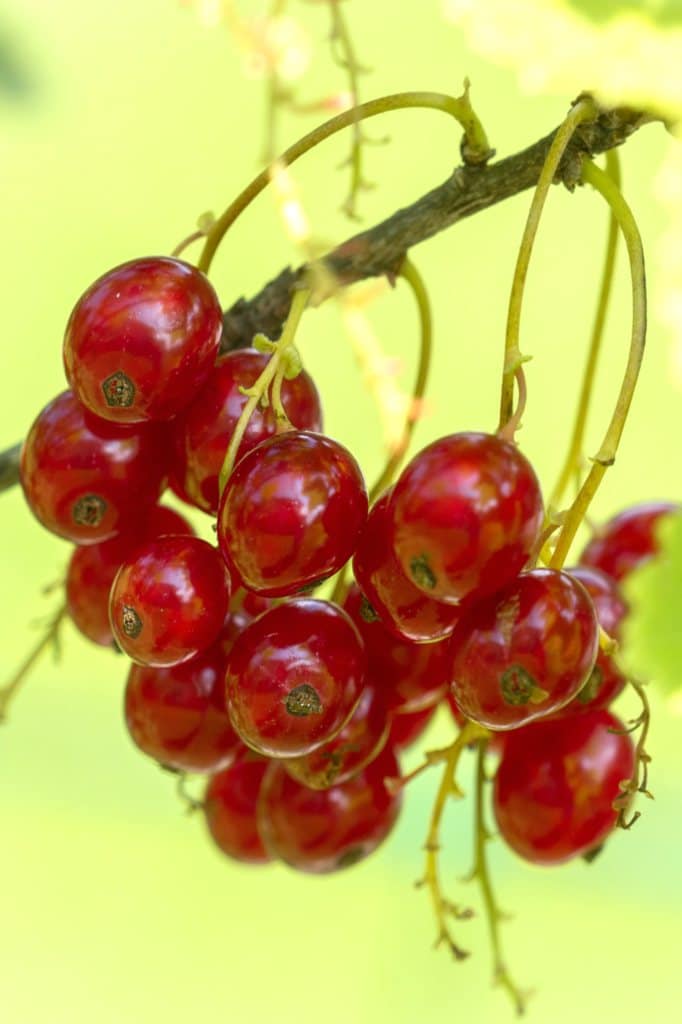
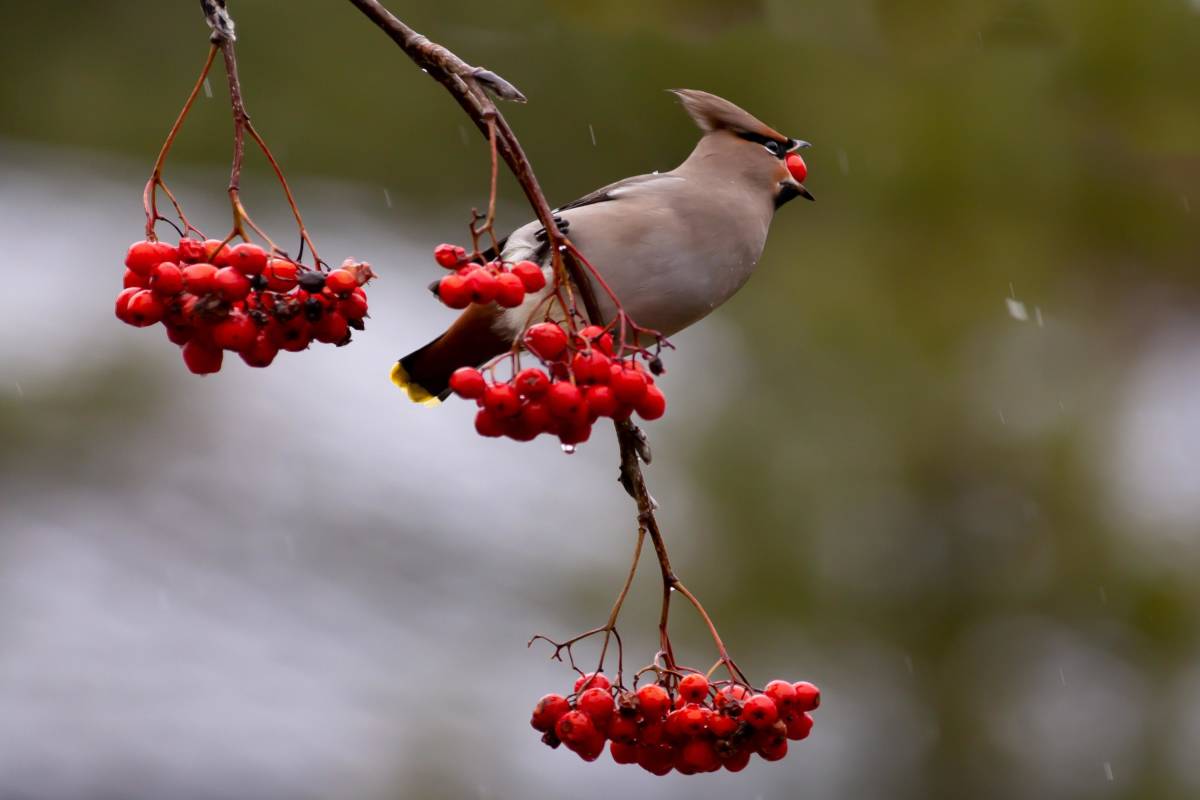
Ribbons of pearl-like fruit along bare branches — bright red on holly and cotoneaster, yellow clusters on mahonia, nearly black on elder — carry colour through the grey months and feed birds when other food is scarce. Plant several different kinds together, and no single bush will be stripped bare.
Many shrubs have decided to brighten up those gray days with magnificent colored berries that decorate and lighten up the garden.
A true festival of colors can be created simply by choosing those plants that drape themselves in ribbons of pearls along their branches in winter.
Berries actively contribute to feeding the winter fauna, especially birds who love these fruits when food is sparse.
You’ll be setting up a welcoming environment for birds in your garden, which is always a beautiful sight that also protects the environment.
Planting many different varieties also ensures that birds won’t focus too much on a single bush, like what happened to this silverberry.
Berry shrubs compared at a glance
Each of these shrubs drapes its branches in fruit through the coldest months, but they differ in berry colour, in whether the crop is worth eating, and in how they are best placed in the garden. Use the table to settle on one or two before reading their portraits below.
Berry shrubs compared at a glance
Shrub
Berry colour
Edible berries
Best use
Holly
Bright red
No
Cut sprigs for festive decoration
Mahonia
Yellow clusters
Yes
Lighting up a shrub bed
Hawthorn
Berries and leaves in varied colours
Not stated
Mixed planting for autumn and winter colour
Elder
Nearly black
Yes, made into jam
Easy-care shrub that also attracts birds
Cotoneaster
Red
No
Winter display, berries hiding the leafage
Fire thorn (Pyracantha)
Fiery red
No
Long-lasting winter colour like cotoneaster
Strawberry tree (Arbutus unedo)
Red
Yes, best in jam
Hedge or specimen shrub
Planting two or three of these together spreads the colour and keeps the birds from stripping a single bush.
A few of the most beautiful berry-bearing shrubs
Holly will surprise you with its unique flowers and bright red berries, and give you the chance to create surprising decorations during feast days.
Mahonia will illuminate your shrub beds with magnificent yellow clusters. Only shrub from this list with edible berries, with those of the strawberry tree below.
Hawthorn will seduce you with its berries and leaves of various colors.
Very aesthetic and easy to care for, elder produces nearly black fruits that make very good jam, and attract birds, too.
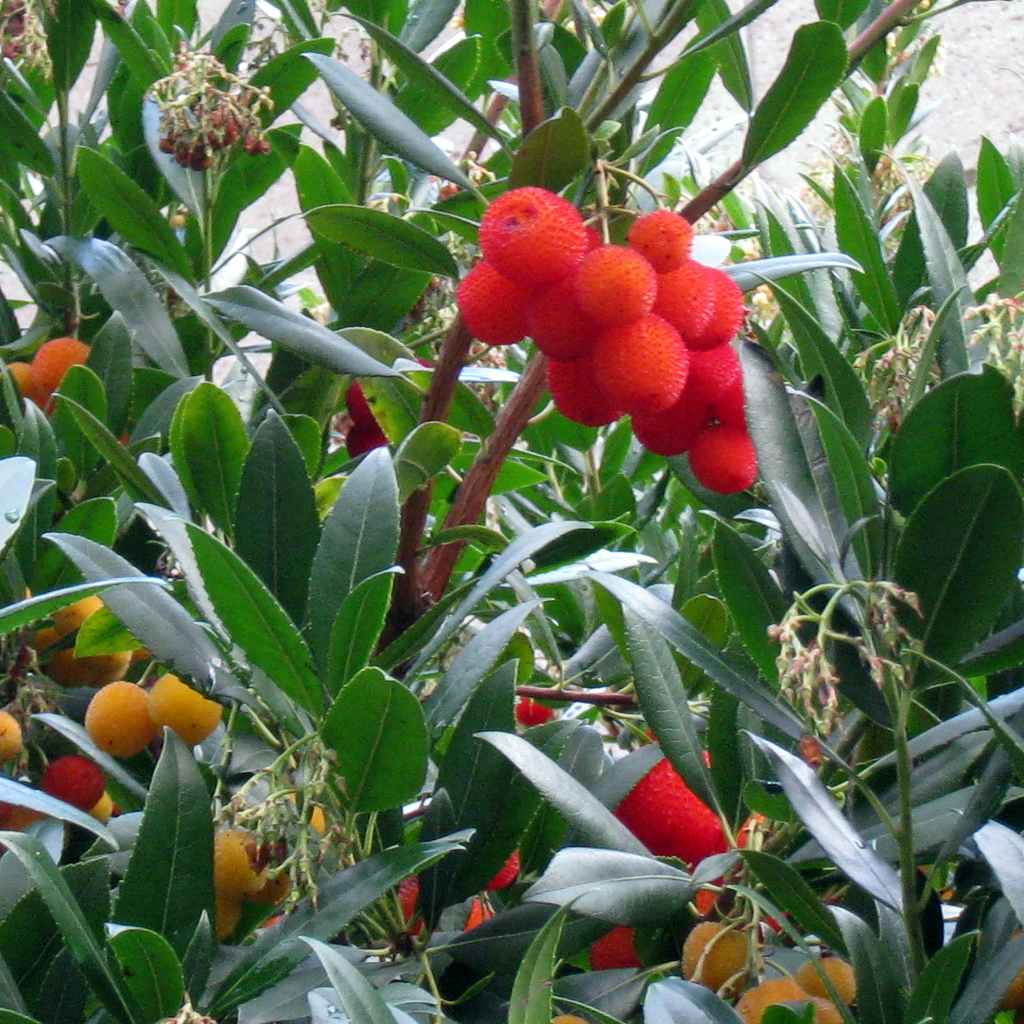
Strawberry tree keeps red berries all winter long
The unavoidable cotoneaster falls into this category since its red berries overtake its leafage all winter long, just like fire thorn, also called Pyracantha.
Finally, the strawberry tree, equally handsome in a hedge or standing alone, offers nice red berries all winter long. It’s also known as Arbutus unedo. Berries aren’t very nice raw, but excellent in jam.
Now that proof has been laid, you can also agree that berry shrubs boast virtues that only few of their peers share!
They decorate, bring joy, and foster loyalty among your garden folk.
These are great planting ideas to give your garden space a shine from fall till the beginning of spring.
Written by Gaspard Lorthiois | Loves helping out, especially when it comes to growing things. Worked in herbal medicine, runs a farm, and dabbles in tech. Master's degree and engineer.