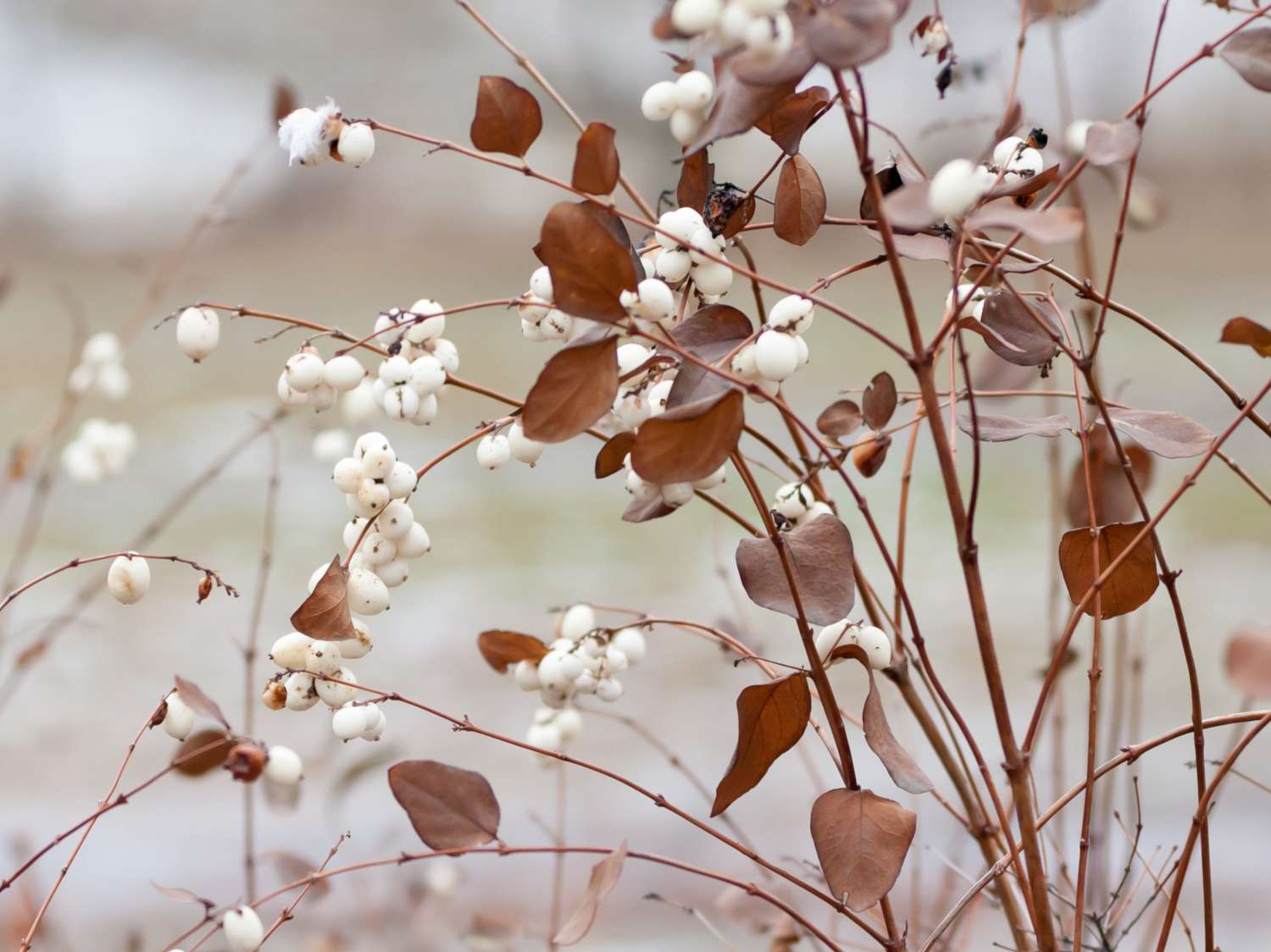
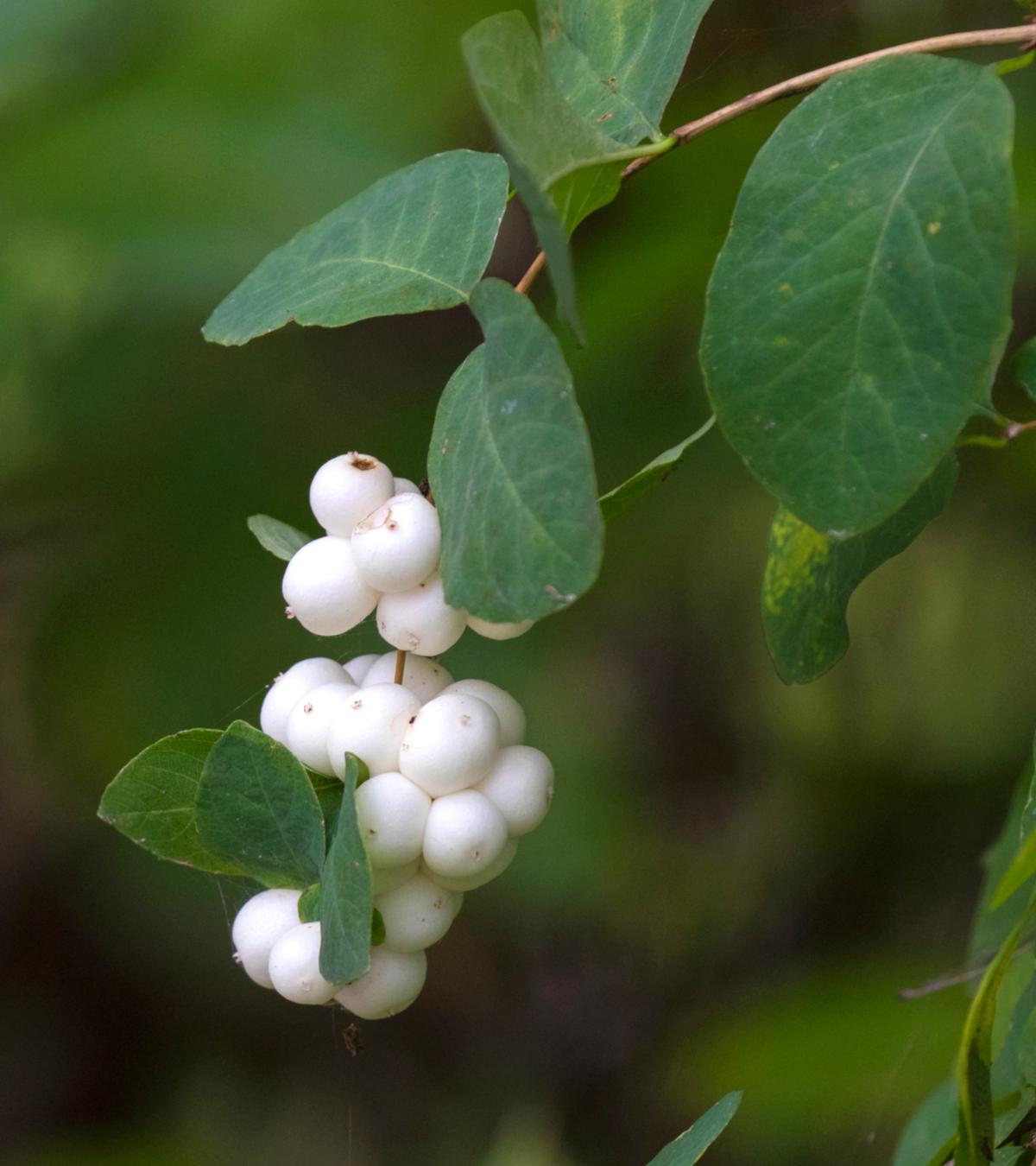
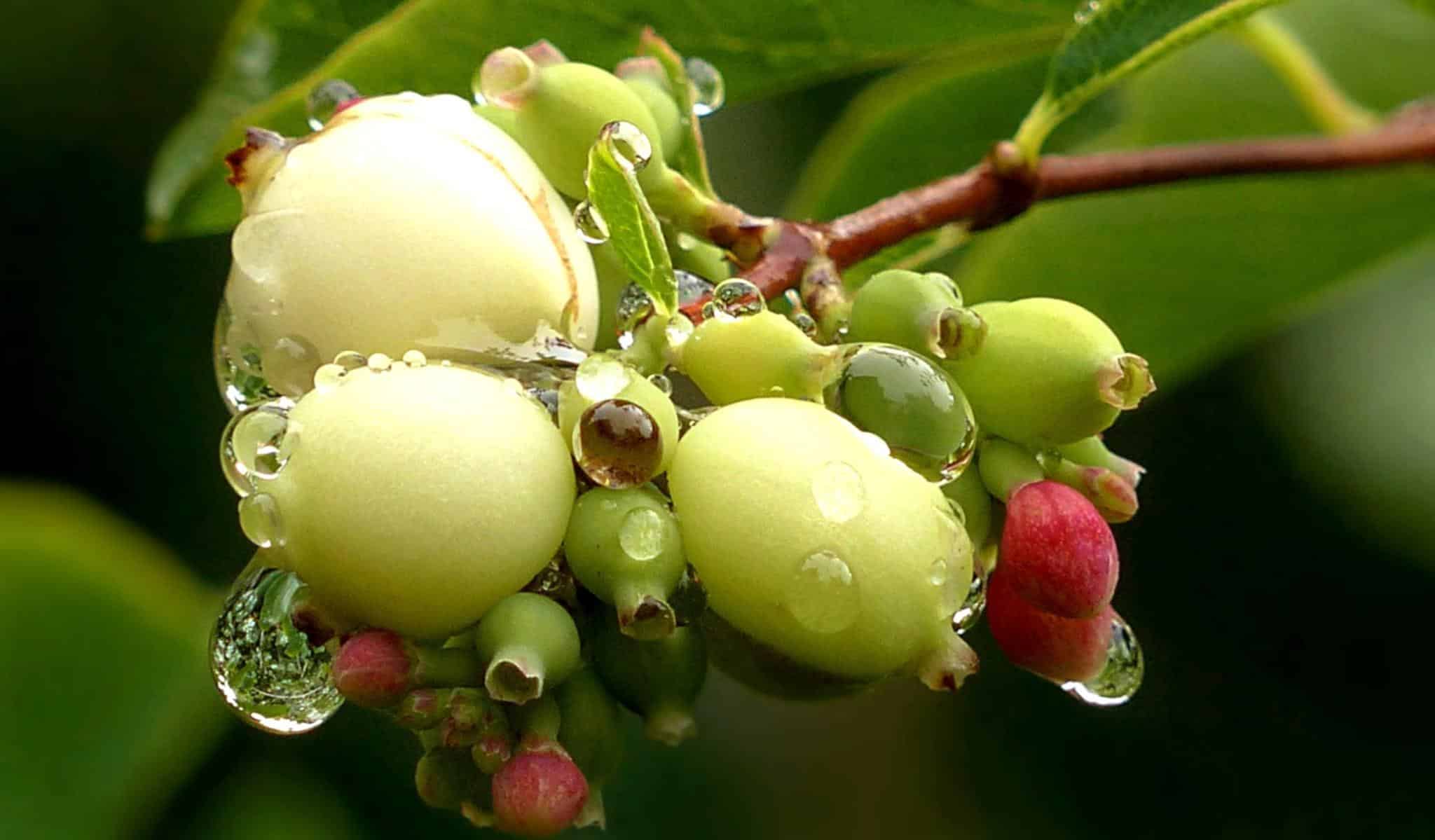
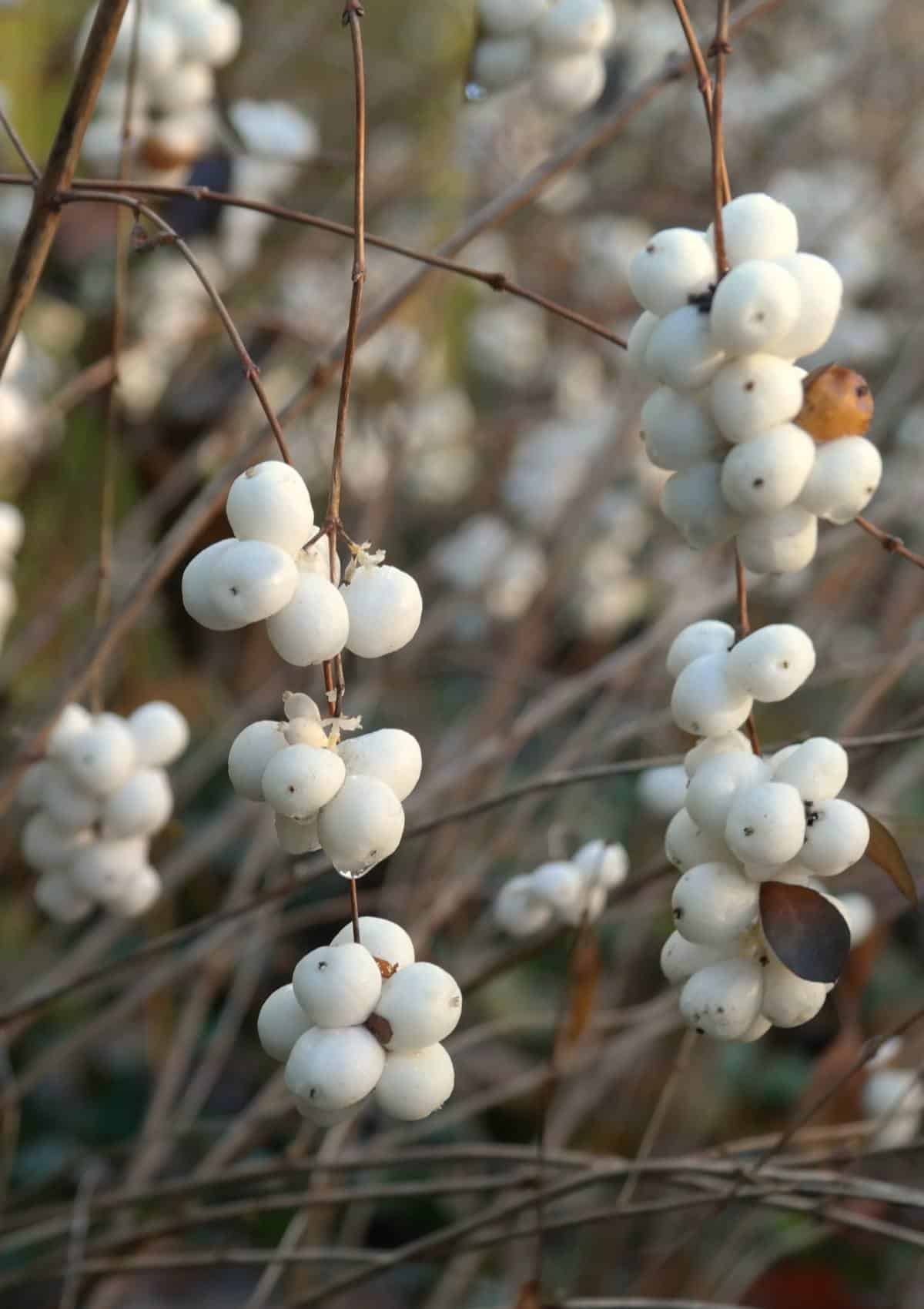
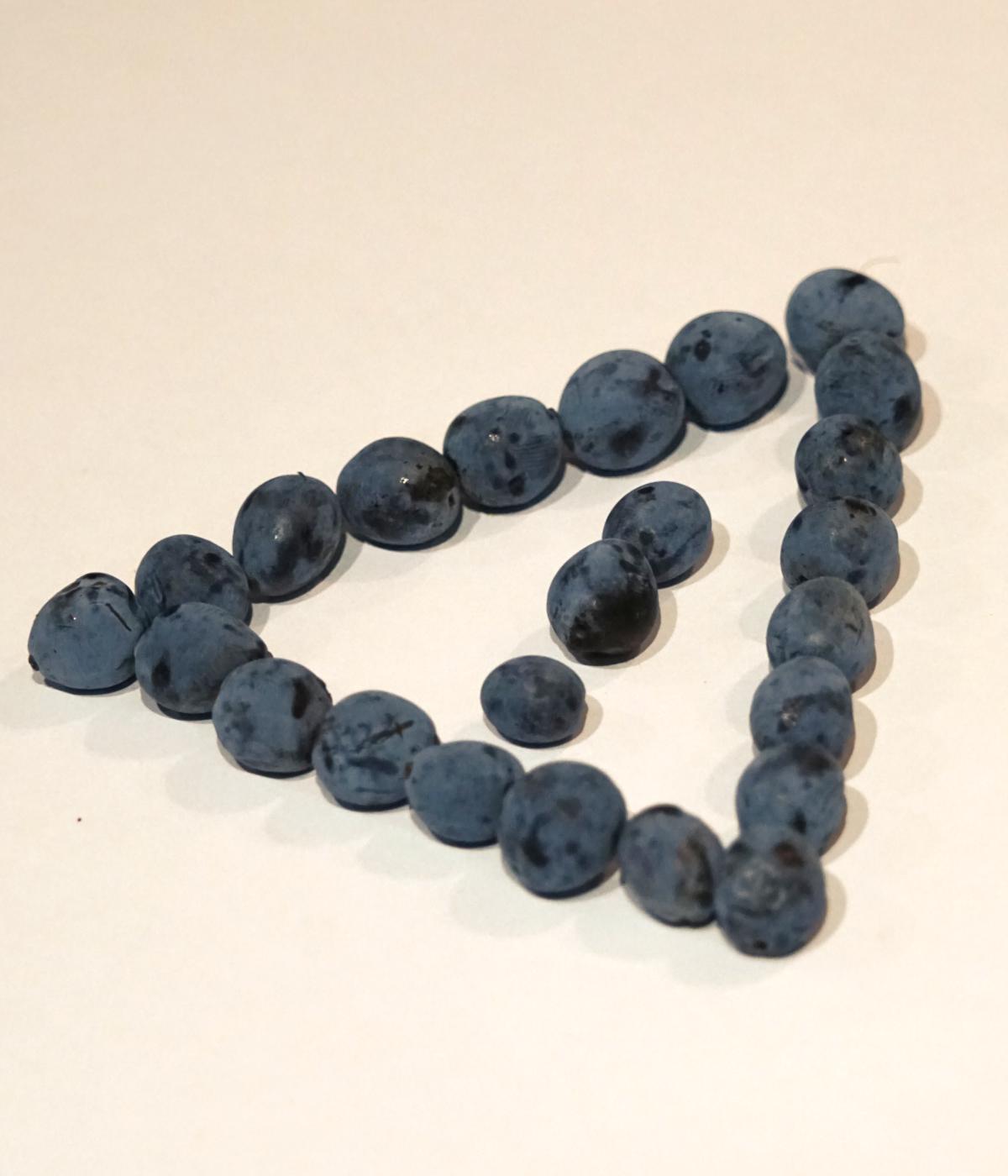
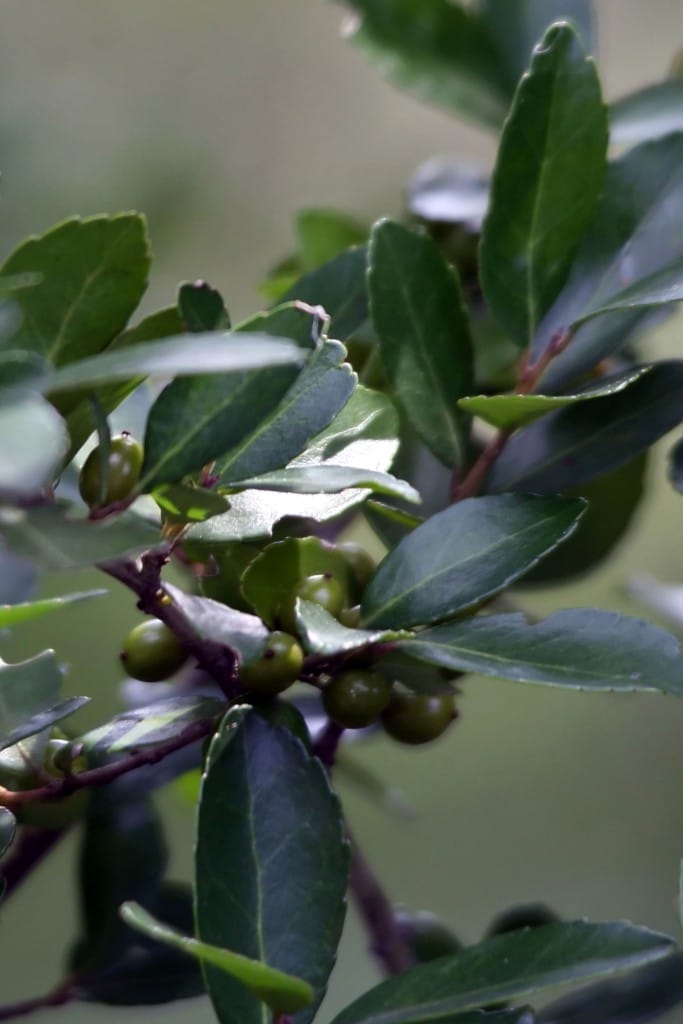
Clusters of pearl-white or pink berries hang on through winter, long after the modest but abundant, bee-friendly flowers have faded. Snowberry (Symphoricarpos) earns its keep in mixed hedges and bird borders; give it sun or light shade in ordinary soil and it fruits freely, though the berries themselves are poisonous.
Snowberry at a glance
Name
Symphoricarpos
Family
Caprifoliaceae (honeysuckle family)
Type
shrub
Height
6 ½ feet (2 meters)
Exposure
full sun, part sun
Soil
ordinary
Foliage
deciduous
Flowering
early summer to mid-autumn
Particularly well suited to being grown as a hedge or a standalone, it will also attract birds in your garden.
Planting snowberry
Choose a sunny spot or light shade
Indifferently, spring or fall but avoid freezing or sweltering hot weather to plant.
Favor rather sun-endowed spots, or with light shade, since snowberry is naturally found in forest underbrush.
Also called the Pearl tree, this shrub is often noted for its white or pink berries that appear at the end of summer. They can hang on to the tree all winter long.
Even though its blooming isn’t really spectacular, it has the advantage of being abundant and particularly melliferous.
In shrub beds, potted or as as a standalone, it will fit right into you garden.
Snowberry also appreciates growing alongside riverbeds, where it evolves into natural side hedges.
The white berries are poisonous because they contain alkaloid compounds which induce vomiting, particularly for children. However, you can still use them… to make plant soap!
Remarkable snowberry varieties
Symphoricarpos albus – Vigorous, it bears cute cream-white colored berries in winter.
Symphoricarpos chenaultii – Its fruits are pinkish and its bearing spreads out, almost like ground cover.
Symphoricarpos orbicalitus – Bears distinctive stark red fruits.
Which snowberry to choose
The three snowberries grown in gardens differ mainly in the colour of their berries and in the way they occupy the ground. Pick the one that matches the effect and the space you have.
Which snowberry to choose
Species
Berry colour
Habit and vigour
Symphoricarpos albus
Cream-white, carried in winter
Vigorous
Symphoricarpos chenaultii
Pinkish
Spreading bearing, almost like ground cover
Symphoricarpos orbicalitus
Stark red
Grown above all for its distinctive fruit
Whichever you choose, the berries are poisonous and must not be eaten.
For a bank, a slope or a low edging, choose the ‘Hancock’ cultivar of Symphoricarpos × chenaultii, which stays low and spreading, since the hybrid itself can reach about a metre tall.
Plant Symphoricarpos albus for informal screening: it grows roughly one to two metres tall and suckers freely into dense thickets, though being deciduous it screens effectively only during the growing season.
Symphoricarpos orbiculatus carries small berries packed all along the stems, so it reads as a band of colour rather than as separate fruits.
Smart tip about snowberry
Don’t swallow the berries because they’re poisonous and thus aren’t edible.
Cut a leggy, congested snowberry right back near the base and it will resprout from the stump.
Powdery mildew, seen as white powdery patches on leaves, and anthracnose, which blotches and rots the berries, are two common snowberry problems, so thin crowded stems to improve airflow.
Snowberry tolerates chalky ground, roadside dust and the dry shade beneath established trees, and it spreads by suckering, so it can thicken into dense cover in places where many shrubs struggle.
Leave the fruiting stems uncut: snowberry’s white fruits persist well into winter, and although accounts differ on how readily birds take them, they remain available when other berries have been stripped.
Images: 123RF: Max Altamor, CC BY-NC 4.0: John D. Reynolds; Pixabay: Hans Braxmeier, Christiane Hölting
🌿 Nature & Garden Newsletter
Gardening tips, recipes & seasonal advice, twice a week.