A shrub pruned at the right moment comes back stronger: dead or frozen branches removed, the centre cleared to let in light, the shape balanced. Good pruning serves both growth and blooming, and timing decides success — spring-flowering shrubs wait until the flowers wilt, then grow back with even more vigour.
Far from being a difficult task, it can even become a true pleasure for you once you master the few important and simple tricks to master this practice.
Pruning truly serves as a rejuvenating fountain of youth for plants. It is always beneficial and helps them grow back more beautiful than ever.
There are 2 major shrubs categories: evergreen and deciduous.
When should shrubs be pruned?
Depending on the type of shrub, there are 3 moments when pruning and trimming can take place:
At the end of winter
At the beginning of summer
In fall
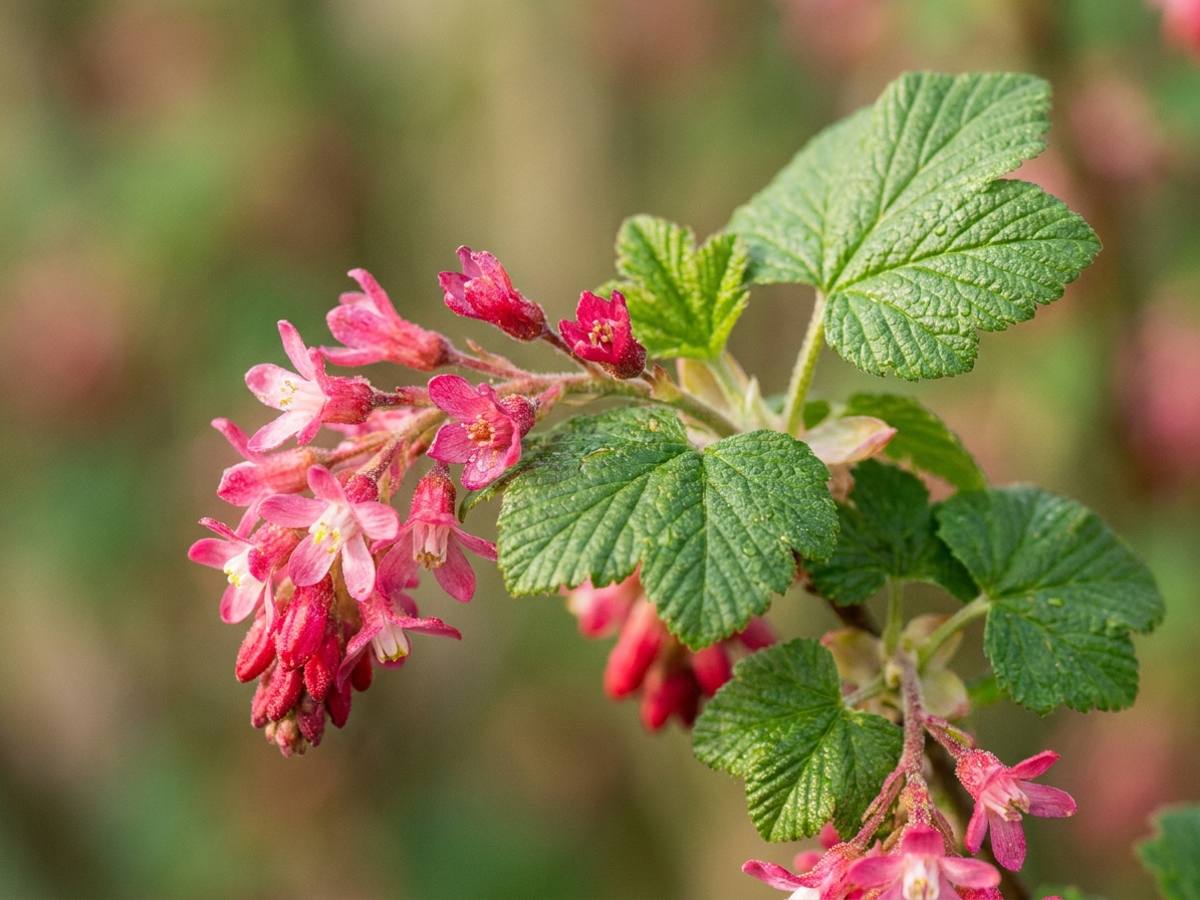
Shrubs that bloom in spring aren’t pruned at the end of winter but at the end of the blooming season. This is most often at the beginning of summer.
Before trimming an established hedge in the early summer window, check the inside for active birds’ nests, which are protected by law in the UK.
Pruning shrubs with deciduous leafage
(those that lose their leaves)
Summer-flowering shrubs
First start with a light pruning at the end of winter.
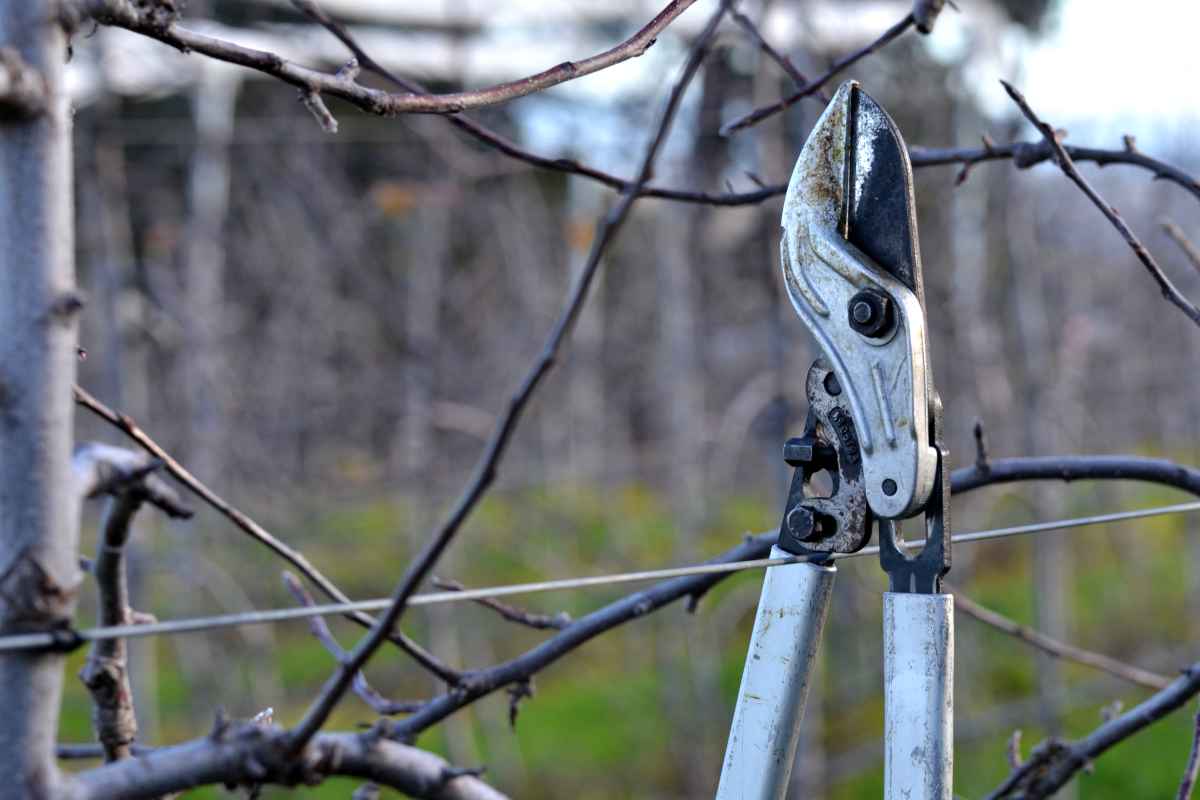
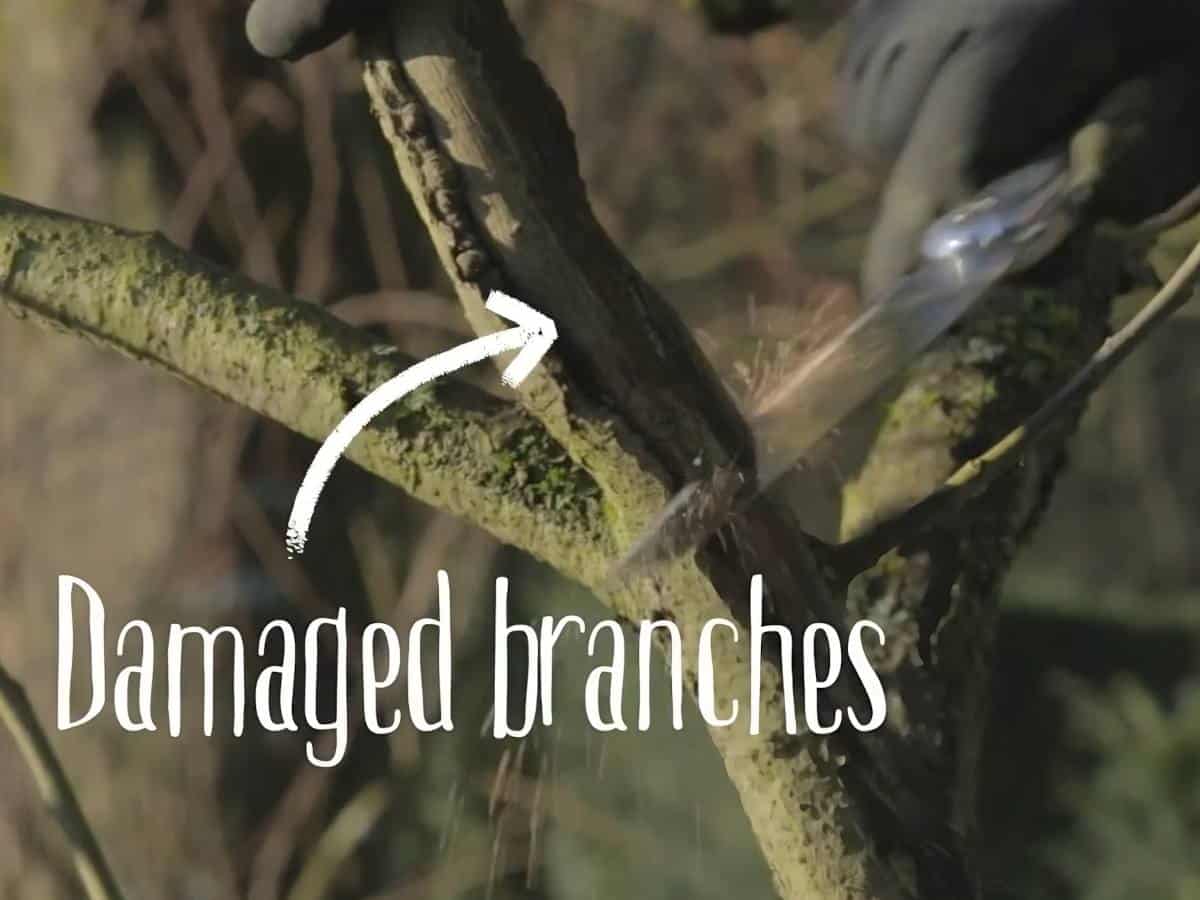
Remove dead branches or those branches that may have frozen over winter. After the blooming, balance the general shape of the shrub and clear its center somewhat to give it as much light as you can.
For all shrubs except for those that bloom in winter In fall, prune lightly, more for aesthetic purposes than anything else.
A spring-flowering deciduous shrub carries its flower buds on wood made the previous year, so cutting it back at the end of winter simply throws the bloom away.
Shrubs that flower on the current season’s growth, such as Buddleja, Caryopteris and Hydrangea paniculata, are cut back in late winter to force the new stems that will carry their late-summer flowers.
Cut out branches that cross and rub against one another.
On an old deciduous shrub that has gone bare and woody at the base, take a few of the thickest stems right down to ground level so young shoots can replace them.
Pruning shrubs with evergreen leafage
(those that keep their leaves)
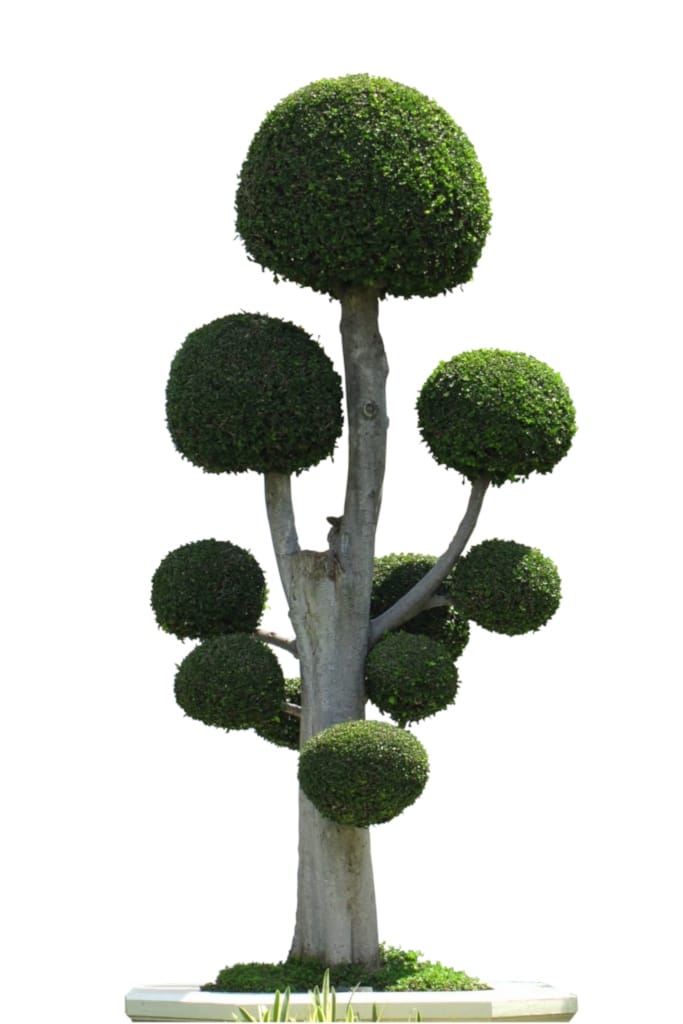
At the end of winter, during the month of March, we focus on giving the shrub its desired shape.
This step is all the more relevant that the shrub is part of a hedge. This first pruning is the one that can be the most severe.
At the beginning of summer, it bodes well to refresh your specimen in that you balance the shape of the shrub, eventually removing branches that are too long or would seem ungainly.
In fall, work on the silhouette lightly, but do not prune the larger branches.
Severe pruning in fall could weaken the shrub and make it more vulnerable to frost.
Pruning shrubs is an easy practice to master.
Your plant will grow back with even more vigor, and since each specimen is unique, your experience will build up into true mastery.
Pruning calendar: which shrub, which season
The right moment depends entirely on the type of shrub and on when it flowers. This table gathers the three pruning windows described above so you can find your shrub at a glance.
Pruning calendar: which shrub, which season
Type of shrub
End of winter
Beginning of summer
Fall
Spring-flowering deciduous shrubs
Do not prune
Prune as the blooming ends and flowers wilt
Light prune for looks only
Summer-flowering deciduous shrubs
Light prune; remove dead or frost-damaged branches
After blooming, balance the shape and clear the centre for light
Light prune for looks only
Evergreen shrubs, especially in hedges
Main shaping prune in March; the most severe cut of the year
Refresh and balance; remove overlong or ungainly branches
Work the silhouette lightly, leave the larger branches
Winter-flowering shrubs
Not pruned at this point
Not pruned at this point
Left out of the autumn tidy-up
Whatever the season, severe cuts late in the year are best avoided, as they leave the shrub more exposed to frost.
Sharp, clean blades matter: a crushed stem invites decay.
Cut just above an outward-facing bud so the new shoot grows away from the congested centre of the shrub.
Wipe your secateurs with alcohol between shrubs: only some pathogens, such as fireblight, certain viruses and canker fungi, travel on contaminated blades, but disinfecting is a cheap precaution against those that do.
Before shaping a hedge or a dense evergreen, part the branches and check for nesting birds, since disturbing an active nest is an offence in many countries.
Martyn Sloman wrote on 22 March 2022 at 14 h 08 min
I have an old guilder rose which I feel is beyond pruning. It has heavy branches etc. and no longer looks attractive.
I would like to cut it back to about 1 to 2 feet above ground level. Is it likely to recover from this drastic action?
Gaspard wrote on 2 April 2022 at 2 h 02 min
Hi Martyn, when you cut it back all at once, there’s a high risk of killing it. Best is to do it over two or three years. Here is a guide on cutting back guelder rose.
Danny ROGERS wrote on 15 December 2019 at 6 h 07 min
Can you prune snow balls trees after Christmas or on the first of January?
Gaspard wrote on 15 December 2019 at 6 h 08 min
Hi Danny, it depends on the particular species. A general guideline is not to prune during freezing weather. So if the weather forecast shows freezing within the coming week, best not prune.
After that, depending on the type of snowball tree:
– some varieties flower in spring or summer. If you prune these in Winter (supposing you’re in the Northern hemisphere), you’ll be cutting most of the dormant flower buds off. It’s better to let the shrub bloom in Spring. When the flowers start dropping, prune. This is the case for such snowball trees as guelder-rose and Japanese snowball.
– other varieties are winter-blooming snowball trees. These can be pruned in winter, but again best is to wait after the blooming (just so you can savor the flowers). For example, the Lisarose blooms in fall so if the flowers have faded away, you can go ahead and prune without compromising next year’s blooming. Other snowball bushes that bloom in fall or winter include Laurestine.
So to sum it up, if it isn’t freezing in your area, you can go ahead and prune your snowball tree between Christmas and New Year’s, but depending on they variety, you might not have any blooming in the following year.
In the off chance that you actually meant the bush that bears small white berries in snow-ball-like white clusters, simply read this article on snowberry. It shares that pruning is best done at the beginning of spring.
🌿 Nature & Garden Newsletter
Gardening tips, recipes & seasonal advice, twice a week.

I have an old guilder rose which I feel is beyond pruning. It has heavy branches etc. and no longer looks attractive.
I would like to cut it back to about 1 to 2 feet above ground level. Is it likely to recover from this drastic action?
Hi Martyn, when you cut it back all at once, there’s a high risk of killing it. Best is to do it over two or three years. Here is a guide on cutting back guelder rose.
Can you prune snow balls trees after Christmas or on the first of January?
Hi Danny, it depends on the particular species. A general guideline is not to prune during freezing weather. So if the weather forecast shows freezing within the coming week, best not prune.
After that, depending on the type of snowball tree:
– some varieties flower in spring or summer. If you prune these in Winter (supposing you’re in the Northern hemisphere), you’ll be cutting most of the dormant flower buds off. It’s better to let the shrub bloom in Spring. When the flowers start dropping, prune. This is the case for such snowball trees as guelder-rose and Japanese snowball.
– other varieties are winter-blooming snowball trees. These can be pruned in winter, but again best is to wait after the blooming (just so you can savor the flowers). For example, the Lisarose blooms in fall so if the flowers have faded away, you can go ahead and prune without compromising next year’s blooming. Other snowball bushes that bloom in fall or winter include Laurestine.
So to sum it up, if it isn’t freezing in your area, you can go ahead and prune your snowball tree between Christmas and New Year’s, but depending on they variety, you might not have any blooming in the following year.
In the off chance that you actually meant the bush that bears small white berries in snow-ball-like white clusters, simply read this article on snowberry. It shares that pruning is best done at the beginning of spring.