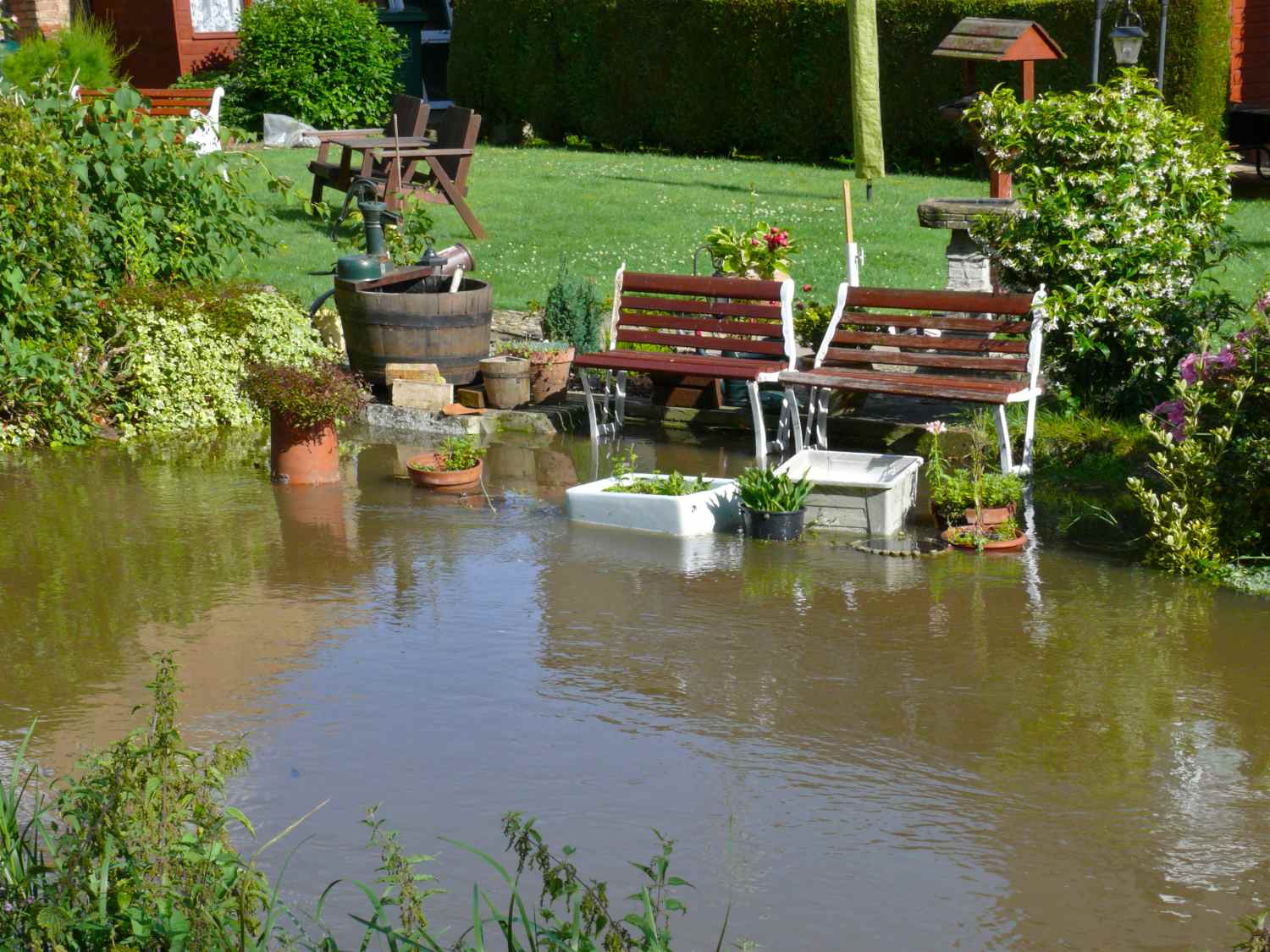
Perpetually wet soil is, initially, not very suitable for gardening. However, many plants enjoy growing in cool, even wet soil, to the point that they still cope when it’s temporarily flooded. Adopt plants for wet soil and create a lush garden!
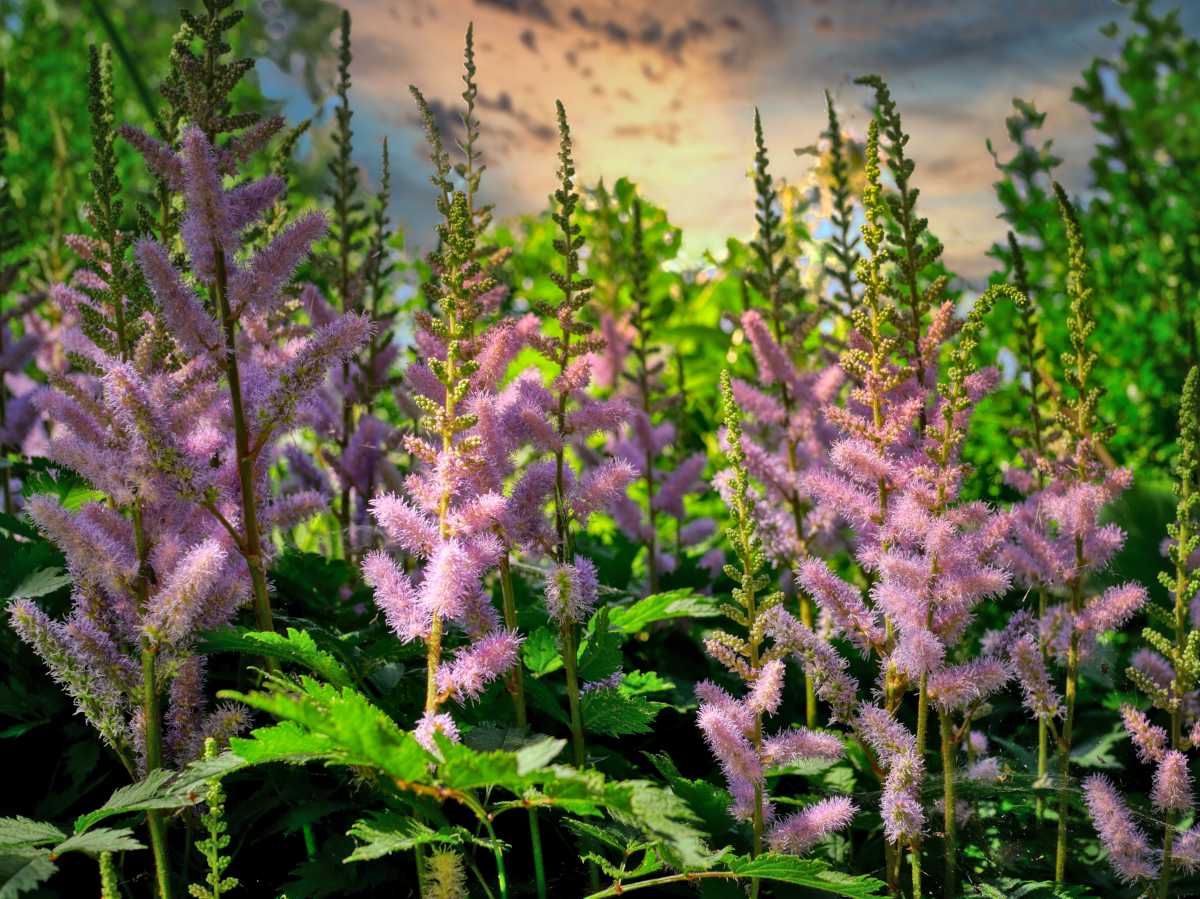
A very hardy, rhizome-based, perennial plant, astilbe grows in dense clumps in wet areas.
It is also a plant well adapted to shade areas.
Its red, pink or white plumed flowers bring color even to dark, no-light garden beds.
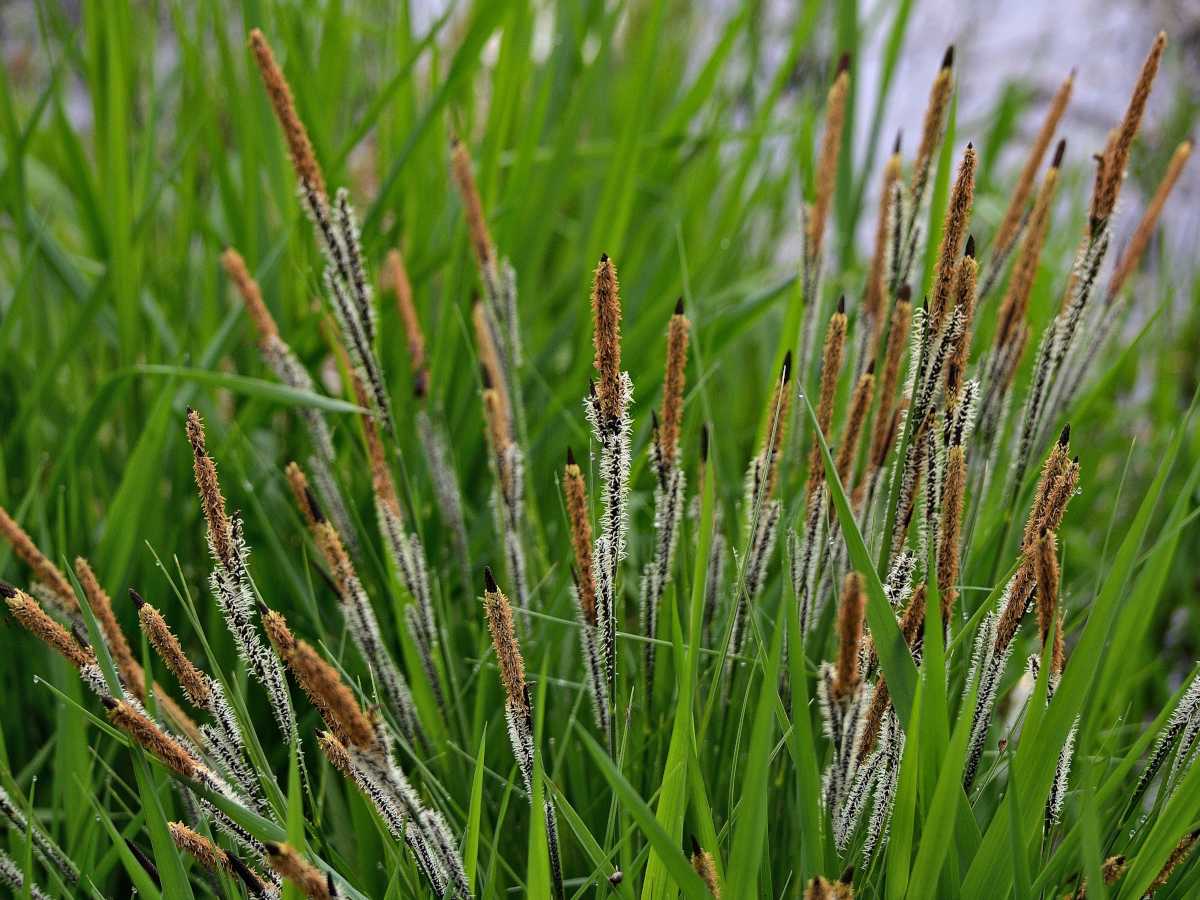
Carex, or sedge, is a very hardy grass that is easy to maintain. Also growing from rhizomes, this perennial actually originated in marshy areas and wet environments in forest undergrowth and along riverbanks.
The many species are much appreciated for their clusters of elegant flower and seed stems, and very colored leaves (green, yellow, blue, variegated…).
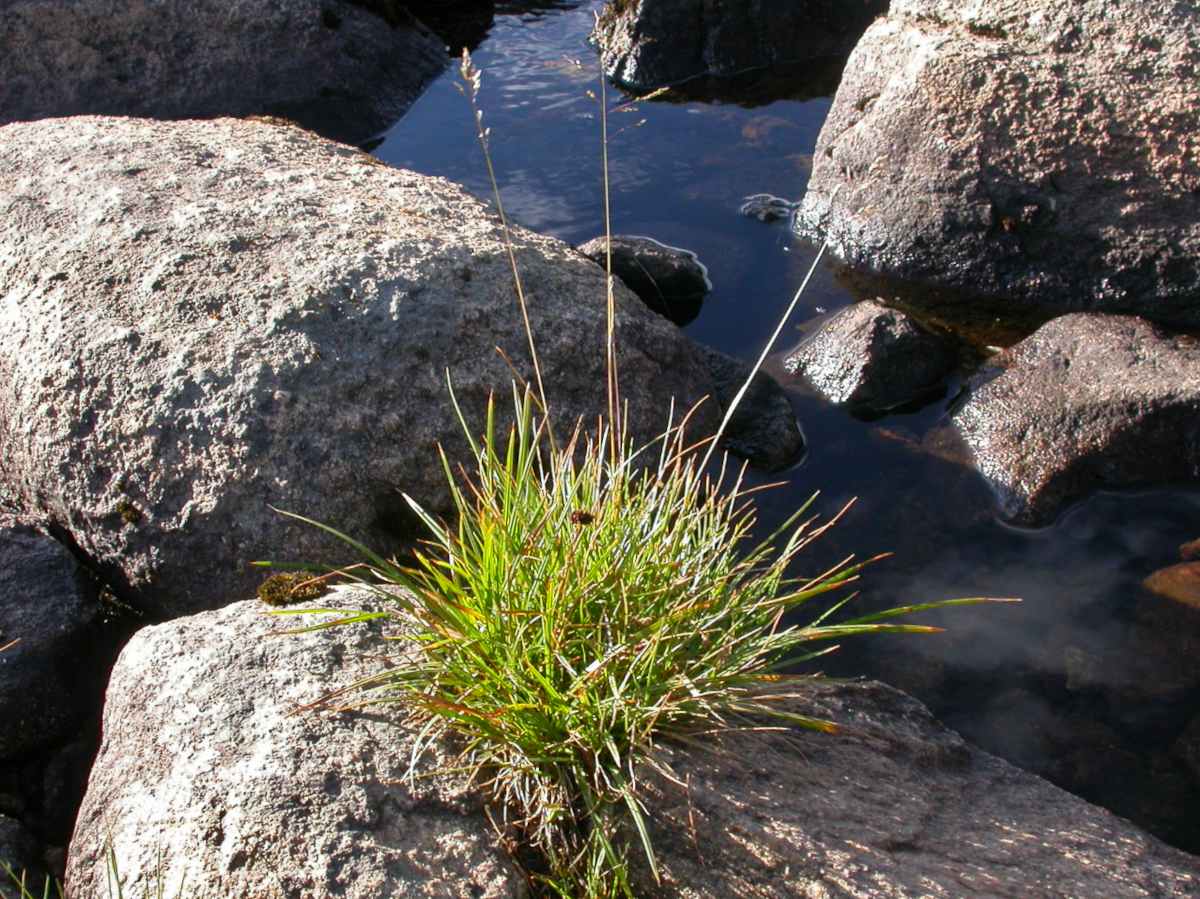
Deschampsia cespitosa is a cold-resistant grass, and it’s disease-resistant, too. Tufted hairgrass is well suited to heavy, clayish and marshy soil. Considered one of the most beautiful grasses, it is cultivated for its compact clumps with fine and dark green foliage.
Note: be careful not to confuse it with Deschampsia flexuosa which needs lighter, sandy, well-draining soil.
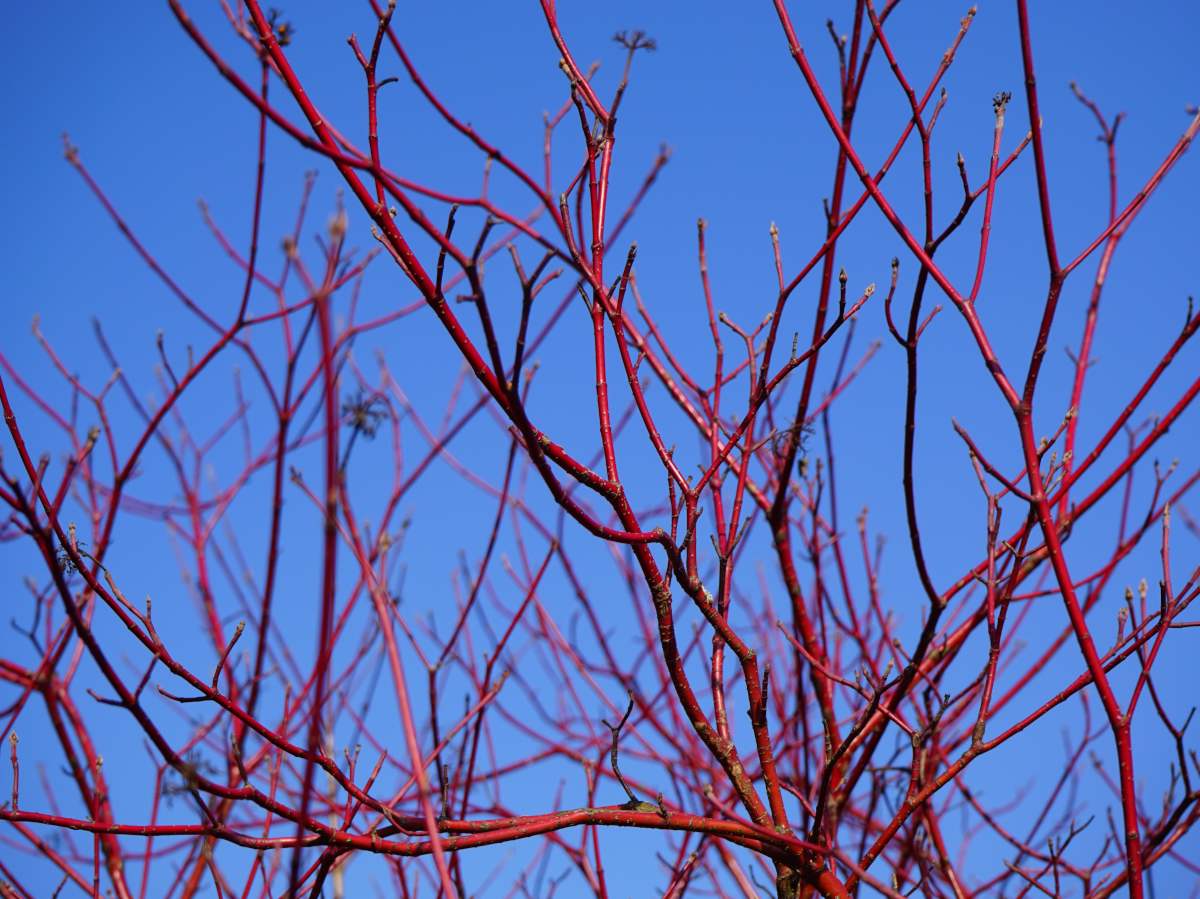
Cornus alba ‘Sibirica’, the red-bark dogwood, is a plant especially suited to wet soils.
It is a favorite selection, many love its beautiful winter colors.
During this period, lack of foliage reveals very red wood stems that shine like a thousand lights in the winter garden.
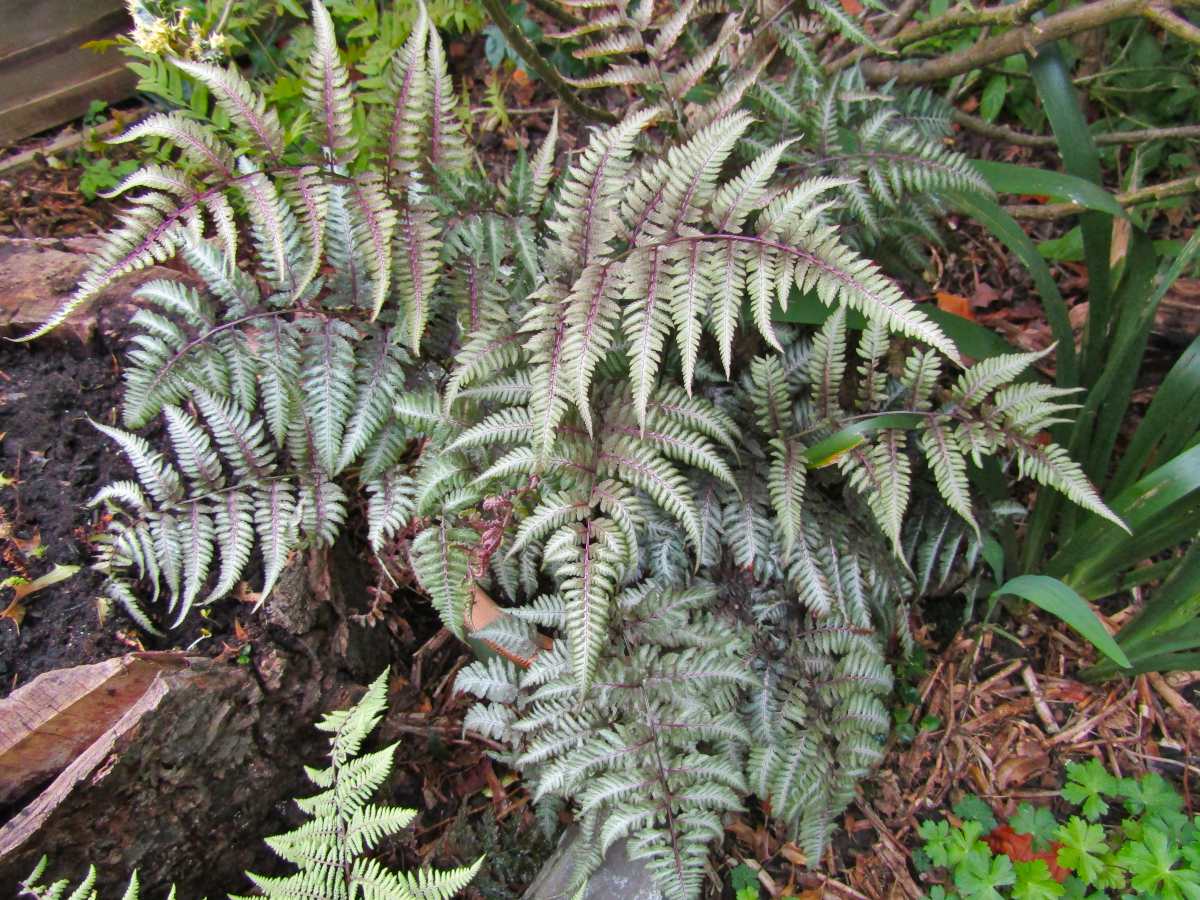
Athyrium niponicum is an elegant deciduous fern from the forests of Japan that appreciates wet soils and benefits from good cold resistance.
In these conditions, it develops a remarkable green and red foliage.
Plant of fresh to wet soils rich in humus, Chelone obliqua is an easy-to-grow perennial that adds a bit of height to a flower bed.
Turtlehead is appealing thanks to its rustic and semi-wild appearance and also for the beauty of its pink or white spike flowers.
Giant gunnera are perennial and exotic plants with trailing rhizomes that enjoy continuously fresh to wet soils. They are perfect near water points and basins. We appreciate them for their large and beautiful tropical leaves.
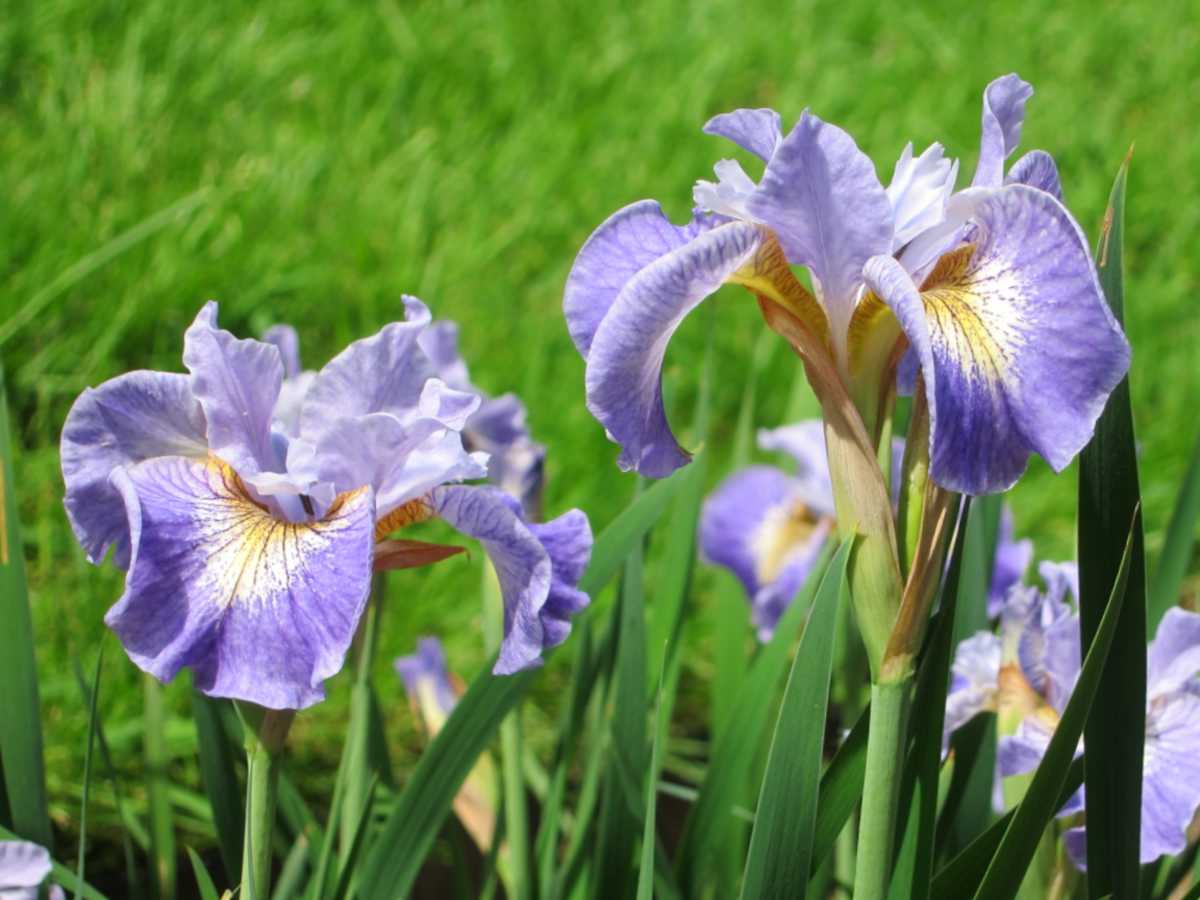
Iris sibirica is a splendid herbaceous perennial plant, surprisingly cold-resistant, and that we reserve for the wet areas of gardens.
Native to the marshy meadows of Russia and Europe (Central and East), the Siberian iris offers a graceful blue, violet, pink or white flowering, and even sometimes bicolor.
The ligularia family includes large herbaceous perennials that thrive in deep, rich, fresh, and even wet soils.
They’re much appreciated for their generous lush foliage and beautiful very bright yellow summer flowering.
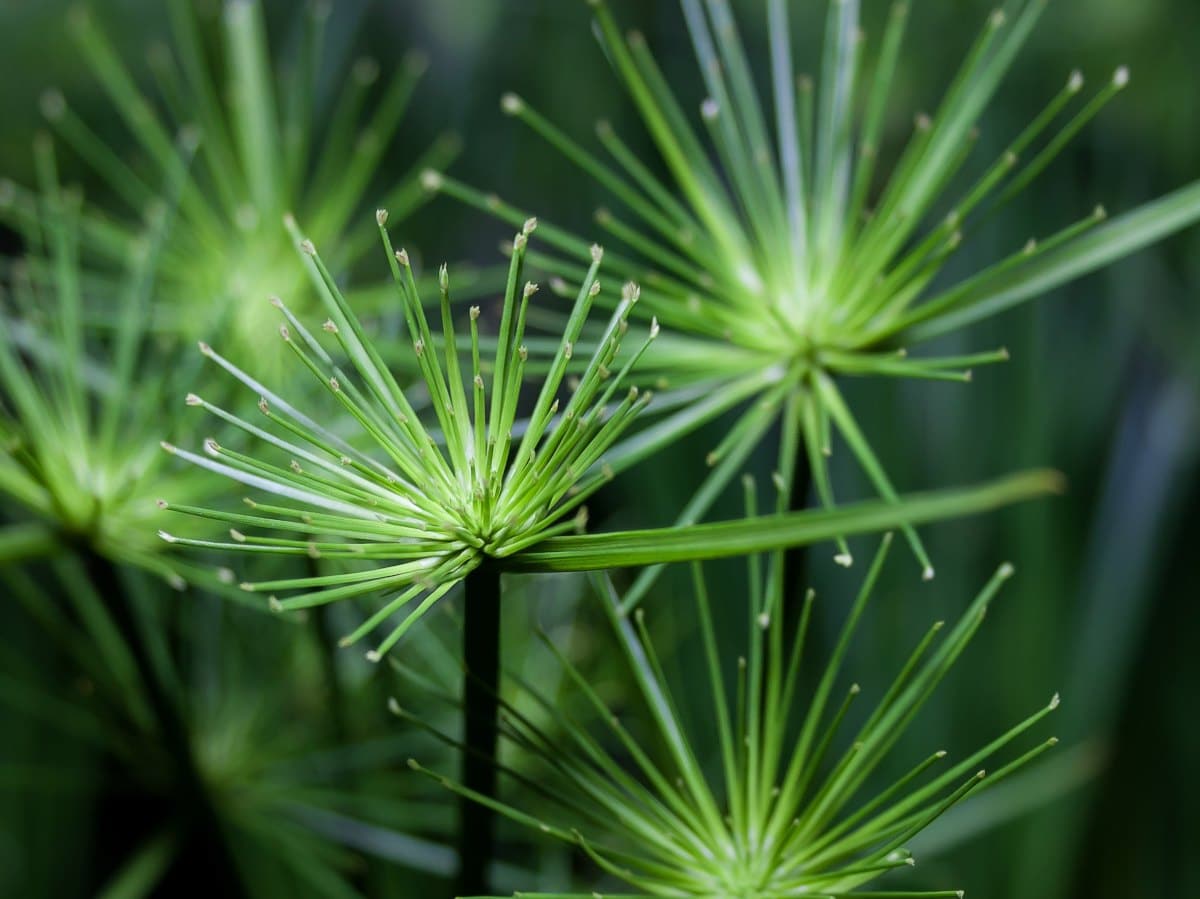
Cyperus papyrus is a semi-aquatic plant that grows well in very wet soil, even if it’s constantly waterlogged.
Easy to maintain (though sensitive to cold), the papyrus needs to continually have its feet in the water.
It is grown for its graphic aspect and very original exotic beauty.
The ten plants described above cope with damp ground in quite different ways: some want permanently soggy soil, others merely cool, rich ground that floods now and then. Use the table to match a plant to how wet your spot really stays.
| Plant | Type | How wet it likes it | What it brings |
|---|---|---|---|
| Astilbe | Hardy rhizomatous perennial | Wet areas, including shade | Red, pink or white plumes that lift dark beds |
| Carex (sedge) | Hardy perennial grass | Marshy ground, riverbanks, damp woodland | Elegant flower and seed stems, strongly coloured leaves |
| Tufted hairgrass (Deschampsia cespitosa) | Cold- and disease-resistant grass | Heavy, clayish and marshy soil | Compact clumps of fine dark green foliage |
| Red-twig dogwood (Cornus alba ‘Sibirica’) | Shrub | Wet soils | Bare scarlet stems that light up the winter garden |
| Japanese fern (Athyrium niponicum) | Deciduous fern | Wet soils, good cold resistance | Remarkable green and red foliage |
| Turtlehead (Chelone obliqua) | Easy perennial | Fresh to wet soils rich in humus | Height in the bed, pink or white spike flowers |
| Gunnera | Giant exotic perennial | Continuously fresh to wet soils, beside water | Large tropical leaves |
| Siberian iris (Iris sibirica) | Herbaceous perennial | Wet areas of the garden, very cold-hardy | Graceful blue, violet, pink, white or bicolour flowers |
| Ligularia | Large herbaceous perennial | Deep, rich, fresh and even wet soils | Lush foliage and very bright yellow flowers |
| Papyrus (Cyperus papyrus) | Semi-aquatic, sensitive to cold | Constantly waterlogged, feet in the water | Graphic, very original exotic outline |
The wetter the hollow, the further down this list you should look.
Water mint and petasites spread fast by runners, so give them a corner where a takeover does not matter, or sink a barrier when planting.
Rhododendron, magnolia and hydrangea want soil that stays damp yet never stands in water, so plant them on the raised margins of a boggy spot rather than in the hollow itself.