Smooth-skinned and shaped like an ox heart, the fruits of Cuor di Bue (Solanum lycopersicum) swell to 700 g of dense, almost seedless flesh, sweet enough to carry a summer salad on its own. This heirloom comes true from seed year after year, provided it gets full sun and rich, light, moist soil.
| Species | Solanum lycopersicum |
|---|---|
| Commonly | Beefsteak, Cuor di Bue |
| Family | Solanaceae (nightshade) |
| Type | fruit vegetable |
| Height | 6 feet (1.50 m) |
| Planting distance | 32 inches (80 cm) |
| Exposure | full sun |
| Soil | rich, light, cool |
| Planting | spring (after last frost) |
| Harvest | summer, fall |
This variety recently made a comeback on our market stalls. Producing smooth-skinned, giant fruits (up to 25 ounces or 700 g), this tomato has a true heart-like shape. It has a very dense flesh speaking for it, with very few seeds. Supremely flavorful, soft and sweet, the Cuor di Bue tomato also has lots of vitamin C, trace elements and minerals.
From seed tray to sliced tomato, this variety moves through four clear stages. Here is when each one happens and what it involves.
| Stage | When | Where and how |
|---|---|---|
| Sowing | late winter to early spring | Nursery pots of sieved seedling mix, kept at 68–77°F (20-25°C) in a bright spot |
| Moving to the cold frame | when seedlings have 5 leaves | Cold frame, opened on mild days so the leaves toughen up |
| Planting out | late spring, once frost risk has passed | Deep, humus-rich soil, staked first, 32 inches (80 cm) apart on all sides |
| Harvest | midsummer to mid-autumn | Pick only truly ripe fruit, ideally just before eating |
Water weekly at the base throughout, keeping the leaves dry.

The original beefsteak tomato is sown in nursery pots between February and March.
Use a substrate prepared with sieved seedling soil mix, and settle your seedlings down in a luminous spot (near a window) that’s warm (between 68 and 77°F or 20-25°C).
Bury the tomato seeds about half an inch deep (1 cm) and cover with soil mix. Water everything with a hand sprayer so that you don’t get the substrate all soggy.
→ Dig deeper: Sowing tomato, get it done right
At that warmth the seeds usually sprout within a week to ten days, so keep the surface barely moist until the first shoots break through.
Sow two seeds per pot and pinch out the weaker seedling.
Prick each seedling on into its own pot once the first pair of true leaves has opened, burying the stem up to the seed leaves so it roots along its length.
Because Cuor di Bue comes true from seed, scoop the few seeds from a fully ripe fruit, rinse off the jelly and dry them on paper for your own future sowings.

Cuor di Bue seedlings are transplanted to a cold frame when they get 5 leaves. The young seedlings are then transferred to the garden around mid-May, when any risk of freezing has passed.
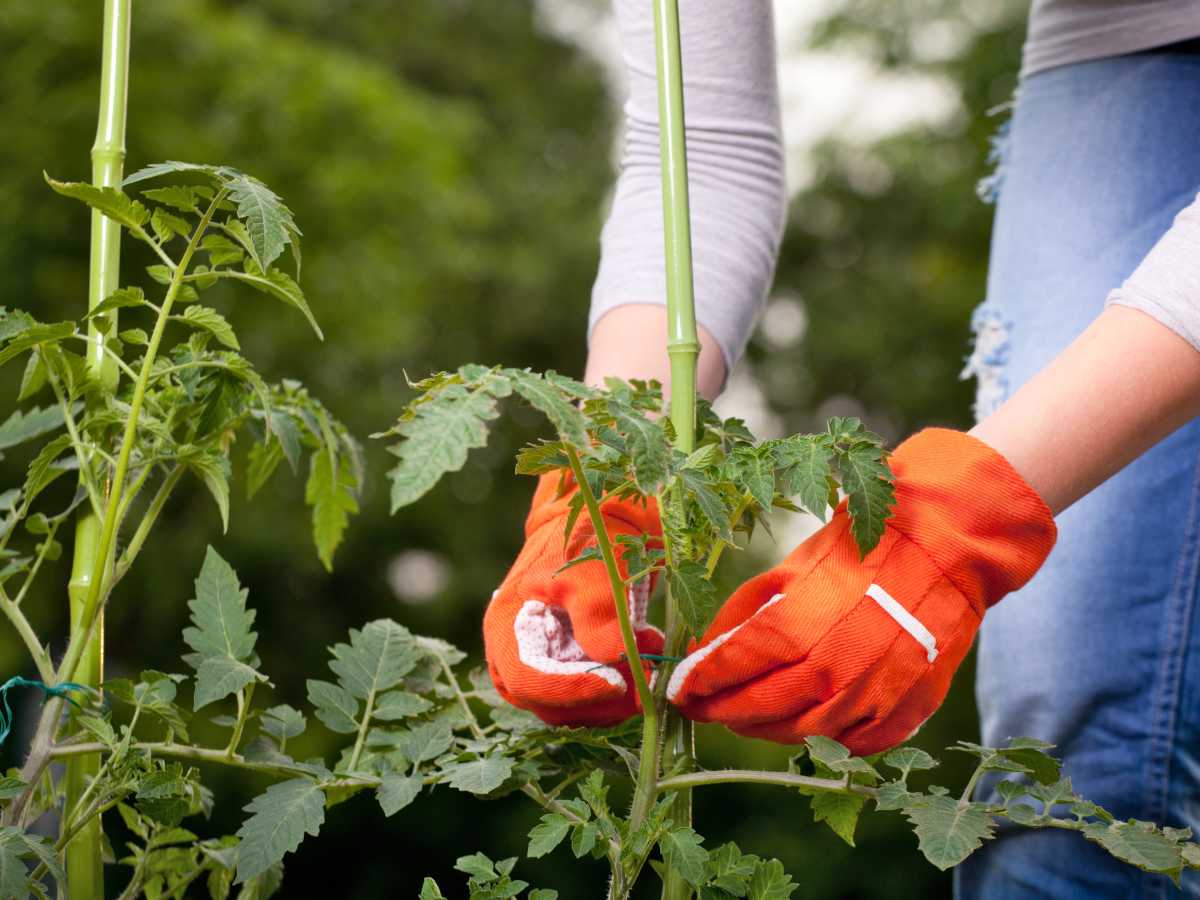
Stake it before you plant it.. Settle your plants in deep, humus-rich soil that’s loose and healthy, with a spacing of Space plants 32 inches (80 cm) apart, on all sides..
Once a week, water the base of your Beefsteak tomatoes abundantly.
Set each seedling deep, burying the stem up to the lowest leaves, as Cuor di Bue readily forms extra roots along the buried section.
Open the cold frame on mild days so the leaves toughen up before the move outdoors.
Water each plant generously right after planting to settle soil around the roots.
The Cuor di Bue reaches to around 5 feet tall when mature, and about 20 inches across. To keep them in place, it’s best to stake or train them.

Not a hardy variety, this true beefsteak tomato grows as an annual in most western countries, in full sun and in soil that’s moist, light, and contains a lot of organic matter.
Spread mulch around the base of your Cuor di bue plants to keep the soil cool and avoid that dreaded weeding chore.
This tomato doesn’t require much watering, only perhaps during extended droughts. To reduce the risk of diseases, do everything you can to avoid wetting the leafage when watering your tomato plants.
The Cuor di Bue tomato is vulnerable to fungal diseases (mildew, blight…).

Cuor di Bue tomato harvest is in the best case directly when you need to eat them, during the entire warm season from July to October.
It’s best kept for a few days in the vegetable compartment of the refrigerator, or spread out on a kitchen counter, but best is really to eat it right after the harvest. It’s also possible to cook it and prepare canned preserves with it in jars for longer keeping.
Support each fruit from below and cut the stalk with secateurs, because a heavy oxheart tomato, typically 200 to 400 grams, can tear itself off the truss if you pull it free.
Pick any fruit showing cracks straight away.

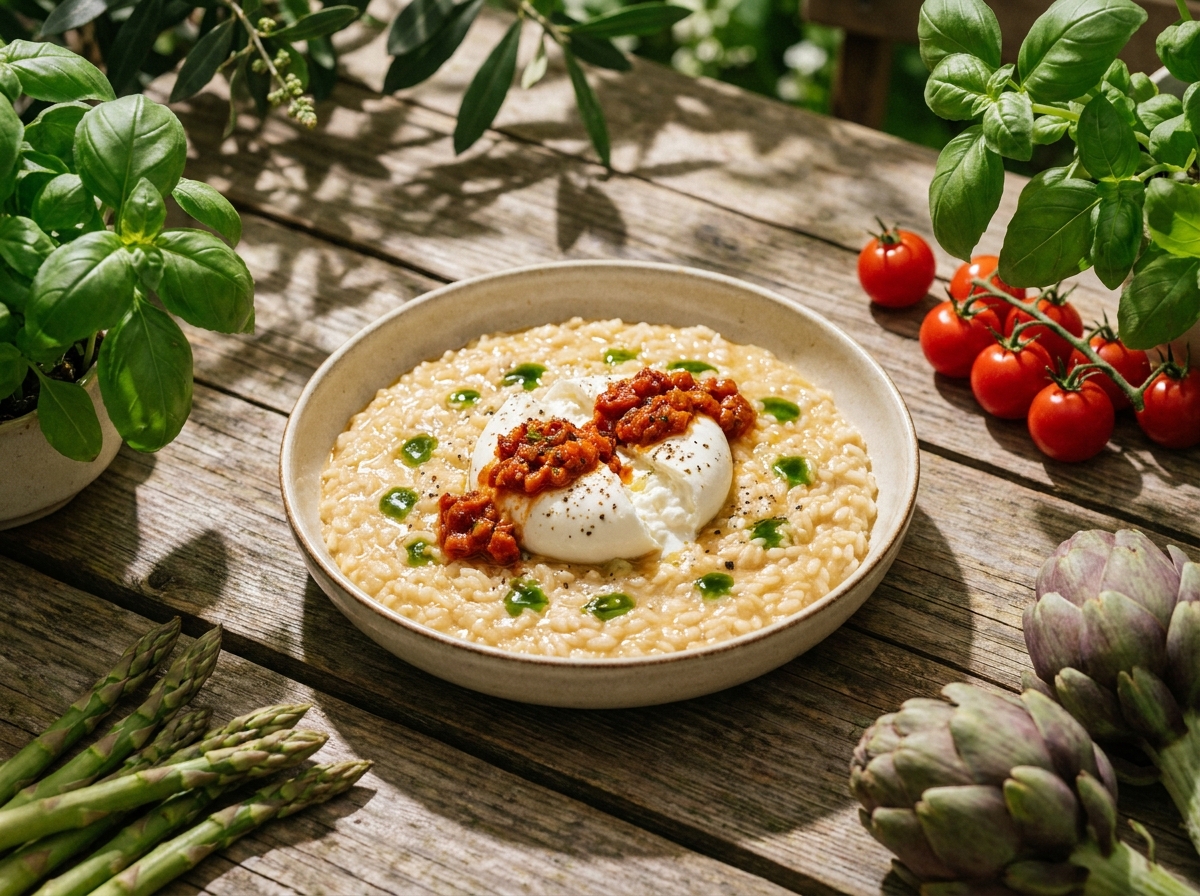
With its soft and sweet flesh, the Cuor di Bue tomato is clearly one of the best table varieties. Raw in delicious tossed summer salads. Also, try it out in a tomato carpaccio.
This original beefsteak tomato is also well suited to cooking.
With few seeds and little juice, this tomato cooks down to a thick sauce far quicker than watery salad varieties.
Serve slices at room temperature; cold flesh mutes the sweetness.
Many cooks trim the pale core under the stem of large beefsteak or oxheart tomatoes before slicing, since it is often tougher than the surrounding flesh, though removing it is optional.