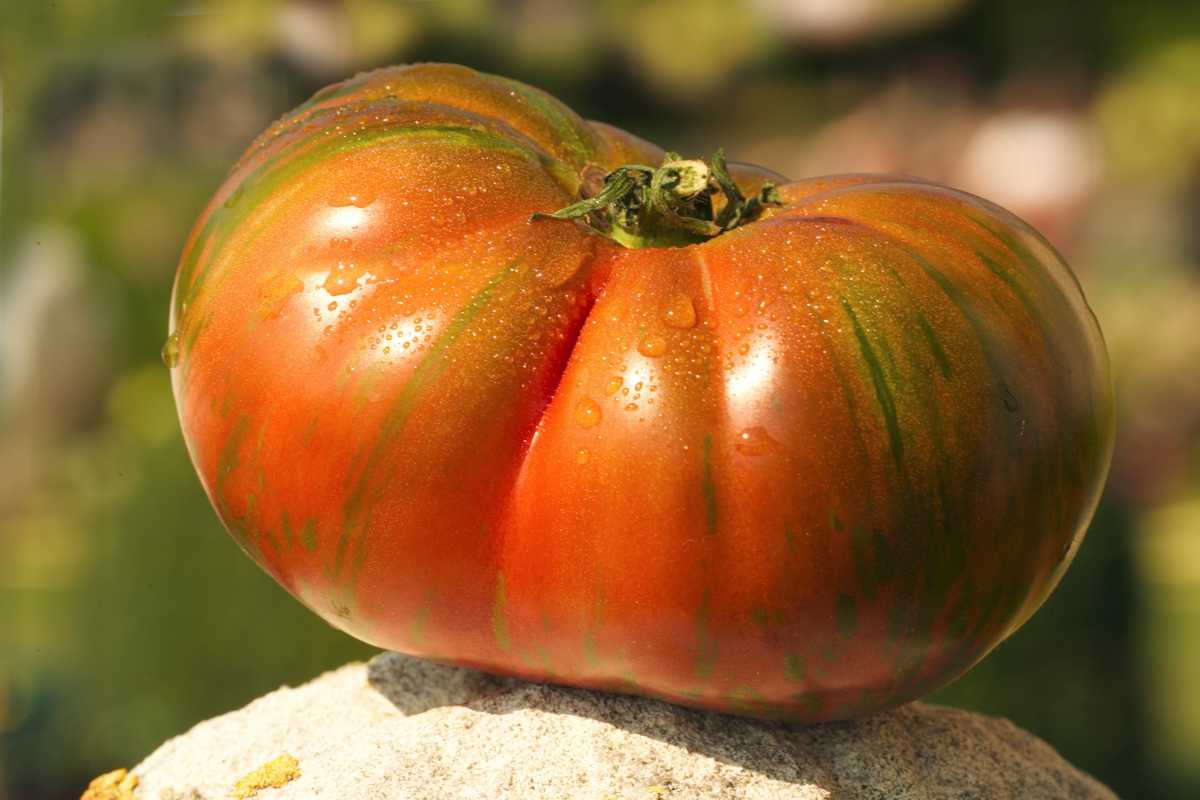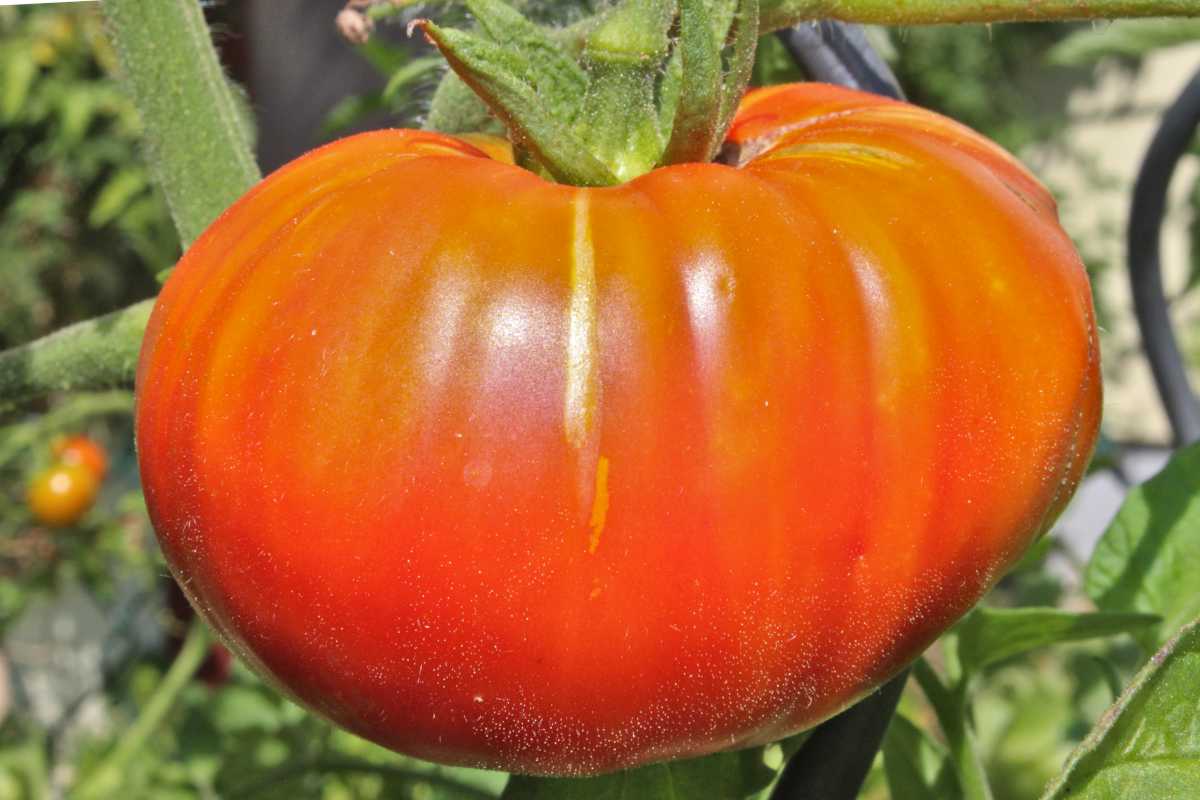
Heart-shaped and clearly XXL, the ‘Beefsteak’ tomato hides soft, melty flesh with very few seeds behind a smooth skin, and tastes light and sweet. Italian in origin, it is the tomato to stuff and bake, or to slice into salads, soup and gazpacho, provided you give it the sturdy staking it demands.
If ever you’ve savored one before, you’ll immediately have the ‘Beefsteak’ tomato in mind: its striking features make it a memorable experience!
Though the original tomato comes from South America, the Beefsteak tomato hails to us from Italy. It has different names that are often confused: ‘Coeur de boeuf’ for the French, ‘Cuor di bue’ for the Italians; but these all have the same characteristics, the hallmarks of a very special tomato:
Sowing should be done in April, whereas the planting itself takes place at the beginning of May.
You’ll have to prepare for sowing a day ahead for Beefsteak tomatoes. Indeed, seeds need soaking for 24 hours to trigger germination. Once they’ve been thoroughly soaked, though, all you need to do is spread the seeds out on a blend of soil mix and sand.
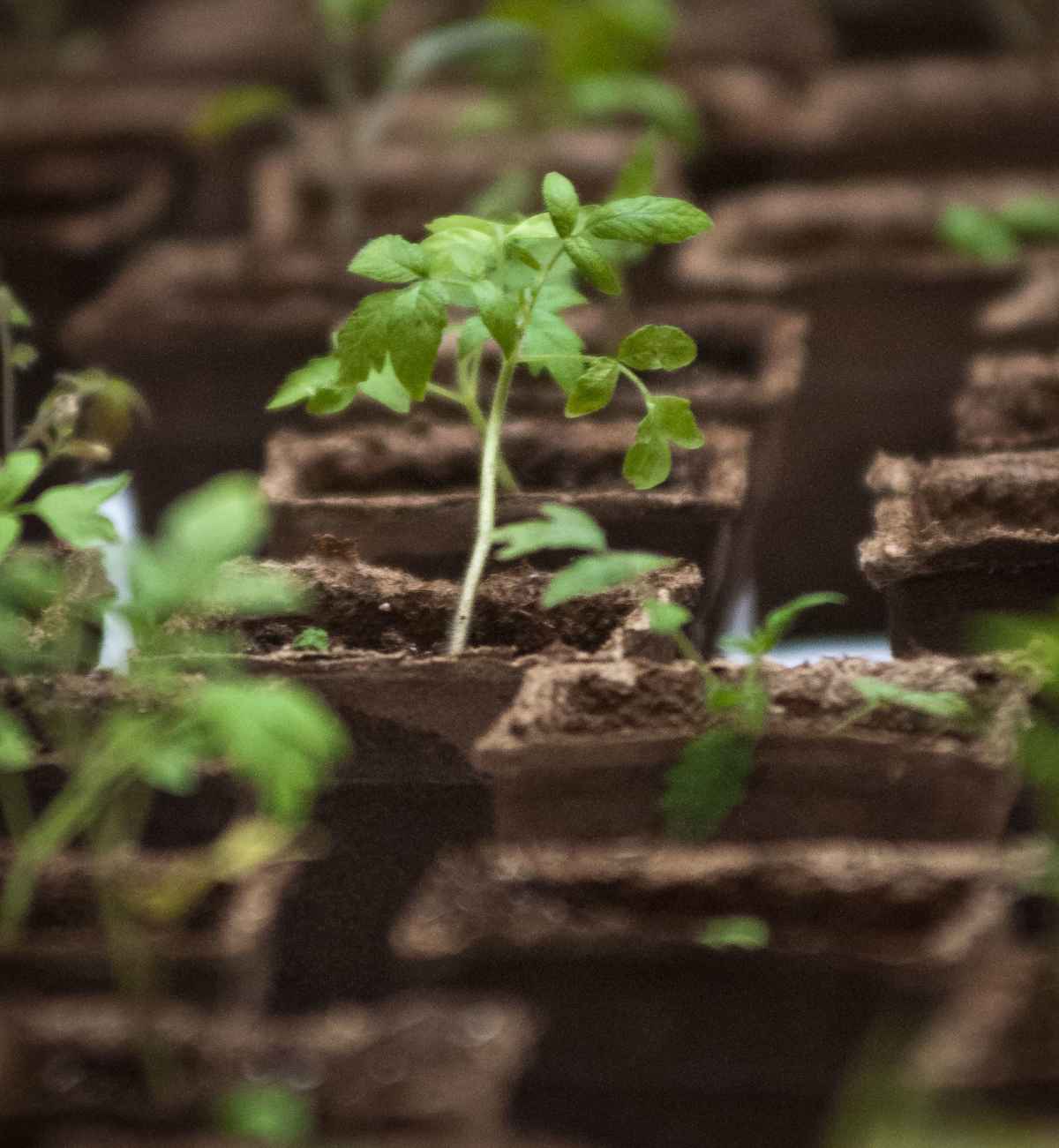
When the sprouts have unfurled their two cotyledons (leaves), transplant them in individual nursery pots. For each planting step, you must make sure your crop is protected from late frosts. Once they’ve matured, you can transfer your plants to the growing bed.
The planting of a tomato plant is easy:
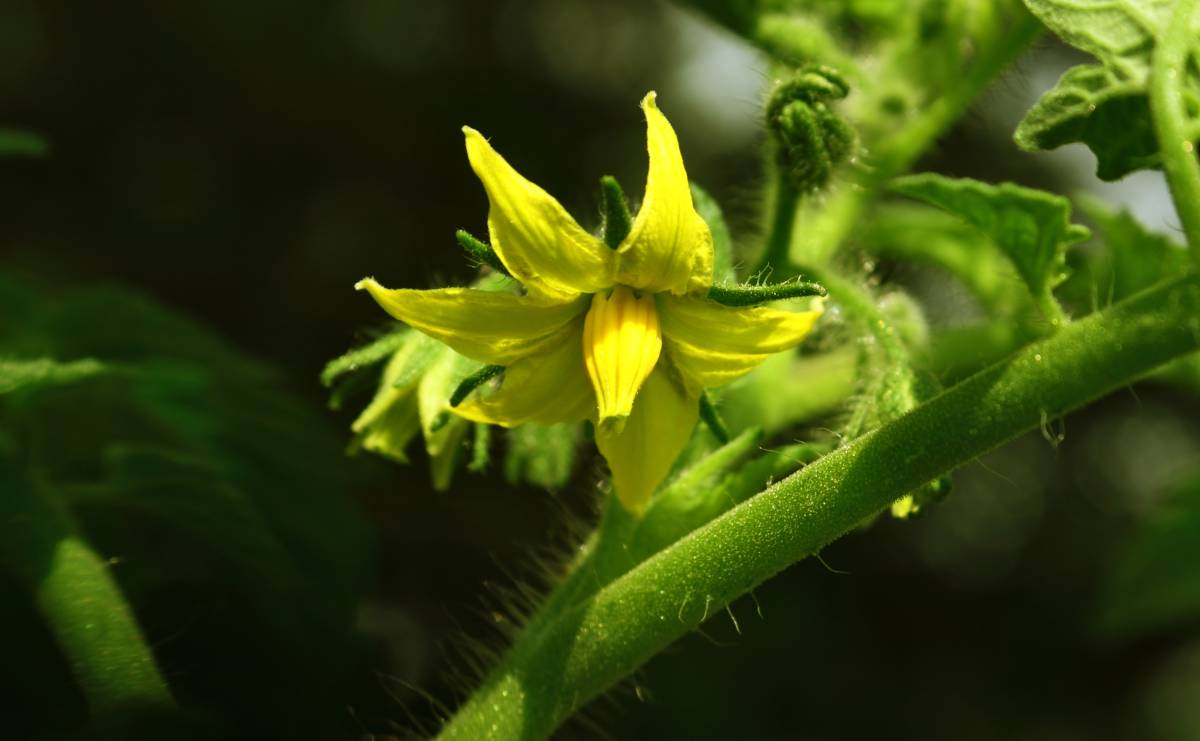
Here are the maintenance steps to get nice ‘Beefsteak’ tomatoes:
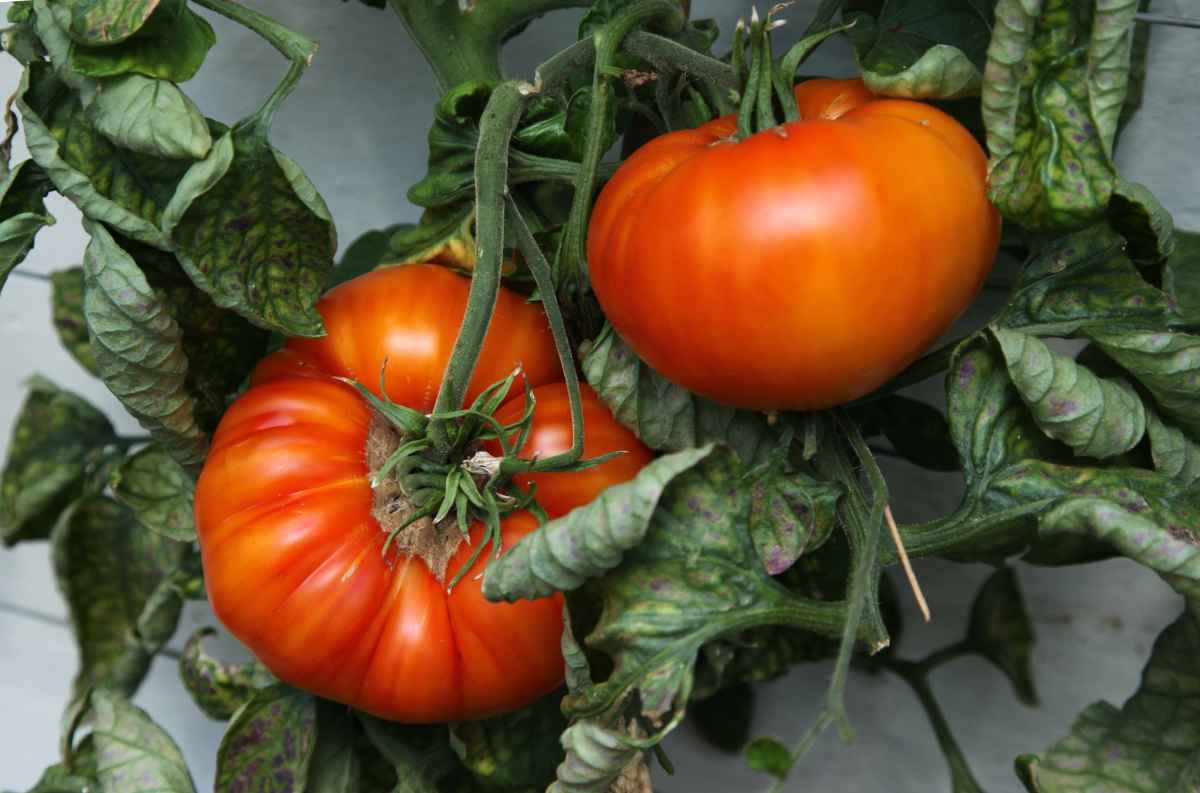
More to learn about growing tomato
The ‘Beefsteak’ tomato may attract bollworm moth caterpillars and whitefly. As regards diseases, ‘Beefsteak’ tomato doesn’t fare any better than other tomato varieties: it’s vulnerable to downy mildew.
The ‘Beefsteak’ tomato follows a fairly strict calendar, from a sowing that has to be prepared a day in advance to the last fruits of autumn. Here is what happens when, and what each step asks of you.
| Stage | When | What to do |
|---|---|---|
| Sowing | April | Soak the seeds 24 hours, then spread them on a blend of soil mix and sand |
| Transplanting | Once the two cotyledons have unfurled | Move each seedling to an individual nursery pot, sheltered from late frosts |
| Planting out | Beginning of May | Dig a hole 8 inches (20 cm) deep, slant the seedling and bury the stem to the first leaves |
| Watering and mulching | Throughout growth | Water at the base only, and mulch around the plant to lock moisture in |
| Leaf removal | From August onwards | Take off some of the leaves, never all, to spur ripening |
| Harvest and keeping | Mid-July to mid-October | Pick and eat fresh; 5 to 6 days in the fridge at most |
Miss the April sowing and the whole sequence shifts, so the biggest fruits may not have time to ripen.
“Beefsteak” covers a whole family of large-fruited tomatoes, from ribbed Italian types to smooth pink heirlooms and modern hybrids bred for reliability. The table below sets out the ones most often found on seed racks and in catalogues, so you can match colour, timing and growing space to your garden.
| Variety | Type | Fruit colour | Season | Best grown |
|---|---|---|---|---|
| Black Krim | Heirloom, indeterminate | Dark mahogany | Mid-season | Greenhouse or sunny wall |
| Super Marmande | Selected Marmande type | Red, ribbed | Early to mid-season | Outdoors |
| Cherokee Purple | Heirloom, indeterminate | Dusky purple-red | Mid-season | Greenhouse or sheltered outdoors |
| Pineapple | Heirloom, indeterminate | Yellow marbled red | Late | Greenhouse, for slicing raw |
| Country Taste | F1 hybrid, indeterminate | Red | Mid-season | Greenhouse |
| Better Boy | F1 hybrid, indeterminate | Red | Mid-season | Outdoors, staked |
| Big Beef | F1 hybrid, indeterminate | Red | Early to mid-season | Outdoors or under glass |
| Brandywine | Heirloom, indeterminate | Deep pink | Late | Greenhouse or warm, sheltered spot |
| Beefmaster | F1 hybrid, indeterminate | Red | Mid to late | Greenhouse for biggest fruit |
| Big Boy | F1 hybrid, indeterminate | Red | Mid-season | Outdoors or under glass |
| Mortgage Lifter | Heirloom, indeterminate | Pinkish red | Late | Greenhouse or long warm season |
| Costoluto Genovese | Italian heirloom, indeterminate | Red, deeply ribbed | Mid to late | Greenhouse or hot, sunny site |
| Costoluto Fiorentino | Italian heirloom, indeterminate | Red, deeply ribbed | Mid to late | Greenhouse or hot, sunny site |
| Cuor di Bue | Italian oxheart heirloom | Pinkish red | Mid-season | Greenhouse or sheltered outdoors |
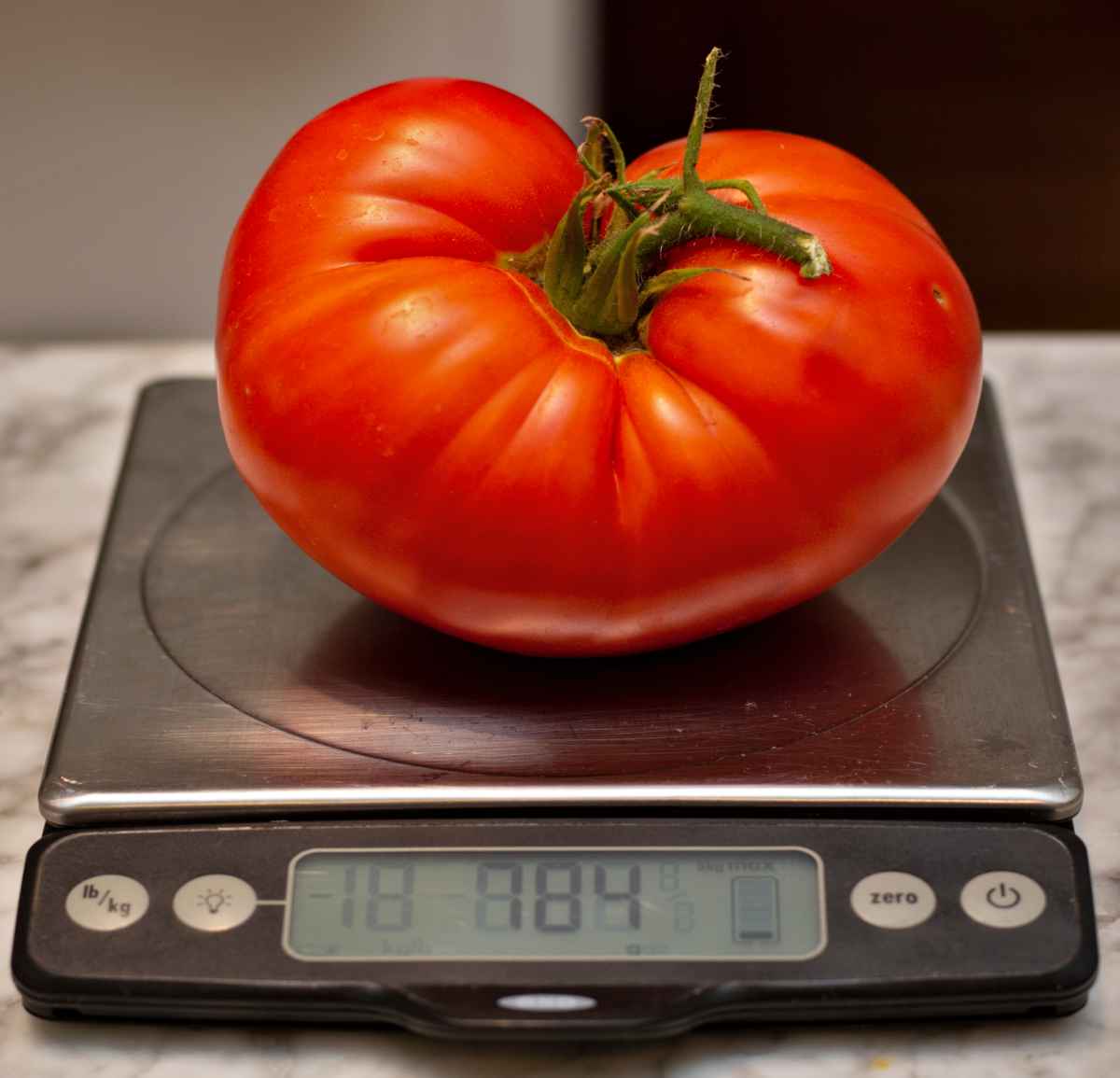
You can expect to pick your first ‘Beefsteak’ tomatoes sometime mid-July, and the last ones hopefully up to mid-October. After picking, they will keep in the fridge for 5 to 6 days. However, if you really want to make the most of their vitamins and minerals, our recommendation is to eat them right after having picked them.
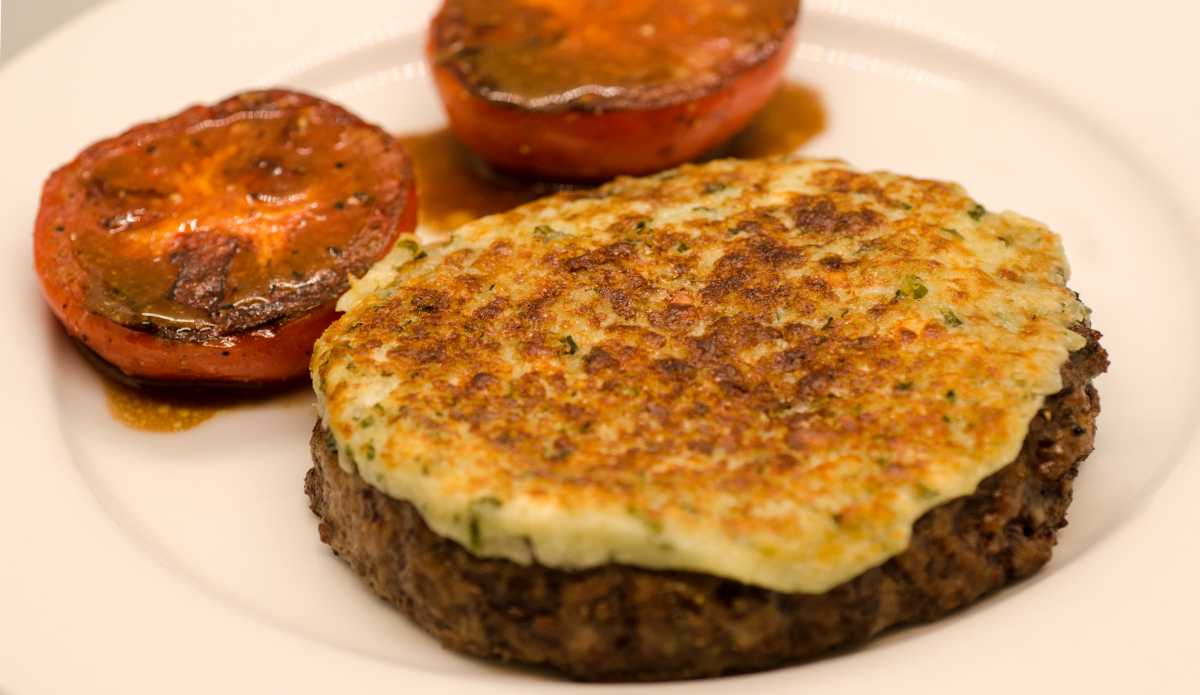
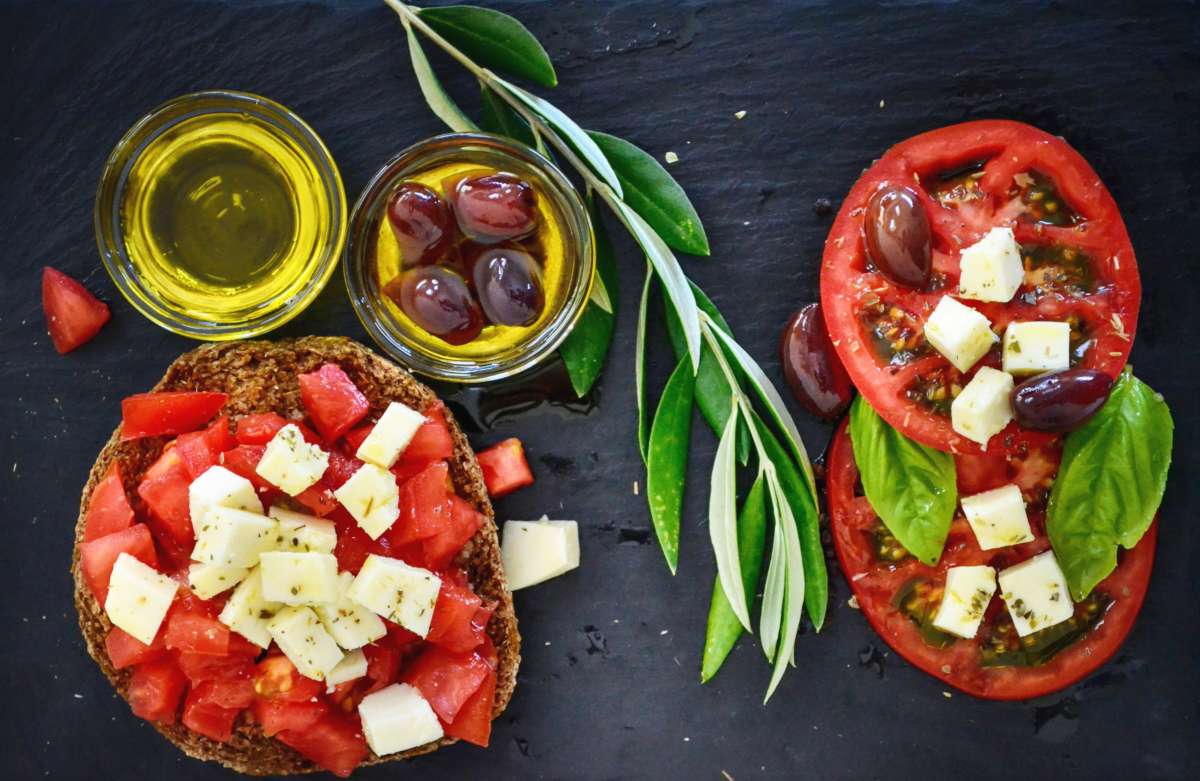
‘Beefsteak’ can be cooked in several different manners. This is because its firm, rich-tasting flesh is perfect for tossed salads, gazpacho, soup, and even stuffing and baking.
To learn more, read: