Long and deep red, the Torino tomato cuts into identical rounds just the size of a mozzarella slice, yet its real distinction is invisible: around 40 mg of lycopene where other tomatoes average about 5 mg. Give it full sun, a stake and water kept off the leaves, and every fruit earns its nickname of anti-aging tomato.
To avoid certain severe illnesses and issues related to old age, it’s a good habit to take on, to eat these tomatoes and relish both taste and health benefits!

It’s the major advantage of this tomato!
Lycopene is a red pigment that occurs naturally in all tomato varieties, and in watermelon and grapefruit, too. It’s technically a tetraterpene that’s classified in the carotene group. This is, in a few words, an antioxidant hydrocarbon that is naturally present in our bodies. Lycopene is said to have a protective impact against prostate cancer, and generally contributes to reducing cardio-vascular diseases.
The Torino tomato has around 40 mg of lycopene where other tomatoes only average about 5 mg. In addition, this variety has particularly high amounts of vitamins E, C and beta-carotene. This generous tomato, also called the “anti-aging tomato”, seems to help the body fight against cell destruction and limit loss of cognitive functions.


Once any risk of frost has subsided, plant them in a sun-bathed area of your vegetable patch, sheltered from stronger winds.

Regular watering is best, but take great care not to get any leaves wet. The substrate must stay cool but never soggy.
Apply a layer of mulch to retain soil moisture, you won’t need to water as often.
This has an added benefit: lower stems won’t touch the ground directly, and they won’t catch any diseases linked to moisture.

Torino fruit harvest takes place between midsummer and early autumn.
The dream situation is when you harvest the fruits as you need them, in order to maximize their freshness and medicinal properties.
To check whether a tomato is ripe, look at the color. Since this is a red-colored variety, the more red the fruit, the riper it is for picking. Once ready for the harvest, the skin softens and they fruits are easy to pull off the plant.
To keep them longest, avoid the fridge and, instead, free a shelf for them in a cool room. This will make sure their sweet, juicy and tangy taste keeps for a long time.
The Torino is grown like any vine tomato, but each stage has one condition that matters more than the others. Here is the sequence at a glance.
| Stage | Where | Key condition |
|---|---|---|
| Sowing | Trays of soil mix and sand | Sheltered and bright, 60–65°F (15–20°C) |
| Hardening | Cold greenhouse or cooler frost-free spot | As soon as the sprouts have germinated |
| Potting on | Individual nursery pots | Once 3–4 leaves have appeared |
| Planting out | Sunny vegetable patch, out of strong wind | After the last frost, 30 inches (80 cm) apart |
| Harvest | Straight from the plant, as needed | Midsummer to early autumn, when fully red and soft-skinned |
Pick only what you need that day: freshness and medicinal properties are both at their peak on the vine.

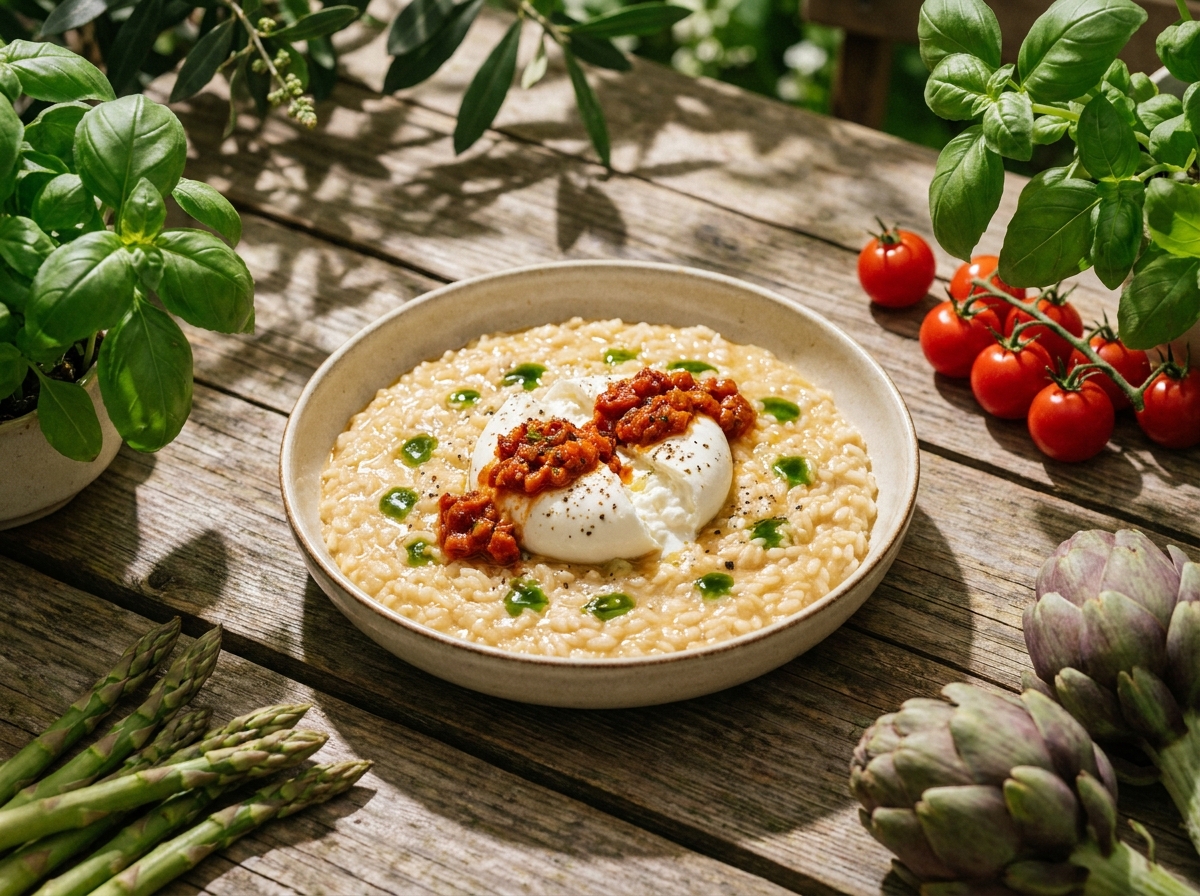
Aficionados will claim that a dash of olive oil is all that’s needed, while others also add a few slices of mozzarella. A good thing to know is that cooking increases the quantity of lycopene. Indeed, heat makes cells burst, releasing their contents.
If you really want to reap the health benefits of this tomato, best use it for sauce, ratatouille, or to bake them in the oven, Mediterranean-style. The long shape it has means you can slice it into identical round slices that are just the right size for mozzarella slices!
It’s a favorite for pies, wraps and pizzas, all in all just as good for the body as it is for the gourmet soul!
In supermarkets, they’re sold at around 5-6 dollars for a couple pounds (4 pounds or 6 € per kilo). Go ahead and sow them, it’s easy to find packets of seeds that are about 2 dollars, pounds or € for a dozen or more seeds. Not only is sowing and growing them yourself much more affordable, it’s simply magical to bite into tomatoes you’ve grown and harvested yourself!
Check how many seeds each packet contains, not just the price on the front, and divide price by seed count so you can compare the true cost per seed before buying.
If your packet is labelled Torino F1, seed saved from the fruit will not come true, so plan on buying fresh seed rather than harvesting your own.
Uncommon regional Italian tomato varieties are seldom found on general garden centre racks, so specialist seed merchants and Italian suppliers are usually the more reliable places to look for them.
Where ready-grown plants are available, they generally cost more than a packet of seed, but they can be worth it if you lack a bright, frost-free spot for raising seedlings in trays.