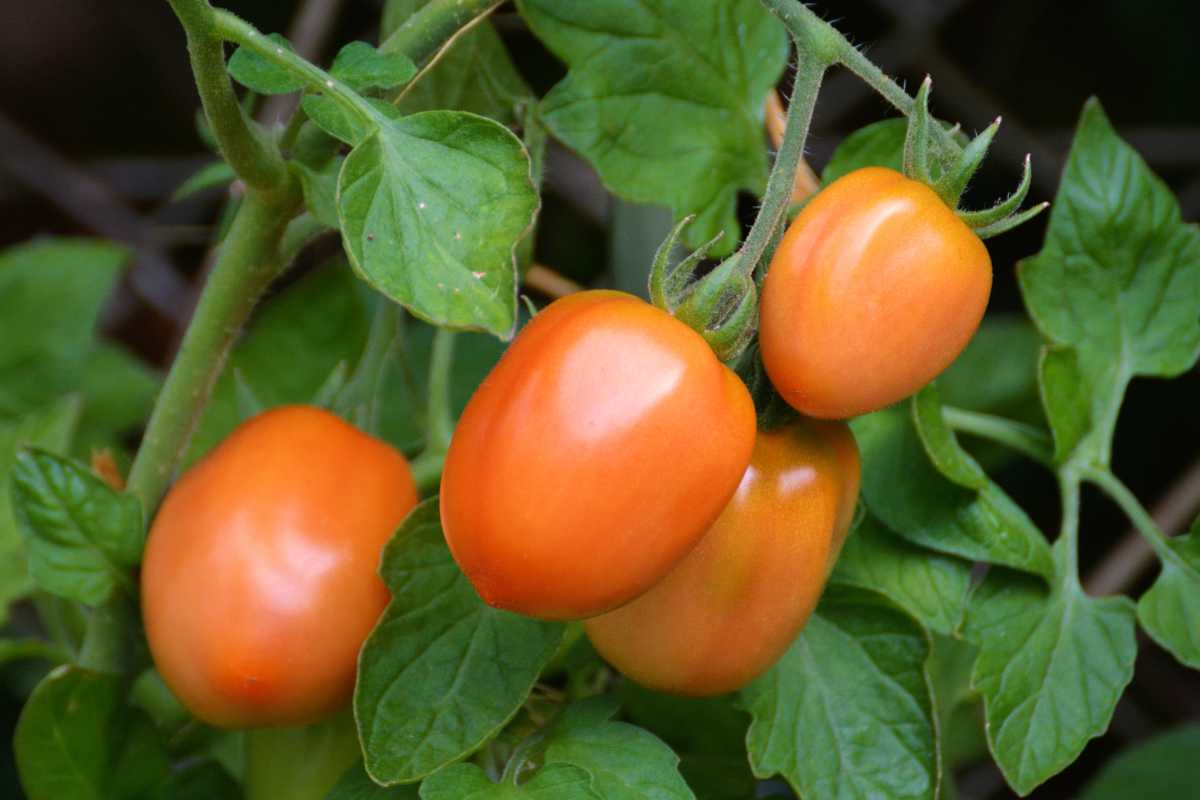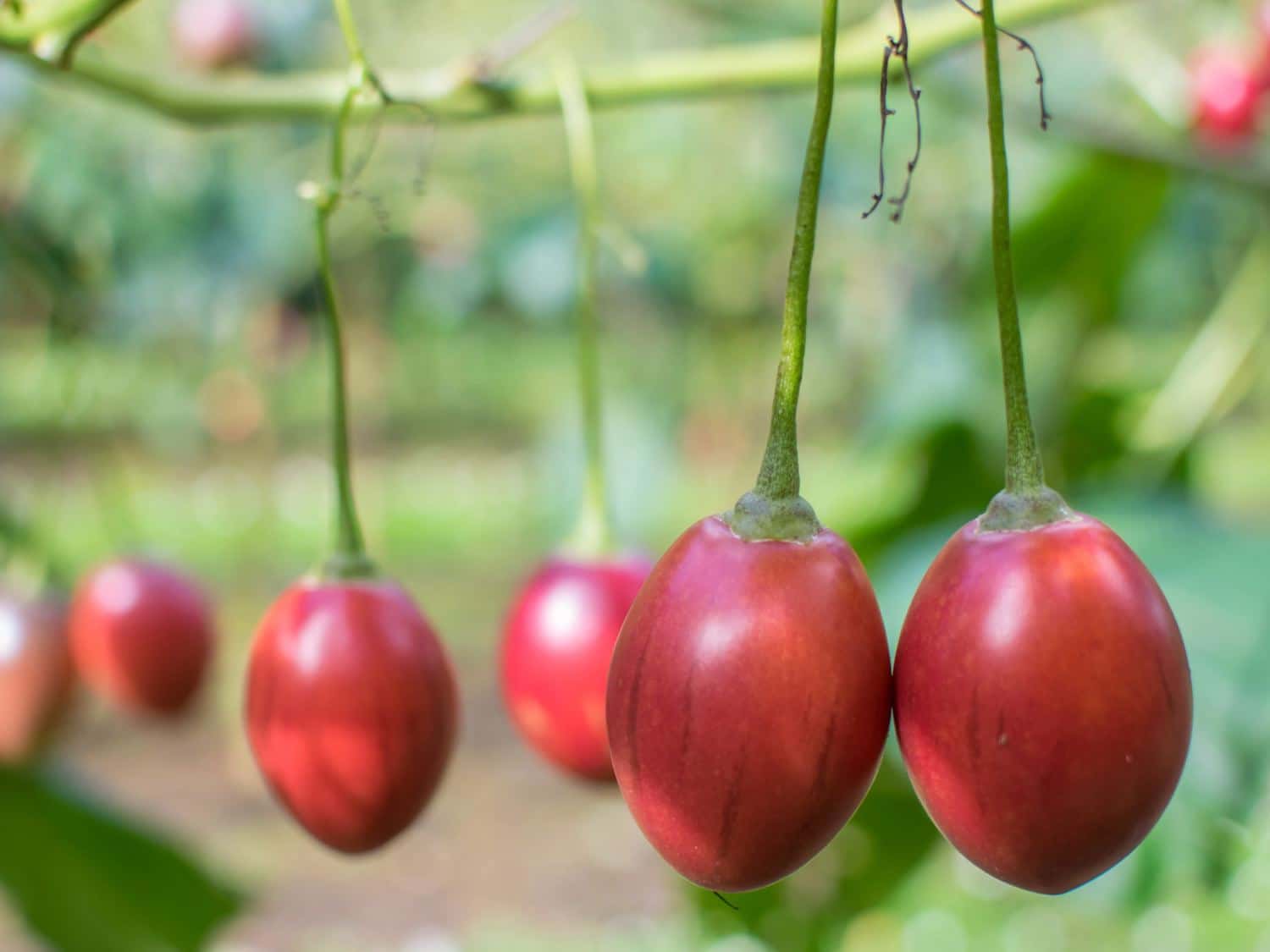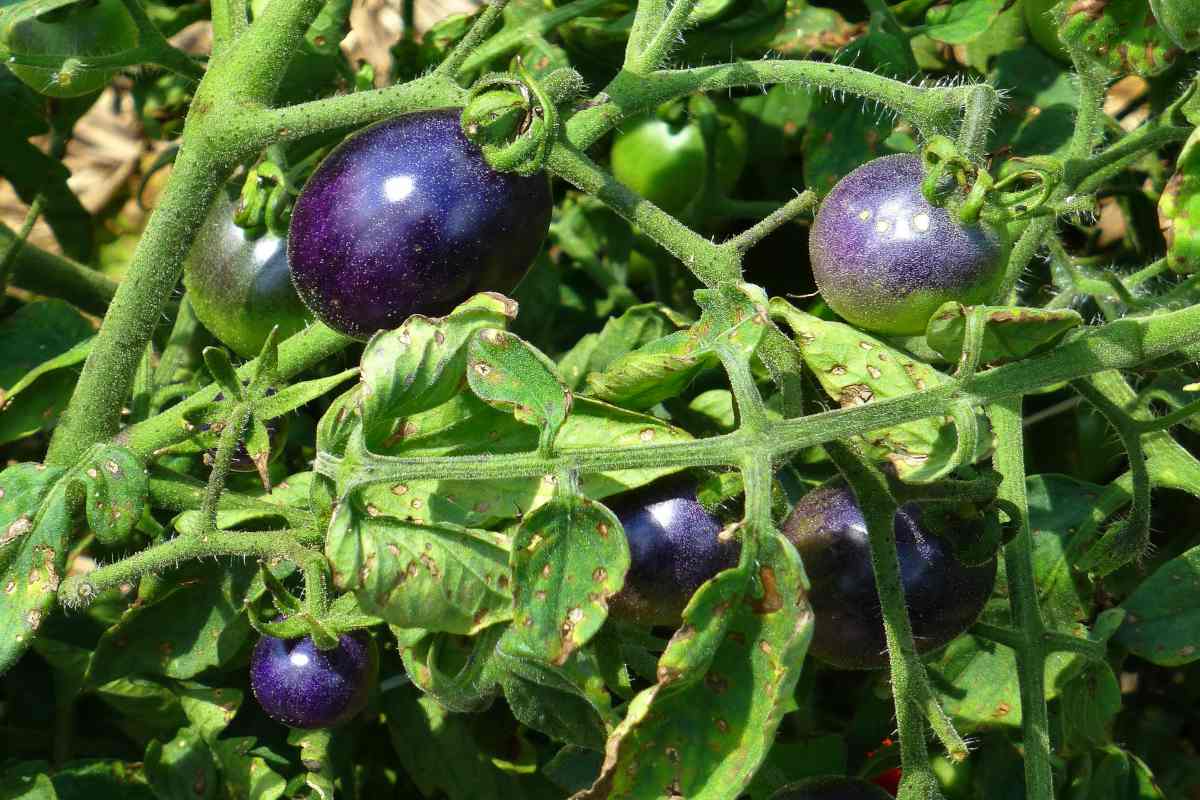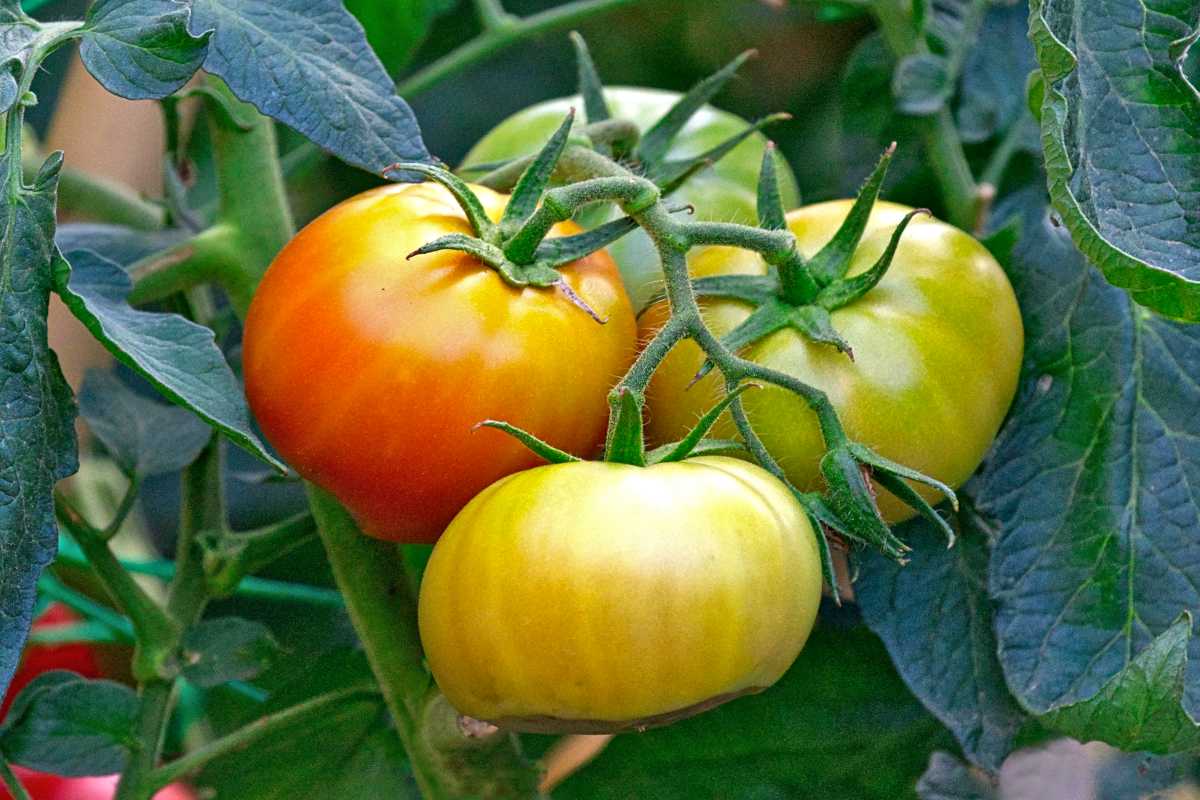
Slice one open and the flesh is marbled like a slice of pineapple — that, not the red-orange or yellow skin, is where the name comes from. Fruits are huge, juicy, lightly sweet and almost free of pips, ideal in summer salads; give the plant a genuinely sturdy stake and the reward is outstanding flavour.
Its juicy, firm flesh is sweet and tasty, and it’ll work wonders in your tossed salads in summer.
The ‘Pineapple tomato’ doesn’t owe its name to the color of its skin, as you might think, but rather to the appearance of its flesh which looks like a slice of a pineapple fruit. This variety has an indeterminate bearing: it never stops growing. You’ll have to stake it, and since each fruit can weigh up to 2 pounds (1kg), make sure the stakes are sturdy! As for how it tastes, the ‘Pineapple’ is very tasty, juicy, and lightly sweet. It’s a tomato with only very few seeds.
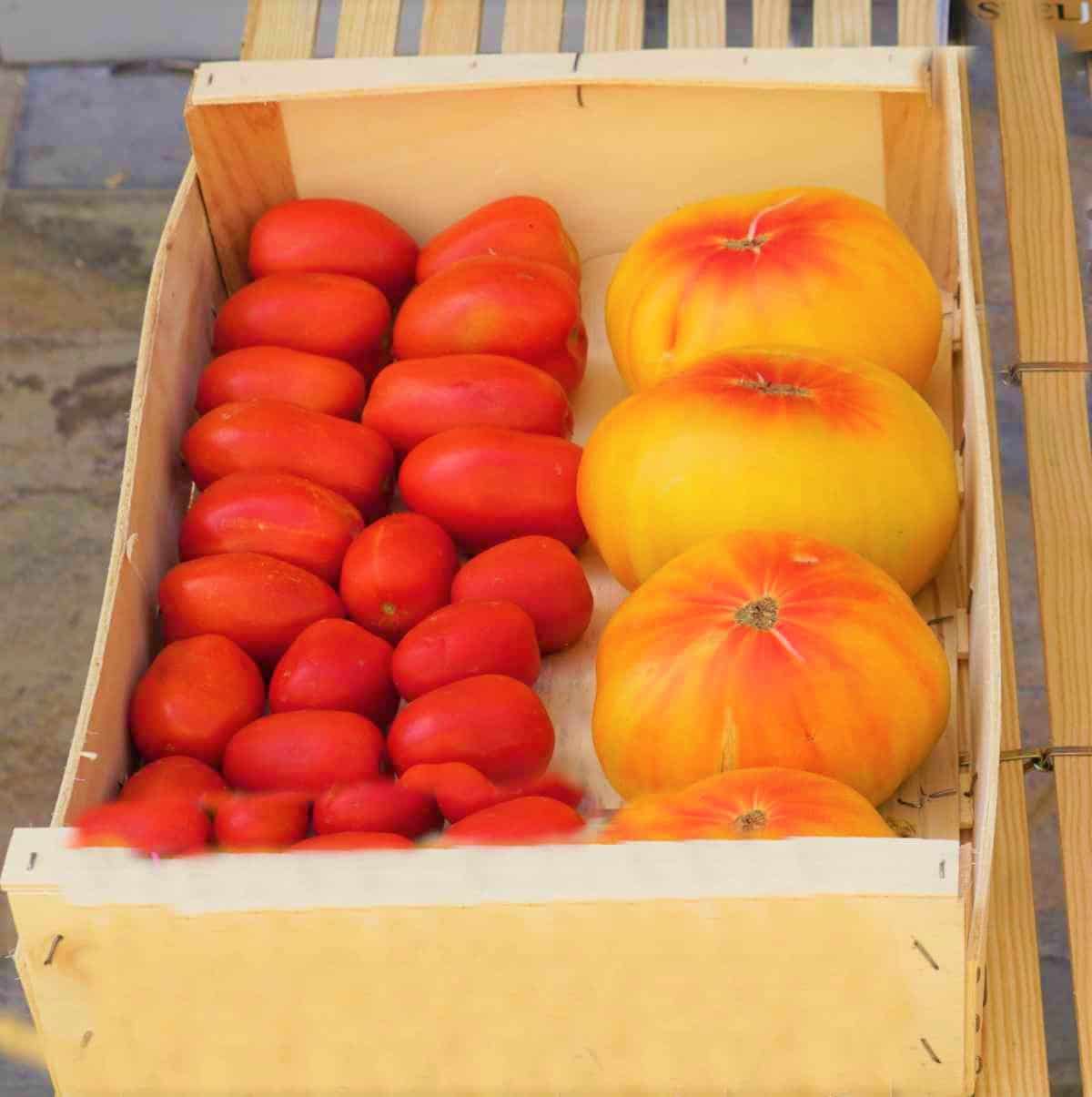
When prepared in places protected from frost, sowing can start as early as Early spring (and even late winter in some areas). To do so, sow your seeds in groups of 3 at a depth of just under half an inch (1 cm). Regarding the substrate, you can prepare a blend of soil mix and a little sand. When the young sprouts have 2 leaves, select the most vigorous ones and transplant them in nursery pots.
Once you’ve gotten your hands on your ‘Pineapple’ tomato seedlings (either home-grown or purchased in a store), you can transplant them to the ground in late spring. Usually, there aren’t anymore risks of freezing in that month. To plant your tomato plants correctly, follow these few rules:
To get nice tomatoes, water the plants regularly, but without overdoing it. Make sure you don’t wet any leaves to avoid diseases. To lock moisture below ground in the soil, feel free to apply mulch: it will reduce water evaporation. When the first fruits appear, you can remove leaves (a few of them only) to expose the fruits, so they can ripen faster.
The most important disease that can infect your ‘Pineapple’ tomato is downy mildew. A few other pests must also be watched out for, such as whitefly and the cotton bollworm.
From seed tray to salad bowl, this variety follows a long calendar: four to five months pass between sowing and the first ripe fruit. Here is the sequence at a glance.
| Stage | When | What to do |
|---|---|---|
| Sowing under cover | Late winter to early spring | Sow in a frost-free spot, three seeds per station, just under half an inch (1 cm) deep, in soil mix with a little sand |
| Planting out | Late spring | Transplant once frost risk has passed: an 8-inch (20 cm) hole, the seedling slanted, a strong stake, stem buried to the first leaves |
| Growing on | Late spring to midsummer | Water regularly without wetting the leaves, mulch to hold moisture, and strip a few leaves once the first fruits show |
| Harvesting | Midsummer to mid-autumn | Allow 4 to 5 months from sowing, then pick ripe fruits just before you eat them |
| Dealing with a glut | Late summer to mid-autumn | Surplus ripe fruits keep 5 to 6 days in the refrigerator |
Shift the whole sequence a few weeks either way depending on when you sowed and how mild your area is.
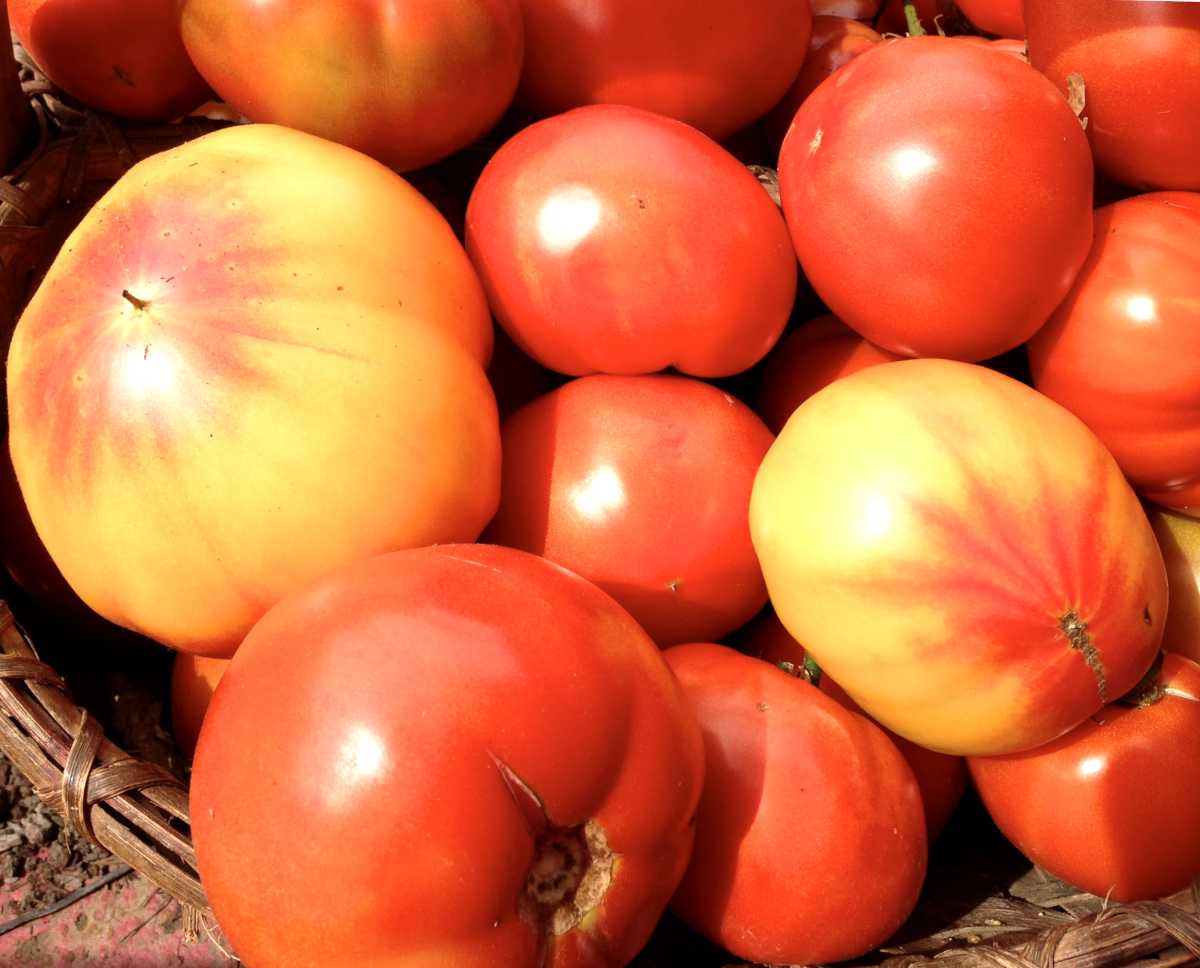
You’ll have to grow the plant for 4 to 5 months before getting ripe tomatoes. From that point on, depending on the sowing date, you can start harvesting from midsummer to mid-autumn. To best reap the nutritional and culinary benefits of your ‘Pineapple’ tomatoes, it’s best to harvest the ripe ones just as you’re about to eat them. If too many ripen at the same time (common at the end of the season), these fruit vegetables will keep for 5 to 6 days in the refrigerator.
Whether you eat it alone, or mix it in with other vegetables, the ‘Pineapple’ tomato is ideal for salads. However, nothing should stop you from trying to prepare it in other manners. Just let our recipes inspire you!
To learn more, read:
Slice the fruit crossways rather than dicing it, since a full cross-section best displays the red-and-yellow marbling that runs through the flesh of this variety, a pattern lost in small cubes.
One slice often covers a whole burger bun.