Home » Health » Spring Detox Plate: Seasonal Foods, Drinks and Habits at Winter’s End
Spring Detox Plate: Seasonal Foods, Drinks and Habits at Winter’s End
·
0
At winter’s end, many people want to feel lighter before the days stretch out. This page gathers the fruits, vegetables and kitchen herbs that naturopathy traditionally puts on the spring plate, how to prepare them, how long a short course usually runs, and who should be careful. No fasting, no powders — just food, water and a bit of movement.
Raw, steamed, soups and broths, juices, infusions, green tea, flavourings
Harvest season
Late winter to late spring for the leafy greens and roots; the fruits are mostly stored or imported at that time of year
Taste
Green and peppery (watercress), earthy-sweet (beet, carrot), bitter (artichoke), sharp (lemon, kiwi)
What it is credited with
Artichoke — a classic of European herbalism, traditionally taken in spring for its bitterness and its reputation for supporting digestion after a heavy winter.
Red beet and carrot — naturopathy values them as everyday spring root vegetables, credited with supporting regular transit thanks to their fibre.
Watercress — long known in country kitchens as a “spring green”, traditionally eaten as the first fresh leaf of the season.
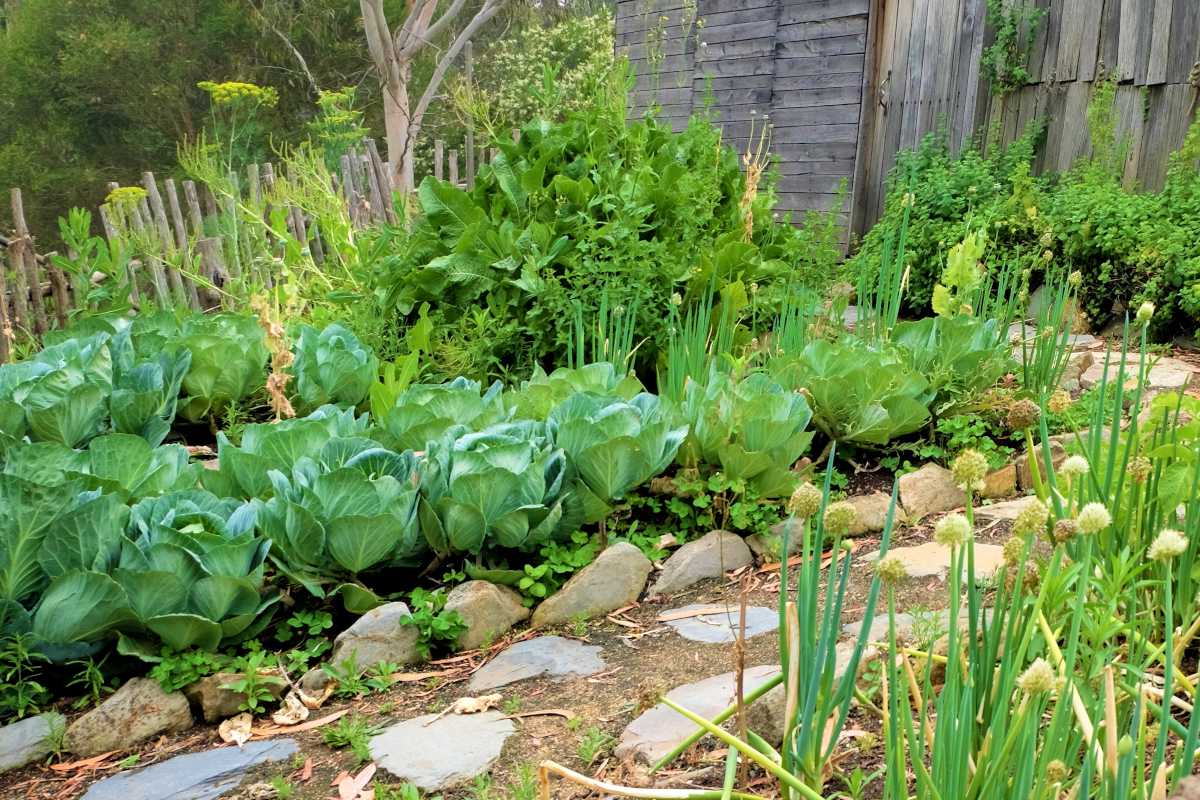
Cabbage, in all its forms — kale, green, red, savoy: herbal tradition places them among the plants eaten to feel lighter at winter’s end.
Avocado — valued in naturopathy for its potassium and its fat content, which makes a plant-based plate more satisfying.
Apple, kiwi, banana, pineapple, lemon, bilberry and blueberry — credited in naturopathy with helping keep the intestine comfortable, thanks to their pectin and their fibre.
Thyme and savory — traditionally added to pulses and cabbage dishes for their reputation for limiting fermentation in the gut.
Garlic and parsley — herbalism has long credited both with supporting kidney function; parsley is the classic “draining” kitchen herb.
None of this replaces anything a doctor has prescribed. It is a way of eating for a few weeks, nothing more.
How to use it
The short course, three to seven days
Choose a quiet week in early or mid-spring, not one with three dinners out.
Three meals a day, normal portions. No skipped meals and no fasting.
At every meal: one cooked vegetable, one raw vegetable or one fruit.
Season generously with garlic, parsley, thyme and savory instead of salt.
Keep it for three days at the very least; a week gives you a better feel for it.
The longer, easier version
Rather than a strict course, slot these foods into the family’s ordinary meals and leave them there.
One green vegetable and one fruit at every meal, all year, does far more than three tense days once a year.
Rotate the cabbages week by week so no one gets bored: kale, then red, then savoy.
Drinks
Plain water, spread through the day rather than in two big glasses.
Avoid sparkling and fizzy drinks during the course — they tend to make digestion heavier.
If plain water bores you, switch to herbal infusions or a flavoured green tea. Thyme, mint or lemon verbena all work.
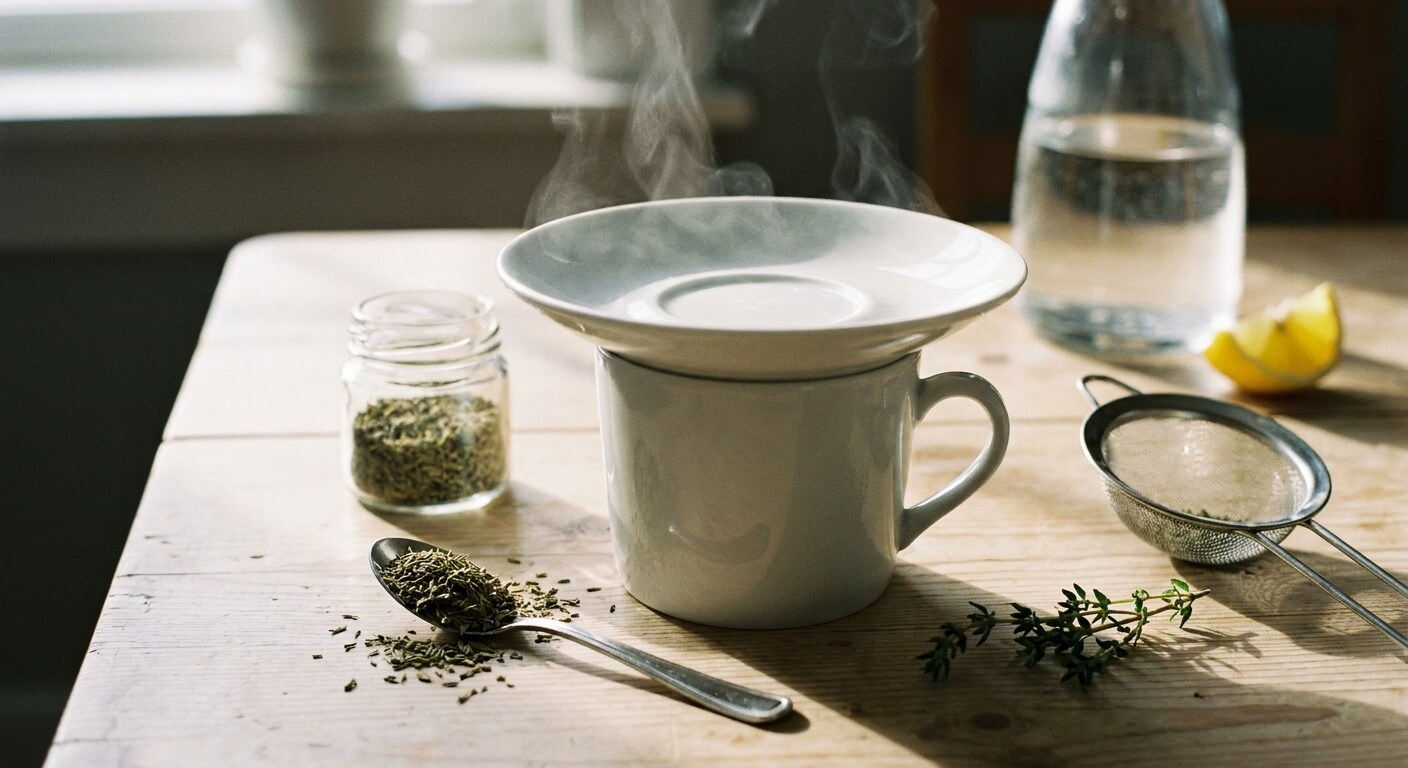
A thyme infusion: a teaspoon of dried leaves per cup, boiling water, covered, 5 to 10 minutes. One to three cups a day.
Half a squeezed lemon in a glass of warm water, taken before breakfast, is the traditional spring habit — rinse your mouth afterwards to protect tooth enamel.
Movement
Pair the plate with something that raises your pulse: brisk walking, cycling, swimming, digging over the vegetable bed.
Twenty to thirty minutes, most days, is the usual naturopathic recommendation — sweat is part of the point.
Ways to prepare the spring plants, and what each is for
Form
How it is prepared
What it suits
Raw
Watercress, grated carrot, thin-sliced red cabbage, avocado, dressed with lemon and oil
Keeps vitamin C intact; the crunchiest option for lunch
Steamed
Artichoke, cabbage, beet, carrot, 10 to 30 minutes depending on size
Gentler on sensitive digestions than raw brassicas
Soup or broth
Root vegetables simmered with thyme and savory, blended or left chunky
Evening meals; an easy way to drink more without noticing
Juice
Beet, carrot and apple pressed together, drunk fresh, small glass
A concentrated hit — but the fibre is lost, so keep it occasional
Infusion
A teaspoon of dried thyme per cup, covered, 5 to 10 minutes
Replacing plain water through the afternoon
Frequently Asked Questions
The one thing to remember: eat more of the green and the bright, drink plain water all day, move your body — and never stop eating.
A teaspoon of dried thyme per cup, covered, five to ten minutes
How long should a spring detox course last?
Three days is the usual minimum for an intensive version, and a week is more realistic. The better approach, in naturopathic practice, is to keep these foods on the menu all year rather than treat them as a punishment served once in spring.
Is fasting a faster way to get the same result?
No, and it tends to backfire. When the body gets no food, its metabolic rate drops, while what a spring course aims at is an active metabolism. Regular meals of good-quality food in sufficient quantity are far more effective.
Which vegetables should I start with?
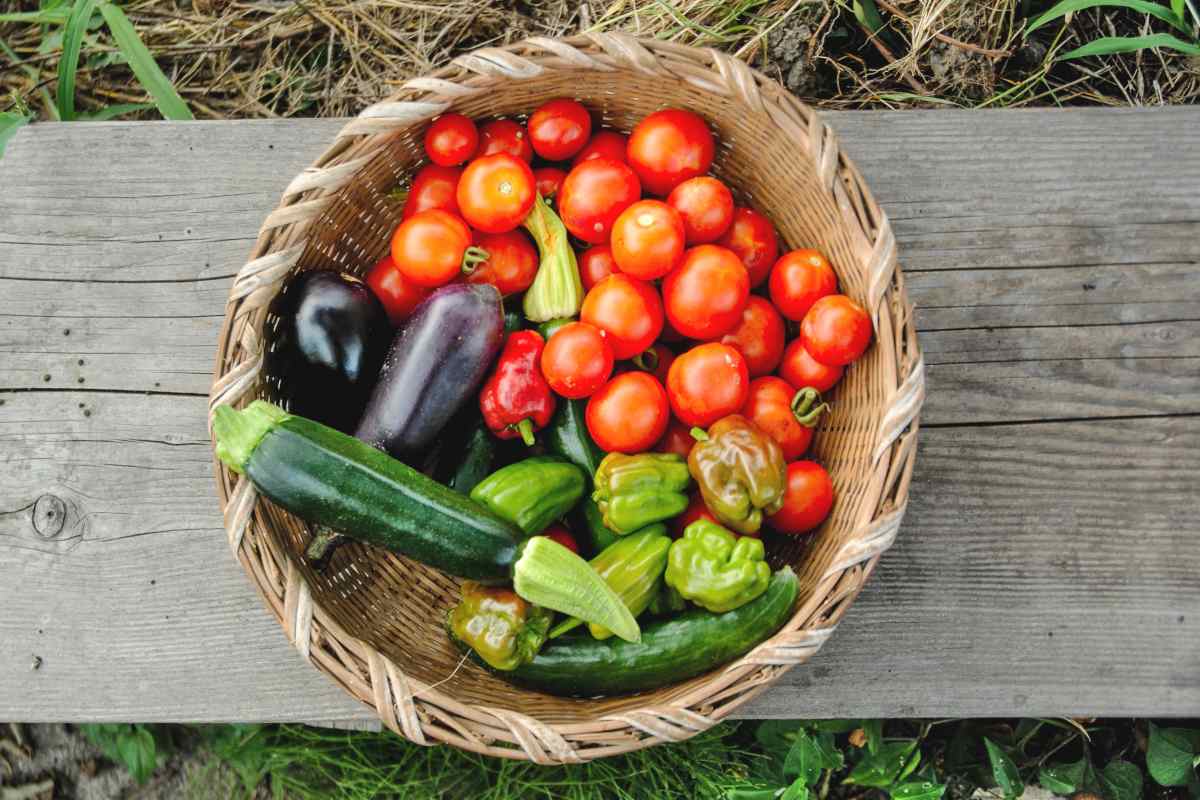
Avocado, artichoke, red beet, watercress, carrot, eggplant and cabbage in all its varieties. They are rich in potassium, fibre and vitamins A and C, and they are the ones naturopathy puts first on the spring plate.
I cannot drink plain water. What else counts?
Herbal infusions and flavoured green teas count, and there is no real limit to how many cups you can have through the day. Avoid sparkling and fizzy drinks during the course, as they tend to make digestion more laborious.
Do I have to exercise as well?
It is not compulsory, but it is what rounds the course off. Twenty to thirty minutes of something that raises your pulse — walking, cycling, swimming, garden work — most days is the usual naturopathic pairing with the spring plate.
This information is provided for general interest and reflects the traditional use of plants. It is not a substitute for medical advice. If you are on medication, pregnant, or in any doubt, ask a healthcare professional.
Written by Gaspard Lorthiois | Loves helping out, especially when it comes to growing things. Worked in herbal medicine, runs a farm, and dabbles in tech. Master's degree and engineer.