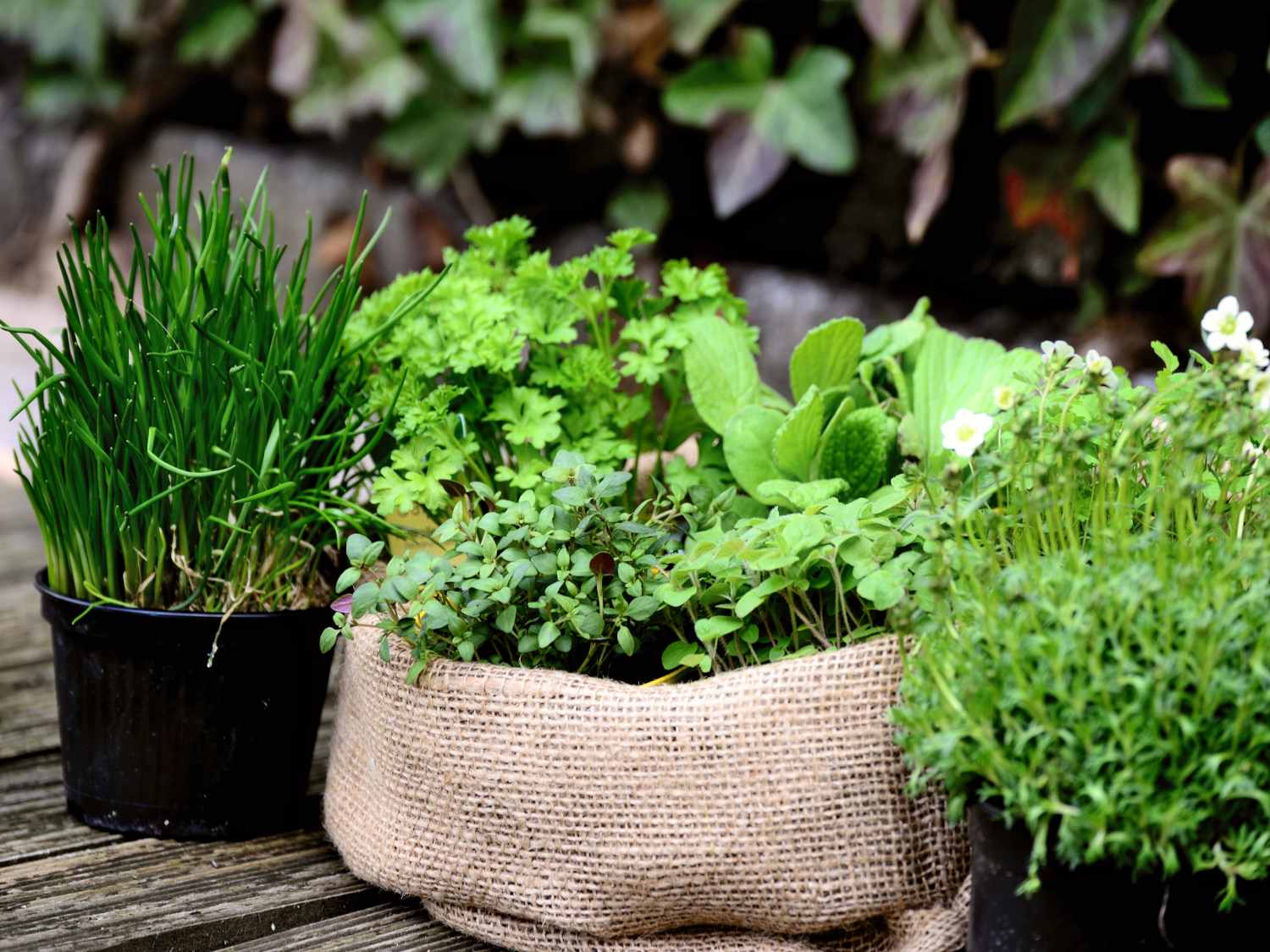
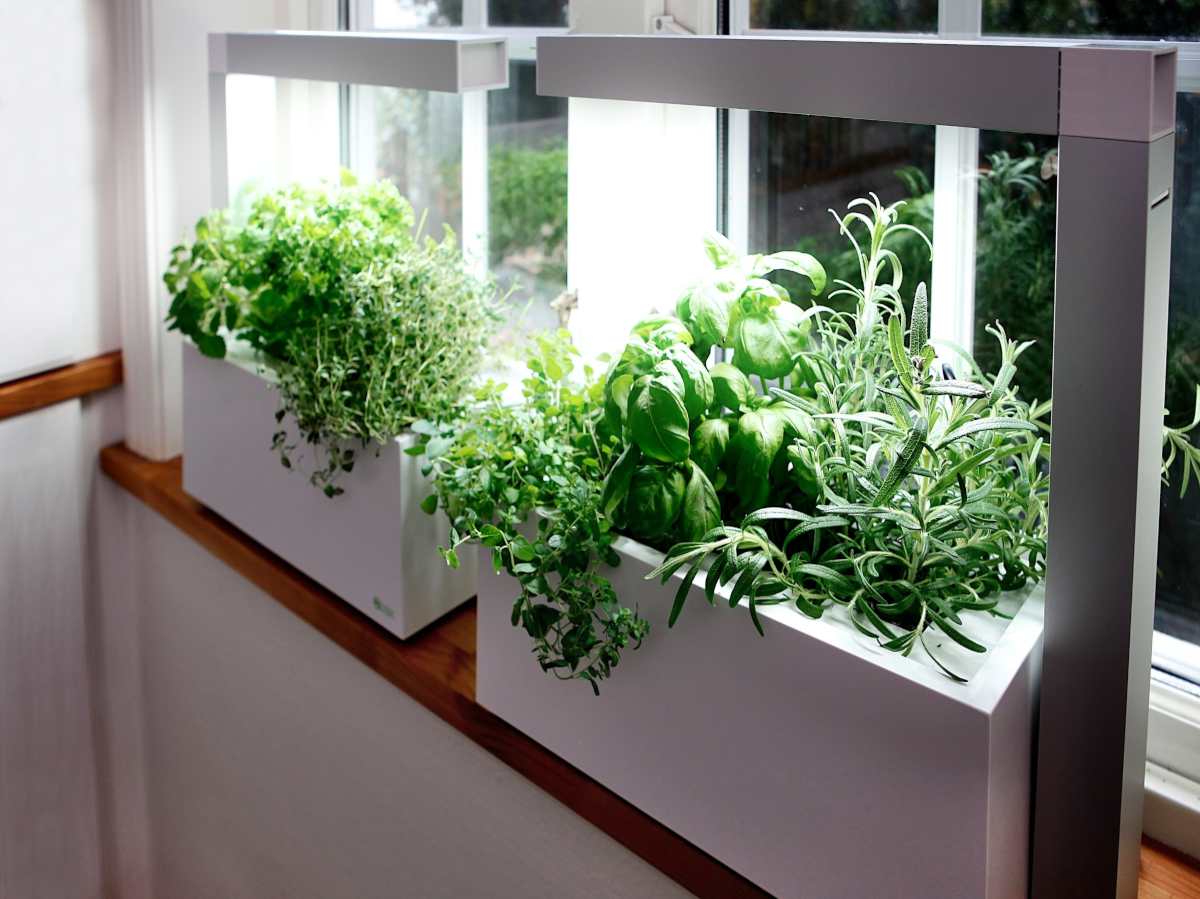
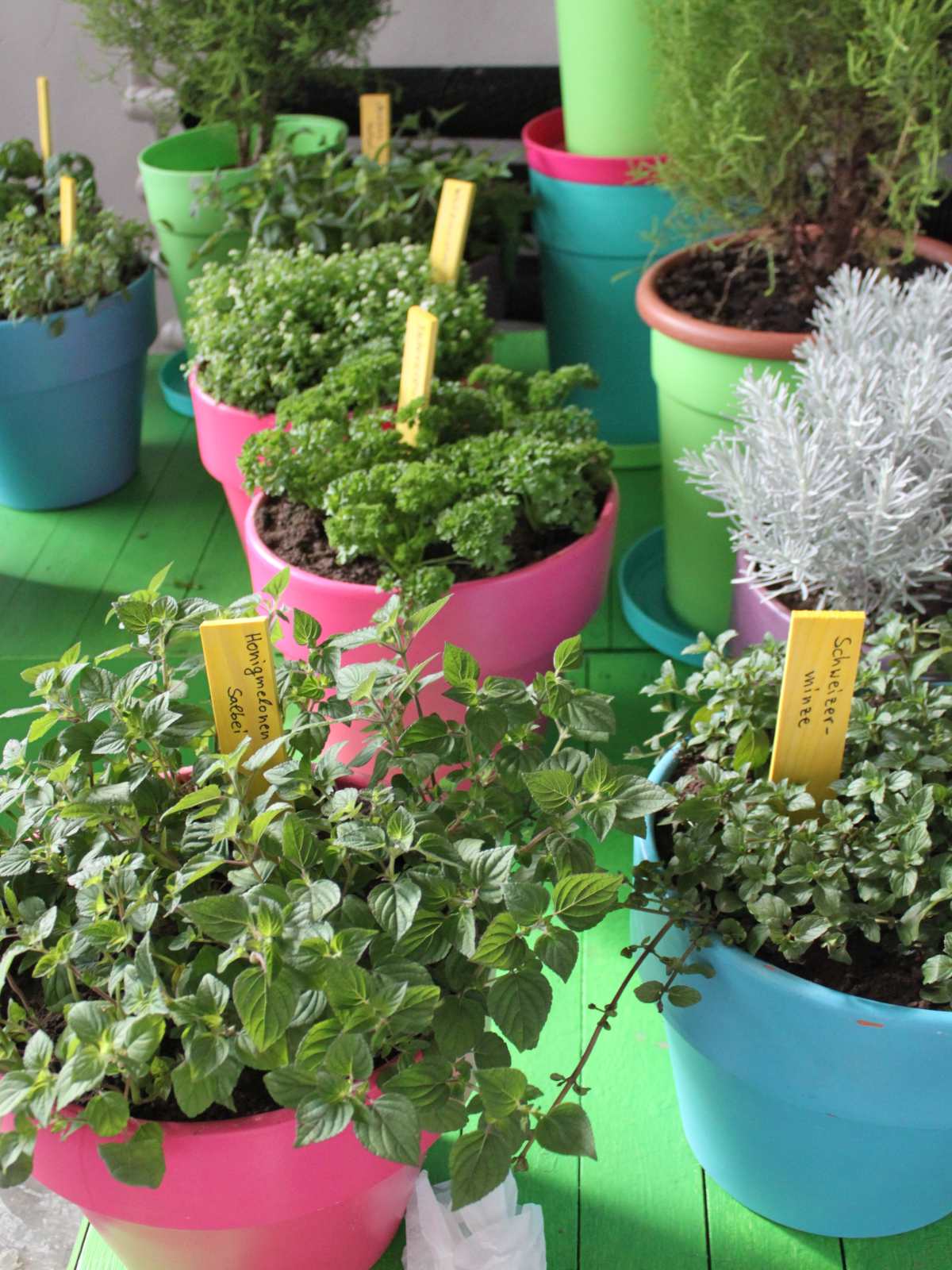
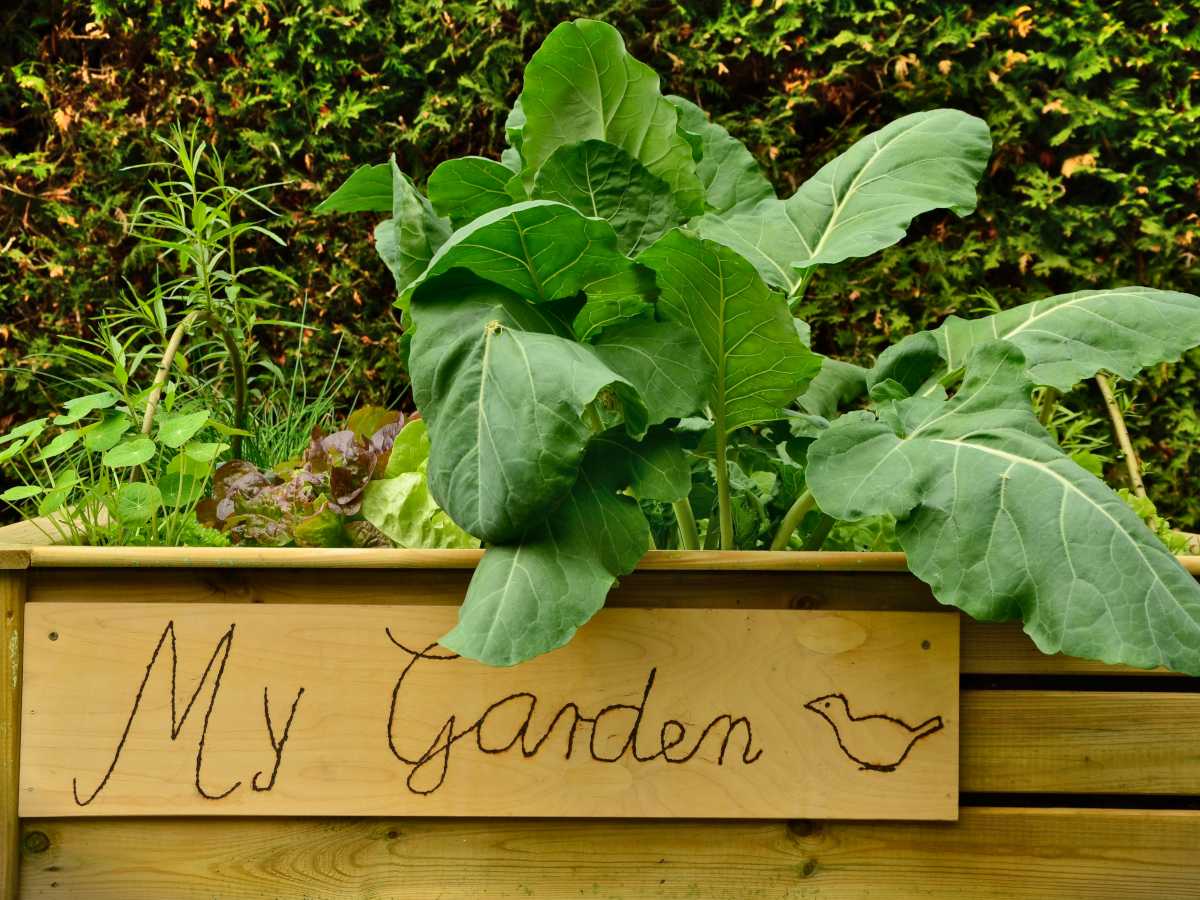
Chives with the taste of young onion, basil pinched back to keep it branching, mint that quickly turns invasive if you let it: ten kitchen herbs that squeeze into any nook and cranny of the vegetable patch, flower bed or garden box. Give most of them sun and soil that drains and they pay you back in the kitchen, and even help control pests.
Most of these herbs ask for sun and a soil that drains, but a few break the rule. Use this table to match each herb to the spot you have and to the way you plan to increase your stock.
The 10 basic herbs at a glance
Herb
Sun or shade
Soil it prefers
How to propagate
Dill
Lots of sun
Well drained
Seeds
Basil
Sun and heat
Fertile and light
Sow late winter to early spring, plant out late spring
Chives
Cool conditions
Fertile, cool, draining
Seeds or clump division
Coriander
Shade it from summer heat
Sown straight into the ground
Seeds sown in place
Tarragon
Open ground, cut back in autumn
Humus-rich and acidic
Seeds or clump division
Parsley
Sun or shade
Well-drained and fertile
Seeds
Thyme
Sun
Well-drained
Seeds or summer cuttings
Mint
Favours shade
Best confined to a pot
Clump division
Rosemary
Sun
Dry soil
Summer cuttings or seed
Sage
Copes with chalk
Chalky soil
Seeds or layering
Read on for the detail on each one, from sowing dates to when to cut back.
Dill
It is delicious with sauerkraut or salmon! Dill needs well drained soil and lots of sun. It propagates through seeds.
Sow dill straight where it is to grow, as its taproot resents being moved and transplanted seedlings tend to bolt.
Harvest the feathery, aniseed-flavoured leaves of fennel (Foeniculum vulgare) before the flower heads open, because once the plant bolts it diverts energy into flowering and seed and produces fewer tender leaves.
Let a few dill heads ripen to seed for pickling jars; dill self-sows readily, so any seed heads you leave standing will likely scatter volunteer seedlings around the bed next season.
Basil
Basil wants fertile, light soil, sun and heat
Sow basil in a sheltered place in late winter to early spring, transplant directly in the ground late spring.
Basil holds fertile and light soil dear along with sun and heat.
Snip the tip off stems for it to branch out and avoid bolting.
Keep leaves in olive oil to savor their fresh taste during the winter.
Basil is a frost-tender annual, and a single cold night is enough to blacken the leaves, so hold plants back until nights turn mild.
Water at the base in the morning and keep the foliage dry, because leaves left damp overnight invite grey mould and downy mildew.
Cold blackens cut basil, so keep picked stems out of the fridge.
For fast-bolting annual crops such as lettuce, rocket and coriander, sow a fresh batch every few weeks, since leaf quality and yield usually decline once the plants start to flower.
Chives
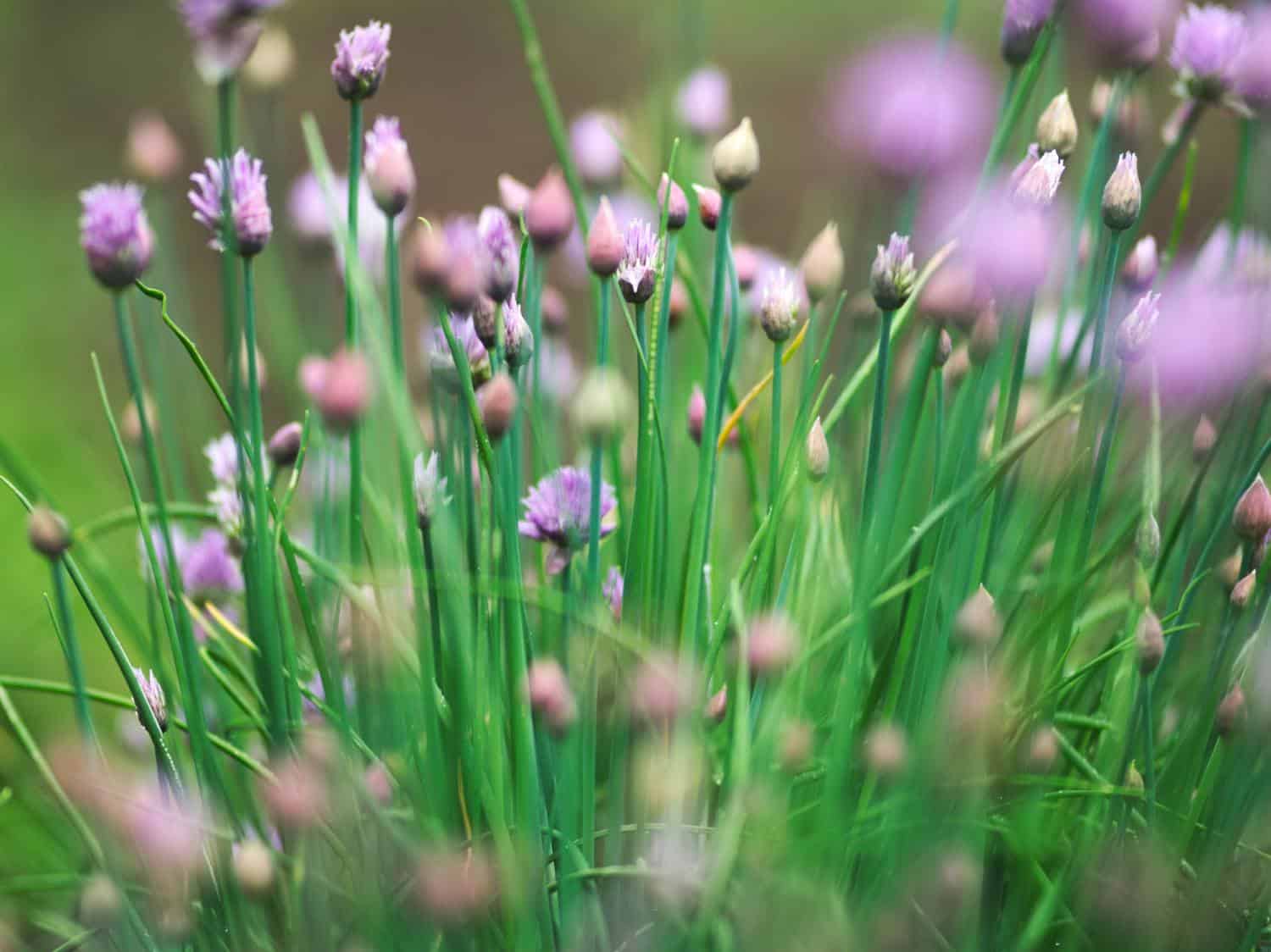
Its taste of young onion is irresistible! Chives prosper in fertile, cool and draining soil. It propagates through seeds and clump division.
For many leafy herbs and greens, you can harvest by snipping individual whole leavesnear the base, though some crops—mesclun, cut-and-come-again lettuce, chives, basil—are routinely sheared or tip-pinched instead.
Cutting tired, post-flowering clumps of hardy geraniums, pulmonarias or Alchemilla mollis back to a few centimetres above the soil, then watering well, usually prompts a fresh flush of tender new leaves.
Chives (Allium schoenoprasum) produce mauve pompom flowers that are edible, and pinching off the flower buds keeps the plant’s hollow leaves tender and mild for longer into the season.
Chives are herbaceous perennials that regrow each spring from the same clump; in colder areas their foliagedies back completely over winter, so mark the spot before you fork over the bed.
Coriander
Coriander provides an oriental touch of flavor to vegetable and meat dishes and mixed salads, too. Sow it directly in the ground. In summer, water it and protect it from the sun’s heat so the plant won’t go to seed.
Coriander resents being moved because of its long taproot, so thin the seedlings in place rather than transplanting them.
For cut-and-come-again leafy crops such as loose-leaf lettuce, chard, kale and spinach, pick the outer leaves at the base and leave the central growing point intact so the plant keeps producing.
Once flower stems appear the leaves turn feathery and lose their flavour, so let those plants ripen and dry their round seeds for use as a spice.
Tarragon
Delicious with barbecues and fish, tarragon thrives in humus-rich and acidic soil. It reproduces through seeds or clump division. Cut the branches back to the base in fall.
French tarragon rarely sets viable seed, so start from a bought plant or a divided clump rather than a seed packet.
Tarragon raised from seed is almost always the Russian type, taller and coarser with a much blander flavour.
Clump-forming herbs such as chives, mint and oregano benefit from lifting and dividingevery few years, since congested older clumps often die out in the centre and grow less vigorously.
Tarragon loses much of its aniseed aroma when dried, though some flavour remains, so freezing the chopped leaves is generally the better way to preserve its distinctive scent for cooking.
Parsley
Cooked and raw are the ways it is used in the kitchen. Just as happy in the sun as in the shade, parsley loves well-drained and fertile ground. The curly variety is particularly lush and beautiful.
Parsley forms a long taproot, so it is often sown where it is to grow, though young plants raised in plugs or modulestransplant successfully if moved before the root is disturbed.
Parsley germinates slowly, often taking two to three weeks, so keep the seedbed damp until the seedlings show and resist resowing over it too soon.
With crops like Swiss chard, celery, and kale, cutting the outer stalks at the base while leaving the central growing point intact lets the plant keep producing fresh leaves for repeated harvests.
Parsley is biennial: once it throws up a flower stem the leaves turn bitter, so keep a younger batch coming on to replace it.
Thyme
Thyme appreciates sun and well-drained soil. Grow two to three plants to cover the needs of four people. It reproduces through seeds or cuttings prepared in summer. Cut it back in winter.
Thyme is generally cold-hardy but vulnerable to winter wet, so gardeners are widely advised to grow it in free-draining, gritty soil, since poor drainage is a commonly cited cause of losses.
When you trim, always cut into leafy growth: thyme seldom sprouts again from bare old wood.
For many culinary herbs such as thyme, oregano and mint, gardeners commonly cut sprigs just before the flower buds open, though the timing of peak aroma varies by species.
Mint
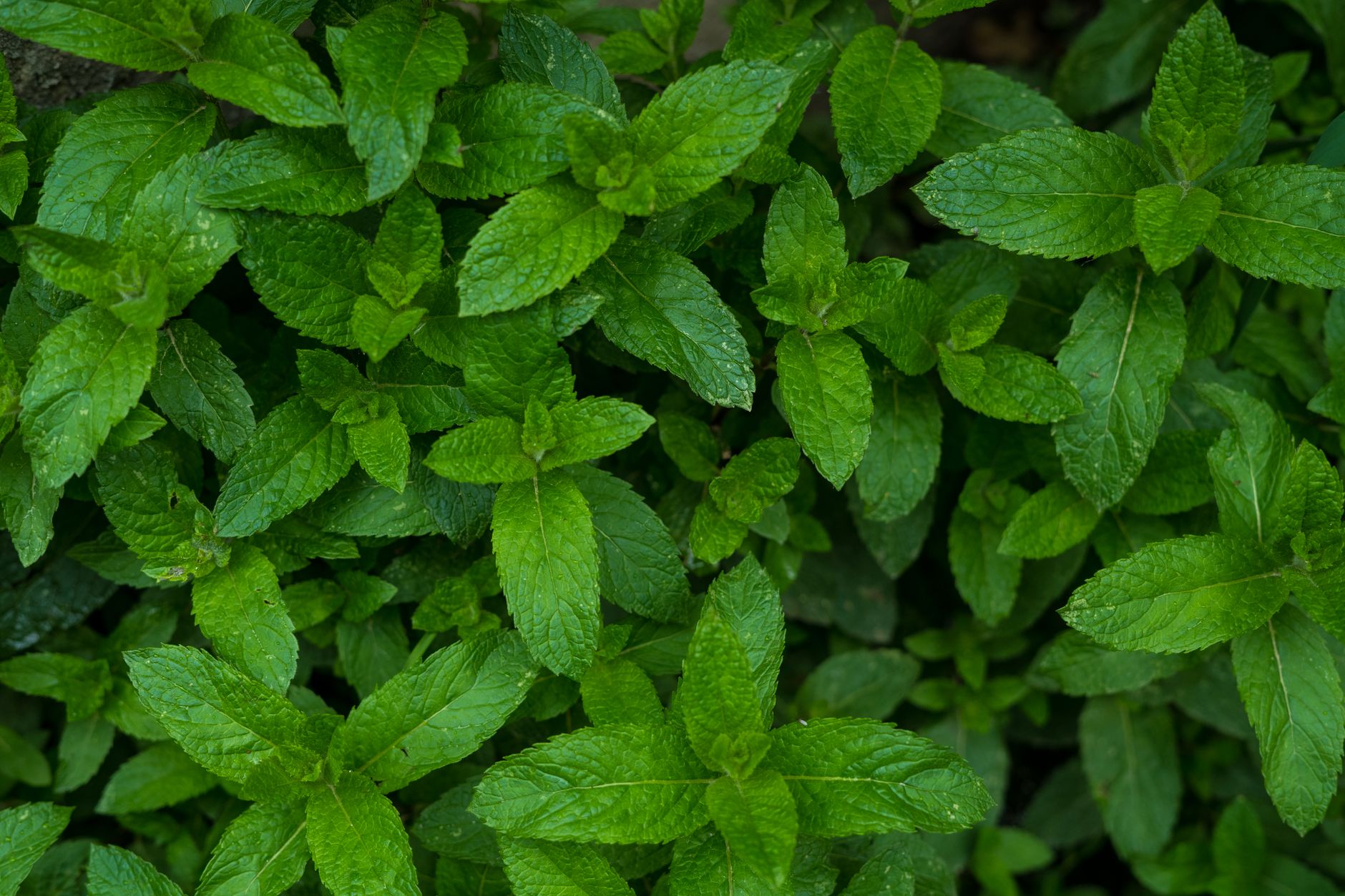
Mint turns invasive, so pot it up
Mint is the only spice together with lemon balm and chervil that favors shade: all others need lots of sun! Note that mint can quickly turn invasive. If you haven’t much space, best grow it in a pot. It propagates through clump division.
Mint spreads by runners just under the surface, so stand its pot on a slab rather than directly on soil where roots can escape through the drainage holes.
Pinch out mint’s flower spikes as they form to keep the plant bushy and leafy, since flowering diverts energy into seed production, though claims that blooming ruins the leaves’ flavour remain disputed.
Mint prefers soil that stays consistently damp, so water its pots more often than those holding drought-tolerant Mediterranean herbs such as rosemary, thyme, sage, or oregano, which prefer drying out between waterings.
Rosemary
Perfect for seasoning grilled food, marinades and tomato sauces, rosemary requires sun and cherishes dry soil. It reproduces through cuttings prepared in summer or through seed.
Rosemary keeps its leaves all year, so you can pick sprigs whenever a dish needs them.
Winter wet kills far more rosemary than cold does, so work grit into heavy ground or plant on a slope or raised bed.
Rosemary grows into a woody shrub rather than a clump, so give it room to spread — often around a metre, though the space needed varies considerably between upright and trailing cultivars.
Sage
Sage, thyme and mint help repel cabbage moths
Very useful in sauces and herbal tea, sage copes well with chalky soil.
It propagates through seeds and layering and must be cut back at the end of winter.
When cutting back, stop above a pair of healthy leaves rather than sawing into the bare old wood, as sage rarely reshoots from leafless stems.
Sage dislikes winter wet far more than cold, so give it a raised bed, a slope or a gritty mix if your ground stays soggy.
A common gardening rule of thumb is to harvest herb leaves just before the flowers open, though the point of peak essential-oil content actually varies from species to species.
Smart tip about planting herbs
Not only will you savor tasty meals, many herbs also help control pests, too!
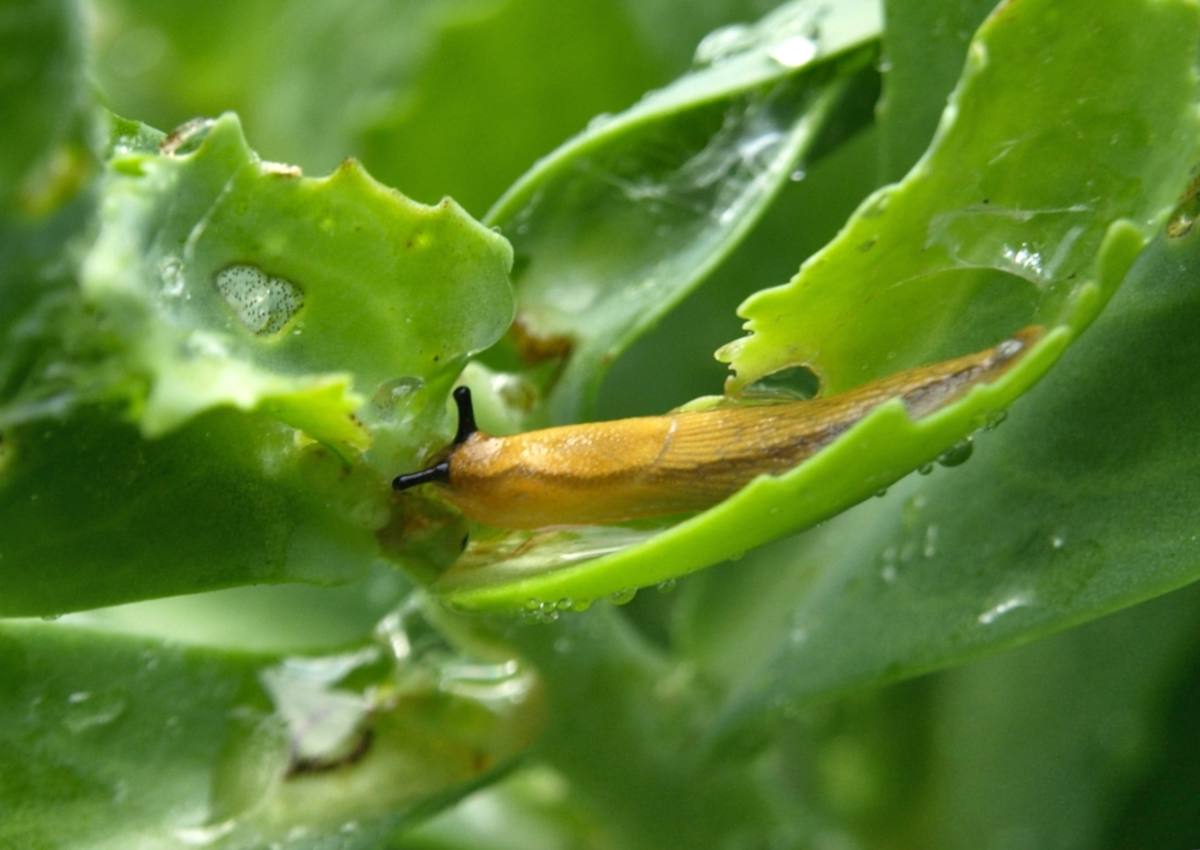
For instance, sage, thyme and mint all help repel large white, a cabbage moth that wrecks havoc in the vegetable patch!
Images: Pixabay: Cornelia Gerhardt, Conny, Sir Green
🌿 Nature & Garden Newsletter
Gardening tips, recipes & seasonal advice, twice a week.