Home » Health » Lemon: how to use the juice, peel and zest at home
Lemon: how to use the juice, peel and zest at home
·
0
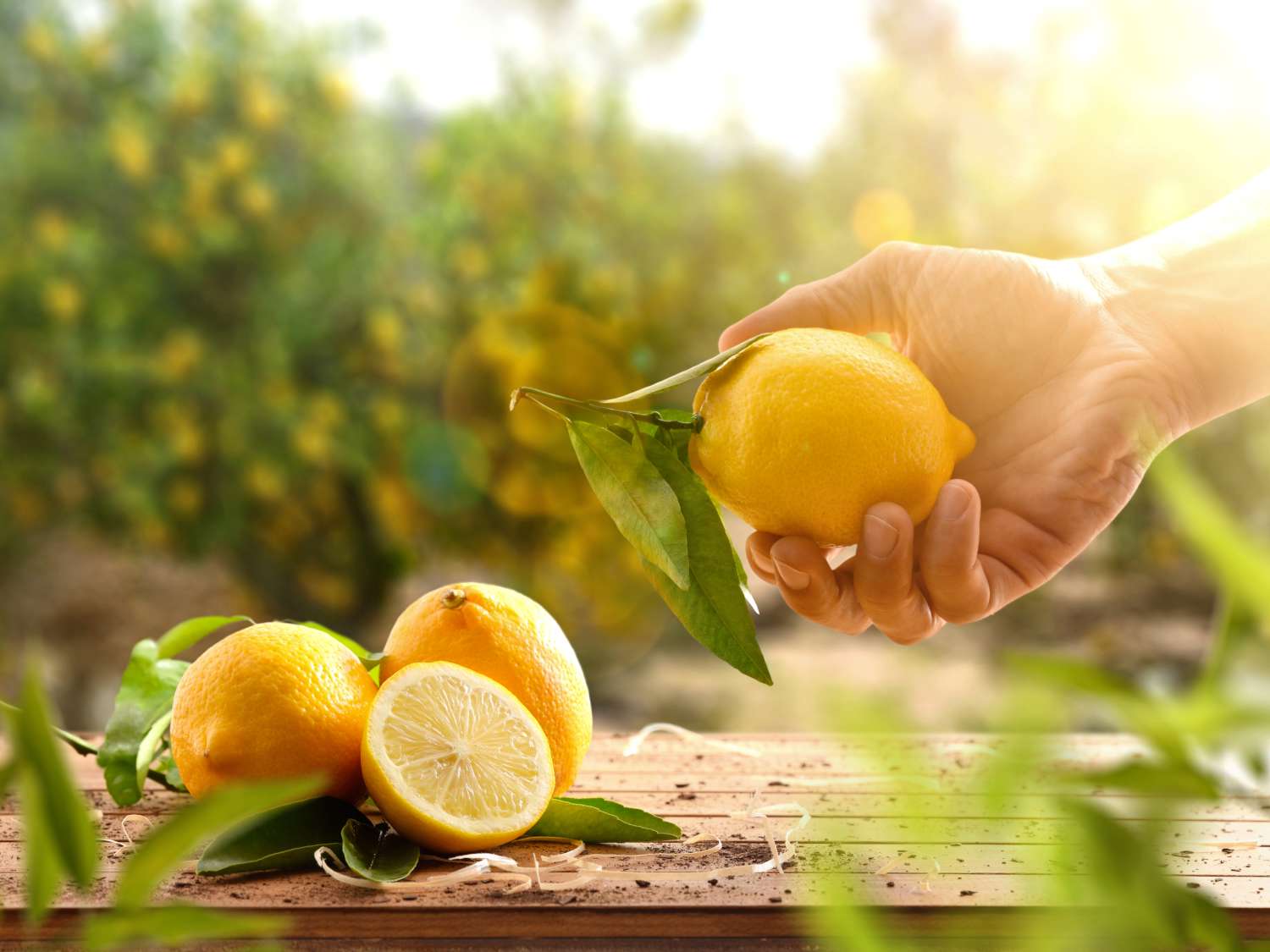
Lemon is the fruit of Citrus limon, a small evergreen tree from the Rutaceae family. This page is for anyone with a few lemons on the kitchen counter and no idea what to do with them beyond a slice in water: hot juice with honey, peel infusions, homemade lemonade, a last hair rinse. What each form tastes like, and when to leave it alone.
Lemon at a glance
Item
Detail
Botanical name
Citrus limon (syn. Citrus limonium)
Family
Rutaceae
Parts used
Juice, fresh or dried peel and zest, leaves
Forms of use
Fresh juice, hot juice with honey, cold macerated lemonade, peel or leaf infusion, culinary use, external rinses
Harvest season
Trees flower several times over, so fruit forms almost year-round; the heaviest picking runs late autumn to late winter
Taste
Sharply sour juice, aromatic and slightly bitter peel, resinous leaves
Juice, peel and zest: three different ingredients from one fruit
What it is credited with
Naturopathy treats lemon as a tonic fruit for tiredness, valuing its vitamin C and mineral content in the duller half of the year.
Herbalists have long recommended hot lemon juice with honey as a comforting drink through the coughing and sniffling of winter.
Traditional home remedies used cold lemon drinks as a refreshing choice during feverish spells and in hot weather.
Naturopathy credits lemon with a mild diuretic effect, and traditional herbalism used the juice in this way to ease stiff, aching joints.
The morning glass of lemon juice in warm water before breakfast has a firm reputation in naturopathy as a liver and digestion tonic.
It is traditionally taken for everyday digestive grumbles — heaviness, bloating, a queasy stomach.
Fresh or dried peel is credited with tonic, appetite-rousing properties, which is why it turns up in so many bitter aperitifs.
Folk cosmetic tradition uses the juice and peel as an astringent for oily skin, enlarged pores and blemishes.
A diluted juice rinse has an old reputation among home hairdressers for leaving hair shiny and soft.
The leaves are described in herbal tradition as antispasmodic, astringent and calming.
Because lemon is low in calories and rich in flavour, dietitians in the naturopathic tradition favour it as a seasoning that replaces salt, sugar and fat.
How to use it
Warm morning glass
Squeeze half a lemon into a large glass of warm — not boiling — water.
Drink it on an empty stomach, before breakfast.
Taste: bracingly sour and clean. A teaspoon of honey softens it.
Traditionally taken as a short course of a week or two, then paused, rather than endlessly.
Rinse your mouth with plain water afterwards and wait half an hour before brushing.
Hot juice and honey
Juice of one lemon, a cup of hot water, one spoonful of honey.
Sip slowly, in the evening, one or two cups a day for a few days.
Taste: sweet-sour and soothing, the classic winter nightcap.
Cold macerated lemonade
Slice two lemons, peel and all, into 1 quart (1 litre) of cold water.
Add a little sugar, stir, and leave to macerate a few hours in the fridge.
Strain if you dislike the bitterness the peel gives. Drink within two days.
Taste: lighter and more fragrant than squeezed lemonade, with a faint bitter edge.
Peel and leaf infusion
Use the peel of one untreated lemon, pared thinly with no white pith, per cup.
Pour on water just off the boil, cover, and infuse 8 to 10 minutes.
Dried peel works equally well; leaves need the same timing and give a greener, resinous cup.
Taste: aromatic, gently bitter. Good after a heavy meal.
External and cosmetic use
Hair: juice of one lemon in a jug of water, poured over as the final rinse after shampoo.
Oily skin: juice diluted with mineral water, dabbed on with cotton wool, then rinsed off.
Do this in the evening, never before going out into the sun.
In the kitchen
Juice replaces vinegar in salad dressing, and lifts cakes, mousses, pies and jams.
Zest goes into marinades, roast vegetables and butter sauces for fish.
Salt-preserved lemons are unavoidable in lamb or chicken tagine.
Which form of lemon for what
Form
How to prepare it
Traditionally used for
Fresh juice in warm water
Half a lemon in a glass of warm water, before breakfast
Naturopathy’s liver and digestion tonic
Hot juice with honey
One lemon, a cup of hot water, a spoon of honey
The herbalists’ comforting winter drink
Cold macerated lemonade
Two sliced lemons and a little sugar in 1 quart (1 litre) water, a few hours
A refreshing drink in hot or feverish weather
Peel or leaf infusion
Thin peel or a few leaves, 8 to 10 minutes covered
Tonic, appetite-rousing, after-dinner cup
Diluted juice, external
Juice thinned with water, as a rinse or dab
Shine for hair, astringent for oily skin
Frequently Asked Questions
The one thing to remember: dilute the juice, use only untreated fruit if you want the peel, and rinse your mouth afterwards.
Is lemon in warm water in the morning worth doing?
Naturopathy has long credited that glass with tonic and digestive virtues, and plenty of people simply enjoy the ritual. Use half a lemon in a large glass of warm water, not boiling. Treat it as a short course of a week or two rather than a permanent habit, and rinse your mouth with plain water afterwards to protect your enamel.
Can I use the peel of any lemon?
No. Peel and zest concentrate whatever was sprayed or waxed onto the fruit, so only untreated, unwaxed lemons belong in an infusion or a lemonade. Pare the peel thinly, leaving the white pith behind, and either use it fresh or dry it for the jar.
How do I make lemonade without a machine?
Slice two lemons with their peels, drop them into 1 quart (1 litre) of cold water with a little sugar, and leave to macerate for a few hours in the fridge. Strain it if the peel has made it too bitter for you. It keeps two days and tastes more fragrant than juice alone.
Will lemon juice really make my hair shinier?
It has an old reputation for it among home hairdressers. Add the juice of one lemon to a jug of water and pour it over as the very last rinse after shampooing. Keep it out of your eyes, and be aware that repeated use in strong sunlight can lighten hair colour.
When are lemons picked?
Lemon trees flower several times over rather than once, so fruit is forming almost all year. The heaviest picking still falls between late autumn and late winter, which is exactly when the hot juice and honey cup comes into its own.
This information is provided for general interest and reflects the traditional use of plants. It is not a substitute for medical advice. If you are on medication, pregnant, or in any doubt, ask a healthcare professional.
Written by Gaspard Lorthiois | Loves helping out, especially when it comes to growing things. Worked in herbal medicine, runs a farm, and dabbles in tech. Master's degree and engineer.