Home » Health » Skullcap (Scutellaria lateriflora): traditional uses, infusions and what to watch for
Skullcap (Scutellaria lateriflora): traditional uses, infusions and what to watch for
·
0
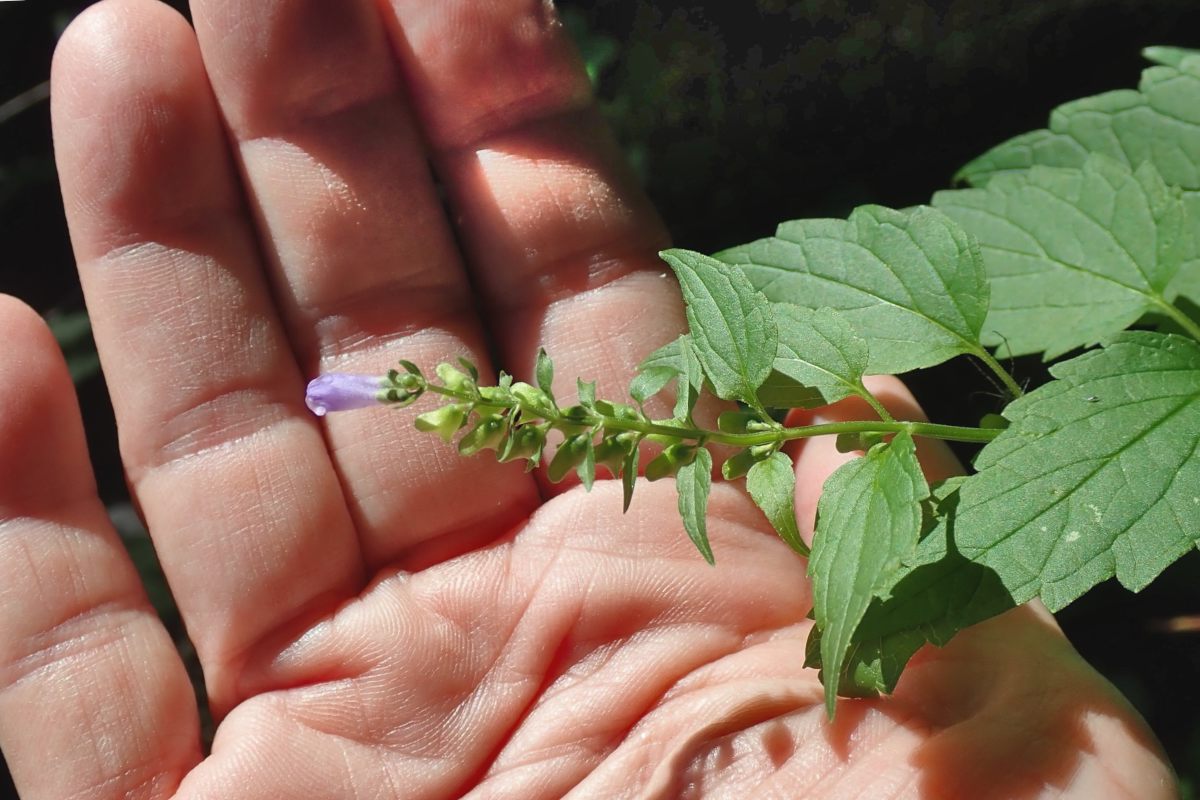
Blue skullcap, also called mad-dog skullcap, is a North American mint-family perennial with small violet flowers lined up along one side of the stem. Herbalists use the dried leafy tops as a calming evening tea. This page covers which part to pick, how to infuse it, what it tastes like, and the one buying mistake that really matters.
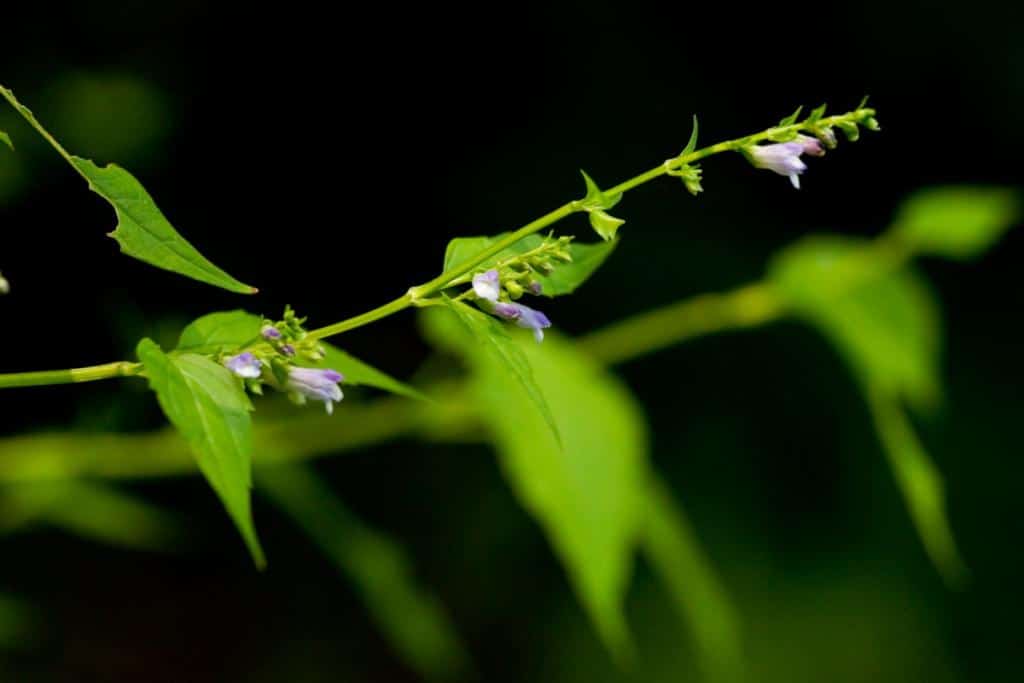
Violet flowers lined up along one side of the stem
Blue skullcap at a glance
Item
Detail
Botanical name
Scutellaria lateriflora
Other names
Blue skullcap, mad-dog skullcap, side-flowering skullcap
Family
Lamiaceae
Origin
North America; now grown by herb growers in Europe and elsewhere
Part used
Aerial parts — leaves, flowering tops and thin stems, usually from plants two or three years old
Forms of use
Infusion of the dried herb, tincture of the fresh herb, capsules of powdered herb
Harvest season
At flowering, midsummer to late summer
Taste
Bitter, grassy and slightly astringent; mint-family aroma without the sweetness
What it is credited with
Native American practice used the leafy tops as a sedative, a soothing agent and a nerve tonic.
American herbalists of the late 18th century built their preparations around it for restlessness and poor sleep; the old common name “mad-dog skullcap” dates from that period and reflects reputations the plant no longer carries.
Traditional Western herbalism gave it a place for functional complaints of the nervous system, including twitchy, fidgety states.
Modern herbalists reach for it mainly as a relaxing herb for people who feel wound up in the evening.
Naturopathy credits the infusion with a gently muscle-relaxing quality, which is why it is often taken after a tense day rather than in the morning.
Herbal tradition also associates it with uncomfortable days of the monthly cycle, where a relaxing tea is welcome.
It has a long-standing reputation as a partner herb: it is traditionally blended rather than taken alone.
How to use it
The evening infusion
Bring a mugful of water (about 250 ml) to the boil, then take it off the heat.
Add one level tablespoon of dried aerial parts — leaves, and flowers or stem if that is what you have.
Cover and steep for ten minutes, then strain carefully through a fine sieve.
Let it cool to drinkable warmth. It is frankly bitter: a spoonful of honey, or a pinch of dried lemon balm or mint in the pot, makes it much easier.
Traditionally taken in the late afternoon or in the hour before bed rather than spread through the day.
Herbalists usually keep to a short course — two or three weeks — then take a break rather than drinking it continuously.
Tincture
Many herbalists prefer a tincture made from the fresh plant, on the grounds that the aromatic character fades with drying.
Pack chopped fresh flowering tops loosely into a jar, cover completely with drinking alcohol, seal, and keep in the dark for about three weeks, shaking now and then.
Strain into a dropper bottle. Take it diluted in a little water, and follow the dosage on the label of a commercial product.
Capsules and blends
Powdered herb in capsules is the simplest form if the bitterness puts you off. Follow the manufacturer’s instructions — nothing on this page replaces them.
Skullcap is traditionally combined with passion flower, hops and either valerian or devil’s beard in evening tea blends.
Forms of skullcap compared
Form
How it is prepared
Traditional purpose
Infusion
One tablespoon dried aerial parts per mug of just-boiled water, covered, ten minutes
The everyday relaxing evening drink
Tincture
Fresh flowering tops macerated in alcohol for about three weeks, then strained
Concentrated and portable; taken diluted in water
Capsules
Dried herb powdered and encapsulated commercially
For those who cannot get past the bitter taste
Tea blend
Skullcap with passion flower, hops, valerian or lemon balm
The traditional “wind-down” mix, and far more palatable
Leafy tops at flowering, the part herbalists harvest
Frequently Asked Questions
The one thing to remember: buy skullcap only from a supplier who names Scutellaria lateriflora on the label, and drink it as a simple evening infusion.
Which part of the plant do I use?
The aerial parts — leaves, flowering tops and thin stems. Herb growers generally harvest plants in their second or third year, at flowering, from midsummer to late summer. The roots of blue skullcap are not the part used in this tradition.
What does skullcap tea taste like?
Bitter, grassy and a little astringent, with a faint mint-family aroma and none of the sweetness. Most people blend it with lemon balm, mint or honey. Tea blends with passion flower, hops or valerian are the traditional way to make it pleasant.
Is blue skullcap the same as Chinese skullcap?
No. Blue skullcap is Scutellaria lateriflora from North America and it is the leafy tops that are used. Chinese skullcap is Scutellaria baicalensis, a different species used in Traditional Chinese Medicine, and there it is the root that is prepared.
Why do people warn about buying skullcap?
Because it looks a great deal like wall germander, Teucrium chamaedrys, a plant that is dangerous to health, and cheap products have been adulterated with it. Serious cases of toxic hepatitis have come from such adulterated goods. Buy named, traceable herb from a supplier you trust.
When should I drink it?
Tradition puts it in the late afternoon or the hour before bed, because it may cause drowsiness. Herbalists tend to use it in short courses of two or three weeks rather than continuously, and never before driving.
This information is provided for general interest and reflects the traditional use of plants. It is not a substitute for medical advice. If you are on medication, pregnant, or in any doubt, ask a healthcare professional.
Written by Gaspard Lorthiois | Loves helping out, especially when it comes to growing things. Worked in herbal medicine, runs a farm, and dabbles in tech. Master's degree and engineer.