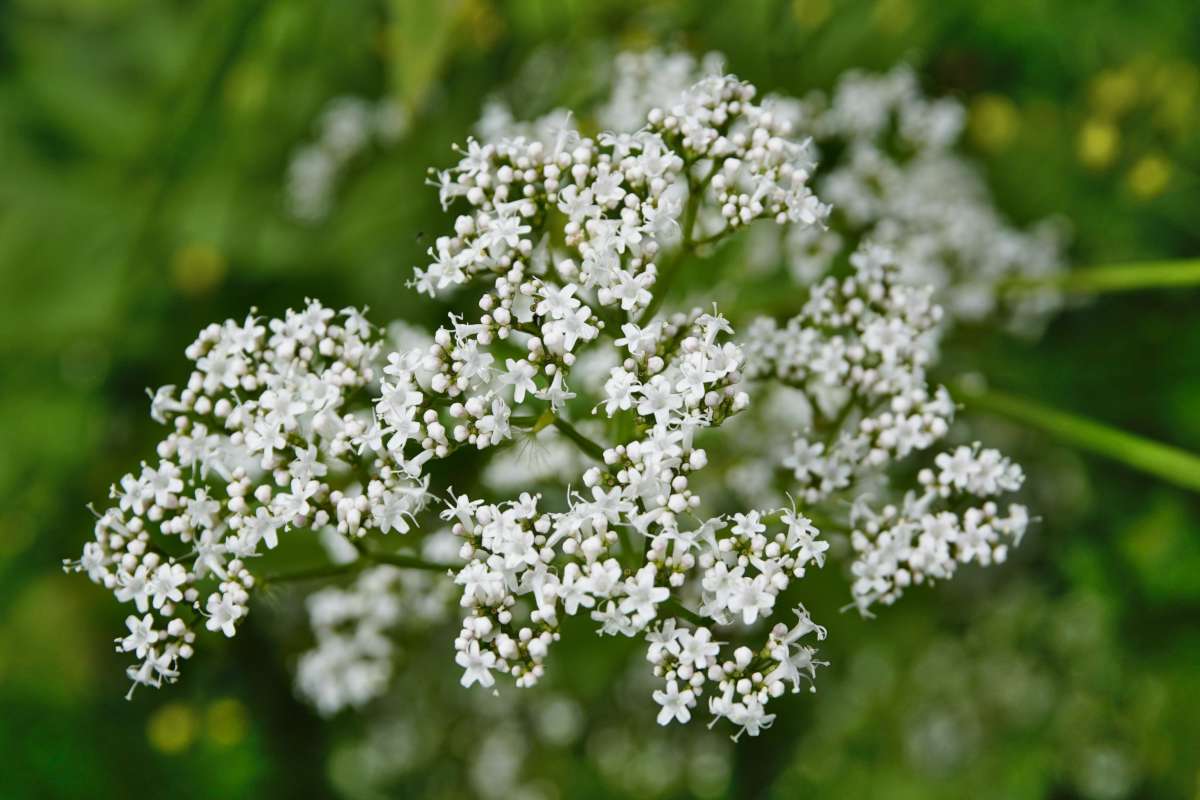
Scapes of two to three feet carry clouds of tiny pink-to-red flowers from late spring to early autumn, above foliage with a scent cats find irresistible. Medicinal valerian (Valeriana officinalis) is grown above all for its roots, long used for their sedative properties. Give it full sun and ordinary soil and it asks for nothing, not even watering.
| Name | Valeriana officinalis |
|---|---|
| Family | Caprifoliaceae (honeysuckle family), into which the Valerianaceae family was merged |
| Type | Perennial |
| Height | 24 to 32 inches (60 to 80 cm) |
| Exposure | Full sun |
| Soil | Ordinary |
| Flowering | late spring to early autumn |
Its beautiful blooming also attracts other animals to your garden: bees.
Fall is the recommended planting season for medicinal valerian. Plant them at a distance of 12 inches (30 cm) from each other.
You may also plant in spring specimens purchased in containers or nursery pots as long as you water a bit more at the beginning.
Since cats are drawn to valerian and late spring roll on or dig up new plants, you can shield freshly planted clumps with twiggy prunings, netting or a wire cloche until they establish.
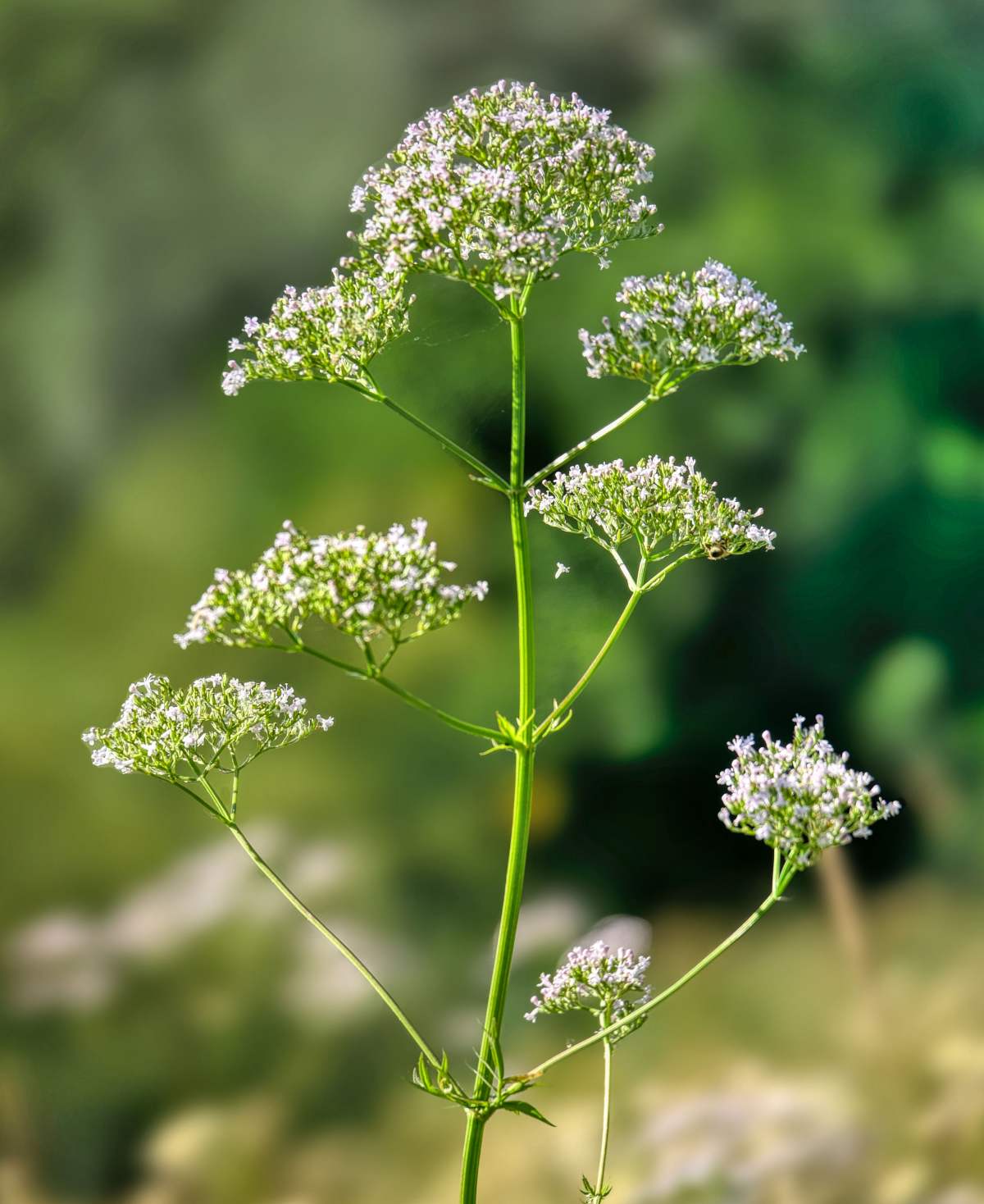
Cut wilting flowers off as they die off. The plant propagates very easily through seeds, so if you want to limit its spread, diligently remove wilted flowers before seeds mature.
Valerian won’t turn into a woody shrub, so there’s no pruning as such to consider. Every spring, new shoots will appear from either the root crown or the base of the plant.
Seedlings that escape deadheading are generally easiest to remove while young and shallow-rooted, and in species that form a taproot, pulling them before that root thickens and anchors makes removal easier.
There are about 200 species of valerian.
Here are a few valerian species of notable interest:
> Still more varieties are Valeriana dioica, Valeriana tuberosa, Valeriana montana…
Of the roughly 200 species of valerian, three turn up regularly in gardens and in herbalism. They differ in scent, in root, and in whether they are grown to look at or to use.
| Species | Also called | Distinguishing feature | Grown for |
|---|---|---|---|
| Valeriana officinalis | Medicinal valerian, catgrass | Very fragrant; the smell attracts cats | Roots used in pharmaceutical preparations |
| Valeriana phu | Greater valerian, phu valerian | More extensive roots, weaker fragrance | Ornament only; no longer used in medicine |
| Centranthus ruber | Red valerian, red centranthus | High levels of valepotriates | Ornamental use, with the same therapeutic effects |
Valeriana dioica, Valeriana tuberosa and Valeriana montana are further species worth knowing.
Not to be mistaken for the garden valerian, Centranthus ruber, medicinal valerian is a herbaceous plant that is also called catgrass.
Medicinal valerian is remarkably easy to grow and it adapts amazingly to any type of soil.
On top of this, it doesn’t require any watering.
Its flowers range in hue from pink to red and will match rocky backgrounds, flower beds as well as pot arrangements or garden boxes.
It is definitely one of the “herbs of old” that our grandmothers knew of, and is a great component of wild gardens.
The roots of medicinal valerian are used in many pharmaceutical preparations.
Medicinal valerian roots seem to have sedative properties. They soothe nervous contractures and insomnia, neurosis or hysteria.
Important note: Valerian is the type species of the Valeriana family. A compound present in all of these plants, valproic acid, acts as a soothing agent.
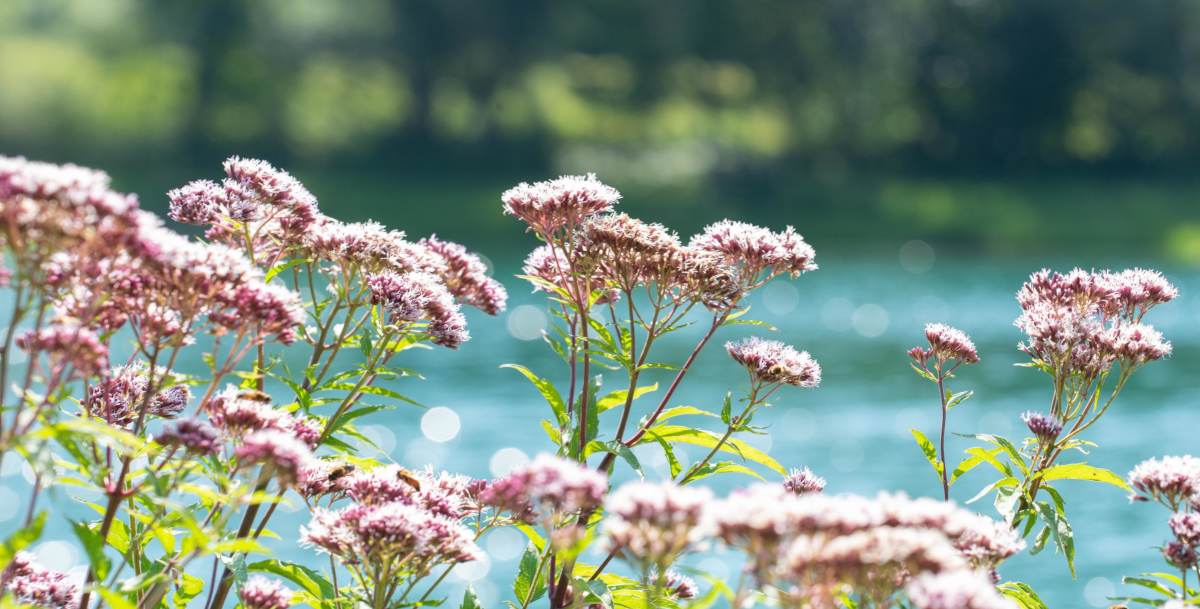
Ingesting it during pregnancy (especially the first trimester) resulted in more birth defects (from 1 to 2% more) in the children. Symptoms include spina bifida, polydactyly (extra fingers/toes), atrial septal defect (hole in the heart), hypospadias (an abnormality in the urethra in boys), craniosynostosis and cleft palate. Do not use this herb if pregnant or if you might soon be!
For a nice ornamental impact, mix the colors.