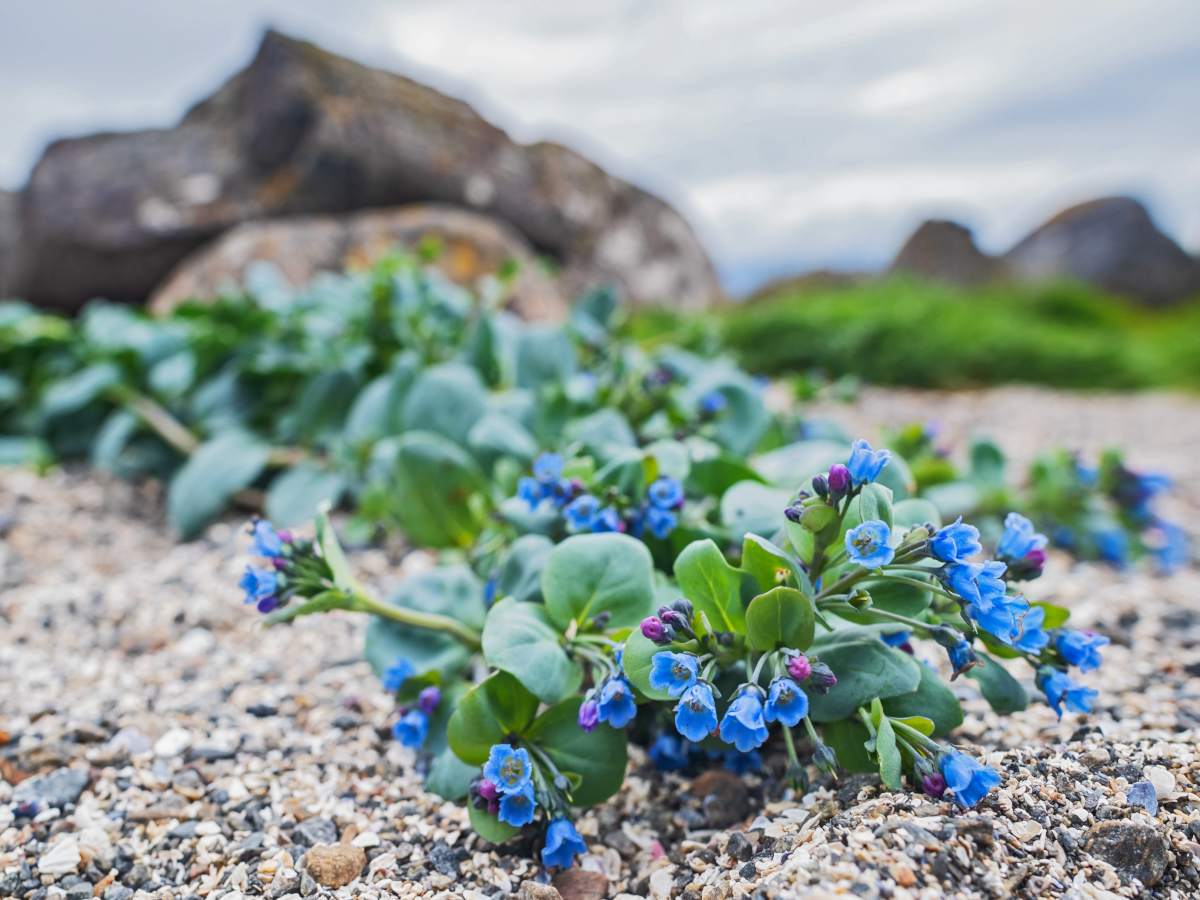
Heliotrope (Heliotropium) forms a bright green bush of large dark blue flowers with a delicious vanilla-like fragrance, best placed beside a terrace where you pass close by. It freezes and dies below 25°F (-4°C), so grow it in pots as you would geraniums; bring them indoors in cold weather and this perennial returns each year.
| Name | Heliotropium |
|---|---|
| Family | Boraginaceae |
| Type | perennial |
| Exposure | full sun |
| Height | 6 to 8 inches (40 to 120 cm) |
| Soil | ordinary, well drained |
| Flowering | late spring to early fall |
It is perfect to adorn your flower beds, garden boxes and pot arrangements. Here is our advice on how to produce magnificent flowers for as long as possible.
Heliotrope loves full sun and fears both cold weather and cool winds.
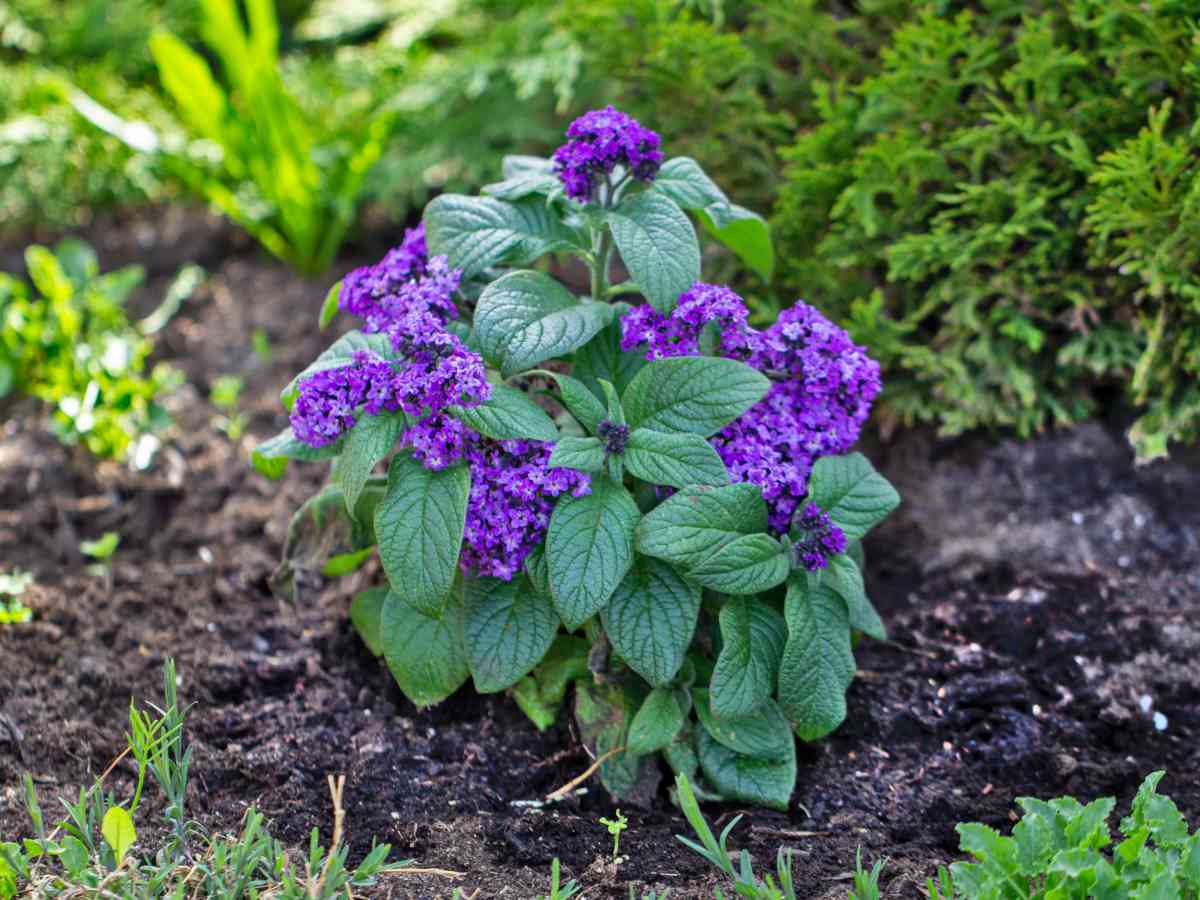
This plant will freeze and die whenever temperatures drop below 25°F (-4°C), so it should be grown in pots much as you would geraniums. This makes it easy to bring it indoors over winter.
Best sow under shelter in March-April.
Transplant once to nursery pots before putting them in place during the month of May.
Garden centres and seed catalogues offer a handful of reliable heliotropes that differ mainly in height, flower colour and the strength of their vanilla scent. Use the table below to match a variety to your pots, beds or window boxes.
| Variety | Flower colour | Height | Habit & best use | Fragrance |
|---|---|---|---|---|
| ‘Chatsworth’ | Bright mauve-purple | 18 to 24 in (45 to 60 cm) | Vigorous; standards and tubs | Very strong |
| ‘Blue Wonder’ | Dark blue-violet | 12 to 16 in (30 to 40 cm) | Neat mound; bedding | Strong |
| ‘Mini Marine’ | Dark purple-blue | 10 to 12 in (25 to 30 cm) | Compact; window boxes | Strong |
| ‘Marine’ | Deep violet-blue | 16 to 18 in (40 to 45 cm) | Bushy; beds and large pots | Strong |
Remove wilted flowers regularly when you see them die off to trigger production of new flowers.
As for watering, it is useful to avoid wetting the leafage and to water during prolonged dry spells.
For pots, shorter intervals between watering sessions are needed because pot soil tends to dry up much faster.
Heliotrope asks for very little, but each job has its moment. Here is what the article recommends, task by task, so you can see at a glance which stage you are at.
| Task | When | Where / how | Key point |
|---|---|---|---|
| Sowing | March-April | Under shelter | Water regularly but not too much, before and after sprouting |
| Transplanting | Before May | Once into nursery pots | Put in place during the month of May |
| Planting nursery-bought plants | Spring, once frost risk has passed | Flower beds, garden boxes, pots | Space plants 16 to 20 inches (30 to 40 cm) apart |
| Removing spent flowers | Throughout the flowering season | As soon as blooms die off | Triggers production of new flowers |
| Watering pots | During growth, more often than in the ground | Container-grown plants | Pot soil dries up much faster, so shorten the intervals |
| Bringing plants under cover | Before temperatures fall below 25°F (-4°C) | Indoors, in pots | Grow it in pots much as you would geraniums |
Follow this sequence and you will keep the display going from late spring right through to early autumn.
This perennial plant, usually grown as an annual, grows to form a bright green bush that bears large dark blue flowers.
It also goes by the name “Saint Fiacre’s herb”, after an Irish saint who was knowledgeable in herbs. It will grow just fine in flower beds, garden boxes and containers.
Place it next to a spot that is often used like a terrace to fully take advantage of its delicious vanilla-like fragrance.
The blooming is abundant and very fragrant, which means these flowers will make for marvelous additions to your cut flower bouquets.