Home » Health » Rosemary: how to use the invigorating kitchen herb
Rosemary: how to use the invigorating kitchen herb
·
0
Rosemary is the sharpest, most resinous herb in the Mediterranean kitchen, and one of the easiest to grow in a pot by the door. This page covers what the plant actually is, which part to pick, how to turn it into an infusion, a bath, a compress or a gargle, what it tastes like, and who should leave it alone.
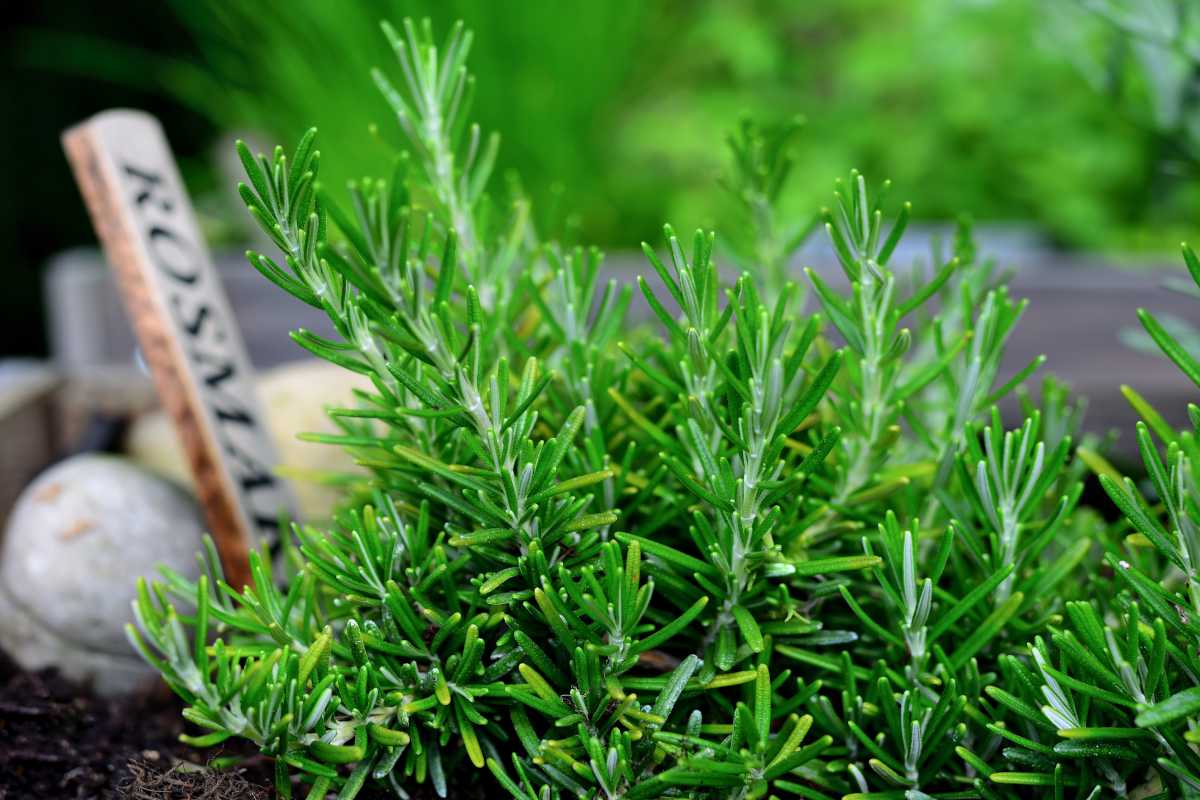
The leafy sprig tips are the part herbalists use
Rosemary at a glance
Item
Detail
Botanical name
Rosmarinus officinalis (also listed as Salvia rosmarinus)
Sprigs all year in mild climates; best flavour just before flowering, from late winter to early spring
Taste
Resinous, camphor-like, faintly bitter, pine and eucalyptus notes
What it is credited with
Herbalists class rosemary among the stimulating, invigorating herbs, and traditionally offer it to people who describe themselves as run-down or foggy.
Naturopathy credits the infusion with supporting alertness and concentration — rosemary has carried a reputation as the herb of memory since antiquity.
In traditional herbalism it is a bitter digestive plant, taken after a heavy or fatty meal to ease that over-full feeling.
Traditional European practice regards it as a liver and gall-bladder tonic, which is why it is so often cooked with rich meats.
It has a long-standing reputation as a mildly diuretic and astringent plant.
Folk medicine used warm rosemary baths to ease stiff, aching joints and to warm cold hands, feet and legs.
Applied as a compress, tradition uses it on minor bumps, swollen joints and sprains.
Used as a gargle, it is a traditional comfort measure for mouth soreness and small mouth irritations.
In winter herbal practice, the steam from a rosemary infusion is a classic way to clear a stuffy head and soften a rattly chest.
The leaves are rich in antioxidant compounds, which is a plain matter of chemistry — hence their industrial use as a natural preservative.
How to use it
Infusion — the everyday form
Use a small sprig of fresh rosemary, or a rounded teaspoon of dried leaves, per cup.
Pour water just off the boil over the herb and cover the cup — the aromatic oils escape with the steam otherwise.
Steep 5 to 10 minutes, then strain.
Traditionally taken in the morning or after a meal. It is not a bedtime herb for most people: many find it too rousing late in the day.
Taste: resinous and slightly bitter. A slice of lemon or a little honey rounds it off.
Customary practice is to drink it in short stretches — a week or two at a time — rather than continuously.
Bath
Simmer a large handful of sprigs in a litre of water for 10 minutes, cover, leave to steep 15 minutes more.
Strain into a warm bath and soak for around 20 minutes.
A morning bath suits rosemary better than an evening one.
Compress
Make a strong infusion, let it cool to comfortable warmth.
Soak a clean cloth, wring it out, apply for 10 to 15 minutes.
Never on broken skin, open wounds or burns.
Gargle
Prepare a normal infusion and let it cool completely.
Swill and gargle, then spit out — do not swallow the gargle liquid.
Traditionally repeated two or three times a day for a few days.
In the kitchen
Rosemary is a backbone herb of Mediterranean cooking: marinades, grilled meat and fish, roast potatoes, stews, soups, bean dishes.
A sunny, well-drained spot keeps a plant productive for years
Frequently Asked Questions
The one thing to remember: a covered cup of rosemary infusion in the morning or after a rich meal is the simplest and safest way to use this plant — save the essential oil for external, diluted use only.
Can I use fresh rosemary from the garden instead of dried?
Yes, and it is arguably better. Use one small leafy sprig per cup where you would use a teaspoon of dried leaves. Pick in the morning once the dew has dried, when the aromatic oils are strongest.
Why does everyone say to cover the cup?
Rosemary’s character lives in its volatile oils, and steam carries them straight out of an open cup. Cover the infusion while it steeps and you keep the aroma in the drink instead of in the kitchen. Five to ten minutes is plenty.
Can I drink rosemary tea in the evening?
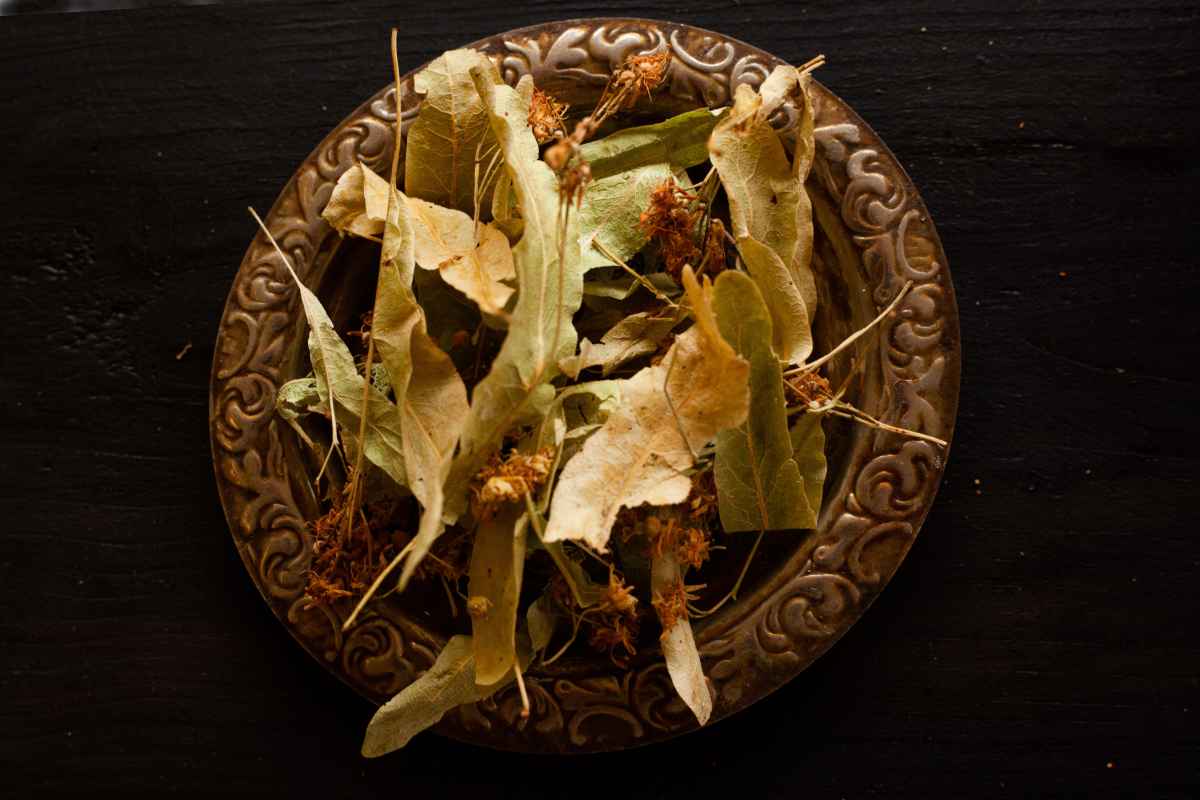
Most people find it too rousing. Herbalists class it among the stimulating plants and traditionally suggest it for the morning or after a meal. If you want an evening herb, chamomile or lime blossom is the usual choice.
Is rosemary essential oil just a stronger version of the tea?
No — it is a different product entirely and far more concentrated. It is for external use, always diluted in a carrier oil, and never swallowed. It is off the table for pregnancy, breastfeeding, young children and anyone with a history of seizures.
How much rosemary is safe in cooking?
Ordinary culinary amounts are considered fine for most people, and rosemary is assertive enough that a single sprig seasons a whole roast. The cautions on this page concern medicinal doses — strong infusions, baths, extracts and the essential oil.
This information is provided for general interest and reflects the traditional use of plants. It is not a substitute for medical advice. If you are on medication, pregnant, or in any doubt, ask a healthcare professional.
Written by Gaspard Lorthiois | Loves helping out, especially when it comes to growing things. Worked in herbal medicine, runs a farm, and dabbles in tech. Master's degree and engineer.