Home » Health » Sweet almond: what it contains, how to use it, and what tradition makes of it
Sweet almond: what it contains, how to use it, and what tradition makes of it
·
0
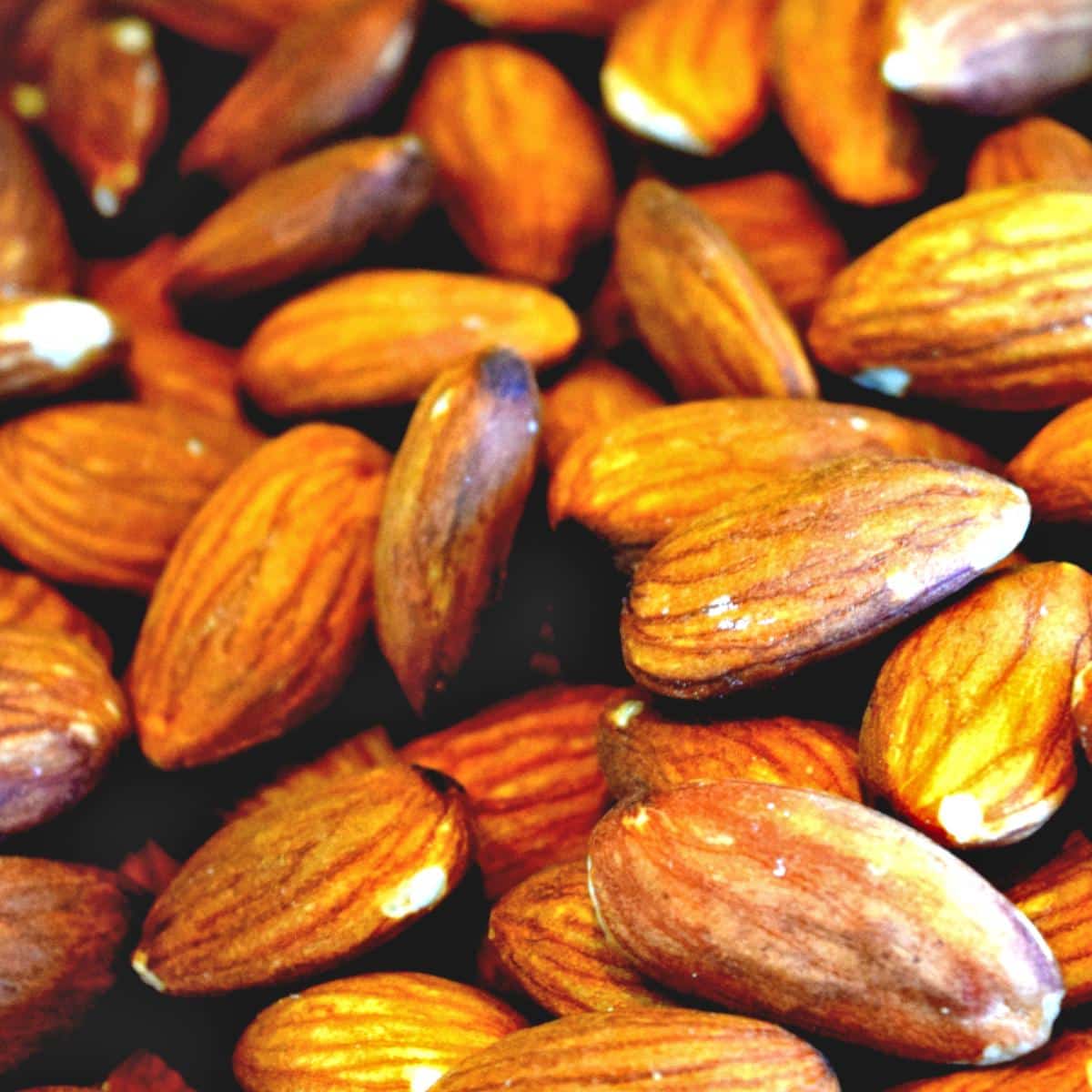
Sweet almond is the kernel of Prunus amygdalus, a Rosaceae tree that flowers in late winter. Eaten whole, ground into powder, pressed into oil or blended into plant milk, it has a long domestic history in the kitchen and on the skin. This page sets out what the nut actually contains, what herbalism and naturopathy credit it with, and how to use it at home.
A nut with a long road behind it
Native to the Middle East, carried to Egypt and then across the Mediterranean by Greek traders.
Grown in France from around 500 BC, and hugely popular in the Middle Ages, mostly as almond milk.
Egyptian bakers worked almonds into bread dough; the oil was already used for massage.
In Ancient Greece almonds were dipped in honey and eaten as they came.
Romans threw almonds over newlyweds as a fertility charm — the ancestor of today’s sugared almonds at weddings.
Sweet almond at a glance
Item
Detail
Botanical name
Prunus amygdalus (sweet variety)
Family
Rosaceae
Part used
Kernel (nut); oil pressed from it; buds in gemmotherapy
Forms of use
Whole or flaked nuts, powder, paste, plant milk, cold-pressed oil
Flowering
Late winter
Harvest season
Late spring to early summer for fresh almonds; early autumn for dried
Taste
Sweet, milky, faintly buttery; fresh almonds are crisp and grassy
Tree height
20 to 30 ft (6 to 9 m)
Fresh almonds, picked from late spring, are the most prized
What it is credited with
Sustained energy. Naturopathy treats sweet almond as a concentrated energy food and recommends a handful during long stretches of physical or mental effort — revision, travel, hard outdoor work.
Appetite and snacking. Its fibre and fat give it a reputation for being filling, and it is traditionally suggested as a mid-afternoon snack in place of sweets.
Digestive comfort. Herbalism has long credited the fibre content with supporting regular transit.
Minerals. Naturopathy values almond as a plant source of calcium and magnesium, and credits magnesium with a steadying effect in periods of stress.
Vitamin E and skin. Traditionally associated with antioxidant support and with keeping skin supple as it ages.
Soothing the skin. Sweet almond oil has an old reputation in herbalism as a softening, calming oil for dry, tight or chapped skin, and for cradle-cap-prone baby skin.
A throat-coating oil. Country herbalism used a spoonful of sweet almond oil as a soothing, coating remedy when the throat felt dry and scratchy.
Gemmotherapy.Almond tree buds are used in bud-based preparations, where practitioners credit them with a supportive role in circulation.
How to use it
As food, every day
Raw and whole: a small handful, roughly 10 to 15 nuts, as a snack. Raw keeps more of the nutrients than roasted.
Soaked: cover with cold water overnight, drain in the morning, slip off the skins. Softer and easier to digest.
Flaked or crushed: scattered over salads, fish, roast meat, crumbles or ice cream for crunch.
Powdered: the base of almond-filled tarts, frangipane and marzipan.
With dried raisins: a classic pairing for an aperitif plate.
Home-made almond milk
Stir 100 g (3.5 oz) of almond powder into 500 ml (½ quart) of water.
Bring to the boil, take off the heat, leave to stand until cool.
Strain through muslin or a fine sieve to remove the residue.
Keep refrigerated and use within two to three days; shake before pouring.
It stands in well for cow’s milk in porridge, pancakes and sauces.
Sweet almond oil on the skin
Body oil: a few drops warmed between the palms, massaged into dry areas after a shower while the skin is still damp.
Before shaving: smooth a little over the face; it softens the beard and cushions the blade.
Split ends: two or three drops worked into the ends, left for fifteen minutes, then rinsed under running water.
Scalp: massaged in before shampooing to loosen dry flakes.
Babies: a thin film after the bath, on intact skin only.
Two home beauty recipes
Softening face mask: 1 tablespoon each of honey, lemon juice and sweet almond oil. Leave on 15 minutes, rinse with lukewarm water.
Sugar scrub: 1 tablespoon almond oil, the juice of half a lemon, 2 tablespoons sugar. Apply in small circles, rinse. Avoid on broken skin, and skip the lemon before sun exposure.
Forms of sweet almond and how each is used
Form
Preparation
Usual purpose
Whole nuts
Raw, soaked overnight, or lightly dry-roasted
Snacking, energy, crunch in cooking
Powder
Ground kernels, kept airtight
Baking, pastry fillings, marzipan, almond milk
Plant milk
Powder steeped in boiled water, then strained
Dairy alternative in drinks and cooking
Cold-pressed oil
Applied neat, or blended with honey and lemon
Softening dry skin, scalp and hair ends
Bud macerate
Prepared by a gemmotherapy supplier
Circulation support in bud-based practice
Frequently Asked Questions
The one thing to remember: a small handful of raw sweet almonds as a snack, and a few drops of cold-pressed almond oil on dry skin — that covers almost every everyday use.
Are raw almonds better than roasted ones?
Raw almonds keep more of their nutrients, which is why they are generally preferred. Soaking them overnight and slipping off the skins makes them softer and, in traditional practice, easier on the stomach. Roasting is a matter of taste rather than benefit.
Can I use sweet almond oil on a baby?
Sweet almond oil has long been used as a light massage oil for babies after the bath, on intact skin. Patch-test first, use a very small amount, and avoid it entirely if there is any family history of nut allergy. Check with your midwife or doctor if in doubt.
What is the difference between sweet and bitter almond?
They come from different varieties of the same tree. Sweet almond is the food and cosmetic almond. Bitter almond is poisonous and must never be eaten or used at home.
When are almonds harvested?
Fresh almonds, eaten soft in their green hull, are picked from late spring into early summer. Almonds meant for drying and storing come off the tree in early autumn. The tree itself flowers in late winter, often before anything else in the garden.
How do I make almond milk at home?
Stir 100 g of almond powder into 500 ml of water, bring to the boil, let it cool and strain out the residue. Keep it in the fridge, shake before use, and finish it within two or three days.
This information is provided for general interest and reflects the traditional use of plants. It is not a substitute for medical advice. If you are on medication, pregnant, or in any doubt, ask a healthcare professional.
Written by Gaspard Lorthiois | Loves helping out, especially when it comes to growing things. Worked in herbal medicine, runs a farm, and dabbles in tech. Master's degree and engineer.