Home » Health » Banana, from fruit to blossom: traditional uses, kitchen and skincare ideas
Banana, from fruit to blossom: traditional uses, kitchen and skincare ideas
·
0
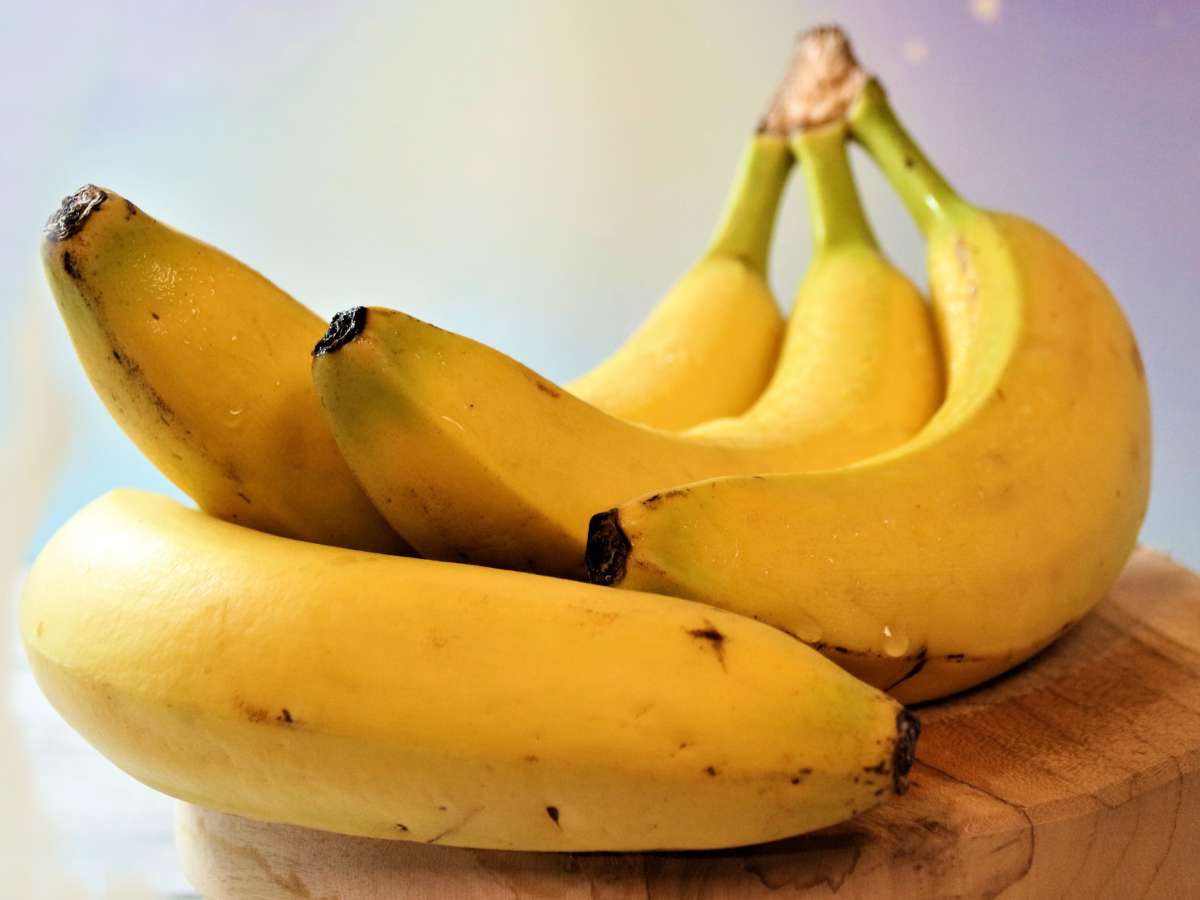
Bananas sit in almost every fruit bowl, and almost everything about the plant is usable: the ripe flesh, the green plantain, the peel and even the flower bud. This page sets out what a banana actually contains, what herbalists and cooks traditionally do with each part, and how to use them tonight — plus who should go carefully.
Ripe flesh, green plantain and peel each have their own uses
Banana at a glance
Item
Detail
Botanical name
Musa sapientum, Musa paradisiaca (plantain)
Family
Musaceae
Origin
Southeast Asia; now grown in Guadeloupe, Martinique, the Canary Islands and across the tropics
Raw, cooked, mashed, fried, grilled, blended; peel rubbed on the skin; blossom simmered or shredded raw
Harvest season
Year-round in the tropics; under glass in cool climates, hands ripen from late summer to mid-autumn
Taste
Ripe fruit sweet and creamy; green plantain bland and starchy; blossom mildly bitter and artichoke-like
A fruit with a long story
Banana leaves and trunks were used for clothing, tools and temporary shelter long before the fruit was traded.
Around 500 BC, Hindu tradition began to treat the banana as a sacred fruit.
Some tellings make banana the fruit Eve handed Adam — hence its old nickname, “paradise fruit”.
Alexander the Great is said to have banned bananas from his army’s rations, believing they would make his men heavy and unfit to fight.
Bananas reached European market stalls in the nineteenth century, shipped from the French Antilles.
A legend from the Antilles says marrying under a banana tree is a bad omen for the couple.
What it is credited with
Digestive comfort. Ripe banana has a long-standing reputation in home care as a gentle, soothing food for an unsettled gut, and is traditionally offered in cases of loose stools.
Transit and fibre. Naturopathy credits both the ripe flesh and the blossom, which is rich in fibre, with supporting regular intestinal transit.
Soothing the stomach. In traditional food-as-medicine practice, mashed ripe banana was eaten to calm acidity and burning sensations after meals.
Sustained energy. Athletes have long favoured the ‘Cavendish’ banana as a portable carbohydrate snack, with a reputation for helping keep cramp at bay during long efforts.
Antioxidant intake. The fruit contributes antioxidant compounds, which naturopathy associates with the body’s everyday cellular renewal.
Iron and vitality. Herbal food traditions recommend banana as part of an iron-and-mineral-friendly diet for people who tire easily.
Mood and calm. “Going bananas” is not accidental: because of its tryptophan and B-group vitamins, banana has a folk reputation as a comforting fruit in times of stress, tension or when cutting down on cigarettes.
Growing bones. Traditionally given to children as a mineral-rich everyday food during years of growth.
Skin and small blemishes. The inner side of the peel is a classic household remedy, rubbed on insect bites, itchy patches, minor grazes and warts.
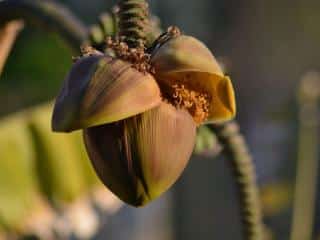
Banana blossom. In Southeast Asian kitchens the flower bud is valued as a nutritious vegetable: fibre, trace elements including potassium, and saponins that herbal tradition considers soothing and cleansing.
Ripe flesh is the form most used in traditional home care
How to use it
Eating the fruit
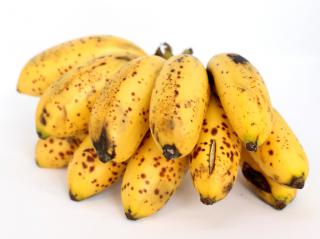
Plain and ripe. One banana, skin flecked with brown, eaten as it is. Easiest form, sweetest taste.
Mashed. Fork-mash one ripe banana with a spoon of plain yoghurt or cottage cheese. The traditional form when the stomach feels fragile.
Smoothie. One banana, a glass of milk or plant milk, a pinch of cinnamon. Blend 30 seconds, drink straight away.
Before exercise. One banana about half an hour before a long walk, ride or run.
Mashed fruit pan. Overripe or bruised bananas with damaged peaches or apricots, a tablespoon of water, cinnamon, sweetened to taste. Warm 3 to 4 minutes — just enough for the water to steam off. Serve hot on toast or cold with cottage cheese.
Savoury and cooked
Foil-wrapped on the barbecue. Slice the banana lengthwise, tuck in a few squares of chocolate, wrap in foil and set on the embers for 8 to 10 minutes.
Green plantain chips. Slice plantain thinly, drop into very hot oil for 2 minutes until the edges curl, salt generously. Good hot or cold.
Banana blossom. Peel away the tough outer bracts, shred the pale heart, and steep in water with a squeeze of lemon for 15 to 20 minutes to take off the bitterness and stop it browning. Then simmer 10 minutes in coconut milk with spices, or toss raw into a crunchy salad.
Peel, for the skin and the house
On a wart. A square of peel, inner side down, held in place with a plaster overnight. Repeat nightly for a week or two.
Bites and itching. Rub the inner side of the peel over the spot for a few seconds, once or twice a day.
Banana scrub. Mash one banana with 2 tablespoons of sugar, spread on the face, massage gently, rinse after 2 to 3 minutes.
Teeth. Rub the inner peel over the enamel for about a minute, then brush as usual.
Ink stains. Rub the inner peel over stained hands, then wash.
Houseplants. Wipe dust off glossy indoor leaves with the inner peel.
Garden. Bury chopped peels at the foot of flowering plants as a slow mineral feed.
Which part, which form, what for
Part
Preparation
Traditionally used for
Ripe fruit
Raw, mashed, blended
Digestive comfort and everyday energy, in home food traditions
Green plantain
Fried, boiled, chipped
Starchy staple vegetable across Africa and the Caribbean
Blossom (flower bud)
Soaked in lemon water, then simmered or shredded raw
A fibre- and mineral-rich vegetable in Southeast Asian cooking
Peel, inner side
Rubbed directly on skin, or as a poultice under a plaster
Household care of bites, itching, small blemishes and warts
Peel, chopped
Buried in soil or used to wipe leaves
Mineral feed for flowering plants; dusting houseplants
The flower bud is eaten as a vegetable where bananas grow
Frequently Asked Questions
The one thing to remember: eat the ripe fruit mashed or plain for comfort and energy, save the peel’s inner side for the skin and the garden, and treat the blossom as a vegetable.
Which is better, a green banana or a very ripe one?
They behave differently. Green bananas and plantains are starchy and meant to be cooked — fried, boiled or made into chips. Very ripe fruit is sweeter, softer and the form traditionally used mashed when the stomach feels delicate.
Can I really use banana peel on my skin?
Rubbing the inner side of the peel on insect bites, itchy patches or a wart is a long-standing household habit. Patch-test on your forearm first, and keep it to intact skin only — never on burns, open wounds or bites from animals.
What does banana blossom taste like and how do I prepare it?
It is mildly bitter and reminiscent of artichoke heart. Peel off the tough outer bracts, shred the pale core, and soak it 15 to 20 minutes in water with lemon juice to soften the bitterness and stop it browning. Then simmer it in coconut milk or use it raw in a salad.
How many bananas a day is reasonable?
One or two as part of a varied diet suits most people. Because banana is both sugary and high in potassium, go carefully if you are monitoring blood sugar, have a kidney concern, or take medication that affects potassium — ask your doctor or pharmacist first.
Is banana good before sport?
Athletes have favoured it for generations, the ‘Cavendish’ most of all, as a portable carbohydrate snack with a reputation for helping keep cramp at bay. One banana about half an hour before a long effort is the usual habit.
Images: Pixabay: Alexandra Stockmar, Andy M., Nadine Doerlé, Rafael Socarras
This information is provided for general interest and reflects the traditional use of plants. It is not a substitute for medical advice. If you are on medication, pregnant, or in any doubt, ask a healthcare professional.
Written by Gaspard Lorthiois | Loves helping out, especially when it comes to growing things. Worked in herbal medicine, runs a farm, and dabbles in tech. Master's degree and engineer.